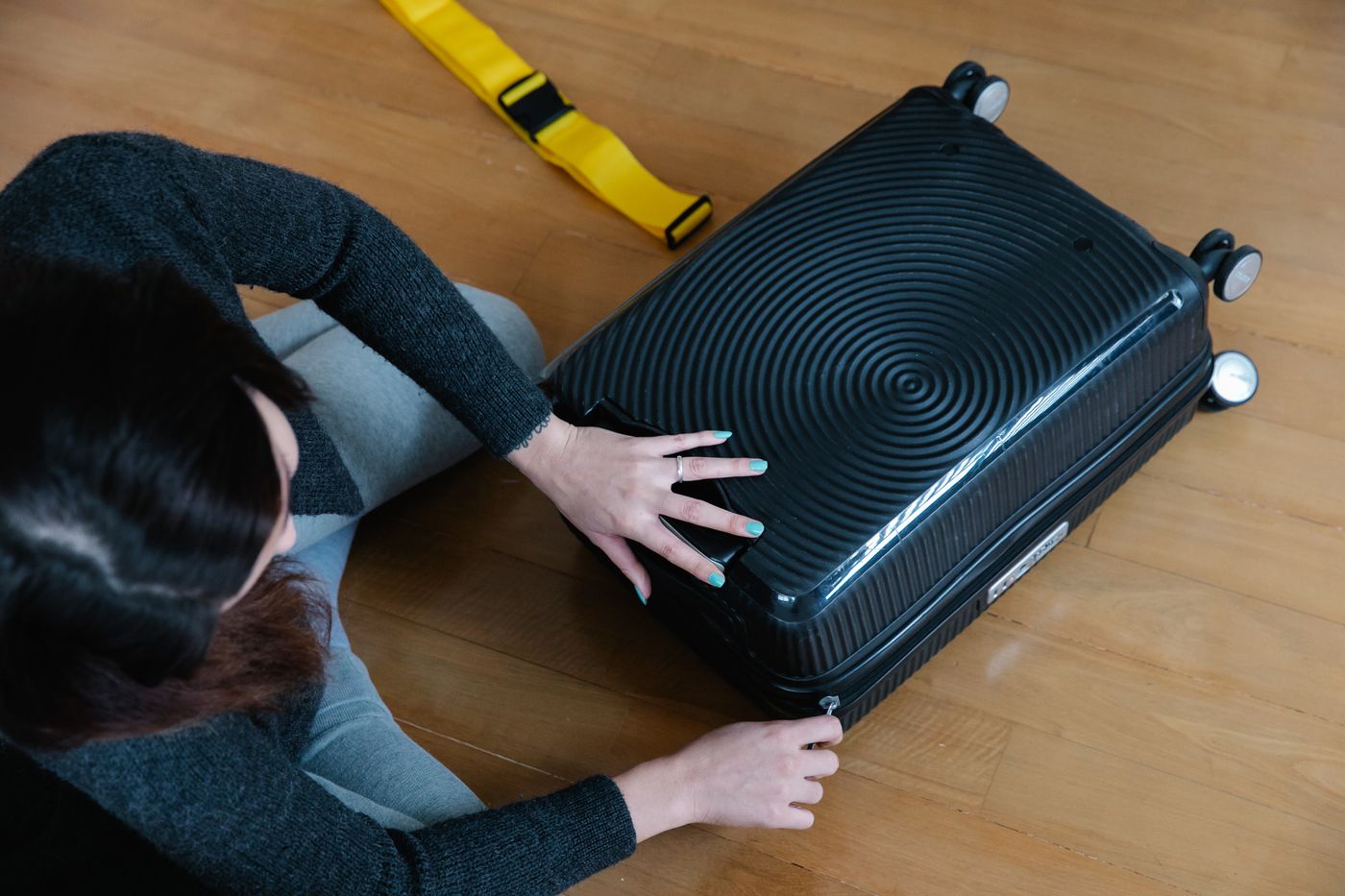
A hard-shell suitcase can return from a trip with dusty panels, marks beside the handle, and debris lodged around the wheels. Cleaning the visible shell is a reasonable first task before storage, but the entire case is not one continuous washable object. Locks, zippers, trim, linings, and moving parts can need different handling.
Start with the case emptied and its maker’s care instructions identified. Work on ordinary exterior soil with a compatible method, keep liquid away from components that should not be saturated, and leave adequate time for complete drying. A stubborn scuff does not have to disappear before the suitcase can be considered clean.
Set a clear boundary for this job
This is an exterior-cleaning routine for a suitable hard-sided case. It does not cover laundering a lining, removing pests, treating mold, repairing a cracked shell, or disinfecting every surface. Those are different problems requiring their own evidence and instructions.
The Houzz fall 2026 report discusses homes designed for continued use. Maintaining travel equipment before it returns to a small closet is our practical application of that longer-use perspective, not a claim that suitcase cleaning is a measured design trend.
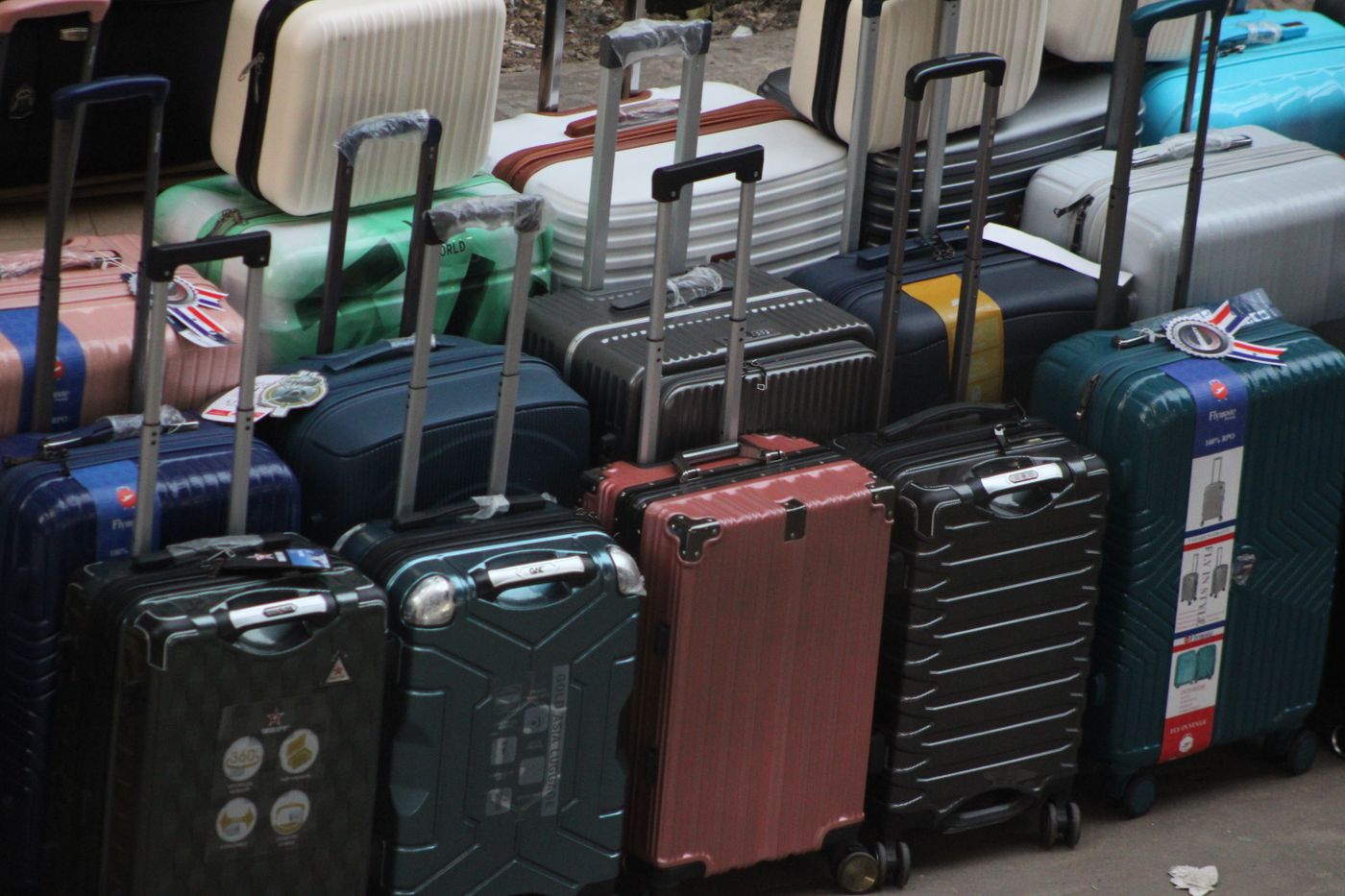
If you have more than one case, identify each model before applying the same cleaner across the set. Similar color and matching branding do not establish identical shell material, coating, trim, or interior construction. A secondhand case may need additional effort to recover the correct care information.
For an example of manufacturer guidance, Samsonite Australia's care page recommends gentle soap and warm water for wiping hardside luggage. It separately discusses other materials and storage. Use that as guidance for the applicable Samsonite product context, rather than permission to apply every treatment on the page to every suitcase.
Empty the suitcase and inspect it before adding moisture
Remove the contents and check pockets, recessed areas, and the space around the packing straps. Do not clean around documents, chargers, or small personal belongings left inside. Open the case only where there is enough room to support it without straining the hinge arrangement.
Look for damage that changes the task. A split panel, loose wheel housing, sharp edge, or faulty lock is not ordinary dirt. Cleaning may make a defect easier to see, but it does not repair it. Follow the maker’s service route if a component is damaged or unsafe to handle normally.
Identify areas with labels or applied decoration you intend to retain. A luggage identification tag can often be moved aside if its design allows; a bonded label should not be scraped off simply because it interrupts an otherwise clean panel. Adhesive removal is a separate compatibility question.
Take a plain reference photograph if you need to discuss an existing mark with a repair service. This is a record of condition, not evidence about who caused it. It can also prevent repeated cleaning attempts on a scratch mistakenly remembered as removable dirt.
Set up an unpack-to-cleaning sequence
| Stage | Action | Boundary |
|---|---|---|
| Empty | Remove clothing, papers and small belongings from every pocket | Do not clean around forgotten contents |
| Separate | Send clothing and organizers to their own care or storage routes | The suitcase is not a sealed holding area for damp laundry |
| Position | Support the case on a suitable stable work surface | Keep dirty wheels off clean bedding and upholstered furniture |
| Prepare cloths | Keep shell cloths separate from those collecting wheel grit | Do not carry collected debris back across the finish |
The packing-cube review covers the organizer reset separately. A container that held worn clothing may need care before returning to clean-clothing duty. Follow each product’s instructions rather than washing everything from the trip the same way.
Wipe a compatible shell in manageable sections
Prepare only the cleaning method allowed for the actual case. If its directions call for a mild soap solution and wiping, that is not the same instruction as immersion, pressure washing, or applying undiluted cleaner. Follow any test-area directions before working across a prominent panel.
Work one reachable section at a time. A lightly controlled cloth is easier to keep on the intended panel than freely spraying cleaner around the case. Avoid flooding seams, recesses, labels, and openings, and keep moisture out of mechanisms unless their own instructions explicitly permit the method.
Lift ordinary dirt rather than spreading it into adjacent grooves. On a textured shell, take extra care around recessed lines and corners, but do not turn a stiff household scrubber into a default tool. Surface texture does not establish how much abrasion a finish can tolerate.
Where the instructions require removing cleaner residue, use the specified approach with a suitable clean cloth. Do not leave an uncertain film because the surface looks shinier while wet. The aim is a clean finish appropriate to the material, rather than a gloss level chosen from an advertising photograph.
The framed-print exterior guide makes a related distinction between an accessible outer surface and sensitive areas behind it. A suitcase has different materials, but the same restraint applies: keep cleaning where you know the permitted method belongs.
Handle locks, wheels, and telescoping parts separately
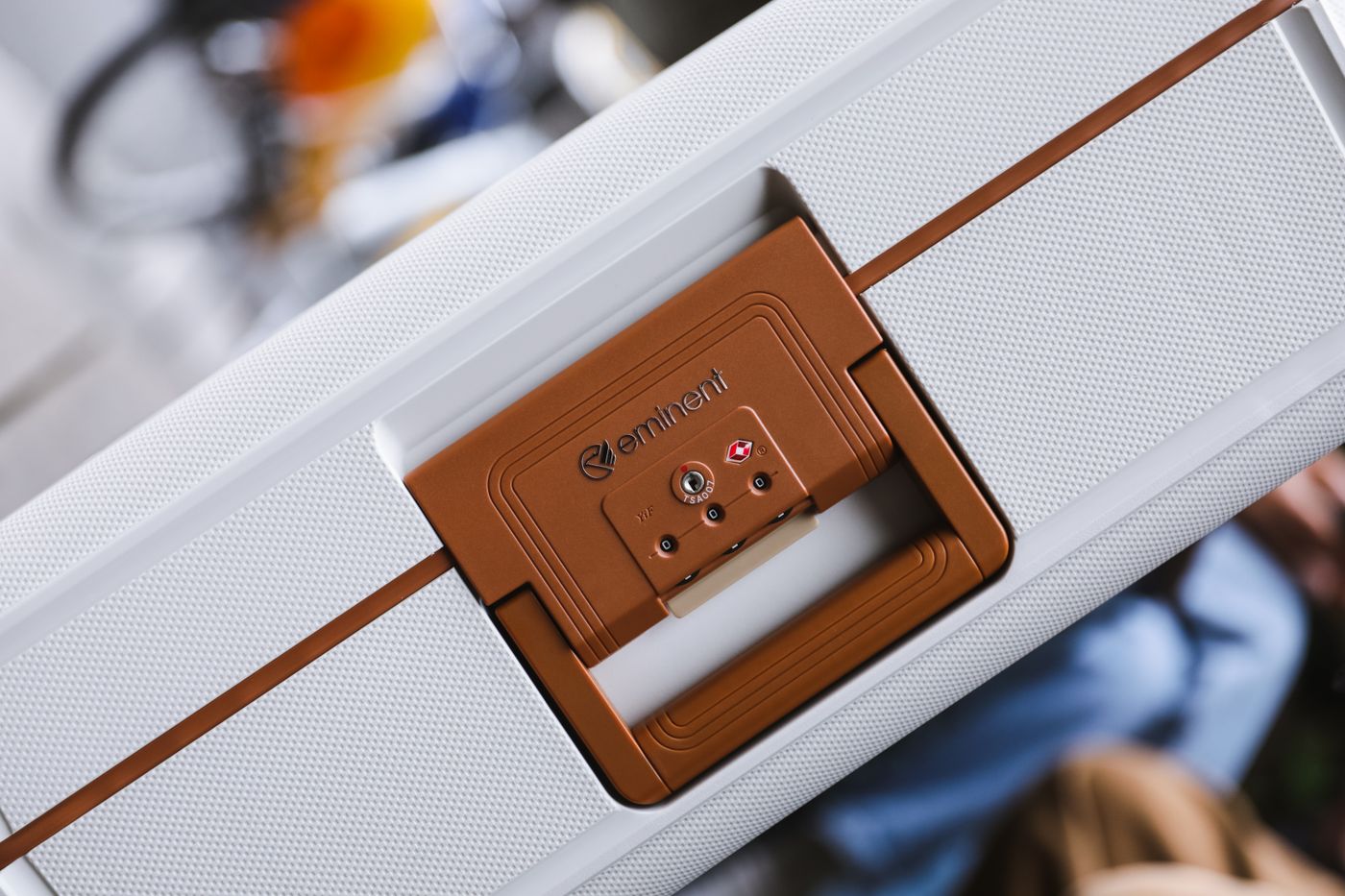
A lock assembly and a retractable handle should not be treated as grooves in the shell. Check their maintenance guidance before introducing moisture, lubricant, or a pointed tool. Do not change a combination or dismantle a lock as part of routine wiping.
Remove only accessible loose debris by a permitted method. If something is wound into a wheel or lodged where it cannot be reached safely, stop and use the maker’s service advice. A freely rotating wheel after cleaning is not proof that its housing or attachment is mechanically sound.
Check the underside without forcing the case into an unstable position. Turn it in a controlled way with enough support, and keep hands clear of pinch points. If the job requires an awkward lift, change the work arrangement or get appropriate assistance rather than reaching under a balanced case.
The lining, zipper tape, and handles may include absorbent materials even when the shell does not. Wipe or treat those only according to their own care requirements. The word hardside describes a major part of the suitcase, not a universal care instruction for all attached parts.
Distinguish remaining dirt from a cosmetic or mechanical problem
Let the permitted cleaning and drying process finish before judging a mark. A transferred substance, scratch, finish change and crack are different problems. A clean suitcase can retain visible travel wear; repeated aggressive scrubbing does not make every mark removable.
Samsonite’s care page distinguishes hardside cleaning from refinishing and service. Its additional finishing suggestions are not permission to apply automotive products or polish to an unidentified shell. Confirm the exact model and treatment separately before attempting cosmetic work.
Keep damage or an unresolved moving-part issue on a service note instead of concealing it behind a fresh surface finish. This exterior routine does not repair wheel housings, locks or cracked panels.
Dry the complete case before storage
Check the exterior, the seams you approached, and any interior area exposed during the job. Follow the manufacturer’s drying guidance and keep the case in an appropriate location until everything affected is dry. A dry front panel does not establish that a damp lining or recessed section is ready.
Samsonite’s storage guidance specifically calls for the suitcase and lining to be completely dry. Do not close a damp case around packing cubes or clothing to recover floor space sooner. Allowing the process to finish is part of the cleaning task.
Return detached personal tags or other permitted removable pieces after they are also ready. Confirm that you have not left cloths, packaging, or a temporary cleaning note inside. Keep a repair note with the case information when something still needs service.
Choose the storage position from the case maker’s instructions and the actual support available. The case should remain accessible without being crushed by unrelated heavy items. This article does not redesign a closet or prescribe one universal upright or flat position for all luggage.
If soft travel footwear is part of the same unpacking session, use its own label-led slipper-care process separately. Finishing multiple travel items together can be convenient, but they still need individual cleaning and drying decisions.
Complete a ready-for-storage check
- All pockets and recesses have been checked for belongings and cleaning cloths.
- The permitted exterior cleaning is complete without unexplained residue.
- Every area affected by moisture, including any exposed lining, is dry as instructed.
- Known defects or service questions are recorded with the model reference.
- The chosen storage position follows the case maker’s guidance and remains retrievable.
If the maker permits nesting or storing clean travel organizers inside, identify those contents so the next user does not mistake the case for empty luggage. Do not put a damp or care-pending item inside merely to clear the floor.
For an under-bed location, the clearance and container planning guide checks the complete removal path. The under-bed inventory guide keeps the stored group findable. A suitcase should not need an unsafe lift or dismantling the room to come back out.
Explore the Cleaning hub for separate material-specific care tasks. This article covers ordinary exterior care, not disinfection, pest treatment or repair.
Sources and editorial scope
Editorial research checked October 24, 2026. Published trend reports are context for these editorial applications, not verified live keyword rankings. Practical household guidance; photographs do not document a tested household or authenticate pictured materials.