
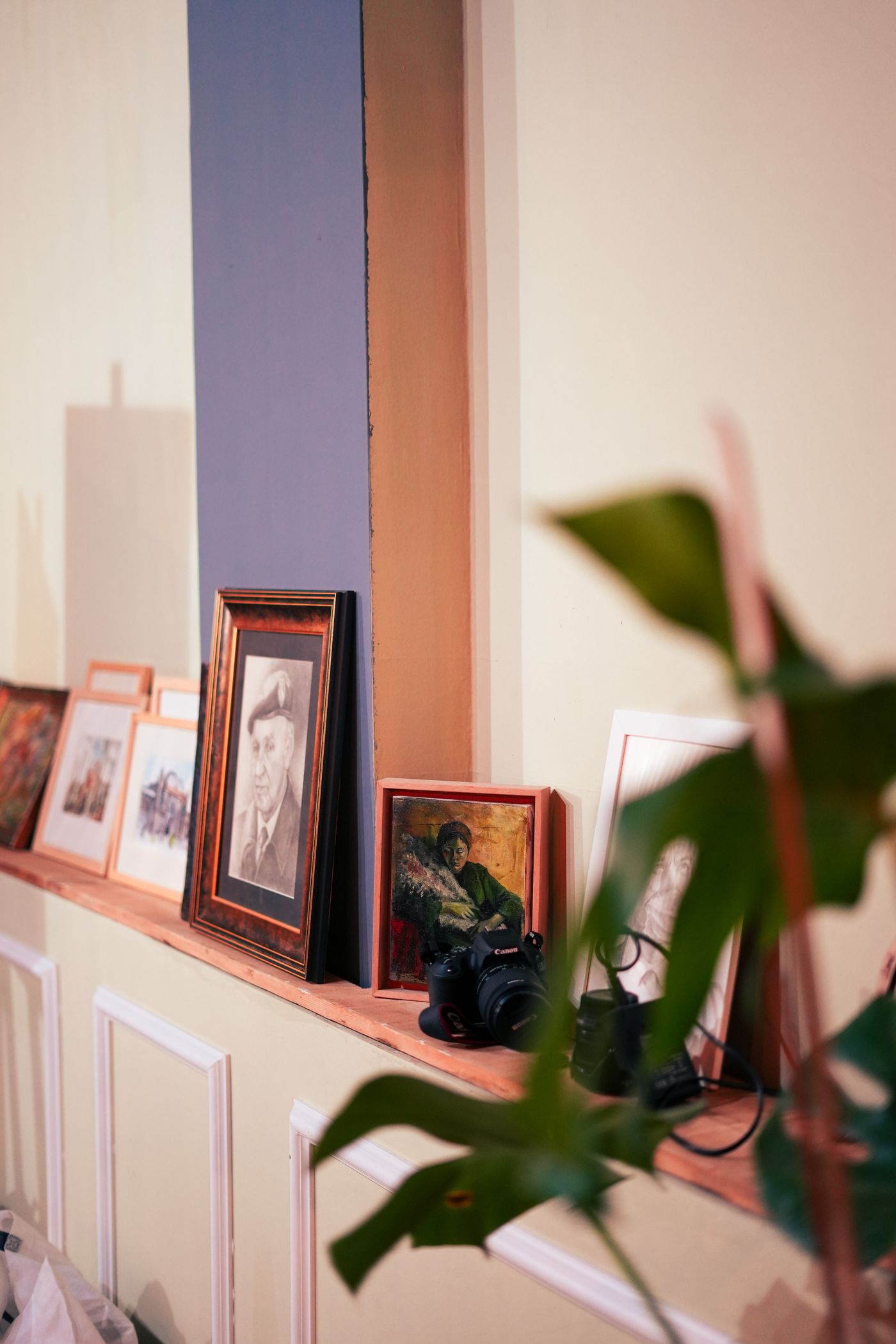
Clean a framed print by treating the outer glazing, the frame, and the artwork as separate things. Identify the glazing before choosing a cloth or cleaner, keep moisture away from the edges and backing, and leave the frame assembled for ordinary housekeeping. Dirt inside the frame or on the paper is a different job.
Houzz’s fall 2026 report describes interiors assembled around personal character and collected objects. Keeping a favorite print visible and well cared for is one practical application. This guide covers the accessible outside of a sound household frame; it does not teach restoration or authenticate the materials pictured in the stock photographs.
In a home office, a framed picture can sit close to paper files, screens, drinks, and cleaning products. A clear working surface makes the task easier. You do not need a large cleaning kit, but you do need to know what you are about to touch.
Work out whether the visible mark is outside
Look at the frame from several angles in ordinary light. A fingerprint on the outer surface is different from dust behind the glazing, discoloration on the paper, or a mark within the artwork itself. Do not start rubbing simply because something looks like a stain from across the room.
If the mark appears inside, stop the exterior cleaning at the outside. Opening the frame can expose paper to handling, disturb its mount, or release loose material. Ask a qualified framer or conservator when the artwork or construction needs assessment, particularly for valuable or delicate work.
The Canadian Conservation Institute advises leaving cleaning and repairs of works on paper to a paper conservator. That boundary is useful here: ordinary care of a known outer surface should not drift into erasing, washing, flattening, or repairing the print itself.
Identify the glazing and its care requirements
Check the frame record, glazing label, receipt, or information from the framer. The clear front may be ordinary glass, coated glass, acrylic, or another product. A glossy reflection does not identify the material or establish that a household window spray is suitable.
Tru Vue publishes separate care guidance for its glass and acrylic products, including distinctions between particular product families. Those differences are a reason to identify the exact glazing rather than choose a method based on the word “clear.” Its directions apply to its own products, not to every secondhand frame.
If the record is missing, contact the framer or maker before treating a stubborn mark. Avoid scratching an edge, applying a solvent, or tapping the panel to diagnose it. You can postpone cosmetic cleaning while establishing the material without turning that uncertainty into a risky experiment.

Check the frame before moving it
Look for loose joints, an insecure stand, flaking decoration, or a damaged hanging fitting. Do not lift a frame by a projecting ornament or assume its top rail will support its weight. Follow the maker’s handling advice, and ask for help with large or awkward pieces rather than balancing them on the desk edge.
For an item that can be safely moved, prepare its temporary resting position first. Keep the front, corners, and backing protected as appropriate to the construction. Do not lay it on top of pens, staples, or other small objects that can press against the surface.
Remove nearby drinks and open cleaning containers. A crowded office desk is a poor place to discover that the frame is larger than the cleared space. Move the papers once, into their normal temporary location, instead of shifting them repeatedly around the picture as you work.
Use a cloth intended for the exact outer surface
Choose the cloth or other tool specified for the identified glazing. It should be clean and free of grit or residues from another household task. A cloth that was suitable for a kitchen counter may carry particles or cleaning product that do not belong on a coated panel.
Our guide to separating cleaning cloths can help keep that distinction practical. Set aside an appropriate clean cloth for the frame task and return it to the correct washing or storage route afterward. Do not leave an unidentified used cloth among stationery where it can be picked up for a screen or glasses later.
Avoid treating dry rubbing as universally harmless. Some glazing instructions distinguish between approved spot cleaning and actions that can scratch or create static. Follow the exact product guidance for the surface, pressure, and condition involved. An unidentified gritty deposit is a reason to pause, not to rub harder.
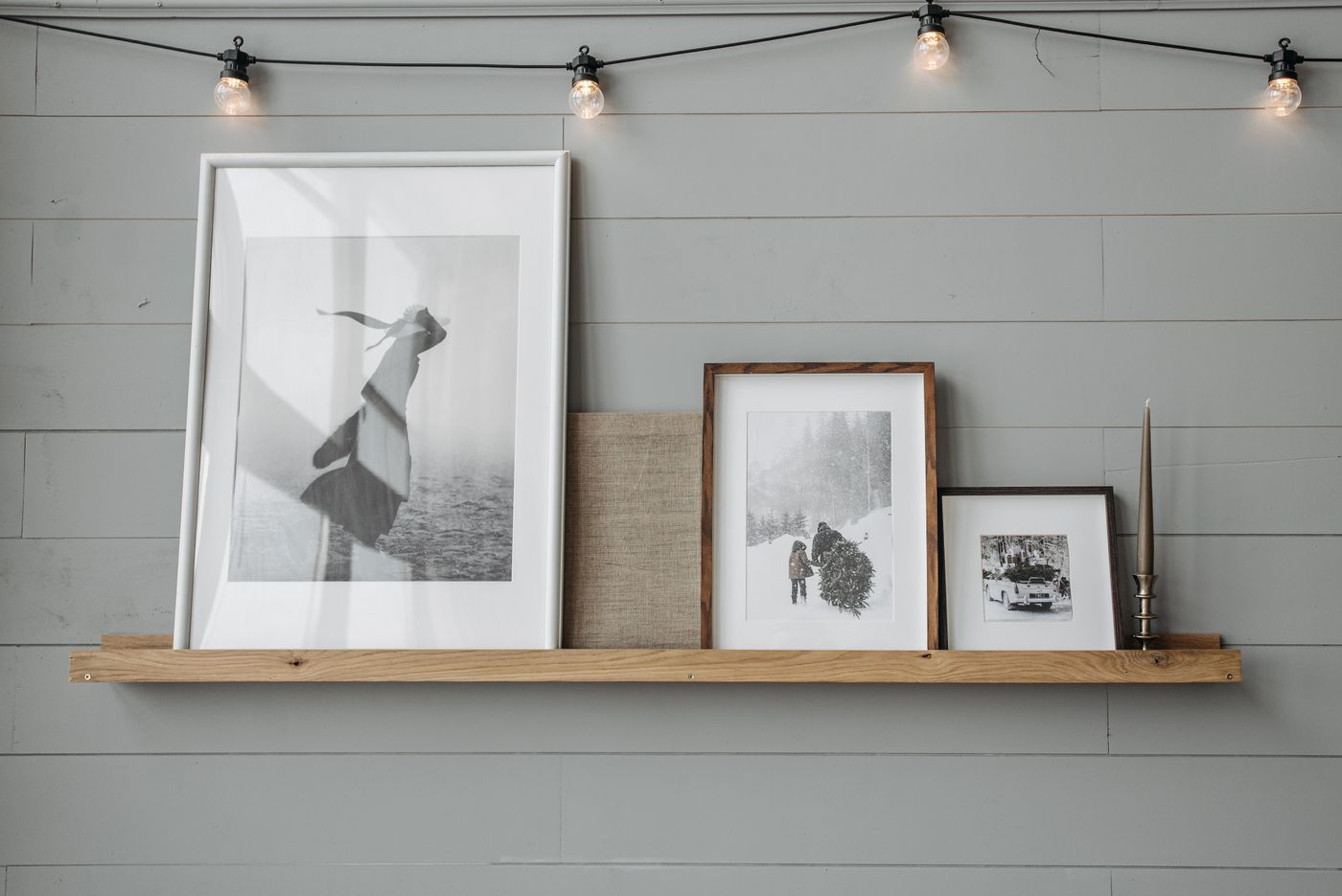
Keep cleaner away from the paper and frame edges
When the identified product permits a cleaner, use it in the manner specified by the maker. Tru Vue’s glass guidance, for example, directs a small amount of an appropriate cleaner onto the cloth to avoid overspray. That supports a controlled application to the intended surface, not a general spray over an assembled picture.
Keep liquid out of joints and away from the backing. Do not soak the cloth and rely on the frame edge to contain the excess. The frame finish may have its own limits even when the glazing method is correct. A cleaner approved for the clear panel is not automatically approved for gilding, paint, wood, or attached decoration.
If you cannot reach an outer mark without pressing on a delicate frame or introducing moisture near the art, ask the framer about an appropriate approach. Taking a little more time to establish access is preferable to turning a cosmetic spot into an internal moisture problem.
Treat the frame finish as its own material
A plain sealed modern frame and a fragile decorative finish are different housekeeping tasks. Follow the maker’s care instructions for the actual frame. If material is flaking or coming away, stop and seek advice before brushing, wiping, or using suction nearby.
Our lampshade-care guide uses the same material-first distinction for another decorative household object. The connection is in the decision process, not the cleaning recipe. Do not transfer an approved lampshade tool or method onto picture glazing or a frame finish without separate confirmation.
Keep decorative attachments in mind. A small applied detail may be more vulnerable to contact than the main rail. Work slowly enough to see where your hand and cloth will pass. Do not make a tight corner look clean by forcing a tool into an unknown joint.
Clean the display position separately
With a safely movable frame out of the way, care for the shelf or desk according to that surface’s instructions. Remove loose dust without directing it toward the picture. Let any permitted surface-cleaning moisture dry before returning the frame to its position.
Our guide to controlling bedroom dust explains how placement and routine affect repeated dust collection in another room. In an office, consider nearby paper stacks, frequently moved textiles, and difficult-to-reach gaps. You may be able to reduce the repeated task by simplifying the immediate display area.
Do not solve dust by placing valuable paper art in strong sunlight or near heat because that position seems easier to reach. The Canadian Conservation Institute notes that light can fade and discolor paper and media, with damage that cannot be reversed. Choose a suitable display location as well as a convenient cleaning route.
Return the picture with stable support
Put a freestanding frame back in the position its stand is designed to support. Check that its corners do not project into a busy working path. For a hanging frame, follow the appropriate hanging and fitting instructions, and do not improvise a new wall attachment during the cleaning task.
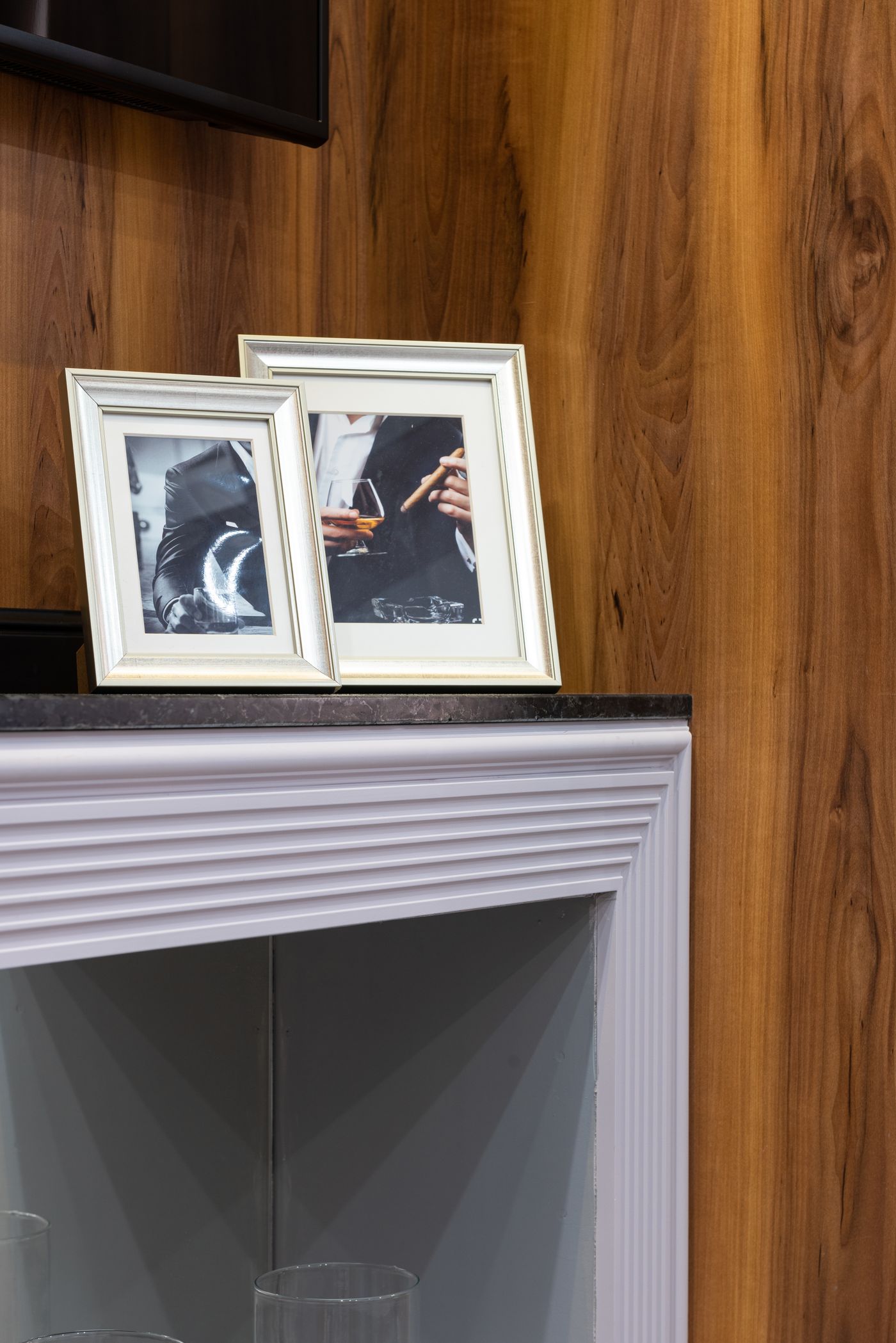
Keep room to lift the picture appropriately at the next cleaning. A dense row of overlapping frames may look collected but require moving several objects for one simple task. You can preserve a personal display while reducing the amount of handling it creates.
Save the glazing and frame care information together with the item’s identity. A short note is enough: which product is on the front, what its maker permits, and who supplied the frame. For other decisions around the display, explore the Home Office room guide. Stop once the accessible outside is appropriately clean; the artwork does not need an improvised treatment simply because the frame is already in your hands.
Explore related household decisions in our Cleaning hub.
Sources and editorial scope
Editorial research checked October 15, 2026. Trend-report dates and limitations are stated in the article; these are editorial applications of published signals, not verified October keyword rankings. Practical household guidance; illustrations do not document a tested household or authenticate a pictured material.

