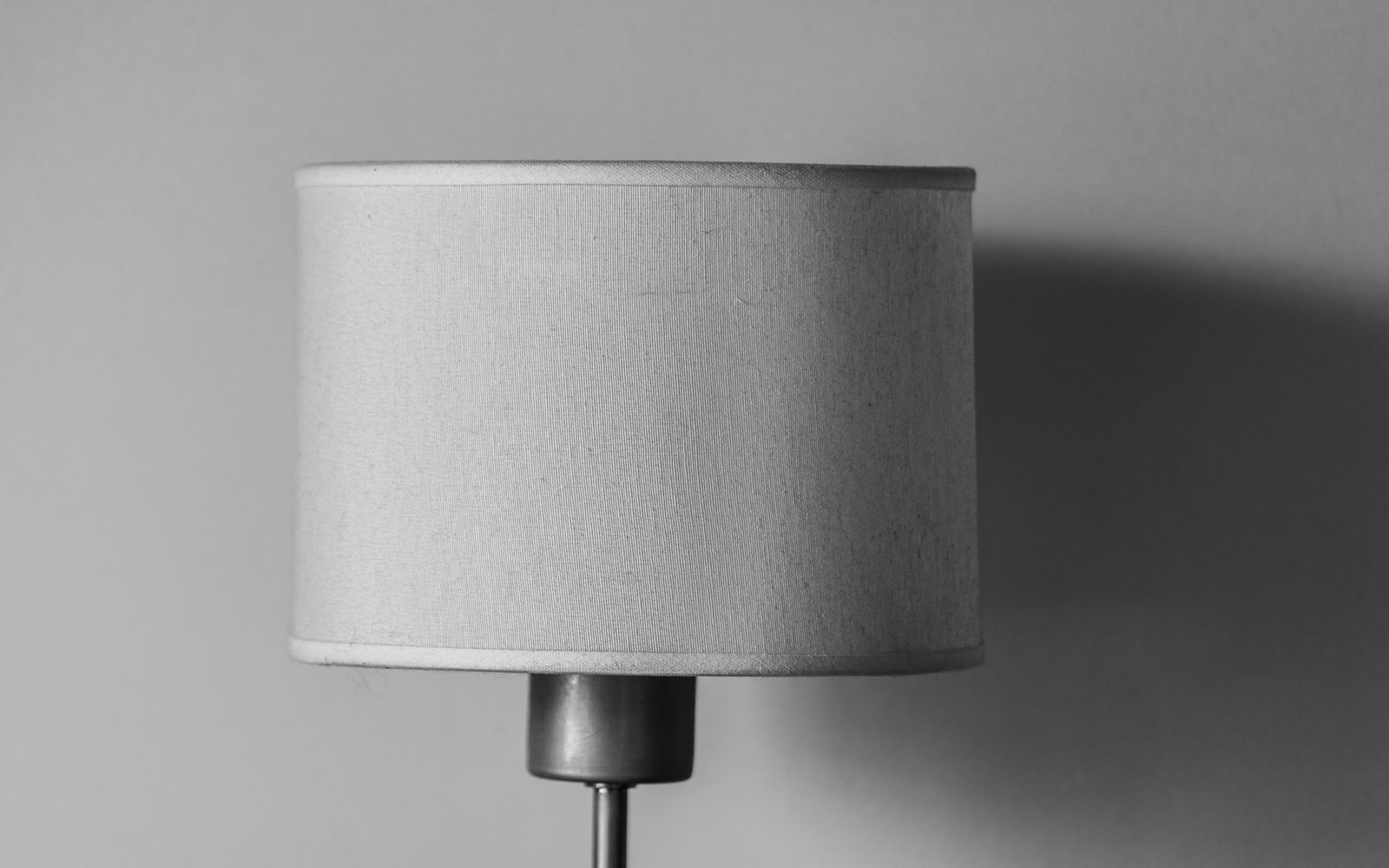
A dusty lampshade is easy to ignore until you switch the lamp on and notice a gray edge or a line of dust along each pleat. In a small bedroom, the temptation is to wipe it quickly with the same damp cloth used on the nightstand. That shortcut can be unsuitable for a fabric, paper, glued lining, or delicate trim.
Start with identification and a gentle dry-cleaning decision. A lampshade is a constructed object, not just a piece of washable fabric. The outer material, lining, frame, glue, and decoration all influence its care. This guide helps you plan routine dust removal and know when to stop; it does not turn an unidentified shade into a washable one.
Read the care information before touching a mark
Find the shade’s label, product page, or care information. If you know the lamp’s brand but not the shade’s, check whether the shade was replaced separately. The fitting identifies how it attaches; it does not necessarily identify the material. Keep the maker’s directions available while deciding which tools to use.
Care can be more restrictive than appearances suggest. For instance, John Lewis’s Soft Pleat shade specifies a dry cloth and excludes abrasive or chemical cleaners. A textile-like appearance does not establish permission to soak or spot-clean the item.
If the shade is valuable, old, damaged, or made of an unidentified delicate material, get appropriate advice. A faint mark may be preferable to a cleaning experiment that changes the color or weakens the construction. Separate routine dust from stains before choosing an action.

Make the lamp safe and the shade accessible
Switch the lamp off, disconnect it as appropriate, and allow the bulb and nearby parts to cool. Follow the lamp’s instructions. Move bedding, drinks, and fragile objects out of the working area. A narrow nightstand is rarely a comfortable place to handle the shade while balancing tools beside it.
For a removable table-lamp shade, identify the correct attachment before loosening anything. Support the shade and avoid pulling on its fabric. Do not remove an unfamiliar fitting by force. For a fixed or ceiling-mounted shade beyond easy reach, use appropriate access equipment and assistance; do not stand on unstable bedroom furniture.
Place a removable shade on a clean, dry surface that supports its frame without crushing the material. Keep small fittings together so the final reassembly does not become a search. A photo of the fitting before removal can help you remember its arrangement, but the manufacturer’s instructions remain the authority. For the broader setup, How to Deep Clean a Small Bedroom Without Losing a Whole Day is a useful next read.

Choose one suitable dry tool
A clean soft brush, an approved dry cloth, or a suitable vacuum attachment may fit the job. Use the shade’s care directions to choose among them. Keep the tool free from residue from another task. A brush previously used with a cleaning solution is not automatically suitable simply because it now feels dry.
Lighting maker Pooky describes low-setting vacuum dusting for appropriate shades, while warning against vacuuming delicate fabrics or loose decoration. That distinction matters more than the convenience of the vacuum. If suction visibly pulls at the shade or its trim, stop.
Do not assume an adhesive lint roller is harmless on every material. It can pull at delicate fibers or catch trim, and it may be excluded by care instructions. A tool suitable for a robust fabric shade can be unsuitable for silk, paper, or a loose lining. When instructions are unclear, ask before moving to a stronger method.

Work around the structure rather than pressing into it
Support the frame while removing surface dust with the chosen method. Move around a manageable section at a time. Keep pressure light enough to avoid distorting the shade. Pay attention to rims, seams, and attachment points: those areas may have a different construction from the broad outer surface.
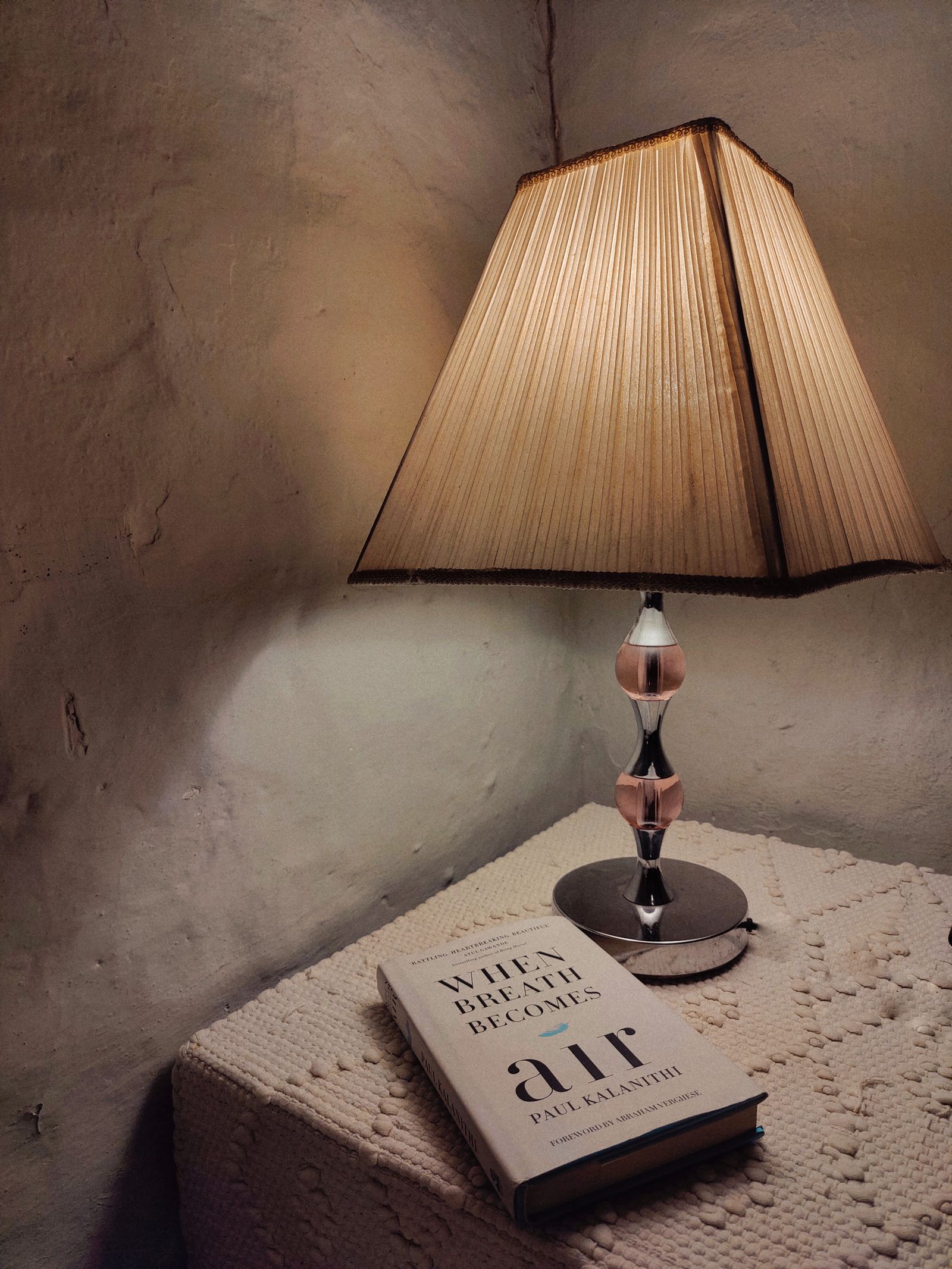
On pleated material, follow the shape rather than flattening the folds. If care permits a soft brush, work gently along accessible folds and check whether it is removing dust without disturbing the textile. Do not poke a rigid tool into a narrow gap just because that gap looks dusty.
Examine the inside using the same caution. A lining may be paper or another material requiring different care from the outside. A loose section is a reason to stop, not a cue to push it back with a damp cloth. Avoid touching electrical parts with the shade-cleaning tool.
Treat a stain as a separate decision
Once loose dust is removed, you can see whether a remaining mark is truly a stain. Do not scrub harder to compensate for uncertainty. Check the maker’s advice for the exact material and construction. Water can leave a ring or affect dye; wetting glue can create a structural problem even if the outer fabric itself seems washable.
When the maker explicitly permits spot cleaning, follow its product, dilution, testing, and drying instructions. Do not improvise a soaking method from a photograph of another lampshade. Keep moisture away from the lamp’s electrical components and do not return a shade to service until its instructions say it is ready.
For a dry-clean-only or fragile shade, professional assessment may be the best next action. Replacement is another possible decision when a damaged shade cannot be maintained appropriately. Match any replacement to the lamp’s required fitting, size, bulb clearances, and other specifications; appearance alone is not a compatibility check.
Clean the surrounding bedroom without spreading dust back
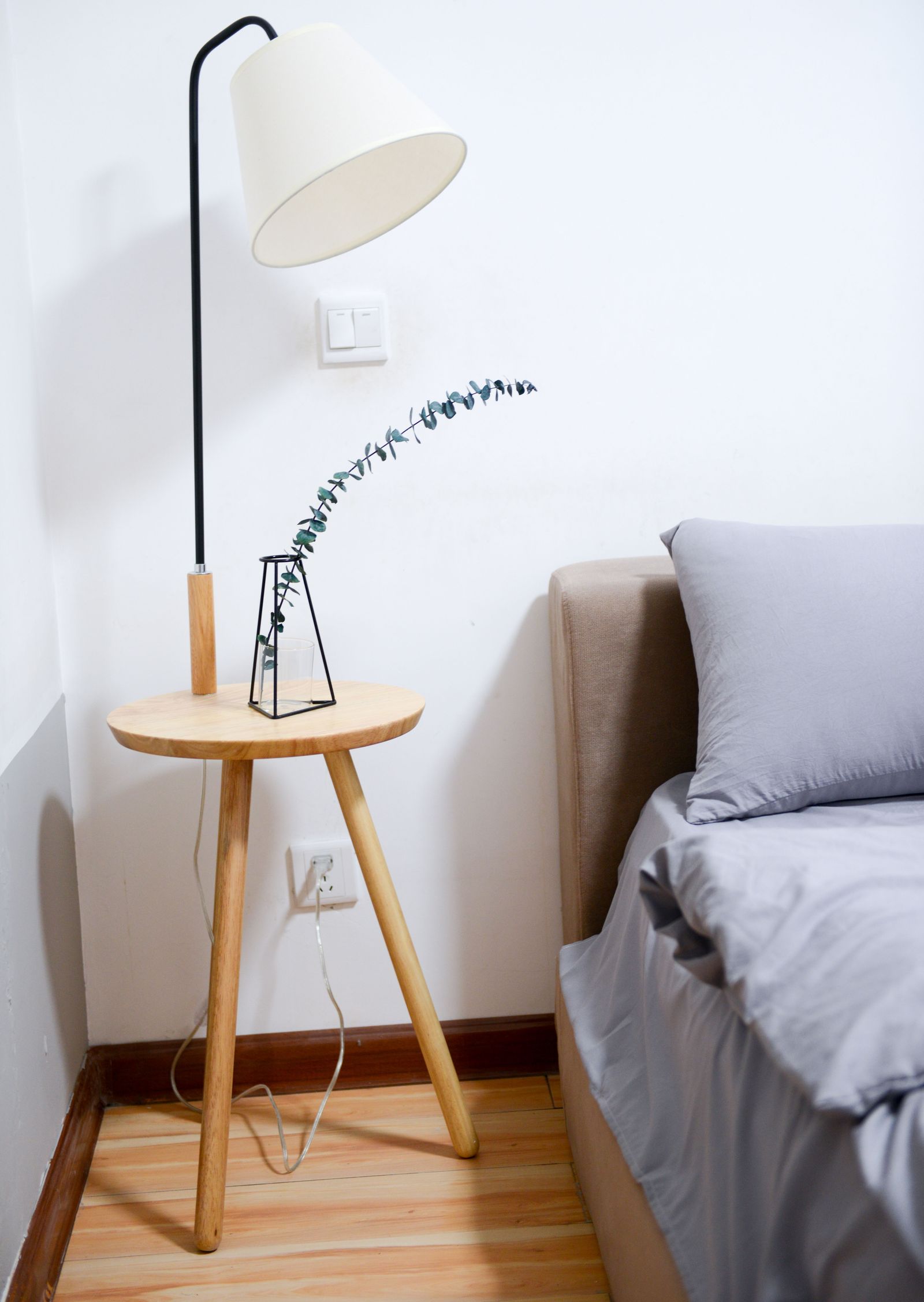
After dealing with the shade, care for the lamp base using its own instructions. Keep shade dust from landing on clean bedding by choosing the work area deliberately and cleaning the nearby surface afterward. Return books and other nightstand items only once that surface is ready.
Connect this small task to your broader bedroom dust routine. Bedding, open shelves, and the floor create different maintenance jobs. A shade-only cleaning session will not resolve all of them, but giving the shade an occasional place in the existing routine prevents it from becoming an overlooked dust trap.
If the nightstand is crowded, use the nightstand organization guide to make the lamp accessible. You should not need to dismantle a tower of miscellaneous belongings every time you maintain the lighting.
Reassemble carefully and keep the care information
Inspect the shade and fittings before reassembly. Put everything back according to the lamp’s instructions and confirm that the attachment is secure without overtightening or distorting it. Keep the cord in its appropriate position, with no cleaning materials left against the lamp. If a part seems damaged or the fitting no longer sits correctly, leave the lamp out of use until the problem is addressed.
Save the exact shade’s care information with the product record, especially if it differs from the original lamp. The existing guide to manuals and product paperwork can accommodate that reference without adding another bedroom folder.
Use visible dust as a cue for a modest check
Your home may need a different interval from a general recommendation. Check the shade when you dust the nearby surface, and clean only when the method is appropriate and the buildup warrants it. Regular light attention may be easier than waiting for a thick layer that requires a more involved decision.
Avoid turning routine care into a hunt for pristine fabric. Some aging or marks require a specialist or a replacement decision rather than repeated household cleaning. Browse Cleaning and Bedroom ideas for the surrounding room. The successful result is a maintained shade, intact construction, and a lamp returned safely to its ordinary role.