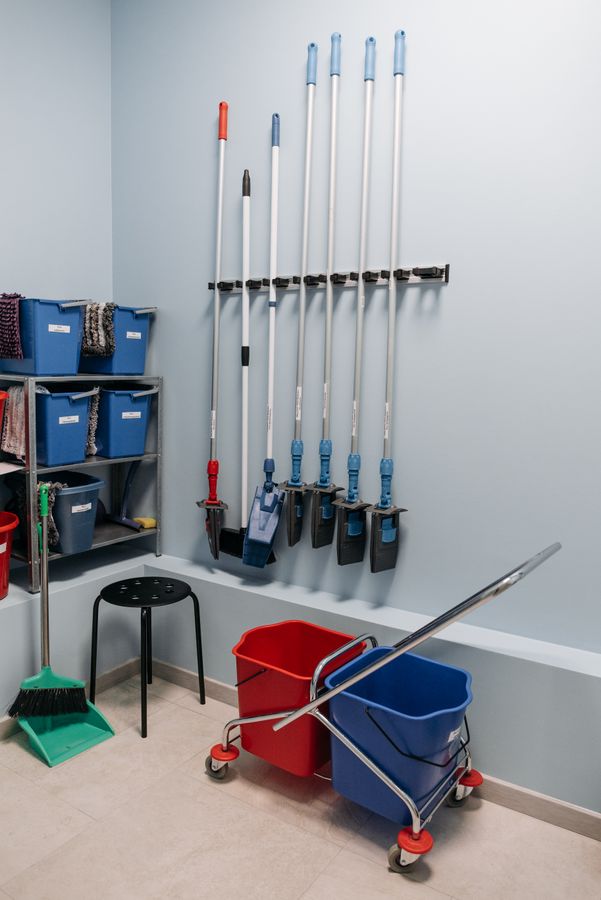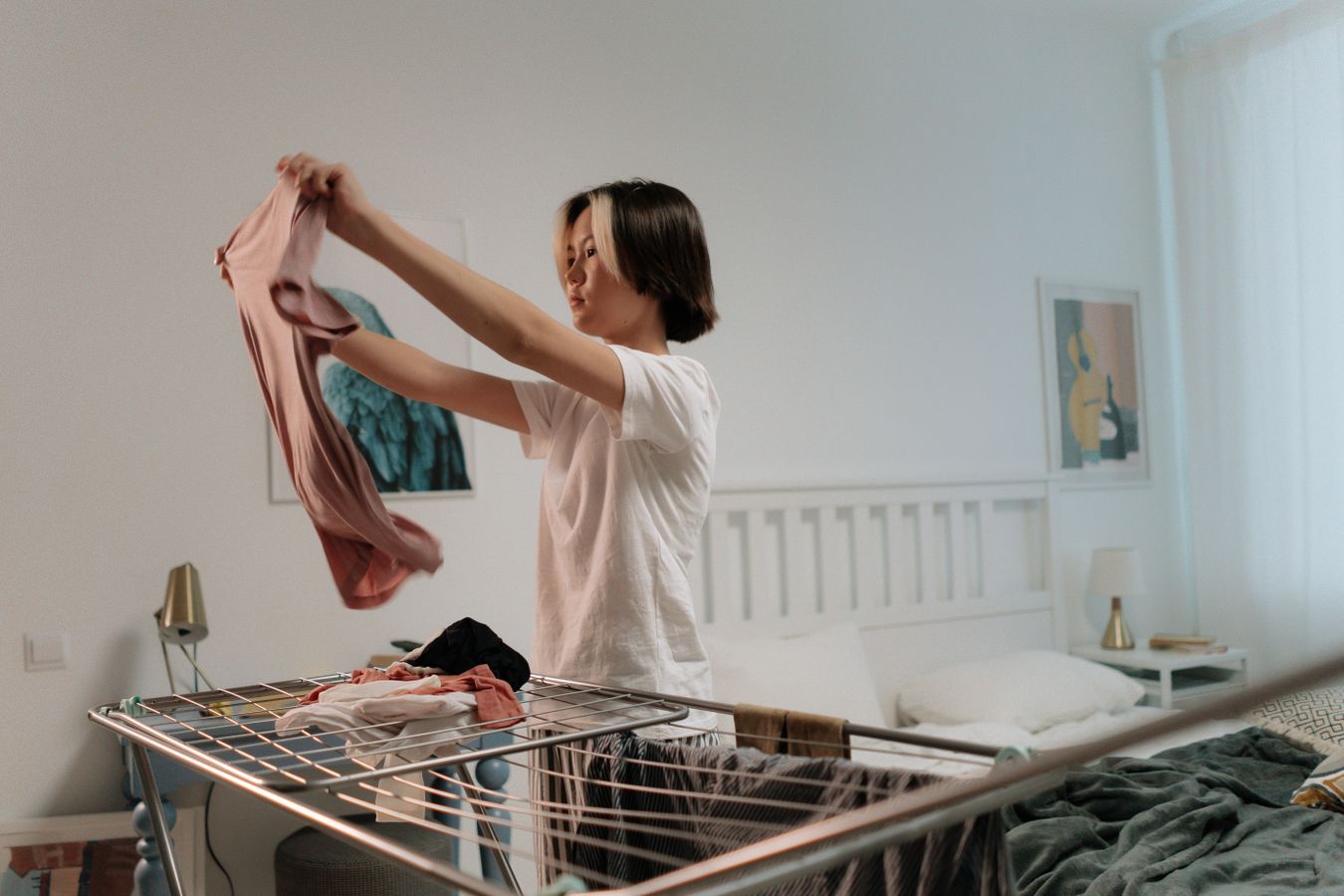
Deep cleaning a small bedroom should not require emptying every drawer, pulling every item into the hallway, and sacrificing an entire weekend. For a related step-by-step approach, see A Realistic Deep-Cleaning Checklist for a Small Home.
The fastest approach is to separate cleaning from organizing. Remove only what blocks the surfaces you need to clean, work from high to low, and postpone major decluttering decisions unless they directly prevent access. For a related step-by-step approach, see The 20-Minute Small-Home Reset Before Guests Arrive.
Set the boundary before you start
This session is for dust, textiles, reachable surfaces, under-bed debris, floor edges, and visible buildup. It is not automatically a closet makeover, sentimental purge, or furniture redesign. If you are working on the same space, The 15-Minute Bedroom Reset for Days When Everything Lands on the Floor covers the next decision in more detail.
Give yourself a container for “organize later” items so side projects do not take over.
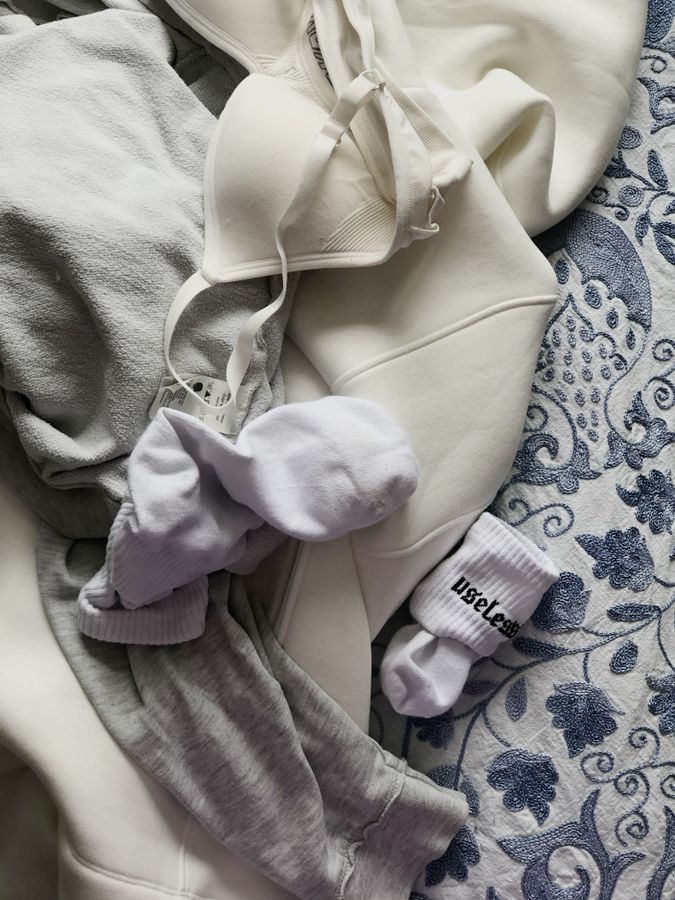
Phase 1: clear the bed and floor path
Put dirty clothes in the hamper, clean clothes into one temporary basket, and unrelated objects into a return basket. Do not sort every category yet. For the broader setup, What to Pack First When Moving Into a Smaller Home is a useful next read.
The goal is to expose the floor and bed so cleaning can begin.
Phase 2: strip or refresh bedding
Handle sheets, pillowcases, blankets, and mattress protection according to their care instructions and your household routine.
Start laundry early if bedding is part of the plan so the machine can work while you clean.
Phase 3: dust from high to low
Work from upper reachable surfaces toward lower ones: shelf tops, headboard, lamps, frames, nightstands, dresser, and base-level surfaces.
This prevents you from cleaning the floor first and then dropping dust onto it.
Phase 4: clear and clean the nightstand
Remove cups, receipts, cables, packaging, old tissues, and anything that belongs elsewhere. Wipe the surface appropriately and return only the items used regularly.
Phase 5: clean the dresser top without reorganizing the dresser
Move the visible items, clean the surface, and return essentials. If the drawers are overstuffed, note that as a separate organization project.
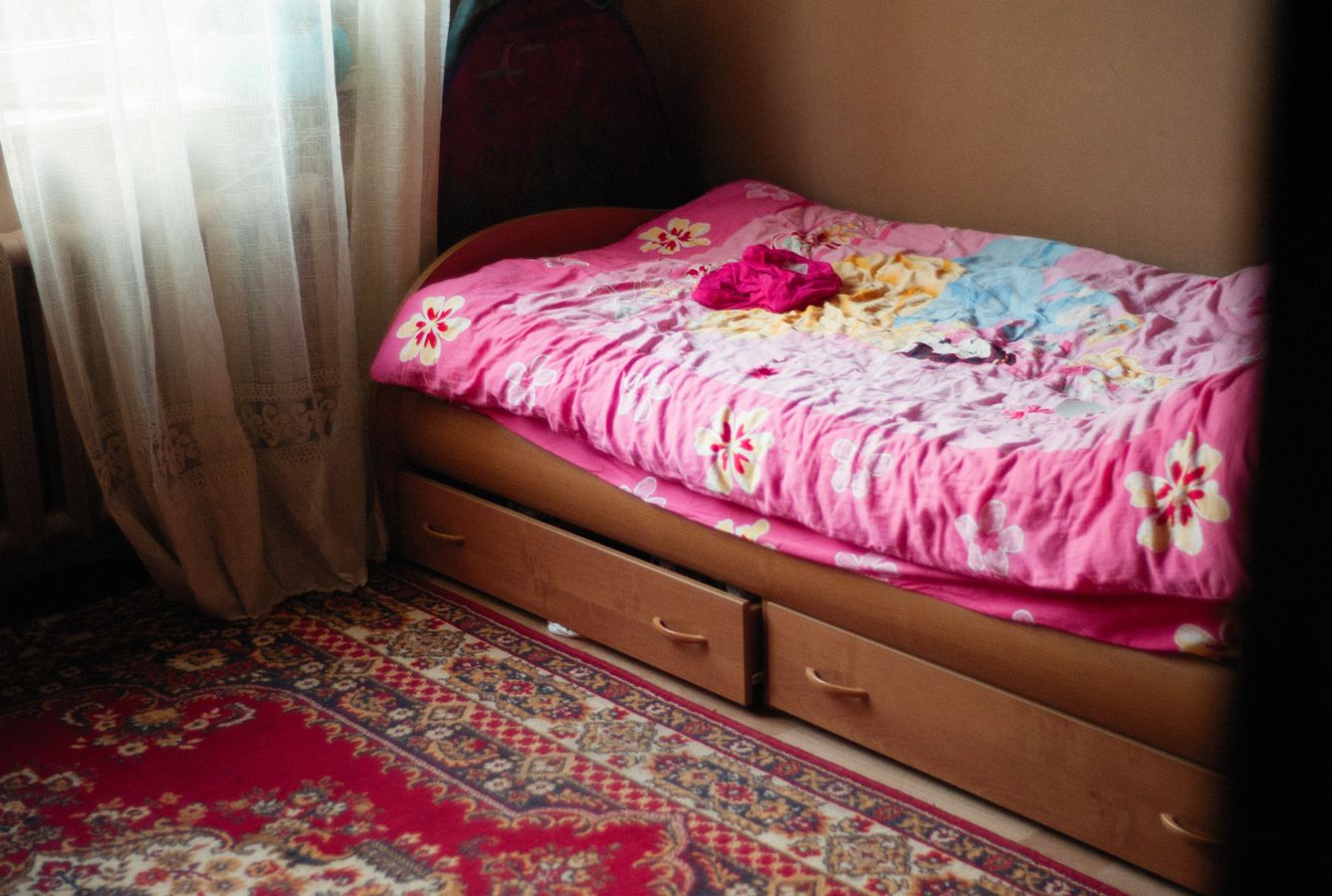
Phase 6: inspect under the bed
Pull out loose objects and storage containers enough to access dust and debris. Clean the reachable floor according to its material.
If under-bed bins have become mystery storage, schedule a separate edit rather than opening every container during the deep clean.
Phase 7: clean mirrors and glass
Handle mirrors and other glass surfaces with an appropriate method, then return only necessary objects to nearby surfaces.
Phase 8: vacuum or clean the floor edges
Move light objects as needed and focus on the perimeter, under accessible furniture, and the main traffic path. Use the flooring manufacturer’s guidance for suitable tools and moisture.
Phase 9: handle soft furnishings
Check curtains, rugs, decorative pillows, fabric headboards, and upholstered pieces according to their care labels or manufacturer instructions.
Do not improvise aggressive wet cleaning on materials with specific care requirements.
Phase 10: rebuild the room lightly
Return clean bedding, empty the return basket, put clean clothes away, and restore the floor path.
Anything that still has no home goes into the separate “organize later” list—not back onto the floor.
The 60-minute version
| Minutes | Focus |
|---|---|
| 0–10 | clothes, trash, bed, floor path |
| 10–20 | bedding + high dust |
| 20–30 | nightstand + dresser top |
| 30–40 | under bed + edges |
| 40–50 | mirror + soft furnishings |
| 50–60 | floor + rebuild |
When to extend beyond an hour
Add time only if the room has genuine buildup, neglected textiles, heavy under-bed storage, or a separate cleaning issue. Do not extend simply because a drawer looks untidy.
Deep clean vs declutter
If the room cannot be cleaned because storage is overflowing, the decluttering problem may need to happen first. Use How to Declutter a Small Home When You Don’t Know Where to Start.
Keep clothing traffic from undoing the clean
After the room is reset, maintain the clothing flow with How to Keep a Small Bedroom Clean When Clothes Keep Piling Up.
A bedroom deep-clean checklist
- ☐ bed and floor path cleared,
- ☐ bedding handled,
- ☐ high-to-low dust complete,
- ☐ nightstand reset,
- ☐ dresser top cleaned,
- ☐ under-bed area accessed,
- ☐ mirrors/glass cleaned,
- ☐ floor edges and main path cleaned,
- ☐ soft furnishings checked,
- ☐ room rebuilt without loose piles.
Frequently asked questions
Do I need to empty every drawer?
No. That turns cleaning into organizing. Empty drawers only if there is a specific cleaning reason or you intentionally planned a combined project.
Should I move the bed?
Only if it is safe and practical for your furniture and room. Otherwise clean the reachable under-bed and perimeter areas.
How often should a bedroom be deep cleaned?
Use visible buildup, allergies/household needs, season changes, and your regular cleaning rhythm rather than a single universal schedule.
Deep cleaning is faster when the scope stays clean
Expose the surfaces, work high to low, handle bedding, clean under the bed and floor edges, then rebuild the room. Keep major organizing projects separate so a one-hour deep clean does not become an all-day event.