
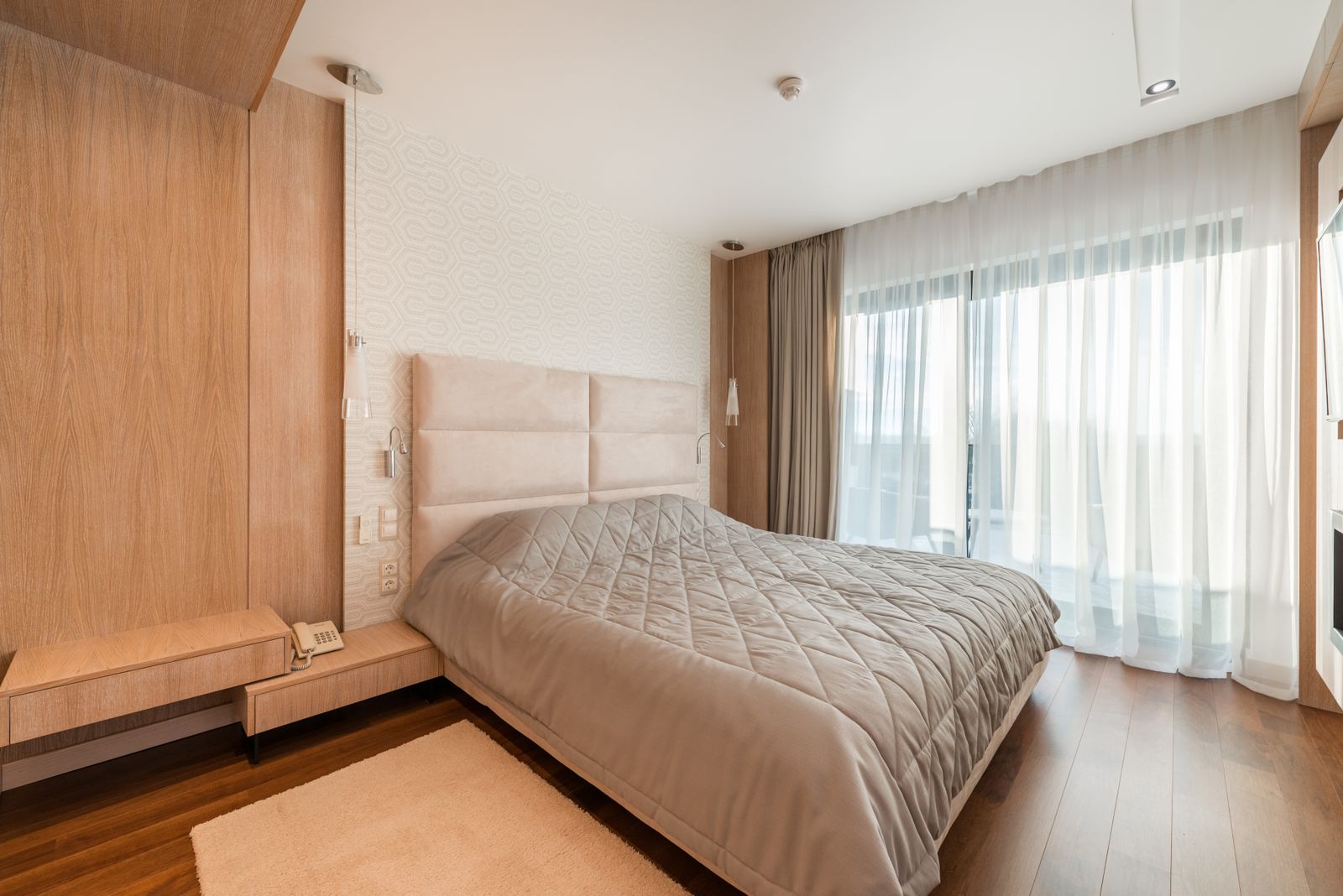
A maintenance visit can make a small bedroom feel like a moving day. The problem is rarely that every possession must leave. Usually, someone needs access to one window, wall, fixture, or piece of equipment, while the room’s existing storage sits in the way. The useful preparation is targeted: understand the work area, clear a practical route, protect private belongings, and keep displaced items together so the room can return to normal afterward.
This guide covers organizing the space, not tenant rights, notice requirements, technical repairs, or permission to enter. Follow the arrangements supplied by the property manager or service provider and ask them about the preparation their particular job requires. If the work area or instructions are unclear, clarification should come before moving heavy furniture or disconnecting equipment.
Ask what access is actually required
Identify the fixture or area being worked on and ask how much space the technician needs around it. A window inspection, heating repair, ceiling-light replacement, and wall treatment involve different access. Do not assume that clearing the floor beneath the fixture is enough, or that every cabinet must be emptied.
Ask whether furniture should be moved beforehand and who is responsible for that work. Mention heavy items, wall attachments, or a bed that cannot be moved easily. Never detach an anchoring system, move equipment, or disconnect a service simply to make the room look ready without appropriate instructions.
Write down the confirmed preparation in plain terms: which area, which access route, and which possessions must move. Keep the service contact available. This small list prevents well-intended preparation from expanding into a full bedroom reorganization at exactly the wrong time.

Clear the route as well as the destination
Walk from the apartment entrance to the bedroom and then to the work area. Look for the actual obstructions: a laundry basket beside the door, a folding chair in the hall, or the bed corner that limits passage. The technician may need to carry tools, so the route matters beyond the space occupied by a person walking empty-handed.
Ask the provider about any equipment whose size changes the requirement. Do not invent a clearance measurement from a general article. A job involving a ladder or replacement component may need more room than a visual inspection. Use the dimensions or instructions supplied for that visit.
Keep exits, door movement, and ordinary household circulation usable while preparing. Our guide to reducing bedroom clutter without new storage can help with everyday obstacles, but the visit itself should remain focused on the confirmed work route.
Create a temporary destination before lifting anything
Choose where displaced belongings will go before removing them from the work area. Use a container or cleared surface sized for the affected possessions. Label the temporary group by original location, such as window-sill items or bedside drawer contents, so everything can return without being sorted again. If you are working on the same space, Check Children’s Clothes Before Shopping Without Emptying Every Drawer covers the next decision in more detail.
Avoid placing the displaced group on the only bed someone needs that night unless the timing and return plan genuinely allow it. Moving clutter from the work area onto a sleeping surface solves access while creating an urgent second problem. A closed, manageable container in another suitable location can be easier to live around.
Do not mix the temporary group with donation items or unrelated storage projects. A maintenance visit is a poor moment to make dozens of decluttering decisions. You can note an item you no longer want, but keeping the work-area contents together protects the immediate task from becoming an unfinished room-wide sort.
Handle private and valuable items deliberately
Put private papers, medication, valuables, and sensitive devices in the secure locations appropriate for your household. A pile beneath a sheet is visually hidden but does not provide the same control as actual storage. Follow any care instructions for the items and keep necessary medication accessible to the person who needs it.
Remove personal information from an exposed bedside surface or notice board if you do not want it visible during the visit. You do not need to make the room impersonal; the purpose is to decide what can remain in the work area rather than leaving the decision to a rushed final sweep.
For records related to the appliance or fixture, prepare only what the provider asks you to have available. Our guide to manuals, warranties, and receipts is useful when the visit requires a model number or service document. Keep unrelated family records in their normal filing location.
Protect surfaces using the provider’s instructions
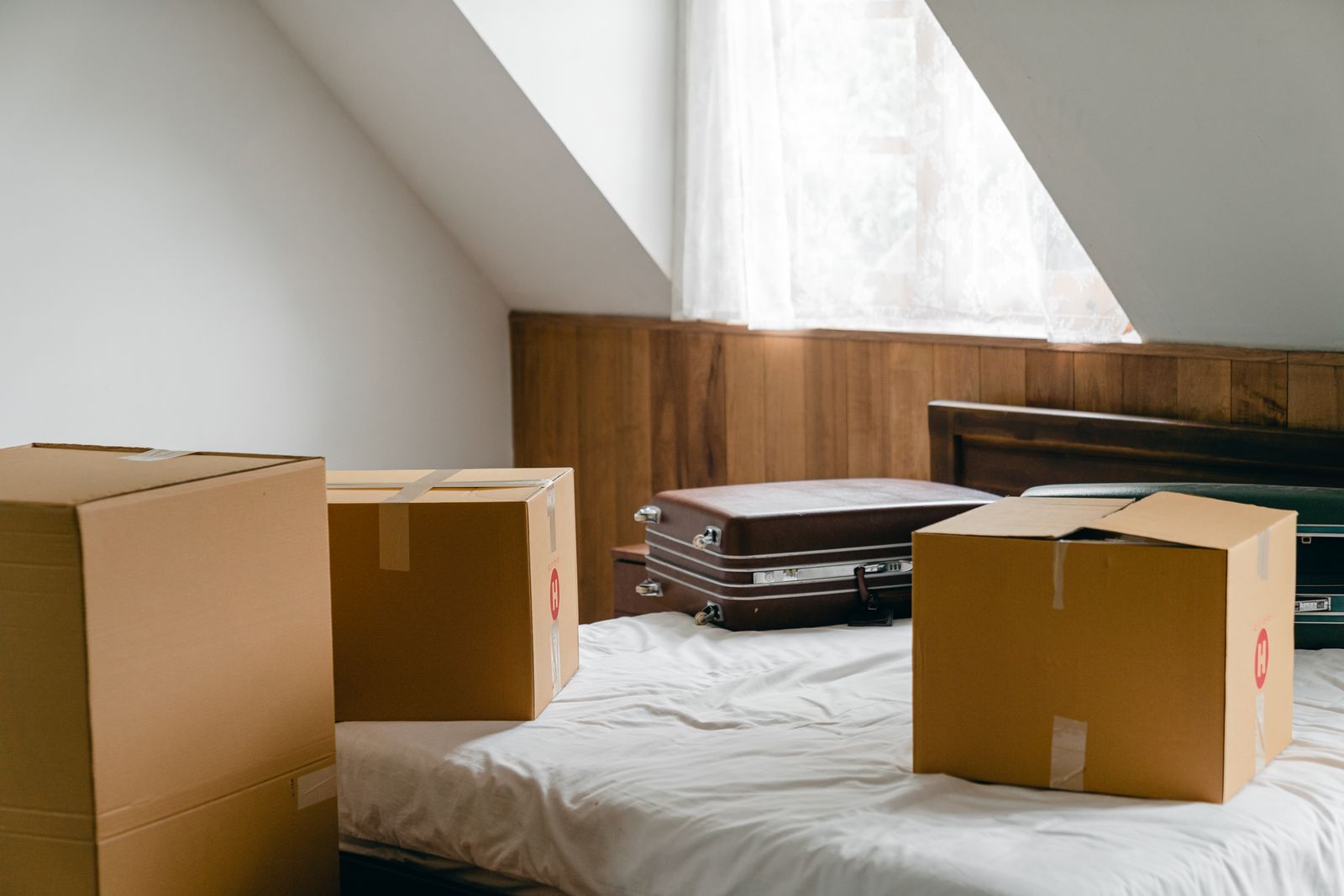
Ask whether the service team supplies protective coverings and whether you should remove textiles or objects from the affected area. Follow its guidance rather than covering fixtures, ventilation, or equipment in a way that obstructs the work. If dust, water, or another material may be involved, discuss how the team wants the nearby possessions handled.
Do not treat a decorative throw as a universal protective sheet. A fabric cover can be unsuitable for the material or process involved, and a cover placed carelessly can hide an obstruction. The provider should explain what preparation supports the actual job.
Keep the room’s ordinary safety arrangements in mind, including children and pets. Plan where they will be during the work and follow the team’s instructions about access. A maintenance area should not become a waiting or play space because the rest of the home is compact.
Make the timing workable for the household
Once the appointment arrangements are confirmed, identify what the room must do during that period. Someone may need access to clothes before work, a child may normally nap there, or the room may also hold a work desk. Plan those needs in advance using the timing information available; do not assume the work will finish at an exact minute.
Set aside a small, clearly identified set of essentials needed before the room is restored. This may include the next outfit or work materials, depending on the household. Avoid packing an entire suitcase if a modest change of location solves the interruption.
If the bedroom serves several purposes, the existing guide to a room with two or three functions can help you decide which activity moves temporarily. Focus on the purpose that must continue during this appointment, not on recreating the entire room elsewhere.

Use a short final access check
Before the visit, compare the room against the provider’s instructions. Check the entrance route, the work area, and the temporary containers. Verify that the things you moved did not create an obstruction in another room or block an appliance, door, or walkway.
Have the relevant contact details and requested documents ready. If the situation has changed since the preparation instructions were given, tell the provider. For example, a fixture that was accessible at booking may now sit behind a newly installed wardrobe. It is better to describe the obstacle than to make an unsafe last-minute attempt to move it.
Do not start the repair yourself to demonstrate that you prepared. Organizing access is a separate job from technical work. Stop at the boundary of what the provider asked you to do, particularly where electrical, plumbing, structural, or attached equipment is involved.
Restore the room in the reverse order
Wait until the provider says the area is ready to use and follow any aftercare or cleanup instructions. Some jobs require conditions you cannot judge simply by appearance. Do not place belongings back against a treated surface or restart equipment until the applicable instructions allow it.
Return the temporary containers by their location labels. Restore the essentials first: a usable bed, access to clothing, and the normal walking route. Then replace decorative and less frequently used items. That sequence lets the room function even if the final details take another session.
Keep one useful note for the next visit
Record which access route worked, which item was unexpectedly difficult to move, and any preparation guidance worth retaining. If the same fixture needs routine service, keep that note with its relevant household records. You do not need a separate binder for a single appointment.
After the room is normal again, consider whether an everyday storage change would make future access easier. A removable container may work better than a permanent stack directly in front of a regularly serviced fixture. Make that decision calmly, with the room functioning, rather than using the appointment as a reason to replace furniture immediately.
Find more ideas in Bedroom and Small-Space Living. Good preparation leaves the technician the access the job needs and leaves your household a clear route back to an ordinary evening.
