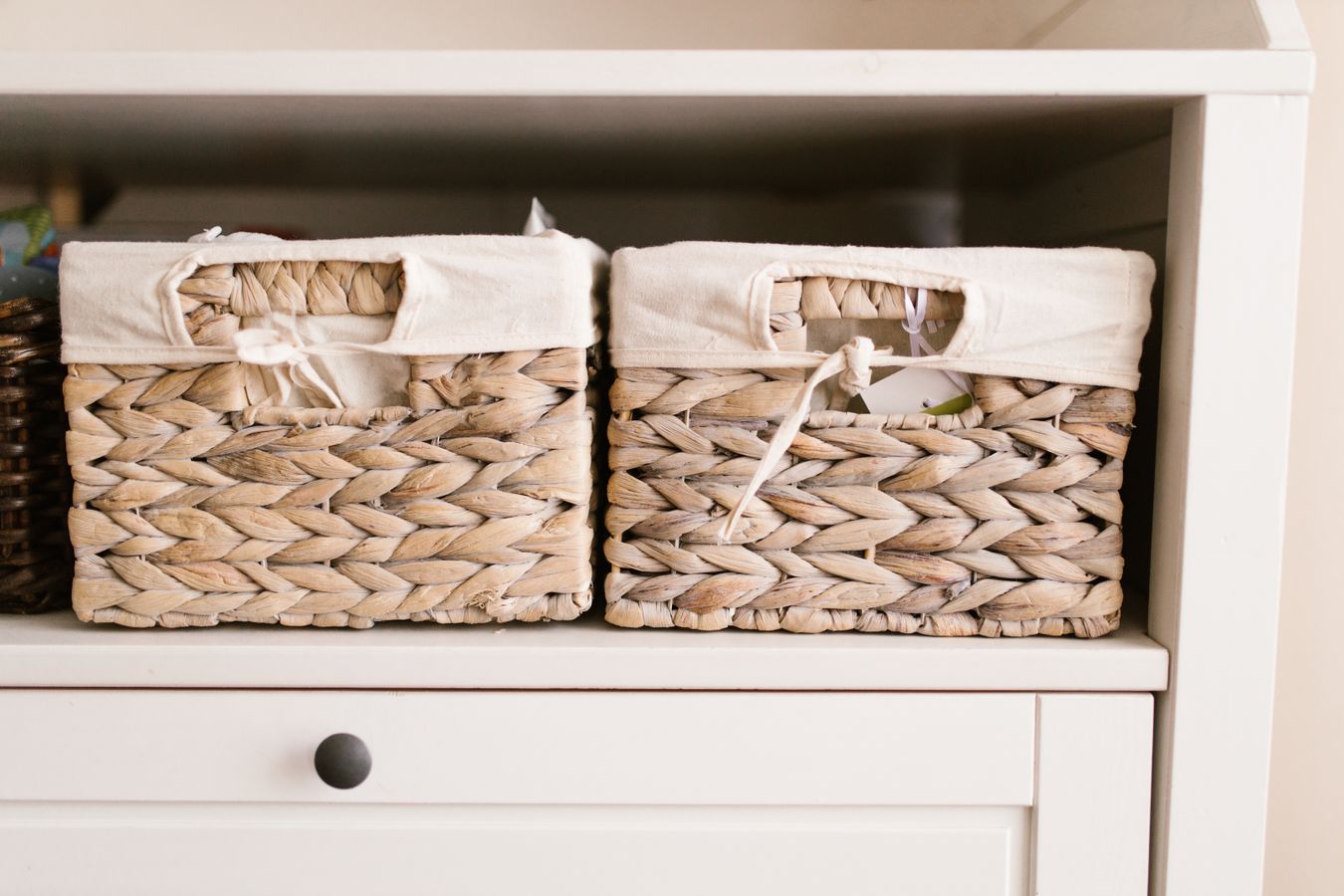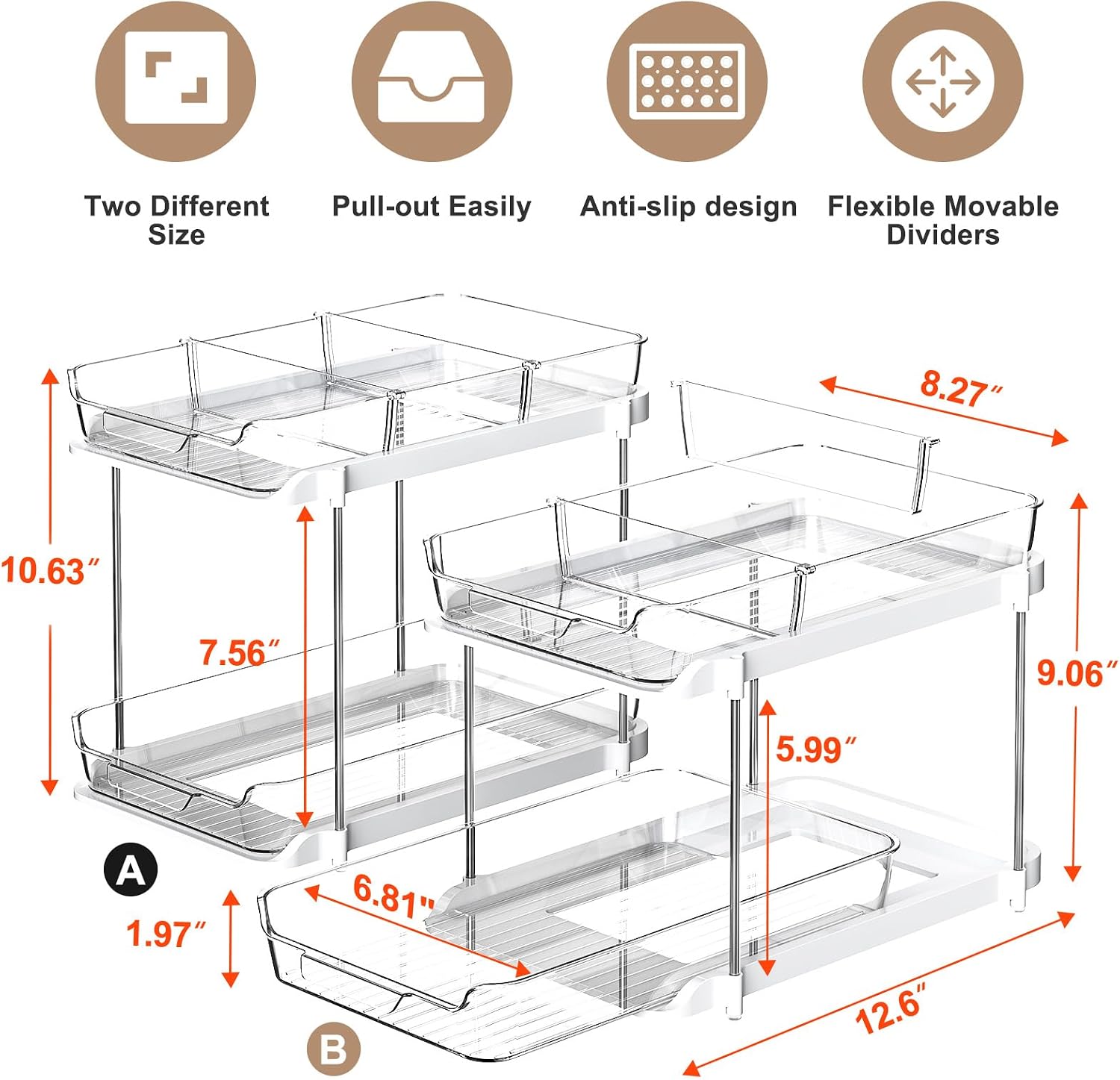
Spare batteries, light bulbs, picture hooks, felt pads, command strips, tiny hardware, and flashlight parts often become the most chaotic square foot in a small home. They are too useful to discard, too small to deserve a closet, and just hazardous enough that “one junk drawer” is not a great long-term plan. For a related step-by-step approach, see How to Do a Seasonal Closet Switch in a Small Home Without Making a Bigger Mess.
A better solution is a small maintenance station: one clearly bounded zone that separates fragile, electrical, adhesive, sharp, and battery items so you can find what you need without rummaging.
Choose a dry, stable, adult-controlled location
A high closet shelf, utility cabinet, or closed home-office storage zone usually works better than a hot garage, damp bathroom cabinet, or kitchen drawer beside food. Follow manufacturer storage instructions for batteries, bulbs, adhesives, and other products. You may also find How to Store Gift Wrap, Gift Bags, and Party Supplies in a Small Home useful for a closely related small-home problem.
Store batteries by type, not by brand
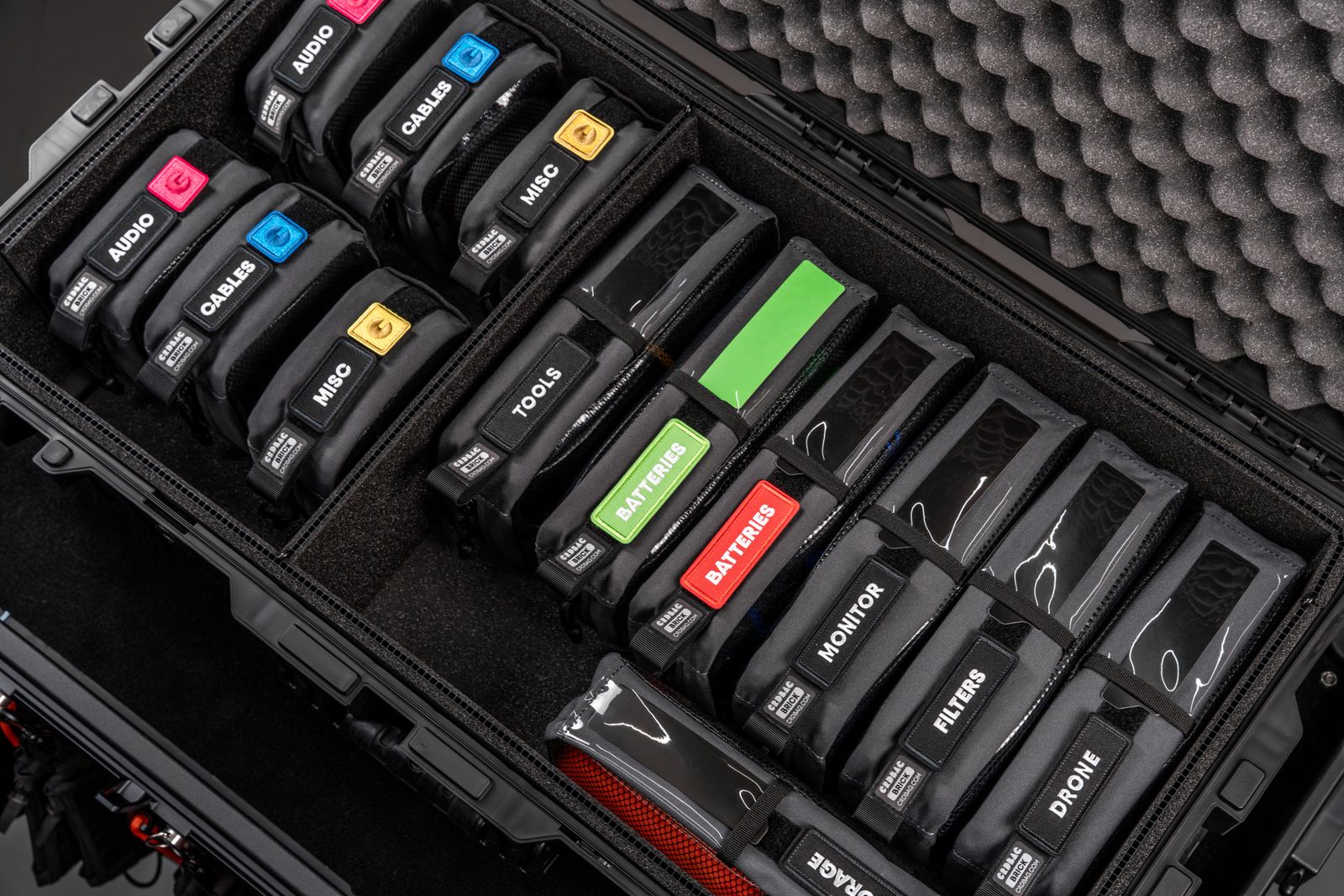
Separate AA, AAA, 9V, coin cells, and specialty batteries. Keep terminals from contacting loose metal objects. Retain original packaging when practical, especially for coin and button cells, and keep small batteries secured away from children.
Keep new and used batteries in different systems
Do not return questionable or used batteries to the “new” supply. Create a separate, clearly marked container for batteries awaiting proper recycling or disposal according to local guidance.
Protect light bulbs from impact
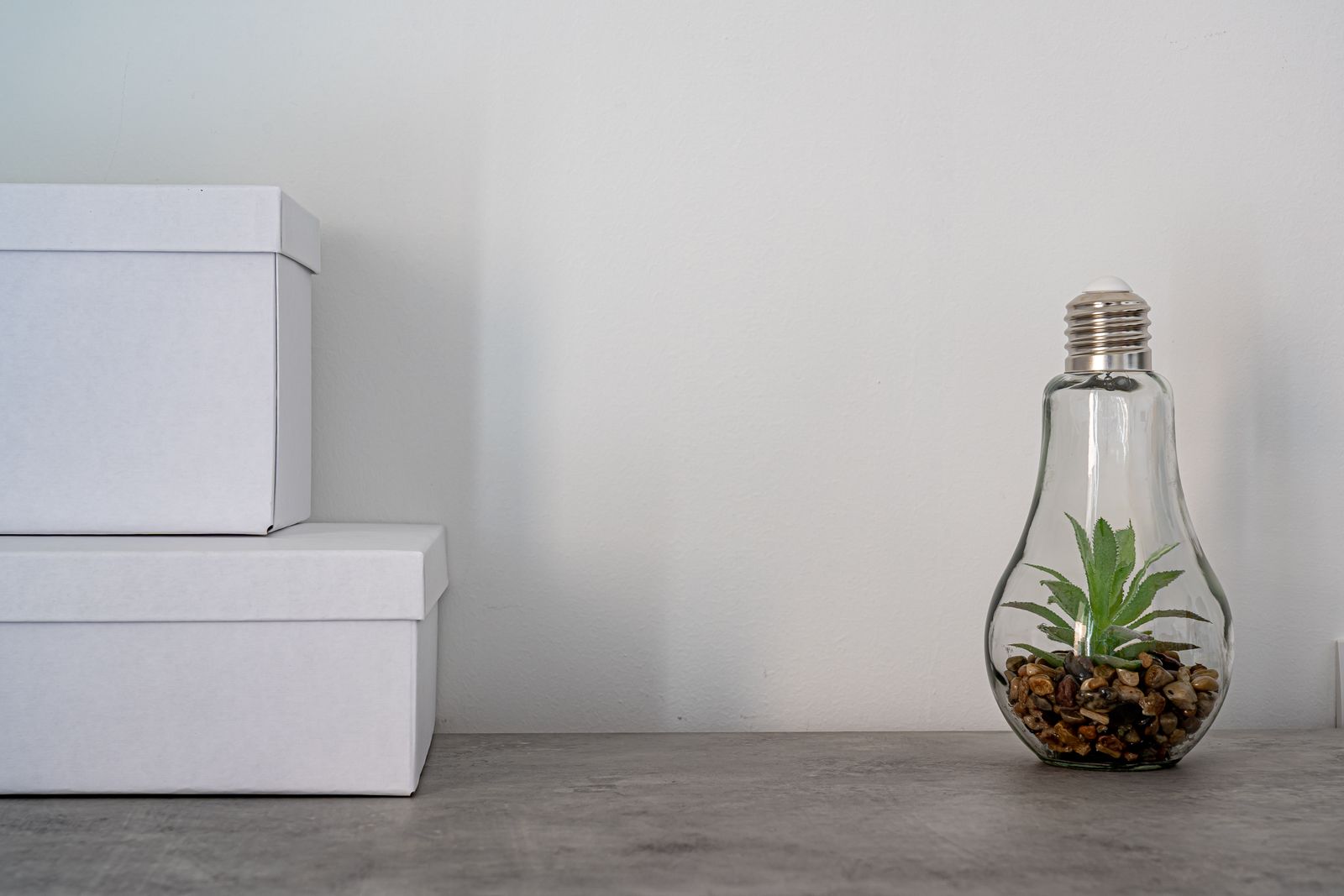
Bulbs need individual compartments, dividers, or original packaging so they cannot roll into each other. Group by base and use—standard, small appliance, specialty—rather than creating a bin of anonymous glass shapes. You may also find How to Organize Appliance Manuals, Warranties, and Receipts in a Small Home useful for a closely related small-home problem.
Build one tiny hardware kit
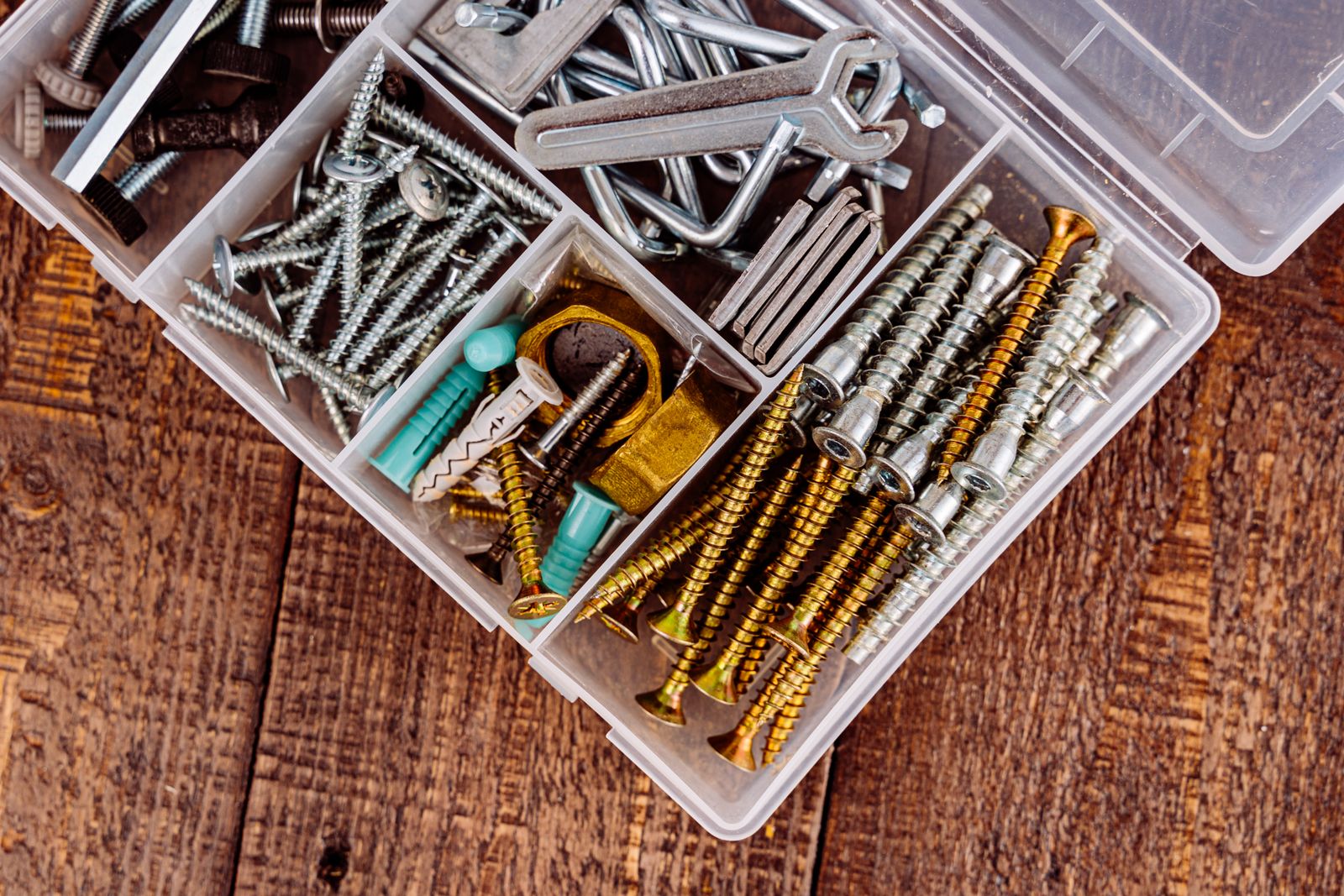
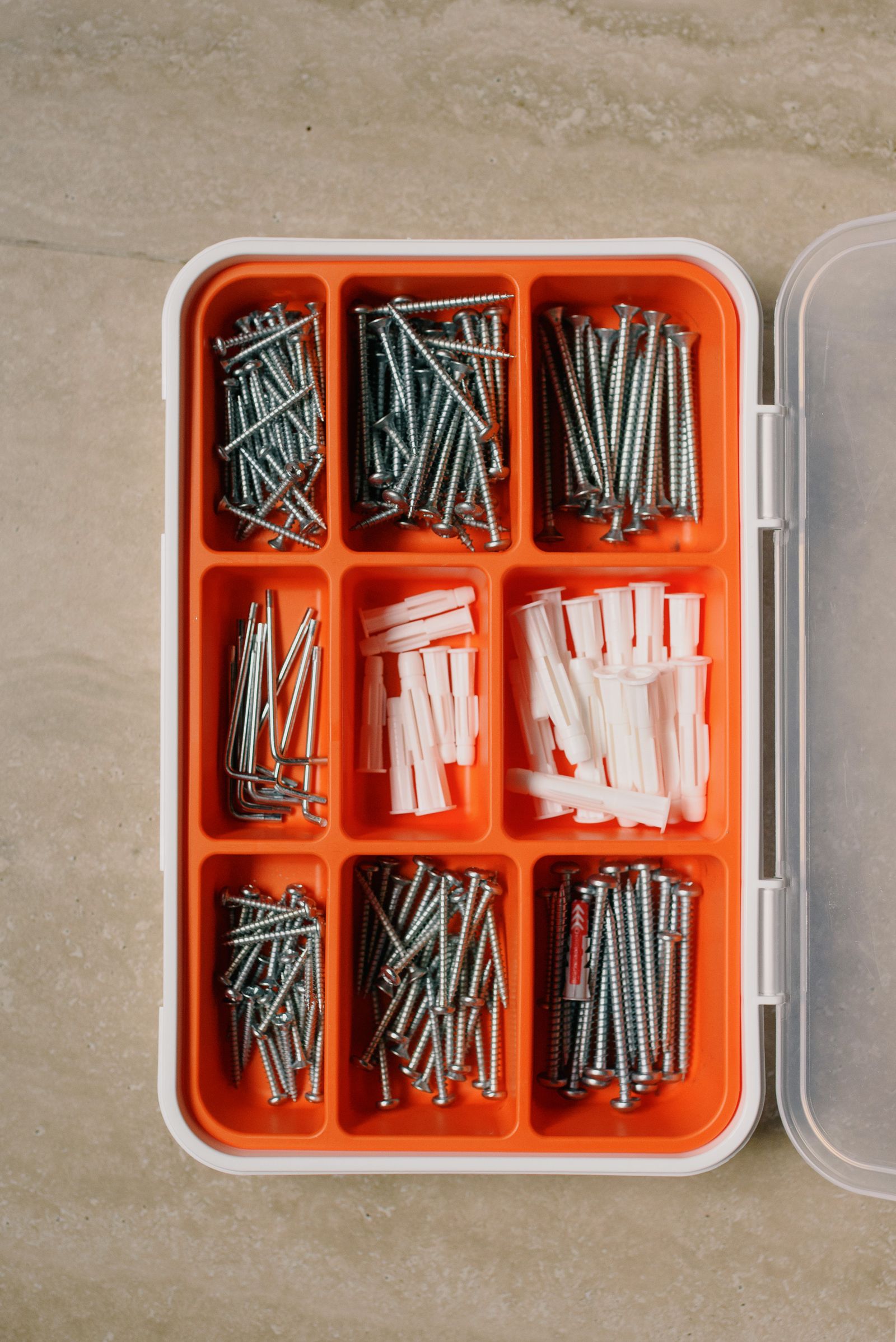
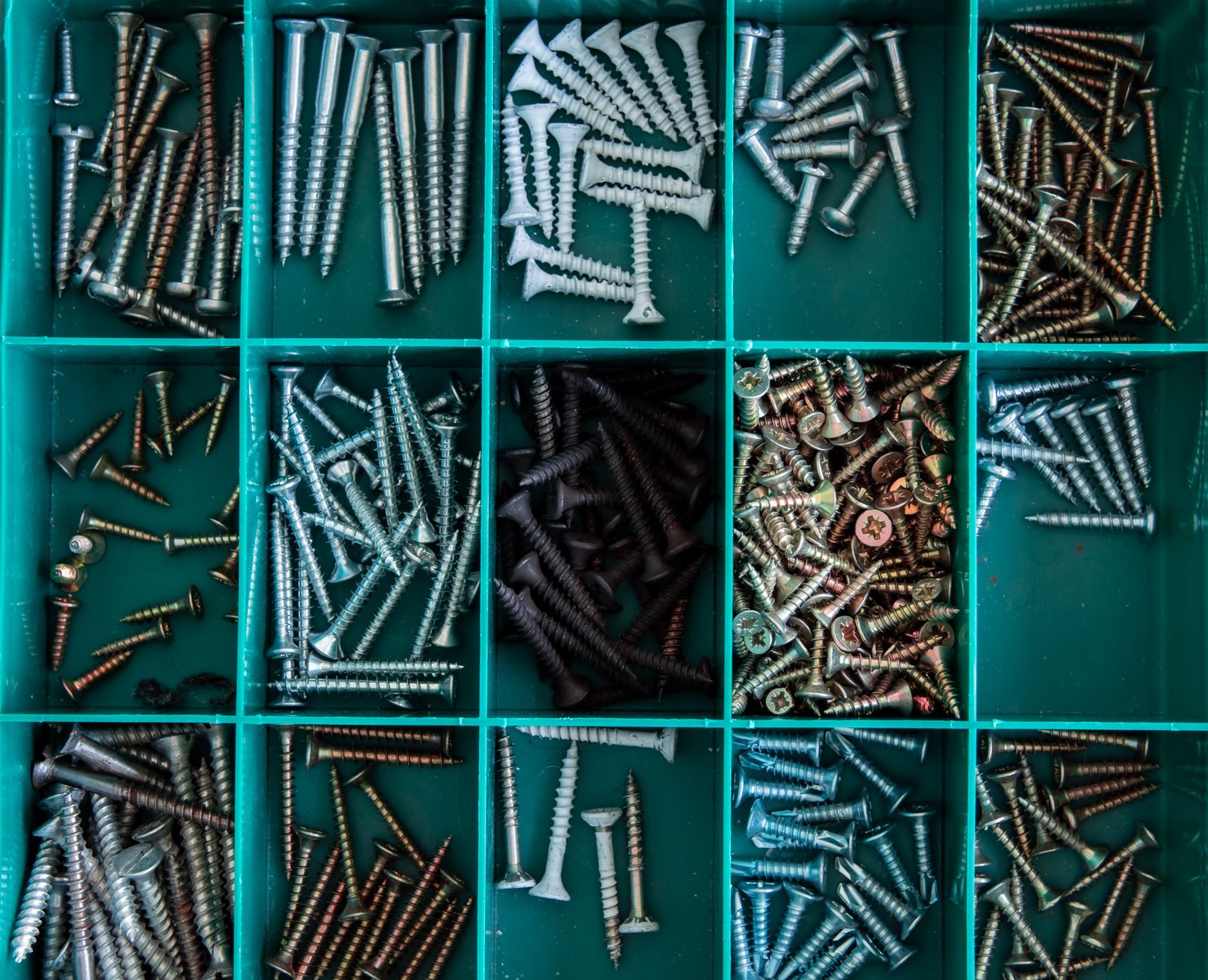
Keep a modest supply of common picture hooks, wall anchors appropriate to your walls, screws, felt pads, furniture glides, and zip ties. Tiny divided boxes are useful because they prevent one category from taking over.
Do not turn the station into a tool chest
Full-size tools, paint, chemicals, and project leftovers should live elsewhere. The maintenance station is for quick household fixes, not every object that could theoretically repair something.
Label by task
Labels such as “Batteries,” “Bulbs,” “Hanging,” “Furniture Pads,” and “Small Electrical” are easier to use than hyper-specific inventories. A family member should be able to return an item without studying your system. For the broader setup, How to Organize Family Photos and Printed Keepsakes in a Small Home is a useful next read.
Track only what is easy to run out of
You probably do not need an inventory app. Put a small reorder card inside the battery or bulb bin, or add an item to the household shopping list when you take the last spare.
Make the flashlight part of the station
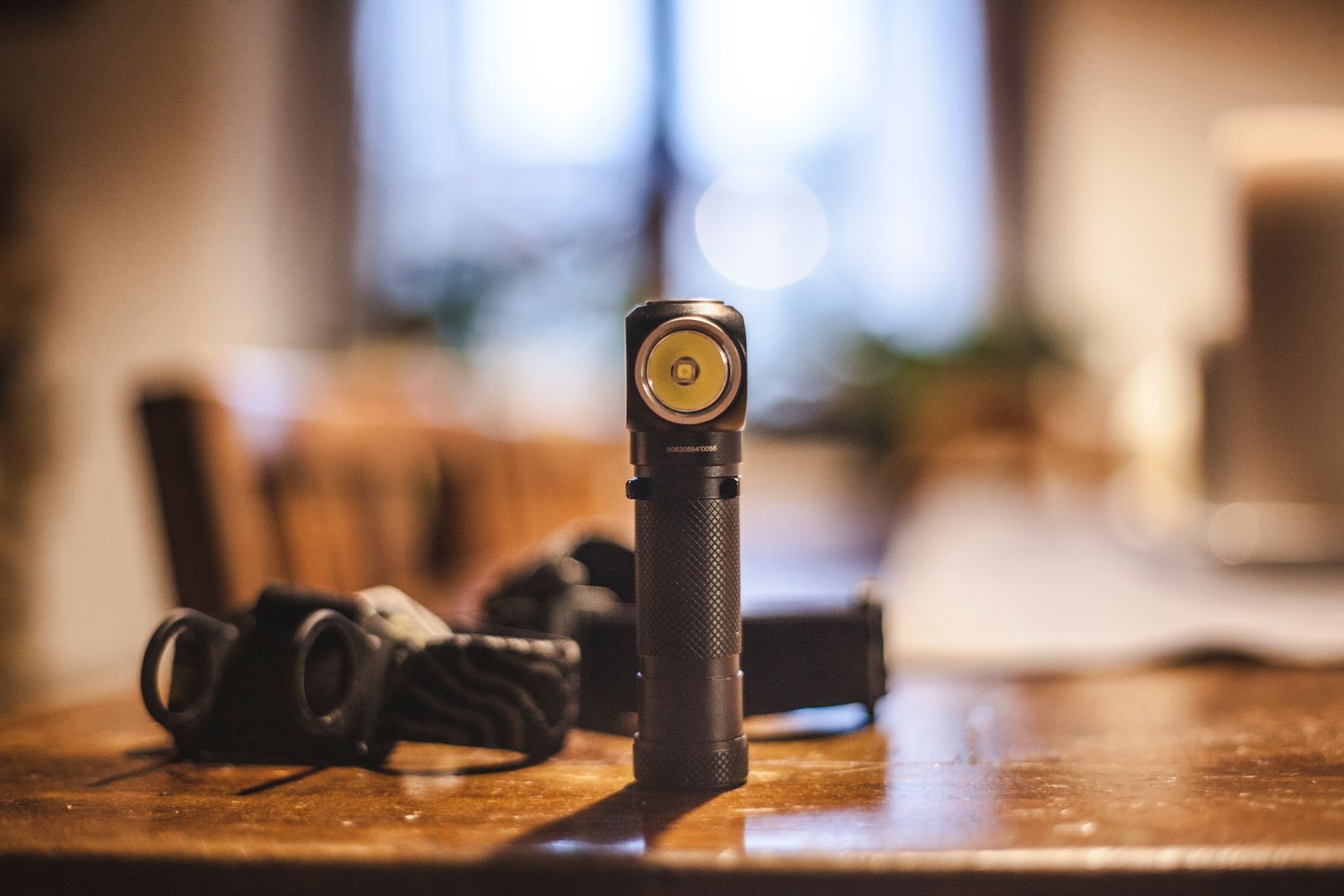
Store at least one working flashlight where adults can reach it quickly. Check it during the same seasonal review as batteries. Do not rely on a flashlight buried under the batteries it needs.
Use a strict capacity rule
One container per category is enough. If the bulb bin is full, use what you have before buying more. Capacity limits stop “just in case” supplies from becoming permanent clutter.
Continue with Home Organization
Browse Home Organization for more storage systems. Keep Closets & Storage as Room metadata until its verified hub URL is registered.
My conclusion
Small maintenance supplies work best as a controlled kit, not a miscellaneous drawer: dry location, battery separation, protected bulbs, a tiny hardware set, simple labels, and a fixed capacity.