A seasonal closet switch can make a small home feel worse before it feels better.
Everything comes out at once. Winter clothes cover the bed. Summer clothes sit in bins. Shoes line the floor. By the middle of the project, nobody can sleep or use the room. For a related step-by-step approach, see How to Store Extra Bedding in a Small Home With No Linen Closet.
A better method is to rotate one category at a time.
Start with a transition window
Do not switch the entire wardrobe on the first warm or cold day. Keep a small set of cross-season layers available until the weather genuinely changes. For a related step-by-step approach, see How to Build a Portable Cleaning Caddy for a Small Home.

Rotate one category at a time
Start with coats, then sweaters, then shorts, then shoes—or whatever sequence fits your climate. Finish one category before opening the next bin. For a related step-by-step approach, see How to Organize a Small Hall Closet for Coats, Shoes, Bags, and Family Gear.
Edit outgoing clothes before storage
Do not pack damaged, uncomfortable, or never-worn items just because the season ended.
Clean clothing before long storage as appropriate
Follow garment care instructions before storing seasonal clothing for months.
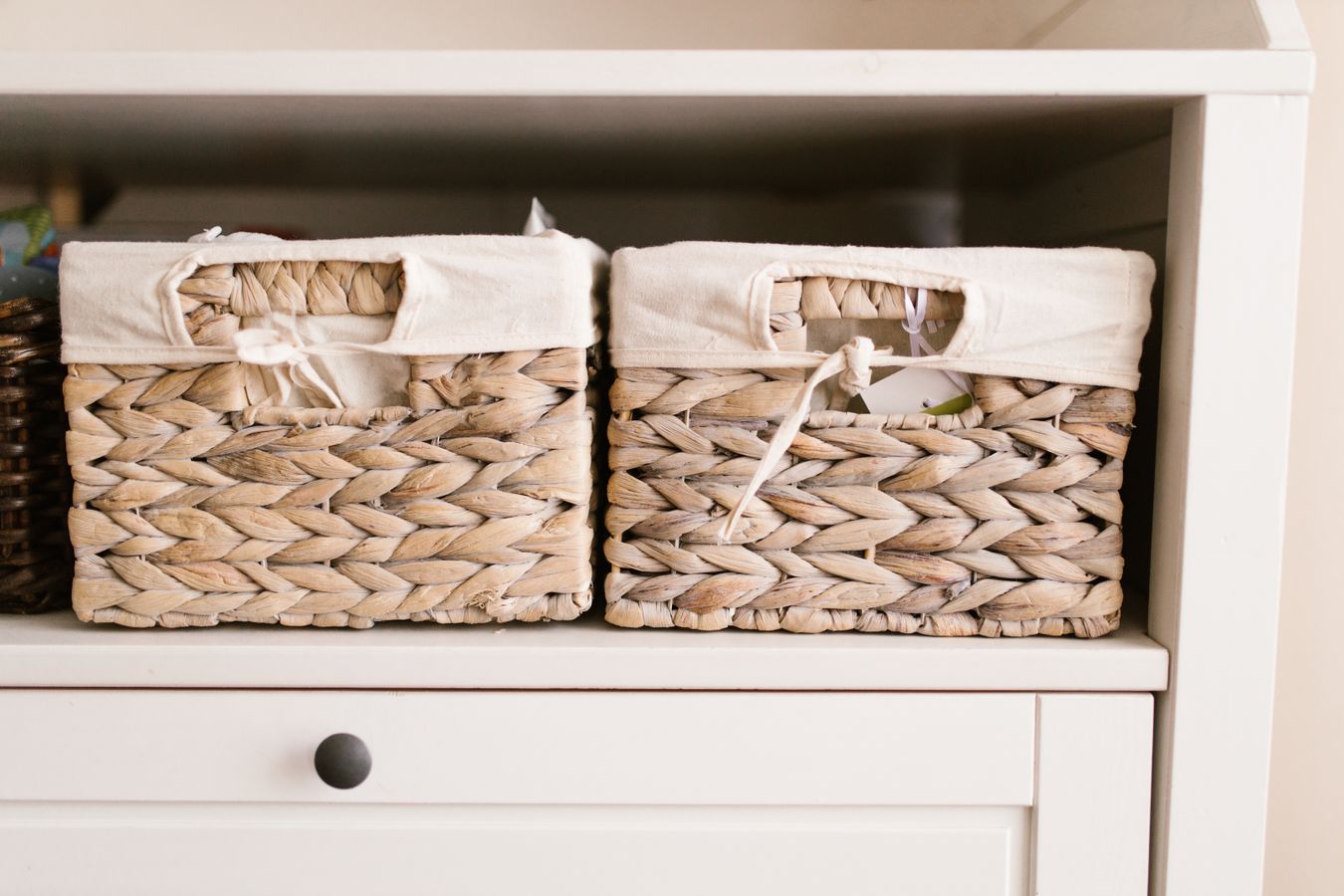
Use the same containers every season
Stable containers create a capacity limit. If the winter bin no longer closes, edit before adding another.
Label by category and season
“Winter sweaters + thermals” is easier to retrieve than “clothes.”
Bring incoming clothes directly into active storage
Do not leave the new season in a temporary basket. Move it into drawers and closets as the outgoing category leaves.
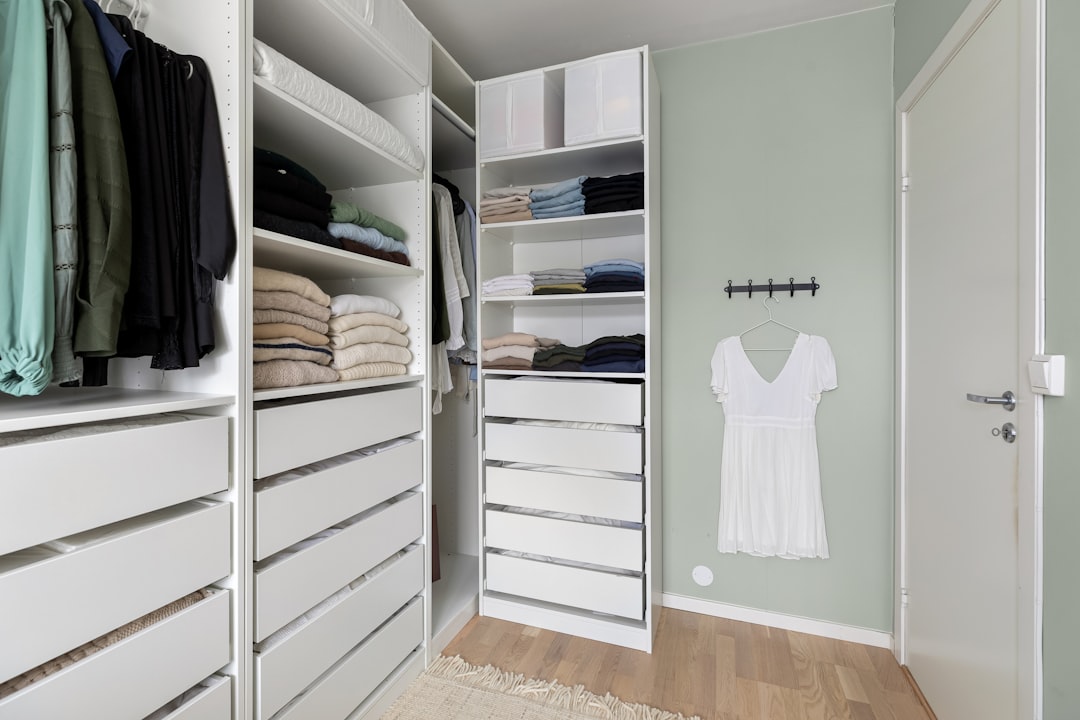
Keep transition pieces in one mini-zone
Light jacket, cardigan, rain layer, and a few mixed-weather pieces can stay accessible while the rest rotates.
Do shoes separately
Shoes consume more volume and may need care before storage. Keep current footwear near daily life and move true off-season pairs out.
The 30-minute category switch
- pull one outgoing category,
- edit it,
- prepare it for storage,
- bring in the matching incoming category,
- put it away,
- close and label the container.
Connect it to seasonal storage
Use How to Store Seasonal Items in a Small Apartment Without Losing Everyday Space.
Frequently asked questions
Do I need to switch everything seasonally?
No. Only rotate categories that genuinely become inactive.
What if weather changes back?
Keep a small transition zone until the season stabilizes.
How do I stop seasonal bins multiplying?
Reuse fixed containers and edit outgoing clothes before storage.
Seasonal rotation should shrink the closet, not explode the bedroom
Work in small category-sized loops, keep transition clothes accessible, and let fixed containers control how much comes back next year. For a related step-by-step approach, see How to Manage Hand-Me-Down Kids’ Clothes Between Siblings Without Storing Too Much.