
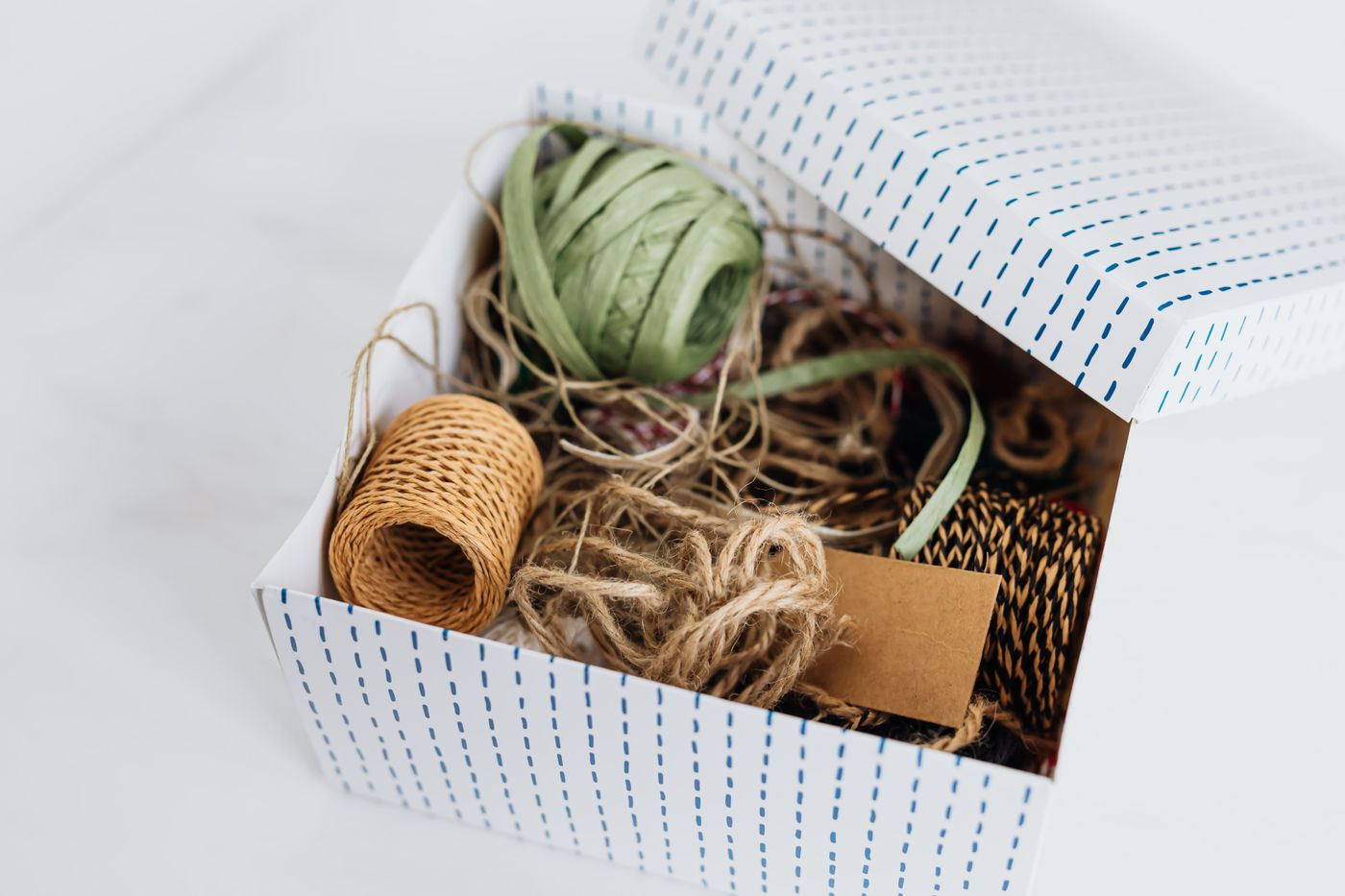
The awkward part of reusing gift ribbon is often discovering whether a saved length will go around the next package. A deep box of attractive offcuts can hide several pieces that are too short, while the suitable one sits underneath them. Organize ribbon around the measurement needed for a real wrapping decision, rather than around color alone.
Etsy’s fall and winter 2026 seller report gives seasonal context for personal, handmade gifting. Reusing ribbon is our household application of that context. This is a retrieval method for the lengths already in your home, not a recommendation to buy more wrapping supplies for a trend.
Identify what can actually be reused
Gather the ribbon from its current storage without pulling apart decorative pieces you still use. Separate working spools, loose cut lengths, finished bows, and materials whose identity or condition needs checking. A wired ribbon, a soft fabric tie, and a glued ornamented bow may have different handling requirements. Keep any useful manufacturer care or construction information with the relevant item.
Look for obvious damage before measuring. A crushed edge, pulled strand, transferred adhesive, or weakened section can change what the ribbon will do on a parcel. Do not hide an unusable section inside a roll and count its length toward the next gift. Decide whether the sound portion has a realistic purpose or whether it belongs outside the reusable collection.
Define the wrapping job before the categories
Think about the ways your household actually uses ribbon. Tying a small tag, making a bow on a box, and wrapping around a parcel in two directions consume different lengths. Avoid choosing universal short, medium, and long categories from somebody else’s container labels. The useful thresholds depend on your common packages and how you tie them.
Take one empty box you often reuse and try the intended wrapping route with an existing suitable ribbon. Leave enough material for the tie or bow you actually make. Record that sample requirement if it helps, making clear which box and arrangement it represents. It is a household example, not a promise that every ribbon of that nominal length will behave identically.
Measure loose lengths once, accurately enough to retrieve them
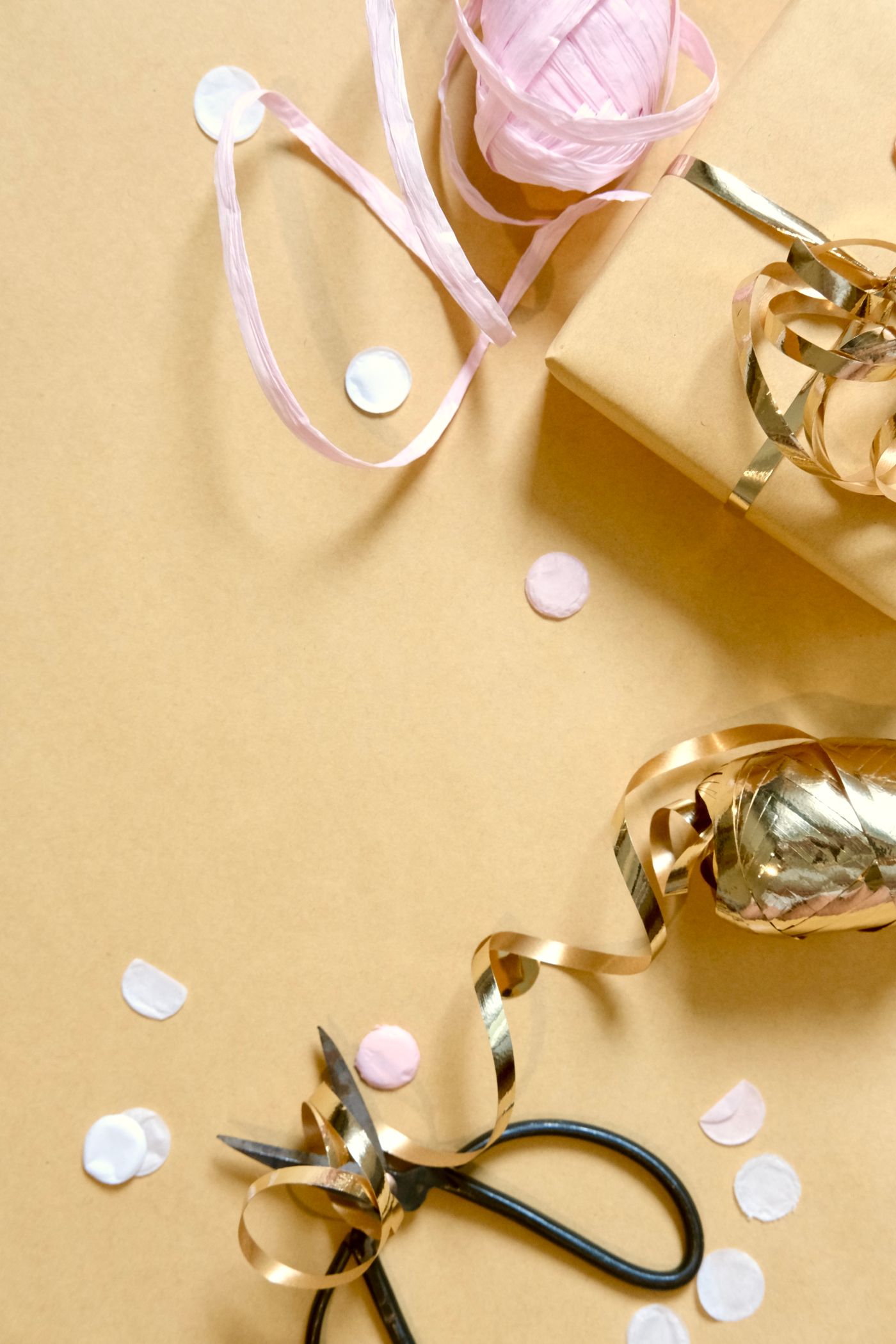
Lay a usable cut length along a suitable measuring tool without stretching it. If it has a damaged end that you intend to remove, measure the usable portion rather than the original overall piece. Keep the number and unit together. A note that says 30 without identifying inches or centimeters introduces a problem that did not exist before organizing.
Attach the information in a way suited to the ribbon’s finish. A separate card or a label on its storage sleeve can avoid placing adhesive directly on a delicate surface. Do not tighten a band so much that it leaves a permanent crease. If the piece has wire or embellishments, keep those characteristics visible in its description as well as its color.
The method follows the same practical idea as sorting fabric offcuts by usable shape: the remaining useful material matters more than the original package size. An attractive fragment does not become a full wrapping length because it has been stored carefully.
Roll, fold, or keep flat according to the piece
There is no single best shape for every ribbon. A supple length may tolerate a loose roll; a structured or decorated piece may need a different arrangement. Follow its care information and avoid imposing a tight fold simply to fit a narrow divider. Test an inconspicuous part only when the material and its instructions permit doing so.
For a loose roll, keep the measurement card with that particular length instead of with the group’s lid. Otherwise the record can migrate when someone takes two ribbons out together. Store matching pieces as separate measured lengths unless they are truly joined. Two short pieces do not provide the same uninterrupted wrap as one longer piece, even if their total measurement looks sufficient.
Treat working spools differently
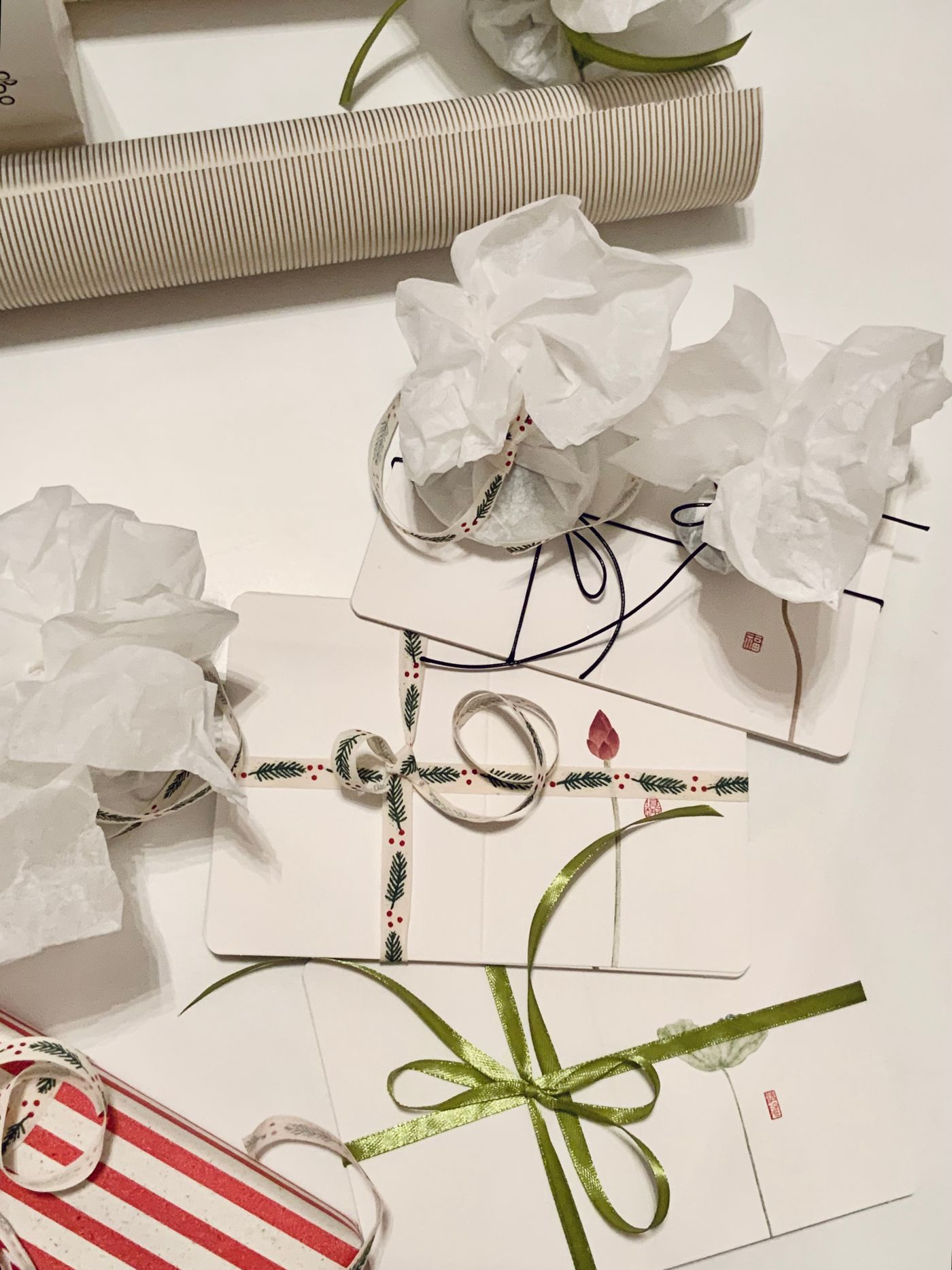
A spool generally does not need to be unwound completely to enter this system. Preserve its original label, material information, and usable end. If you know the remaining quantity from reliable purchase and use records, keep that note; otherwise mark the amount as uncertain. Guessing a precise remaining length can create a false sense that a multi-gift project is covered.
When planning several matching gifts, check the actual available material before committing to the design. Start with one completed example and the required number of parcels. If the spool’s remaining amount cannot be verified without unreasonable effort, choose a design that tolerates variation or reserve that ribbon for one gift. Reuse should not require an inventory exercise larger than the wrapping itself.
Build retrieval around length first, then appearance
Put loose lengths where their measurement can be read without releasing every roll. Within the categories your household needs, color or style can be a secondary choice. This lets someone answer will it fit before choosing a decorative match. It also reduces the temptation to stretch, splice, or repeatedly knot an unsuitable piece simply because it looks right.
Keep a small, clearly limited place for tag ties or other short useful pieces. Do not create a category called someday for every tiny remnant. Use the storage capacity you have deliberately allowed as a stopping point. When the collection is full, reassess the least useful lengths rather than automatically assigning another dining-room drawer to wrapping materials.
Share the system without a complicated index
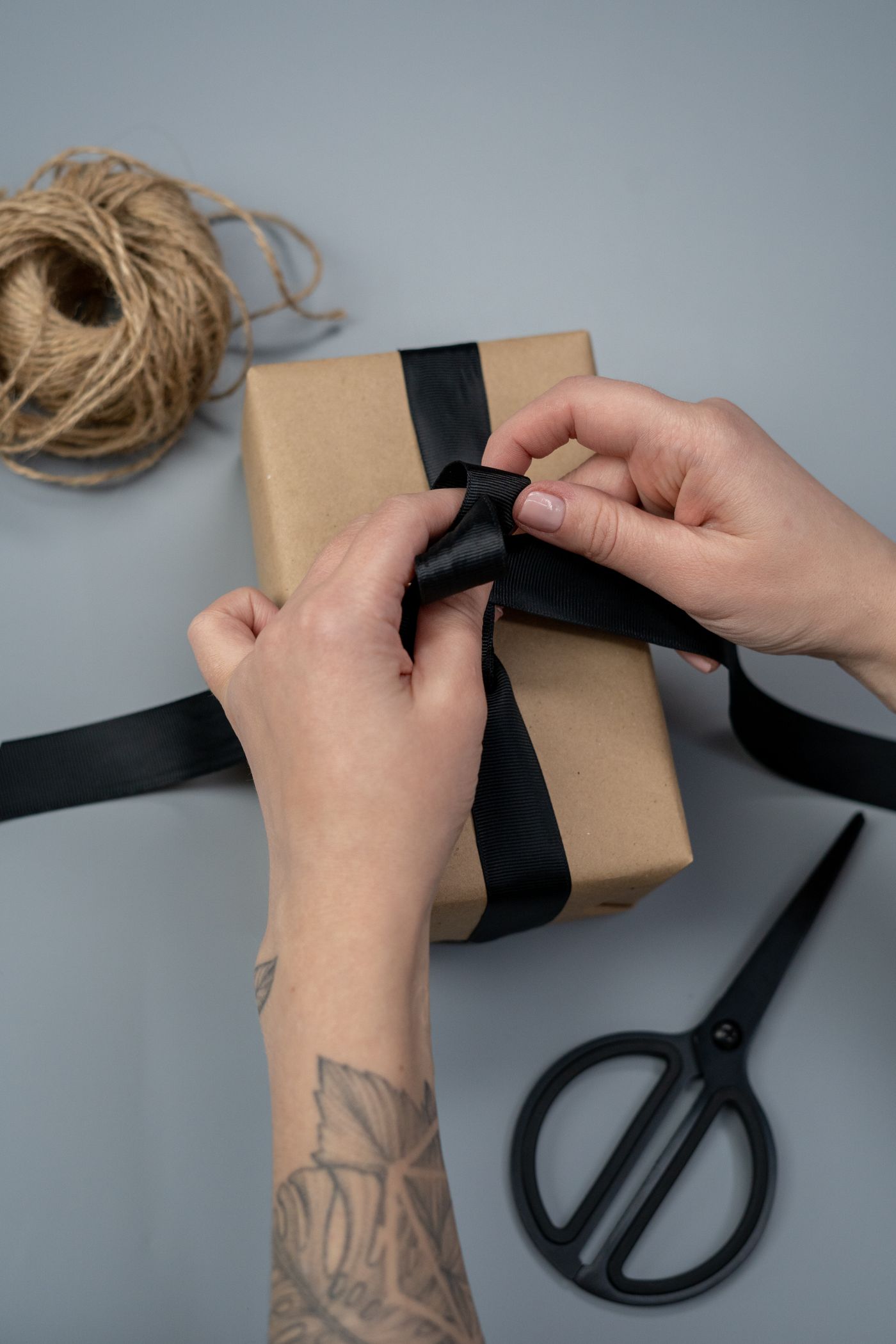
A person wrapping one gift should be able to understand the arrangement without opening a spreadsheet. The measurement and a brief material note are often enough. If a child helps, an adult can choose suitable tools and materials and explain the package route. Ribbon and small decorative parts should be kept appropriately for the people and pets in the home.
Keep the wrapping session separate from everyday table storage. Bring out the selected materials, complete the work, and return the remainder. If you also save reusable cloths, the family fabric-wrapping activity covers a different wrapping technique. Do not count a cloth and a ribbon as interchangeable supplies unless the actual design calls for them.
Update only what changed after a gift
If you cut from a measured loose length, replace its old record with the usable remainder. Do this while the measuring tool is already available rather than leaving the old number attached. If the remaining piece no longer serves an intended wrapping job, move it to a genuine short-piece purpose or let it leave the collection.

Keep table linens out of this ribbon box. They deserve their own fit and care information, as in storing tablecloths and runners by the table they serve. Separate records prevent a dining cupboard from turning into a mixed pile of everything associated with celebrations. Each object should be retrievable for its actual job.
At the next wrapping session, select a package, read a suitable length, and try the intended tie. If that takes only one or two choices, the system is doing enough. The goal is not perfectly matching ribbon rolls. It is reusing the material you already own without repeatedly discovering that the chosen piece cannot complete the gift.
Explore related decisions in our Home Organization hub.
Sources and editorial scope
Editorial research checked October 23, 2026. Published trend reports are context for these editorial applications, not verified live keyword rankings. Practical household guidance; photographs do not document a tested household or authenticate pictured materials.
