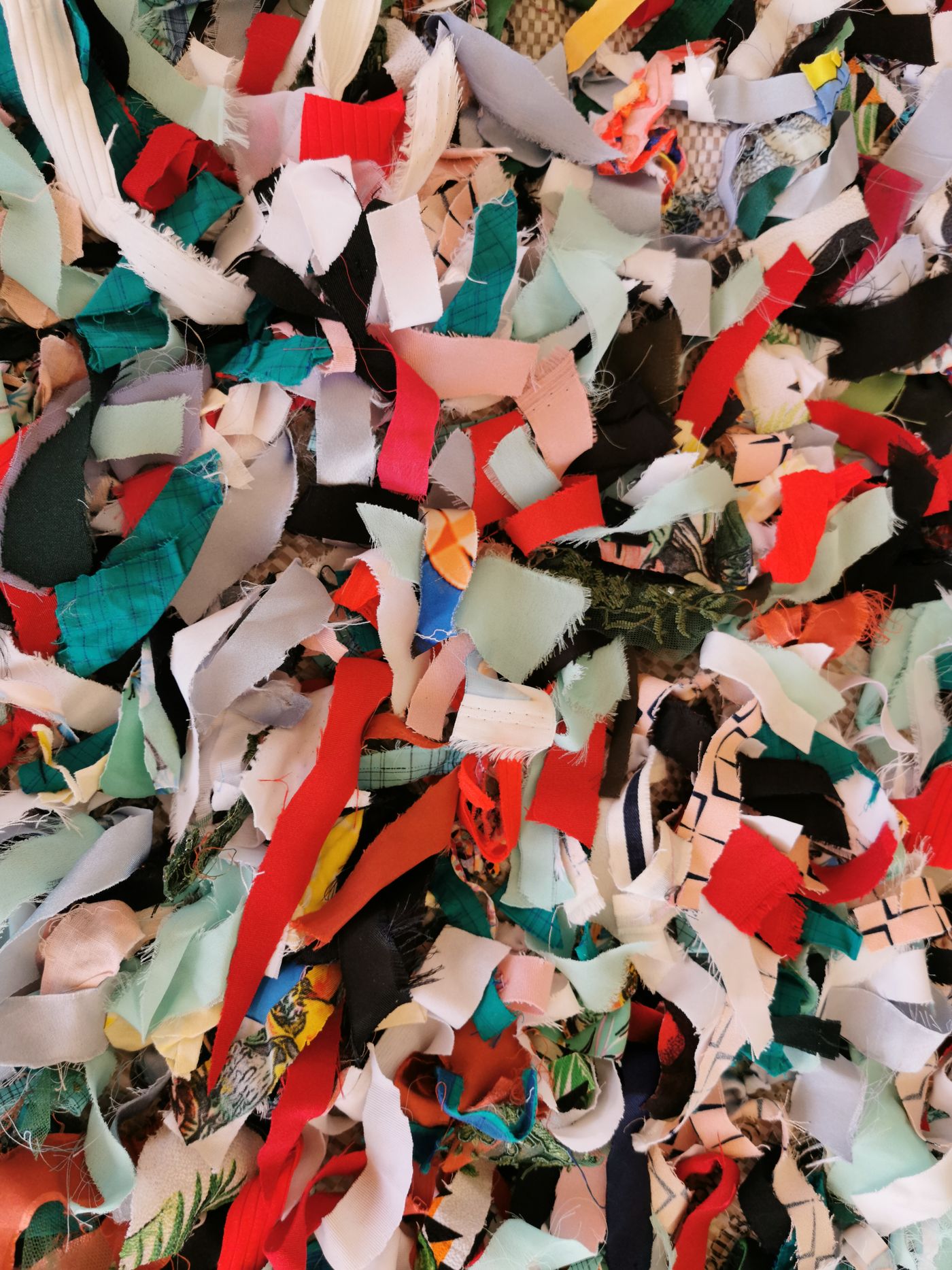
Fabric offcuts become difficult to use when every remnant is treated as the same kind of supply. A long narrow strip, a square with a missing corner, and a short piece of stretch fabric may share a color but suit very different projects. Sorting them only into attractive color stacks can hide the pieces that would actually work.
Start with usable shape, then separate materials that cannot reasonably be handled together. Keep enough identifying information to make an informed choice, choose a storage limit, and give the smallest leftovers an honest exit. The aim is a modest supply that can produce another project without requiring an afternoon of excavation.
Etsy’s October 14, 2026 seasonal report highlights visible handwork and making together. Using existing offcuts is one practical response to that direction. It does not mean every saved scrap has a future job, or that a large remnant collection is necessary for a handmade home.
Empty one manageable container onto a clear surface
Choose a small batch you can finish sorting and return before the surface is needed again. Keep unfinished garments and active project pieces out of the general scrap pile. A piece cut for a specific pattern may look like an offcut while still being essential to that project.
Remove pins, needles, blades, and other tools as you encounter them, returning them to their proper secure storage. Do not hand an unsorted bag to a child as ready-to-use craft material. Check for adhesive backing, fusible products, glitter finishes, and unknown residues before deciding how a remnant may be used.
The broader small-room storage test can help if the first instinct is to buy another set of boxes. Work out what is staying and how you will choose it before measuring a new container. The useful collection may be far smaller than the tangled bag suggests.
Sort by shapes that a real project needs
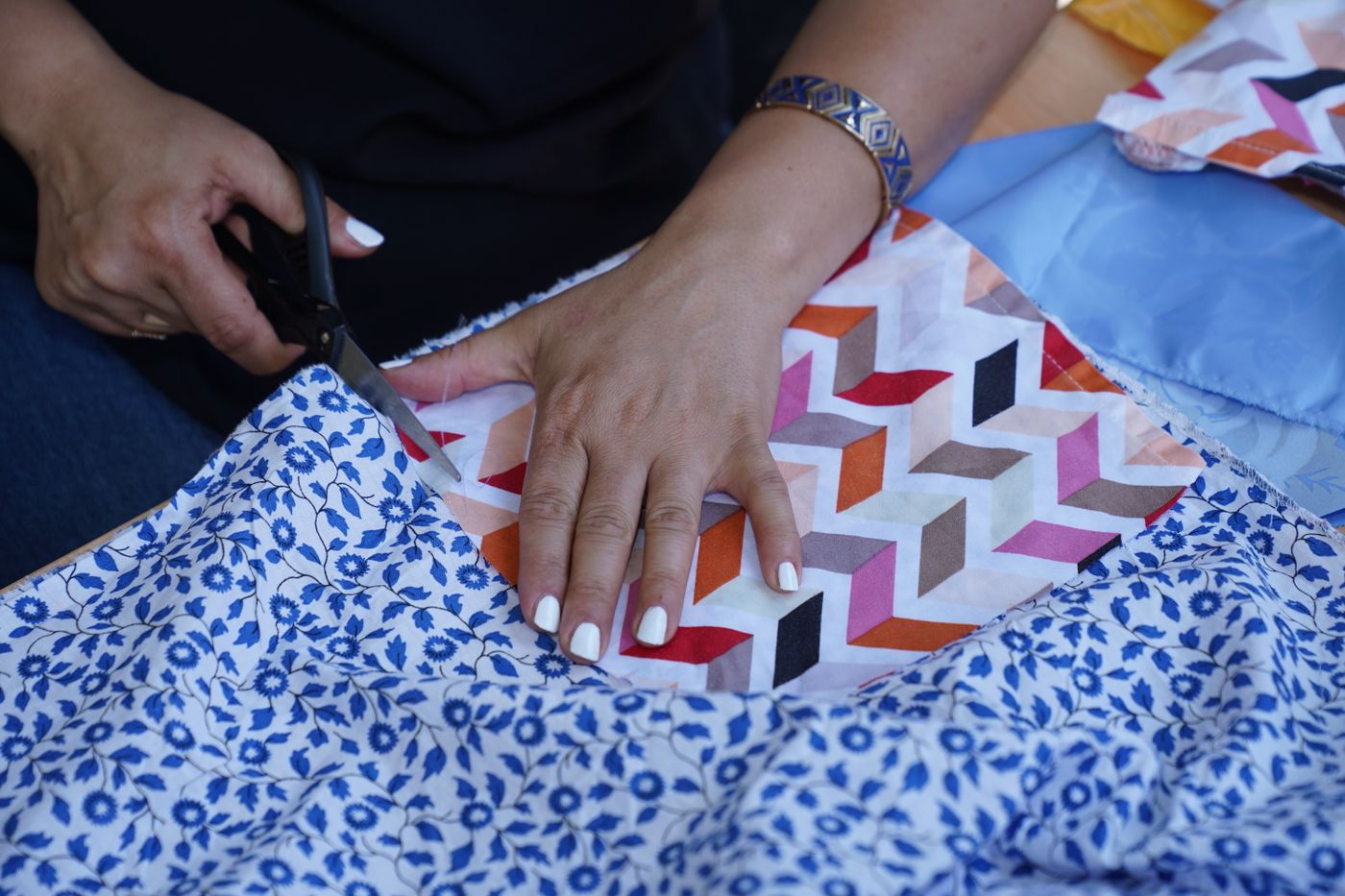
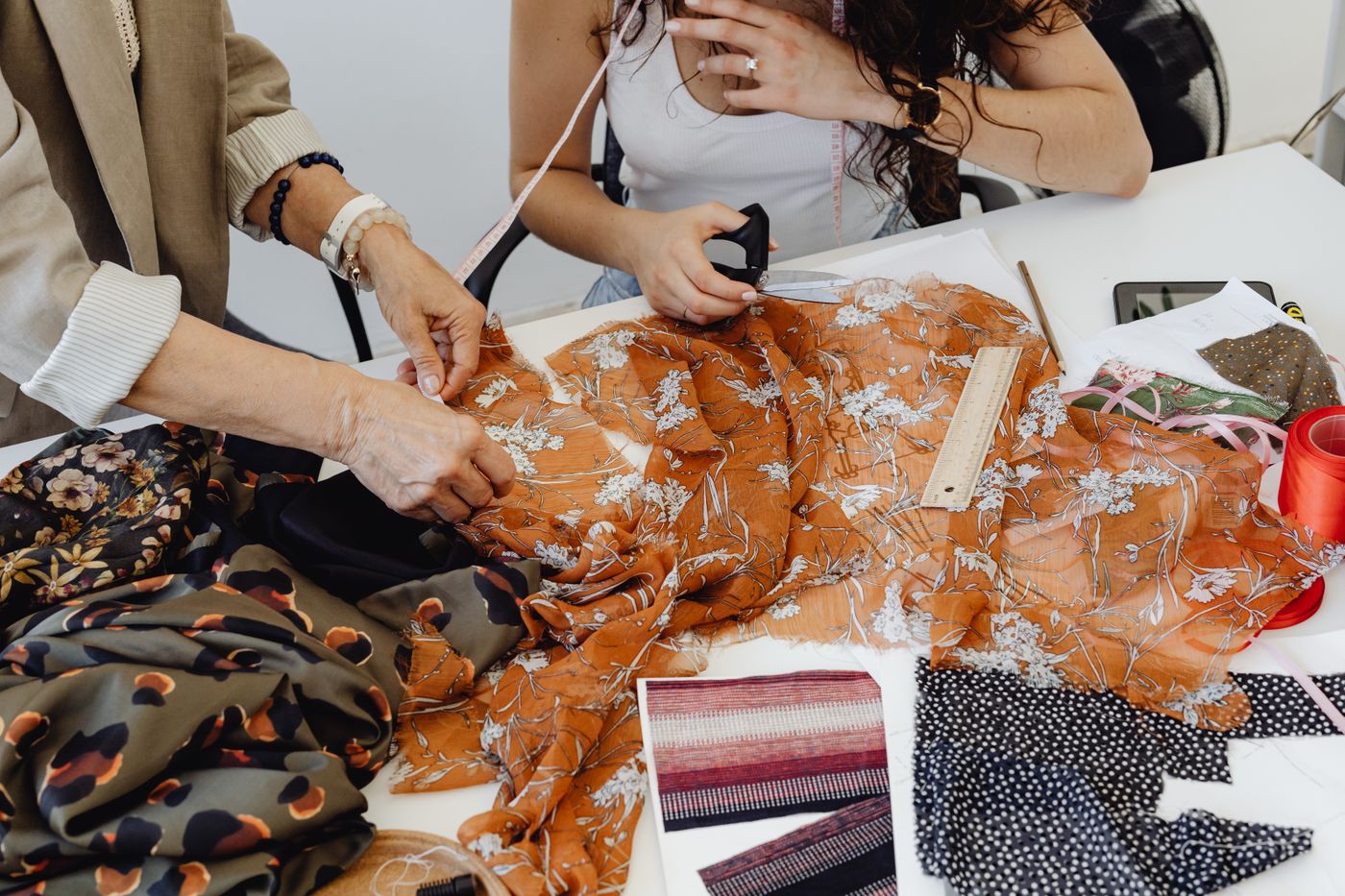
Make a few loose groups: broad pieces that can contain a complete template, strips that could serve a suitable narrow component, and smaller pieces intended for visible patchwork or collage. The exact dimensions should come from projects you actually make. An arbitrary universal “useful scrap size” can leave you saving material you will never use.
For a template-based project, check whether the entire required shape fits inside the usable fabric after allowing the pattern’s stated seam allowances and direction. The bounding rectangle is only a quick screen. A triangular bite or damaged section may still prevent the piece from working even when the outside measurements look generous.
Long strips deserve a separate position if you use them. Keep their full length visible or record it loosely on an accompanying note. Avoid cutting every strip to a standard size just to make the storage look consistent. You might turn a useful continuous piece into several pieces too short for the job.
Small irregular shapes can be useful for a specific decorative technique. Keep only the quantity that suits your actual practice and storage. “Could become something” is not the same as “belongs in my next three projects.” You can appreciate an interesting print without promising to preserve every fragment of it.
Keep construction and care information beside the fabric
Retain original fiber, care, and product information when available. Record uncertainty plainly when it is not. Similar color or hand feel does not establish matching fiber content, shrinkage, stretch, pressing requirements, or suitability for a child’s item. Do not substitute a guess for the information a project requires.
Separate noticeably different stretch behavior and substantial differences in thickness before combining scraps for a project. This is a planning screen rather than a technical compatibility test. Follow the pattern’s fabric requirements, and ask an experienced sewing professional when the intended combination falls outside them.
If a piece came from a previously worn garment, keep any useful care label information with the remnant. A decorative panel, lining, and outer garment can have different constructions. The fact that they once belonged to the same shirt does not make every part interchangeable.
Save attractive details without losing the surrounding usable area
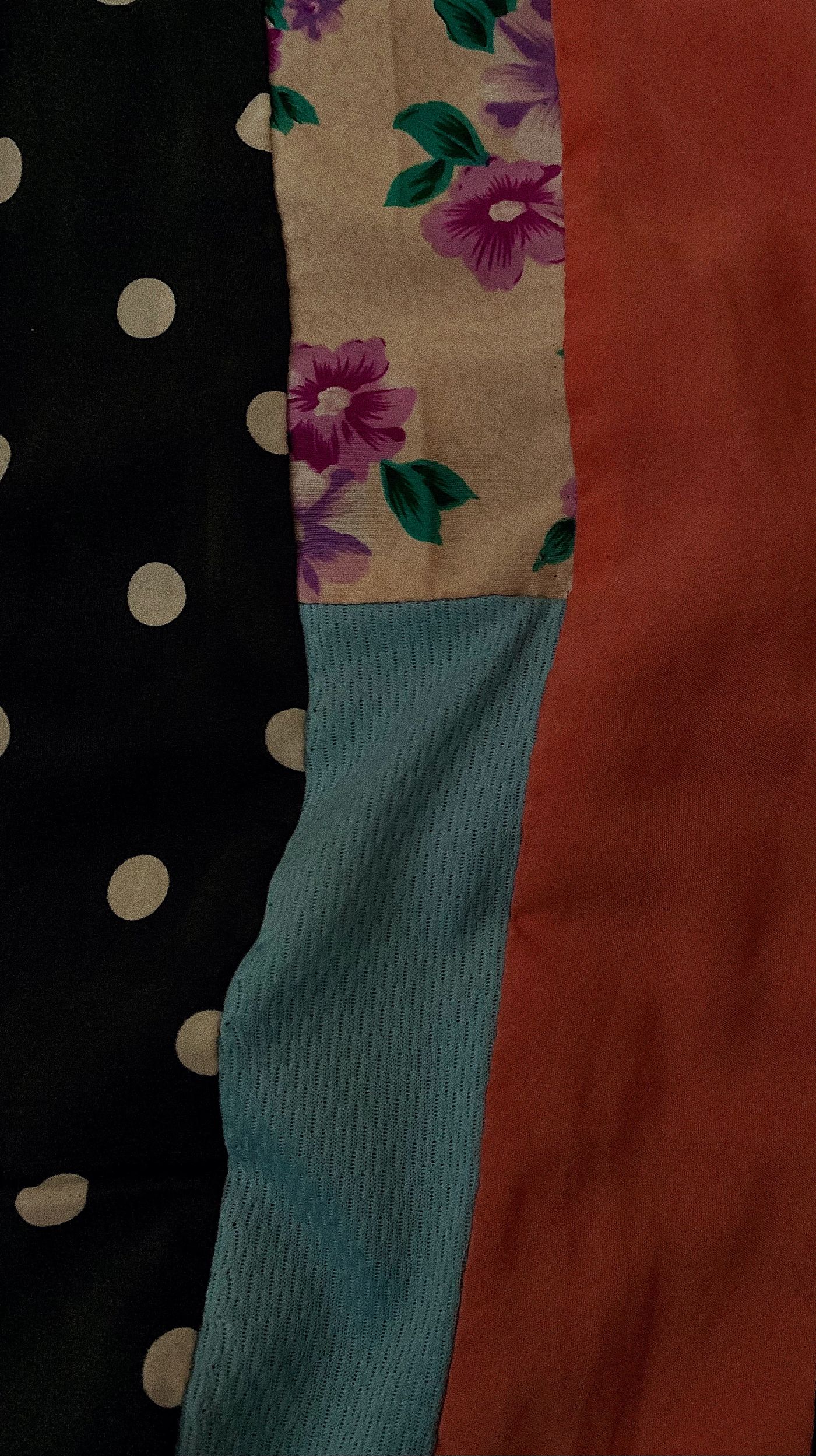
A pleasing flower, stripe junction, or embroidered corner may justify keeping a small piece. Mark the feature on a removable note instead of cutting tightly around it immediately. A future project might need more surrounding fabric than you expect, especially if the motif needs centering or an allowance.
For repeating prints, retain the direction and a view of the whole usable piece. If you fold it into a tiny stack with the motif hidden, you will have to reopen it every time. Fold gently in a way that reveals the characteristic print without forcing bulky layers into a crowded drawer.
Keep construction remnants separate from sentimental clothing. A treasured baby garment needs a deliberate keepsake decision before anyone removes a panel. The scrap container should not quietly become a place where personal items lose their identity or get cut without the owner’s agreement.
Give the collection a physical limit that you can maintain
Choose one accessible shelf section or existing container, with simple internal separation. The container-limit approach works well here because it forces a decision about quantity. A broad-pieces section and a small-pieces envelope may be enough; dozens of color drawers can create more sorting than the projects justify.
Place the pieces you are most likely to use where they are easy to inspect. Follow the prime storage principle instead of giving the best shelf to rarely used remnants because their stack looks prettier. Heavy materials should not compress or distort delicate pieces below them.
Do not store damp or soiled textiles as if they are ready supplies. Resolve their care according to known instructions before they enter the usable collection. Keep clean fabric away from liquids, strong household products, and active tools that could snag it. Reusing a clean, suitable container is more useful than an ornamental basket that catches every edge.

Pull a project selection without emptying the entire shelf
Begin with the project’s actual piece requirements. Check your broad remnants first when a whole template must fit, then look at smaller material for optional details. A decorative accent should not drive you to buy several larger supplies just to justify using a tiny saved print.
Set the selected pieces together and return the rest immediately. Keep any identified care or material information with the working set. If cutting changes a large remnant into a smaller shape, reassess it before it returns to storage. Repeatedly folding a now-useless piece back into the broad-fabric section makes future selection harder.
An illustrative example is a simple fabric flag project using a pattern you already know. Broad remnants might supply complete flags; some strips may be too narrow; tiny decorative pieces may have no role. The useful outcome is choosing the appropriate fabric without inventing additional tasks for every leftover.
Decide what happens to pieces you cannot use
Ask a local group whether it accepts the specific materials and sizes you have before making a donation parcel. Organizations may have limited storage, project requirements, or restrictions on unknown fibers and adhesive-backed material. A clear description is more helpful than delivering a bag labeled “craft supplies.”
For pieces with no realistic use, follow local textile or waste guidance appropriate to their construction and condition. Do not claim that all scraps are recyclable or compostable. Mixed fibers, finishes, and attached components can change the answer, and very small pieces may not meet a program’s requirements.
Revisit the collection when you finish a project rather than on an elaborate schedule. Return only remnants that still meet your chosen shape, information, and capacity rules. The storage earns its place when it helps you find suitable material for work you enjoy, without turning every finished project into a larger pile of obligations.
Explore related household decisions in our Home Organization hub.
Sources and editorial scope
Editorial research checked October 16, 2026. Trend-report dates and limitations are stated in the article; these are editorial applications of published signals, not verified October keyword rankings. Practical household guidance; illustrations do not document a tested household or authenticate a pictured material.