Most homes are organized by category first: dishes go in kitchen cabinets, shoes go in the entry, towels go in the bathroom, documents go in a file. That is necessary, but it is not enough. For a related step-by-step approach, see The Small-Home Storage Audit: 12 Places That Look Organized but Waste Space.
Within every room, some storage locations are dramatically easier to use than others. The top drawer opens with one hand. The shelf at eye level is visible without bending. The hook beside the door catches a bag naturally. The cabinet above the refrigerator exists, but using it is an event. For a related step-by-step approach, see Clear Bins vs. Opaque Baskets: Which Storage Works Better in a Small Home?.
I call the easiest locations prime storage. In a small home, prime storage should be assigned deliberately because there is never enough of it for everything.
Prime storage is a convenience budget
Think of every easy-reach shelf, front drawer, hook, and shallow cabinet as a limited budget. If you spend that budget on rare-use items, everyday items pay the inconvenience cost.
This is why a beautiful serving bowl used twice a year should not automatically live in the easiest kitchen cabinet while lunch containers used five days a week are stacked in a deep corner.
The four questions that determine priority
I score an item or category on four factors:
- Frequency: how often is it used?
- Urgency: when it is needed, does delay create real friction?
- User: who needs to reach it?
- Effort: how physically awkward is retrieval?
The higher the combined score, the more convenient the storage should be.
Frequency: daily beats seasonal
This seems obvious, but many homes violate it. Holiday platters occupy eye-level shelves because they fit. Daily appliances remain on counters because the cabinet that could hold them is filled with low-frequency bakeware.
Move rare-use categories up, down, or farther away before adding new storage.
Urgency: some infrequent items still deserve good access
Frequency is not the only measure. A first-aid kit, emergency flashlight, pet leash, or school departure item may not be used constantly, but when needed, fast access matters.
Urgency can elevate a category into prime storage even when use is less frequent.
Kitchen example: assign by cooking rhythm
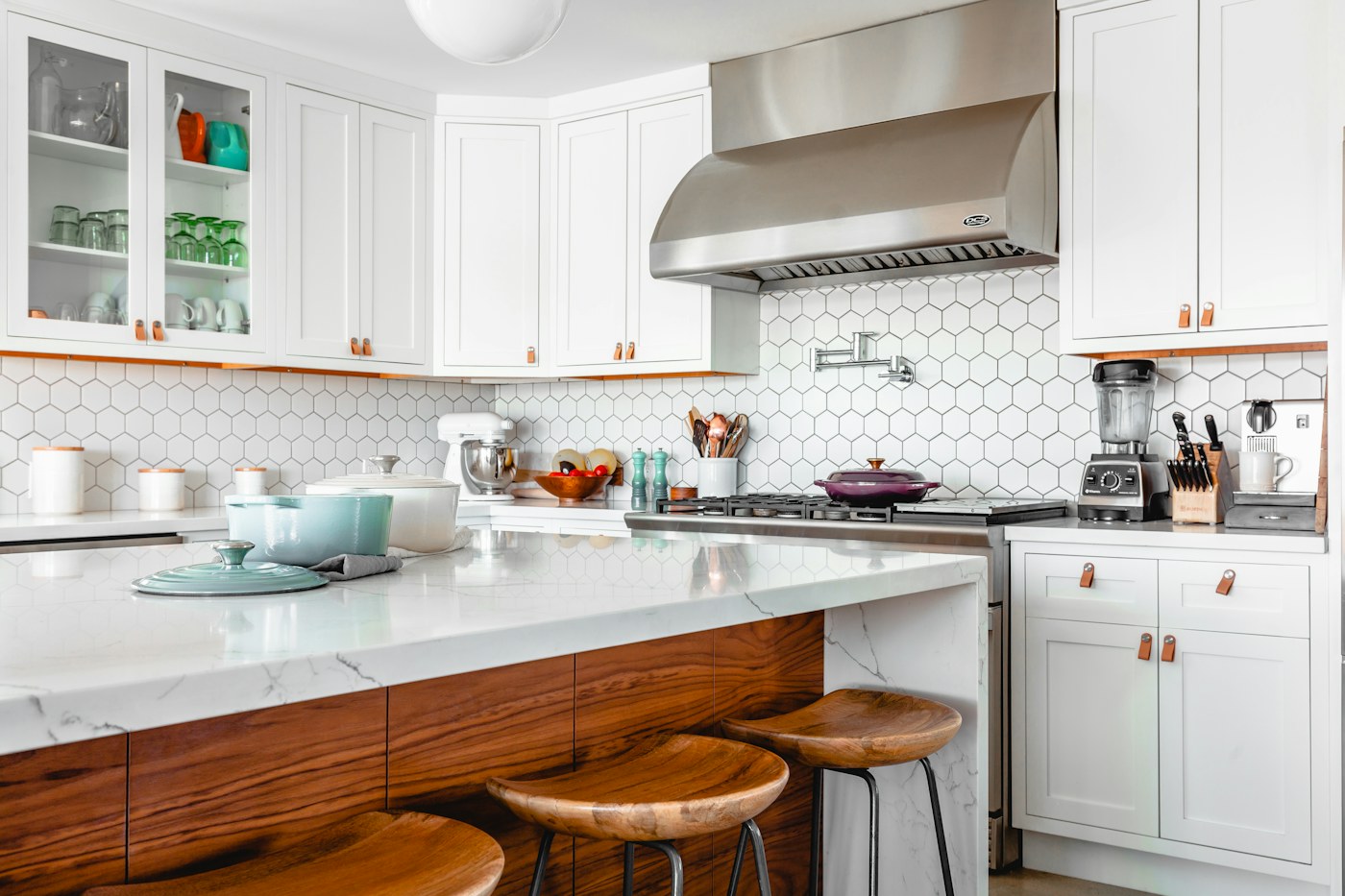
Prime kitchen drawers should contain the tools that support most meals. Daily dishes should be easier to reach than specialty serving pieces. Frequently used pantry foods should sit in front of low-frequency ingredients.
If your easiest cabinets are already full, the decluttering a small home when you do not know where to start framework helps identify whether oversized bins, deep stacks, or rare-use inventory are consuming the valuable zones.
Entryway example: urgency dominates
Keys, current bags, active shoes, umbrellas in season, and school items have deadlines. These categories deserve the easiest hooks and shelves because failure appears at the worst time—when someone is trying to leave.
The small entryway system works best when current departure items outrank backup accessories.
Bathroom example: routine sequence matters
The prime drawer should not necessarily hold all skincare together. It should hold the items used in the morning or evening routine most consistently.
Backup toiletries can move deeper or higher. Guest supplies can move out of the sink zone. Daily dental items deserve the shortest path.
Bedroom example: reduce morning friction
Daily underwear, socks, pajamas, work clothes, or frequently worn basics deserve the easiest drawers. Seasonal clothes can occupy the difficult drawer or upper closet shelf.
Do not give prime dresser space to sentimental clothing that is rarely worn simply because it belongs to the same category.
User matters: prime storage is not universal height
The most convenient shelf for an adult may be inaccessible to a child. A low bin can be prime storage for a preschooler and inconvenient for someone with limited bending mobility.
Design each zone around the person expected to maintain it.
This is why child-managed categories in a home organized so kids can put their own things away are placed at child height rather than adult eye level.

Effort matters: awkward objects need easier homes
A lightweight box can tolerate a high shelf more easily than a heavy appliance. A tall vacuum may need a vertical zone where it can slide out directly. Large cookware should not require lifting another heavy stack every night.
Prime storage reduces both distance and manipulation.
The three-zone model
Zone A: Prime
Daily or urgent categories. One-step access. Comfortable reach. Minimal unloading.
Zone B: Secondary
Weekly or monthly categories. Slightly less convenient but still straightforward.
Zone C: Archive
Seasonal, sentimental, backup, or rare-use categories. High shelves, deep storage, under-bed areas, or remote closets can work here. You may also find Laundry Storage Review: Shelves, Carts, Wall Racks, or Cabinets for a Small Home? useful for a closely related small-home problem.
Archive does not mean forgotten. These zones still need labels and review dates.
A practical scoring method
Give each category 0–2 points for each criterion:
- frequency,
- urgency,
- user access need,
- physical difficulty.
6–8 points: Zone A. 3–5: Zone B. 0–2: Zone C.
You do not need to literally score every sock. Use the method when storage decisions are contested.
What usually gets demoted
During an audit, I frequently move these categories out of prime storage:
- holiday dishes,
- duplicate toiletries,
- backup cleaning products,
- rare baking equipment,
- old cables,
- guest linens,
- out-of-season accessories.
What usually gets promoted
These categories often deserve easier homes:
- current school gear,
- daily lunch supplies,
- frequently used cookware,
- active medications stored appropriately,
- current laundry supplies,
- everyday shoes,
- high-use charging cables.
Prime storage should change with life
A baby arrives. A child starts school. Someone begins working from home. Winter comes. A parent recovers from injury. The best storage map changes.
Review prime zones when the household routine changes rather than waiting until the home feels overcrowded.
How Prime Storage exposes hidden disagreements
In shared homes, storage conflicts often sound like disagreements about tidiness but are really disagreements about priority. One person wants baking gear at eye level; another wants lunch containers there. One person wants the entry bench for shoes; another uses it for bags.
Instead of debating whose category “belongs” there, score both by frequency, urgency, user, and effort. The framework makes the trade-off visible.
Prime storage for routines, not just objects
Some of the best prime zones are built around sequences. A morning bathroom drawer can contain the items used in order. A lunch shelf can group the container, bottle, and snack supplies used each school day. A departure hook can hold the current bag and keys.
This reduces the number of locations the user must visit. Storage begins to behave like a workflow rather than a warehouse.
What should never be promoted just because it is expensive?
People sometimes give valuable objects valuable storage even when they are rarely used. Cost and sentimental value may justify protection, but they do not automatically justify prime access.
A fragile heirloom can be safely stored in a less convenient protected zone. A modest everyday pan may deserve the easiest cabinet because it is touched every night.
Use one empty prime zone as operational slack
If possible, do not fill every high-value shelf to the edge. One partly open drawer section or shelf can absorb temporary change: school projects, visiting relatives, a new health routine, or an incoming grocery category.
Operational slack prevents every life change from forcing a complete reorganization.
Re-score storage when the season changes
Prime storage is dynamic. In winter, gloves, hats, boots, and heavier bedding rise in priority. In summer, those same categories can move to secondary or archive zones while sunscreen, swim gear, and lighter linens move forward.
This seasonal re-ranking is more efficient than trying to give every season equal access all year.
Use Prime Storage to solve countertop clutter
Many counters become storage because the nearest cabinet space is occupied by lower-priority objects. Before buying countertop organizers, ask whether the daily appliance, coffee supplies, lunch gear, or cooking tools could be promoted into easier closed storage.
Sometimes the fastest way to clear a counter is not to organize the counter. It is to demote the objects occupying the cabinet that should have held the counter category. If you are working on the same space, How to Organize Family Photos and Printed Keepsakes in a Small Home covers the next decision in more detail.
Use Prime Storage to reduce duplicate purchases
When frequently used supplies are buried, people assume they are gone and buy replacements. Moving the active category into visible prime storage can reduce accidental duplicates because inventory is easier to assess.
This is especially useful for toiletries, pantry staples, school supplies, cleaning products, and batteries.
One warning: convenience can encourage overuse of space
Prime zones are valuable, so categories tend to expand once they receive them. A snack drawer, charging shelf, or bathroom drawer still needs a physical limit. Convenient storage should make a routine easier, not give the category unlimited permission to grow.
A fast household exercise
Walk through the home and identify the five storage locations everyone reaches most naturally. Then ask what currently occupies them. If those spaces are holding backups, sentimental items, or rarely used equipment while daily objects sit on counters and floors, you have found a priority mismatch.
Reassigning just those five zones can change the feel of the whole home without adding storage.
Explore this topic
Browse more practical guidance in the Home Organization hub. Room focus: Closets & Storage.
Related published guides
Expert conclusion
Small-home organization becomes easier when you stop treating all storage as equally valuable. Some shelves are worth more because they save time and effort every day.
Reserve those locations for high-frequency, urgent, user-sensitive, or physically awkward categories. Let rare-use items absorb the inconvenience instead.
Prime storage is not about squeezing more into the house. It is about making the best parts of the existing house work for the things that matter most often.