
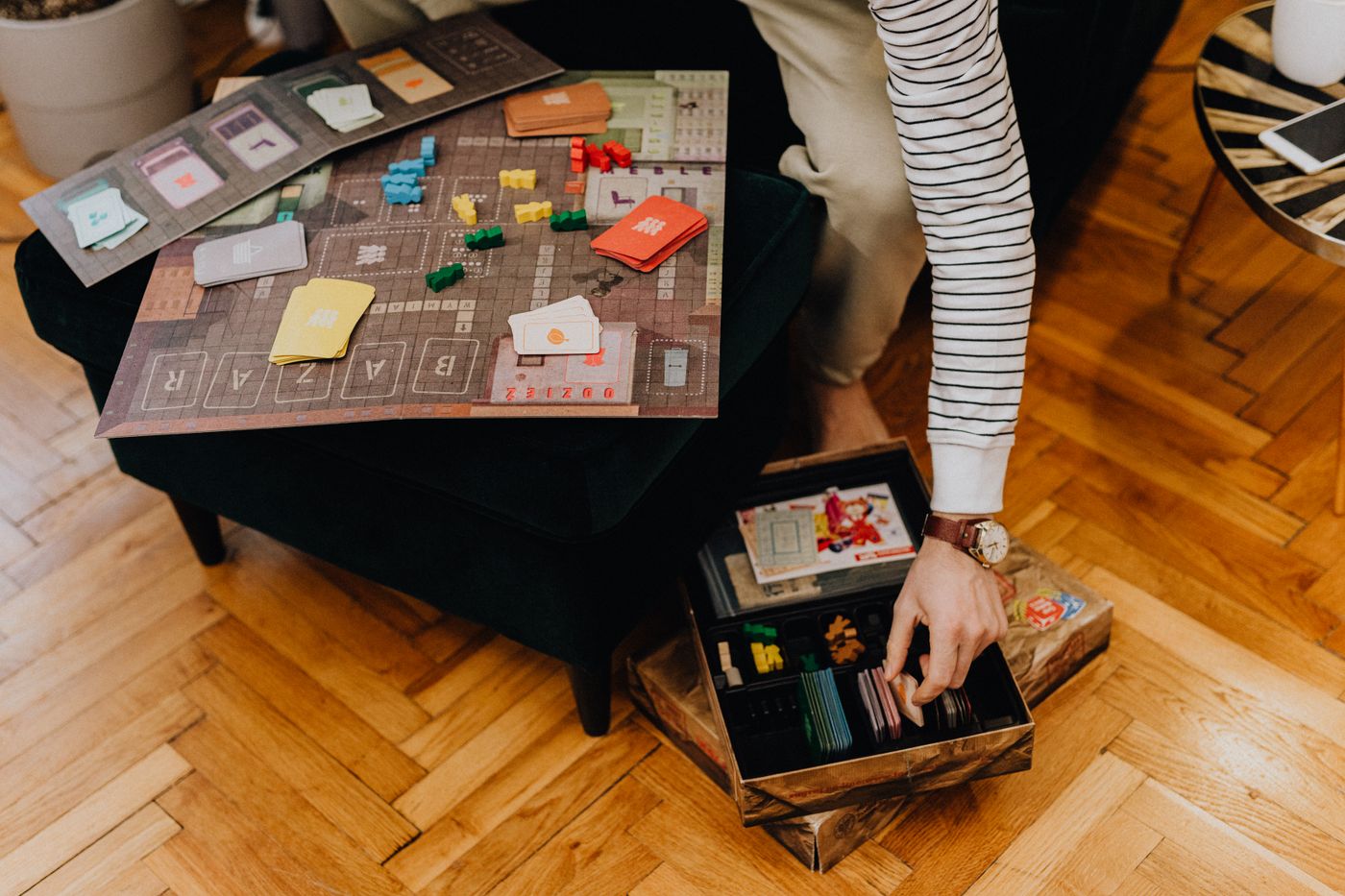
A board-game expansion becomes frustrating when its pieces are mixed into the base game before anyone knows which rules require them. A small token may be necessary for one module and irrelevant to the next session. Organize expansions around compatibility and the version you intend to play, so a simple game night can remain simple.
Etsy’s fall and winter 2026 report gives context for shared time and personal household traditions. This guide applies that interest to games already in the home. It does not claim that the pictured games are expansions or that similar-looking components from different editions are interchangeable.
Identify the base game and the exact expansion
Start with the title, publisher, edition, and language information printed on the actual boxes and instructions. Preserve any compatibility statement supplied with the expansion. A familiar game name can appear on several editions whose components or rules differ, so a visual match between two boxes is not a complete compatibility check.
If the expansion requires the base game, record which one it needs. If it also requires another expansion or particular component, keep that requirement visible. Do not infer compatibility from a retailer’s broad category name. Use the publisher’s information for the exact products and keep unresolved questions separate from the ready-to-play group.
Keep the base game playable on its own
Before reorganizing, identify what belongs to the base set using its supplied contents list. Keep those pieces retrievable as a complete group. If the original insert still works, there may be no reason to dismantle it. An attractive combined storage solution is less useful when it makes the basic game difficult to set up.
Consider a familiar household case: some people want a short base-game session while others occasionally add an optional module. The storage should support both without requiring a full sort every time. Keep the ordinary base setup easy to retrieve, with optional material clearly associated but distinguishable.
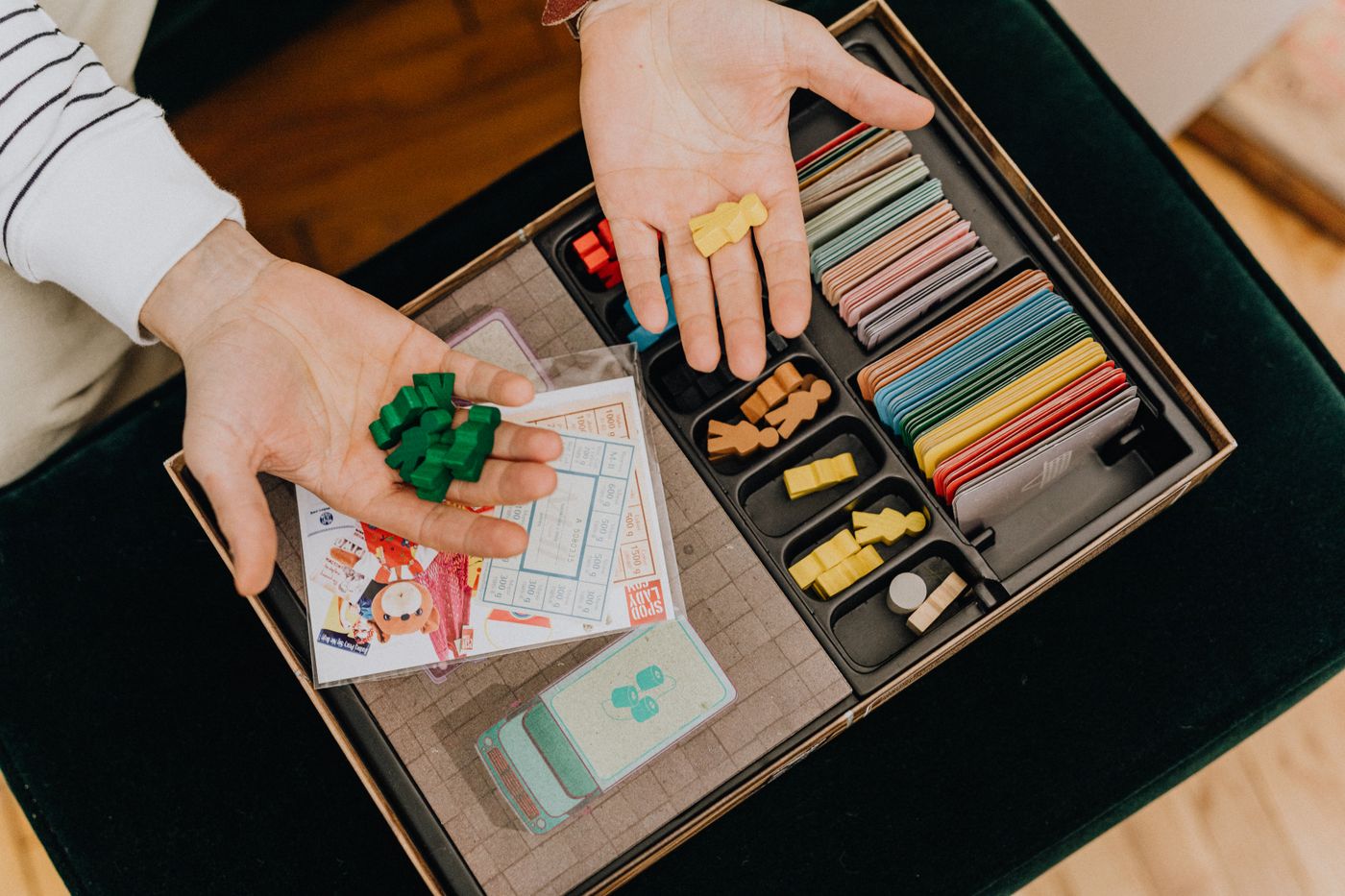
Separate modules according to the actual rules
Read how the expansion describes its parts. A box may contain several optional modules, a single required addition, or replacement pieces intended to supersede something in the base game. These situations need different handling. Do not create one group called extras that obscures whether an item is optional, required, or a replacement.
Use the names from the instructions when identifying module groups. A short note such as use with the harbor module can be useful if that is the actual name. Color alone is a weak identifier when several modules share colors or another household member reads the pieces differently. Keep the wording understandable without rewriting the entire rulebook.
Preserve the original and replacement relationship
If instructions direct you to replace a particular component, retain the relationship between old and new. Decide where the superseded item belongs according to the publisher’s guidance and the household’s intended versions. Do not quietly discard a part that another game mode or edition still needs.
A small dated note can explain the change: which component was replaced, by what, and where the earlier piece now lives. The note is a household record, not a new game rule. Keep official corrections or updated instructions associated with the correct edition so someone else can understand the change without relying on your memory.
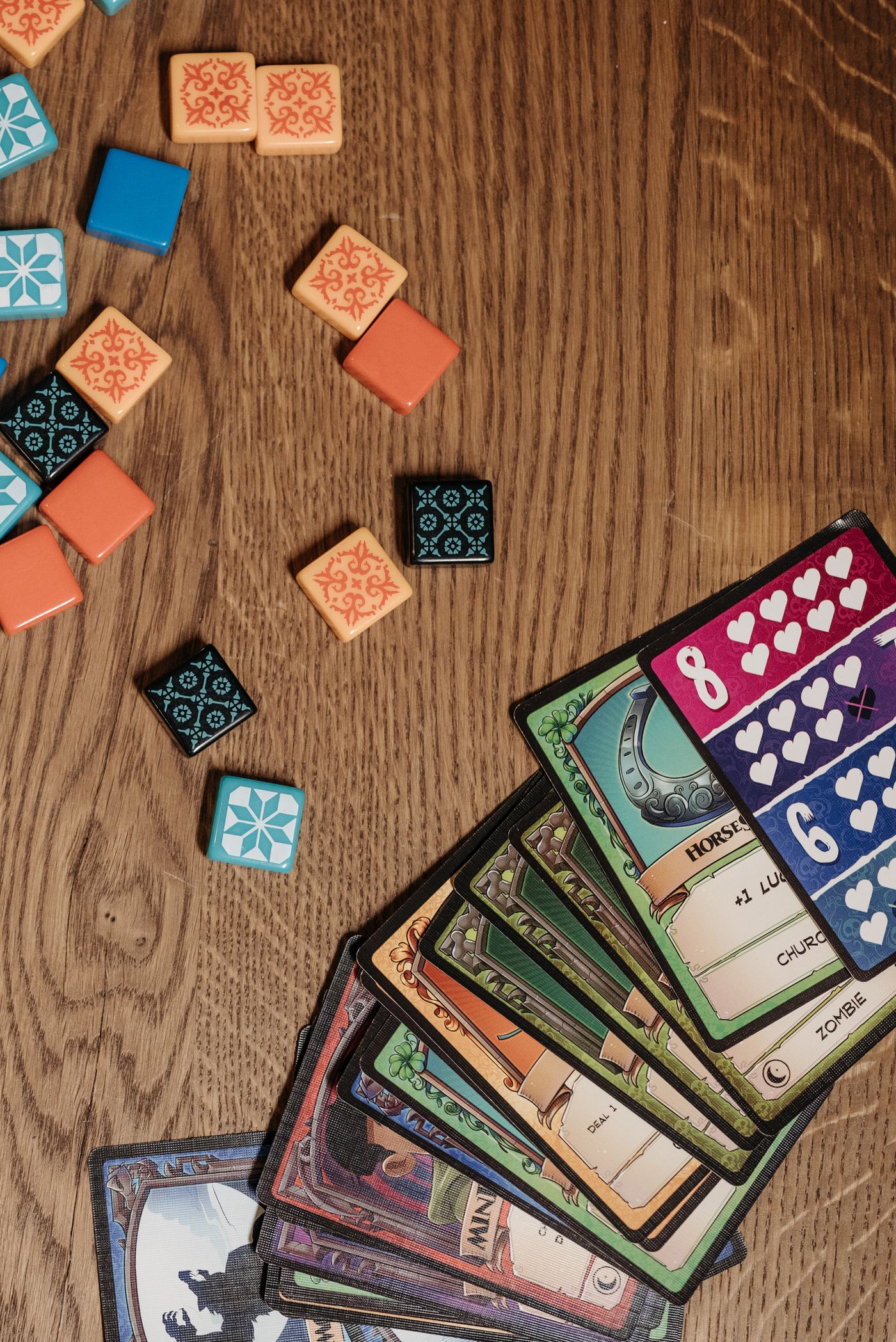
Choose containment for the smallest actual pieces
Test suitable existing containers before buying an elaborate insert. Check that the smallest components remain contained when the box closes or moves. A divider that looks effective from above may allow small tokens to slide underneath. Keep cards, boards, and components supported according to their construction and supplied care guidance.
Avoid forcing a box lid closed over an arrangement it cannot accommodate. An expansion stored inside the base box can change pressure on cards or the position of projecting pieces. If the original boxes remain the practical option, use them. Reducing the number of boxes is not automatically an improvement in the game’s usable storage.
Give the rules a clear location
Keep the relevant rulebook or official digital reference easy to find for the exact version. If a household summary is useful, label it as a summary and preserve the official information it points to. Do not let a handwritten setup reminder silently become the only rule source when the group encounters an unfamiliar situation.
Store the summary with the appropriate module rather than with an unrelated game-night notebook. For example, it might list which identified bags are needed for the intended version and where the official setup instructions begin. Keep it brief enough to check while opening the box, rather than creating another document that needs constant maintenance.

Make the next session’s version explicit
Before play, agree which base game and optional modules are being used. Let the person setting up retrieve that specific group instead of opening every expansion. If the table is shared, bring out only the material needed for the agreed session. A clear choice prevents unused cards and counters from occupying space throughout the evening.
The labeling guide can help make that retrieval understandable to other players. The aim is not to label every individual token. Give each meaningful group a readable identity that matches the instructions, then test whether someone can select the correct groups without coaching.
Plan the return while the contents are still recognizable
At the end of the session, check the component groups before mixing them into storage. Keep the instructions available until that check is complete. Pieces are easier to identify while the players remember which module used them. Do not assume a missing counter will be obvious after several different games have been cleared into the same household basket.
If a session is interrupted, leave a clear note about the version in use and the remaining return task. The active crochet-project storage guide addresses another kind of paused project: the useful principle is preserving the connections needed to resume, rather than merely gathering all the objects into a box.

Keep borrowed games outside permanent changes
For a borrowed set, follow the owner’s arrangement and agree before modifying its storage or adding labels. Keep each item’s ownership visible when the household also owns a similar edition. A borrowed expansion should not quietly become part of your permanent base-game box simply because the pieces fit.
The borrowed-toy return guide provides a related framework for agreeing on complete sets and return conditions. Apply those ownership principles to the actual game without pretending that every borrowed product has identical parts or care requirements. Check the agreed complete return before the owner has to reconstruct it afterward.
Buy an organizer only after identifying a recurring problem
Try the revised arrangement through an actual setup and return. Record the failure if one remains: pieces migrate between compartments, a necessary module is hard to identify, or the lid does not close appropriately. Those observations are a useful buying brief. A generic wish for a premium insert does not explain which problem it must solve.
Keep the household’s collection within the storage capacity you have intentionally allowed. An insert cannot make unlimited expansions fit a shelf or ensure that every new module will be played. Consider whether another purchase adds a version the group genuinely wants, rather than adding components whose identity and purpose immediately need more organizing.
The successful arrangement makes the base game, compatible additions, and selected version easy to understand. Players can retrieve the right components, consult the correct rules, and return the complete set afterward. That clear path supports the next game more reliably than a combined box whose contents require a fresh investigation every time.
Explore related decisions in our Home Organization hub.
Sources and editorial scope
Editorial research checked October 24, 2026. Published trend reports are context for these editorial applications, not verified live keyword rankings. Practical household guidance; photographs do not document a tested household or authenticate pictured materials.
