
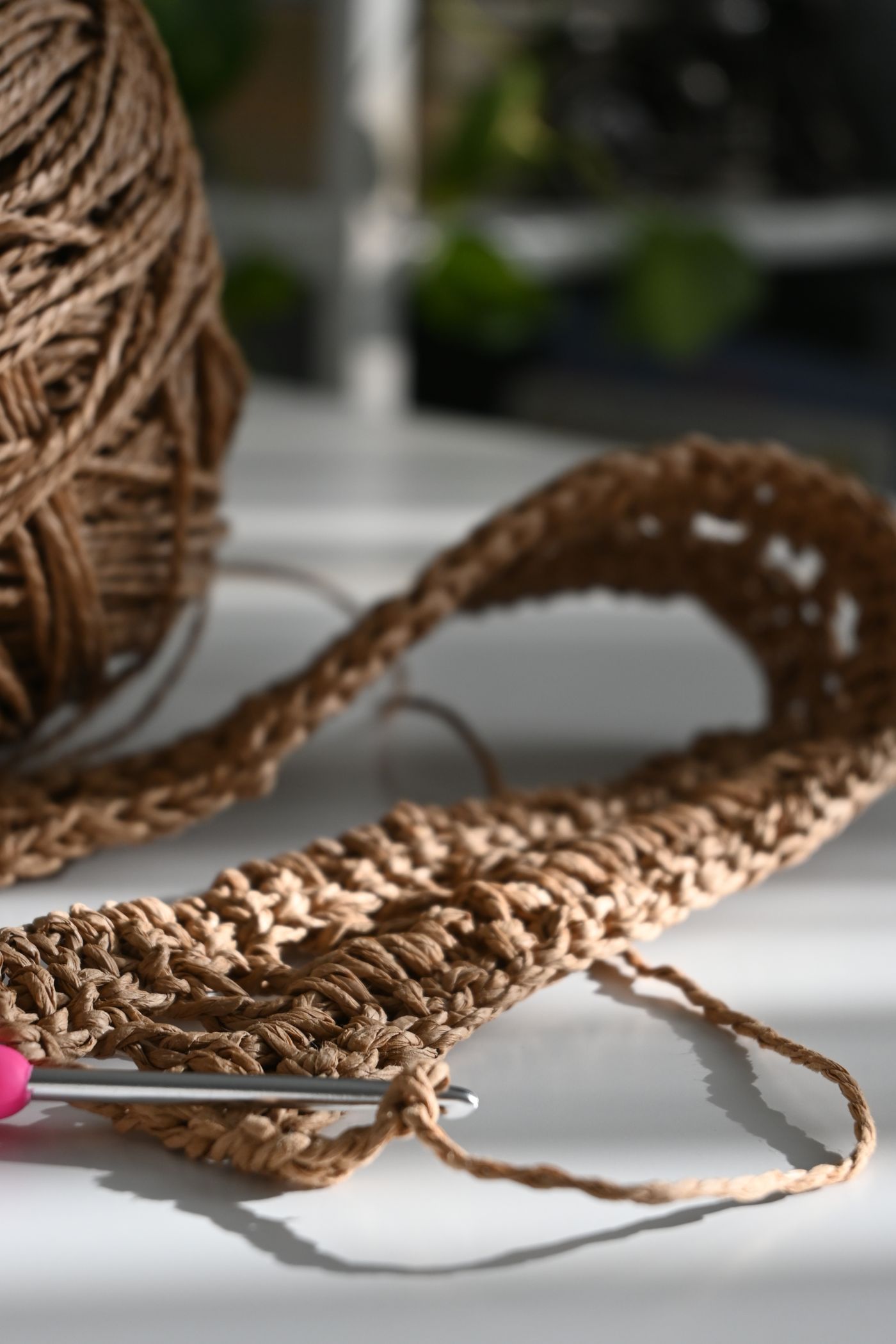
An unfinished crochet project creates a storage problem that an ordinary craft box does not fully solve. The working yarn is still connected to the fabric, the last loop can unravel, and the hook needs to return with the pattern. Putting everything into a basket may clear the shared table while leaving a knot to untangle next time.
Etsy’s spring and summer 2026 report describes renewed interest in stitched and handmade details. Its figures are an earlier marketplace signal, rather than October demand data for crochet storage. This guide applies that interest to a specific household task: keeping one active project usable between sessions in a room that also serves other purposes.
Store the next session, not the whole yarn collection
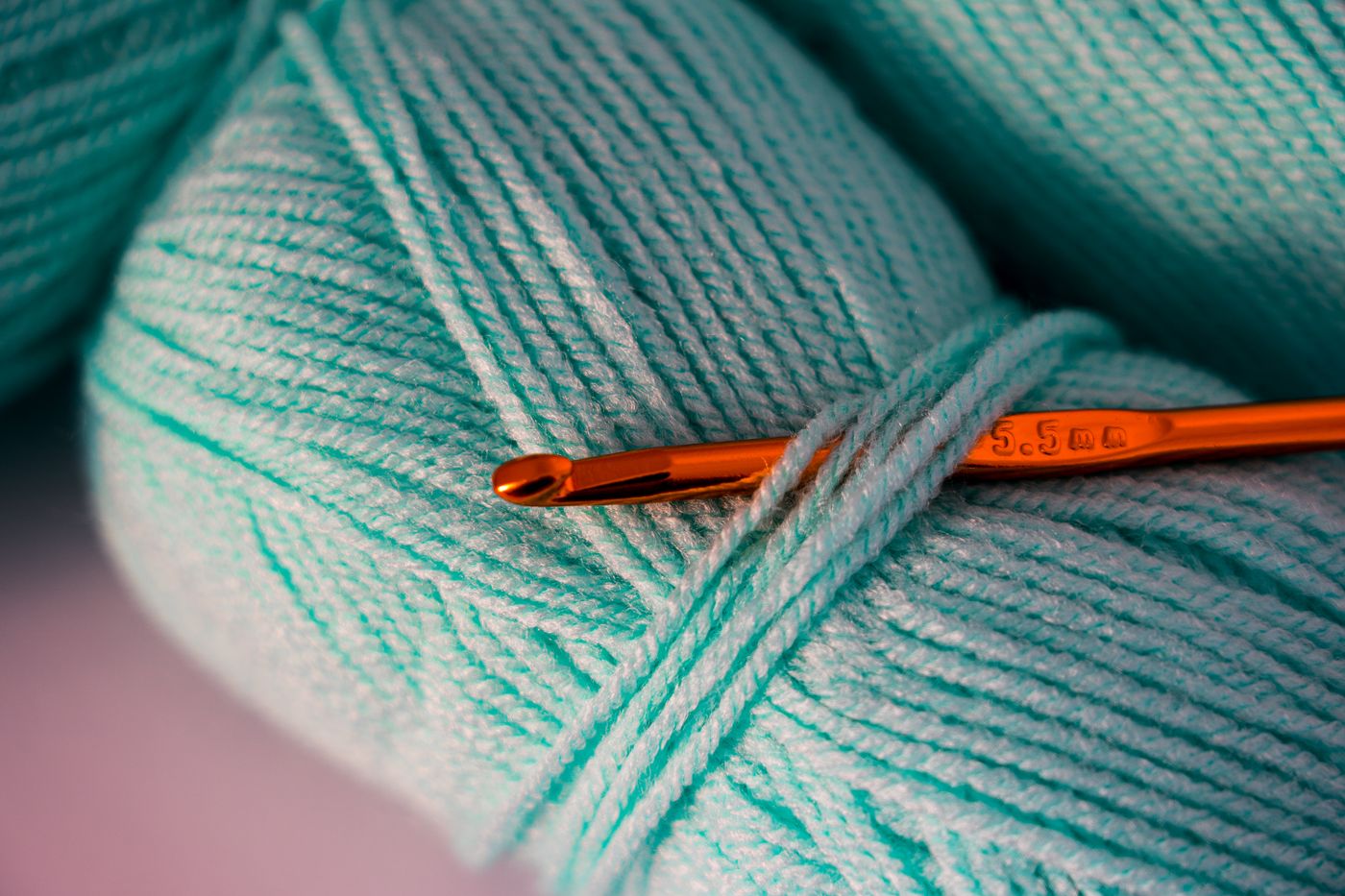
Begin with what you actually need to continue the project: the attached yarn, the work itself, the correct hook, the current pattern, and the small accessories in use. Spare colors, future projects, and a complete hook collection can stay elsewhere. An active-project container should bring you back to the next stitch without requiring a search through all your supplies.
This boundary matters as the piece grows. A small square and a partly finished blanket need different volumes. Choose a container that supports the current fabric without sharply folding delicate edges, and leave a plan for moving up to a larger container later. Buying the largest bag at the start may simply invite unrelated supplies into the space.
Secure the live loop before clearing the table
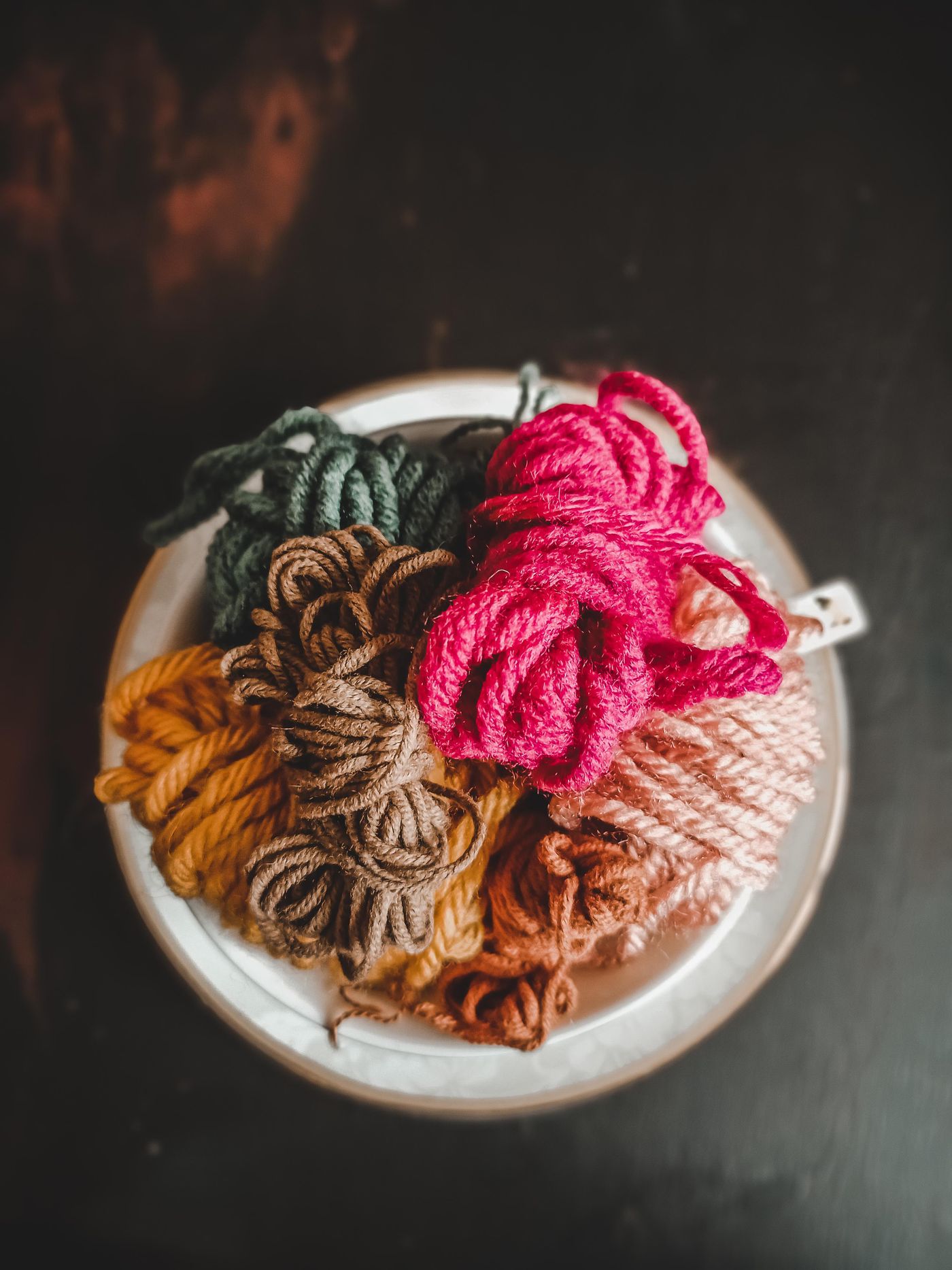
Pause at a point you can describe. If the pattern permits, finish the current section before stopping; otherwise note the row, repeat, or step where you paused. Use a suitable stitch marker or the method recommended for your project to protect the live loop. Do not assume that leaving the hook in place alone will prevent it from slipping free during transport.
Keep any yarn tail distinct from the working strand. When both are loose beside the fabric, it is easy to pull the wrong one while unpacking. You do not need an elaborate color-coded system: a consistent place for the tail and a clear route to the working yarn are often enough. Check the setup on your actual project before adopting it for every pause.
A short note can say which hook you used, where you stopped, and what comes next. The nominal hook size is useful, but the specific hook may also matter if its feel or shape affects your tension. Keep the note with the work instead of assuming you will remember it after a busy week.
Give the yarn room to feed
The attached ball should sit so the strand can travel to the work without wrapping around handles, tools, or other balls. Some yarns are worked from the center and some from the outside; Yarnspirations notes that this varies. Use the arrangement appropriate to the yarn you are using, rather than forcing every skein into the same feeding position.
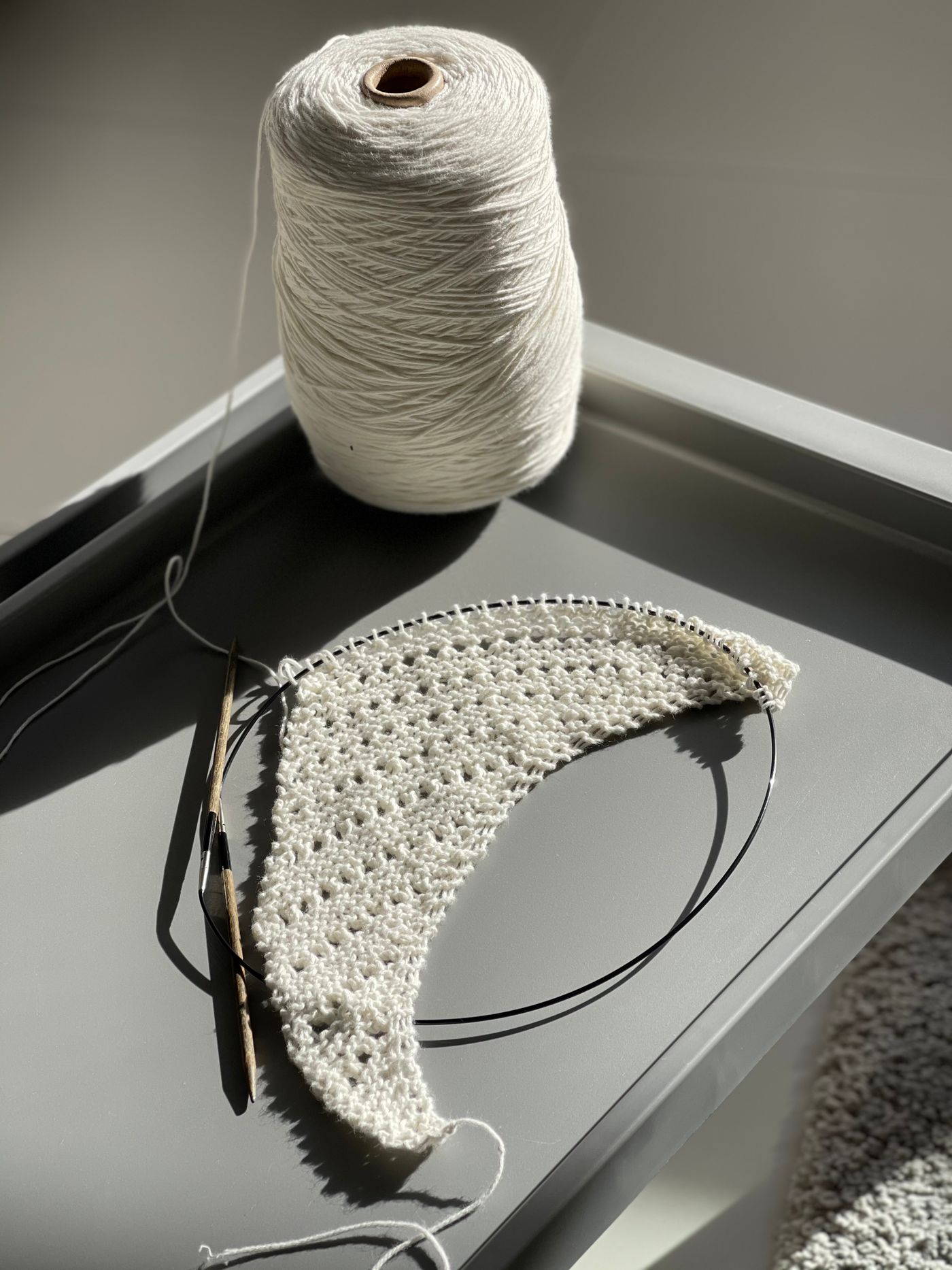
If you pause with the ball outside the container, put it back before closing the lid or moving the bag. Check that the strand is not trapped under a hinge, zipper, or handle. A closure that protects the supplies from household activity can still damage the working yarn if you close it across the strand every evening.
Several colors require separate positions or small dividers that do not snag. Before buying a specialty bag, try a simple arrangement inside an existing smooth-sided container. Feed one strand at a time and turn the work as your pattern requires. The test is whether the yarn remains manageable during actual use, not whether every ball looks neatly lined up when packed.
Keep tools out of the fabric
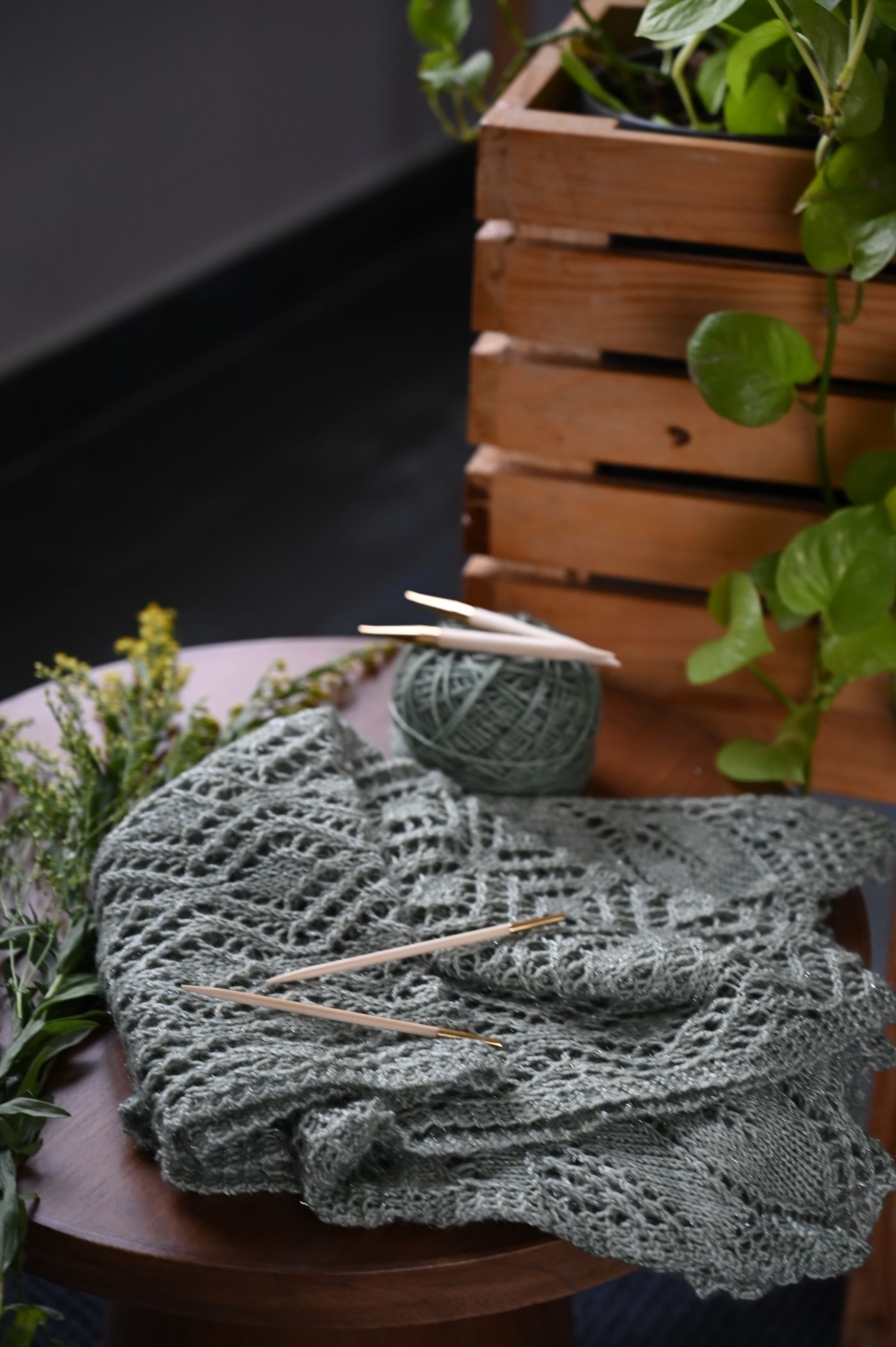
Store scissors, blunt yarn needles, and stitch markers in a small closed pouch or suitable case. A loose tool can catch an open stitch even when the project is otherwise carefully packed. Keep the hook accessible but separate enough that it does not disappear inside a fold. The same principle applies to a pen or counter used to track your place.
Avoid containers with rough woven interiors if the project catches on them. A soft liner may help, provided its seams and fasteners do not introduce another snag. Inspect the inside of a basket or bag before placing delicate work against it. A attractive exterior is not evidence that the interior suits an open stitch pattern.
Our pack-away hobby-zone guide covers the room-level handoff. This project system adds the smaller connection between fabric and live yarn. You can clear the table reliably while preserving the state of the work, instead of treating an unfinished item as ordinary stored fabric.
Protect the pattern without losing your place
Keep the pattern in the same container, whether it is printed or viewed on a device that returns to the room with you. A loose printed page can be protected in an existing folder. A digital pattern may need a saved location or brief progress note so a screen refresh does not erase the place where you stopped.
Write changes you make as changes, rather than silently overwriting the original instructions. If you adjusted the length, used a different yarn, or stopped at a different repeat, that information should remain understandable when you return. It may also matter later when the finished item needs repair or when you try to make a matching piece.
Retain the yarn band with the project record. It can identify the yarn, shade, batch, and care instructions, even if it no longer wraps neatly around the ball. Fold it into the pattern pocket rather than leaving it loose underneath the supplies. The details are particularly useful when a project outlasts the original ball and you need more material.
Share the room without sharing the loose parts
Choose a parking position that does not occupy the floor route, a frequently used chair, or the bed someone needs at night. A small shelf compartment or an existing cupboard can work. If the container must move between rooms, test the carry with the project inside and make sure it stays upright without dragging the attached strand.
In a household with children or pets, loose yarn and small accessories need a controlled place. Keep tools and unfinished work inaccessible when they are not being supervised. The container should support a practical closure routine; it should not depend on everyone recognizing that the lovely basket on the floor is an active project rather than something available to explore.
If family art materials share the cupboard, use a distinct project compartment. Organizing children’s art supplies concerns supplies ready for the next activity; live crochet work has a continuing connection that needs protection. Separating those purposes stops someone from borrowing a hook or yarn ball that is still part of the work.
Adjust storage when the project changes stage
A growing blanket may eventually need a larger smooth-sided bag, while the remaining yarn can stay in a smaller pocket. Move the whole connected system at once. Do not leave the current hook, pattern note, or yarn band behind in the old container simply because only the fabric appears too large for it.
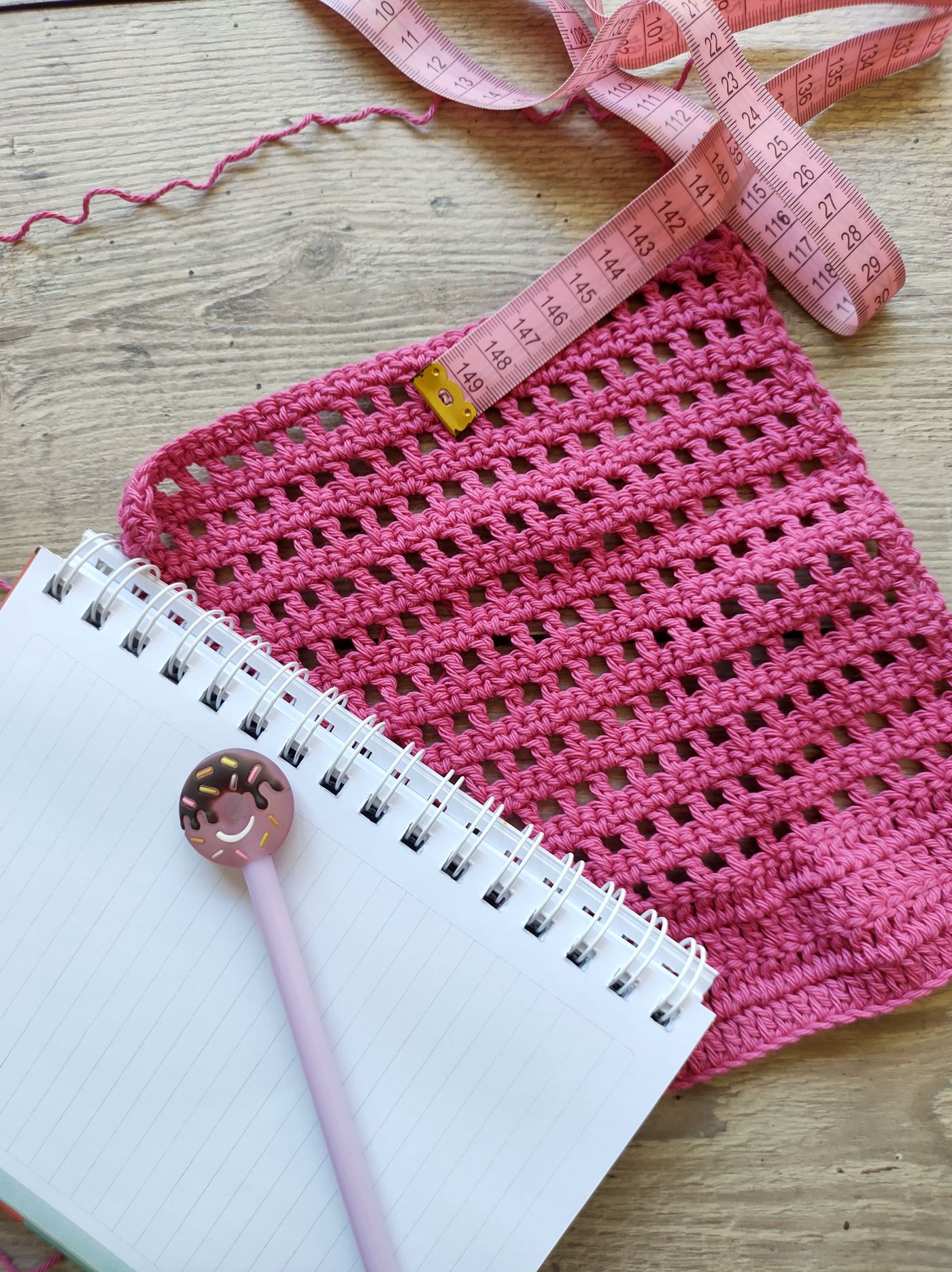
Finished components awaiting assembly deserve their own grouping and a note explaining where they belong. They are no longer live-loop work, but they are not yet ready household textiles either. Keep them with the project rather than sending them to the linen cupboard, where they may be mistaken for completed pieces or separated from matching parts.
Our shared-table handoff guide helps reserve enough time to put the setup away before the room changes use. Include that minute in the session. A pause is easier to manage when it occurs before a meal or work call begins, rather than while somebody else is already trying to take over the surface.
Decide whether a specialty bag solves a real problem
A project bag can be useful when you regularly carry the work, need separate yarn positions, or need a closure that an existing container lacks. It is less useful when the current difficulty is forgetting your place or trapping the strand. Fix the pause routine before buying another container that repeats the same problem in a different shape. If cupboard space is tight, keeping a home tidy with little closet space helps set a storage boundary before the growing project competes with everyday supplies.
Test the system over several sessions. You should be able to open the container, find the right hook and pattern step, and resume without untangling unrelated supplies. When that happens reliably, the storage has earned its place. The shared room can return to everyday use, and the handmade project remains something you can enjoy continuing.
Explore related household decisions in our Home Organization hub.
Sources and editorial scope
Editorial research checked October 14, 2026. Trend-report dates and limitations are stated in the article; these are editorial applications of published signals, not verified October keyword rankings. Practical household guidance; illustrations do not document a tested household or authenticate a pictured material.
