A pair of glasses can cross a small home several times in one day: from a bedroom to a desk, into a bag, then back beside the bed. The problem usually appears at the handoff. The frames come off, the case is somewhere else, and a convenient surface becomes their temporary home. By morning, several people are searching different rooms for the same pair.
Organizing personal eyewear works best when you connect each pair to its owner, its protective case, and a few actual moments when it comes off. You do not need a display wall or a case in every room. You need a return point that is easy to use while tired, interrupted, or preparing to leave. This guide concerns storage and household coordination; questions about prescriptions, suitable use, or repairs belong with your eye-care professional. If you are working on the same space, The Small-Home Storage Audit: 12 Places That Look Organized but Waste Space covers the next decision in more detail.
Start with the pairs people actually use
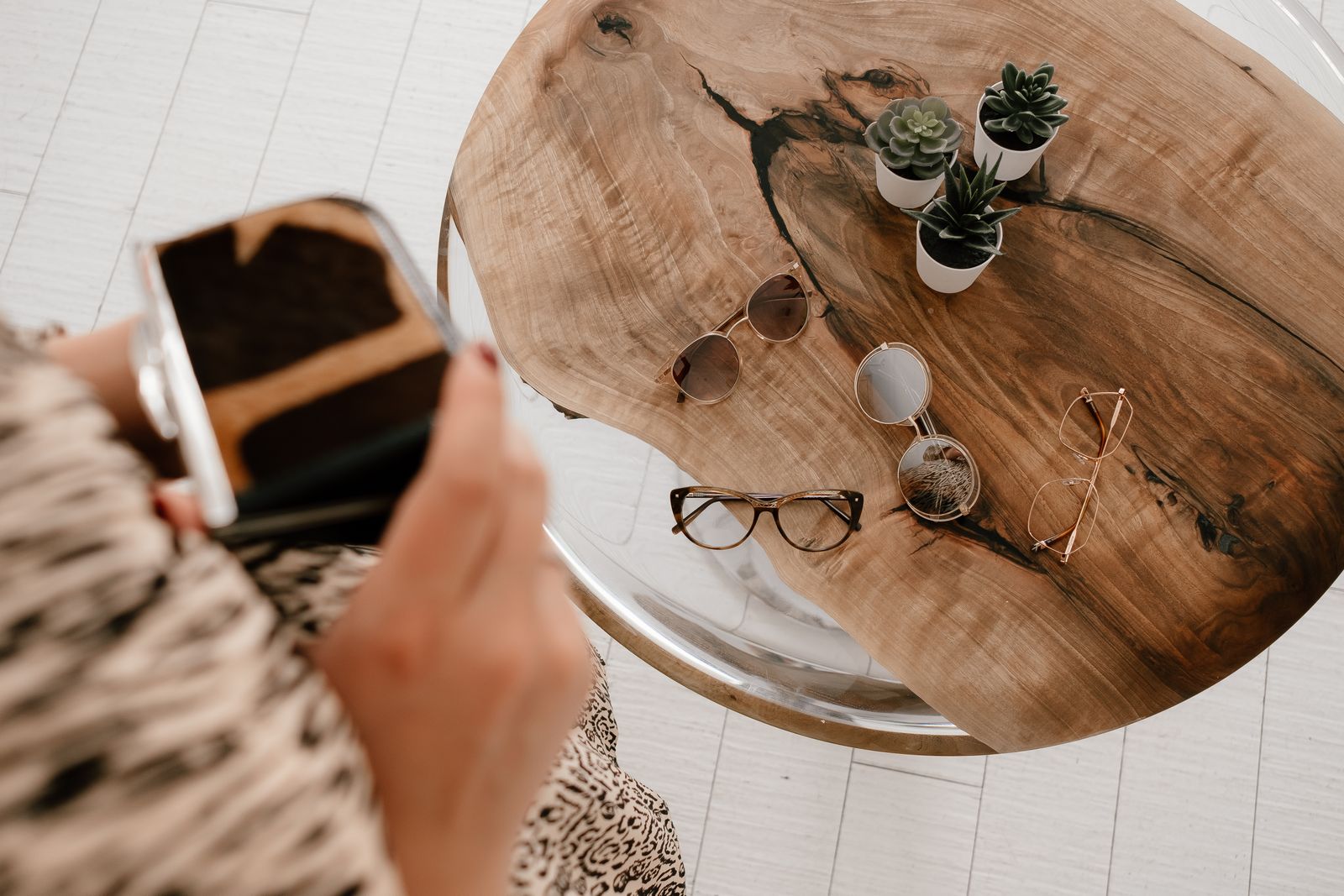
Ask each owner to identify their current everyday glasses, sunglasses, and any other pair they regularly use. Keep ownership clear even when frames look similar. Avoid combining everyone’s eyewear in an anonymous basket: a person should not have to open and handle several pairs to find their own. Include cases in this first check, because a storage plan built around bare frames misses an essential part of the routine.
Do not decide that an older pair is redundant just because it looks different from the current one. Its owner may have a reason for retaining it. Instead, ask which pairs need daily access, which have an occasional purpose, and which need professional assessment. A pair waiting for a repair should carry that specific next action rather than disappear among ready items. Keep any appointment information with the household calendar, not loose beneath the glasses.
Check the case before choosing its shelf
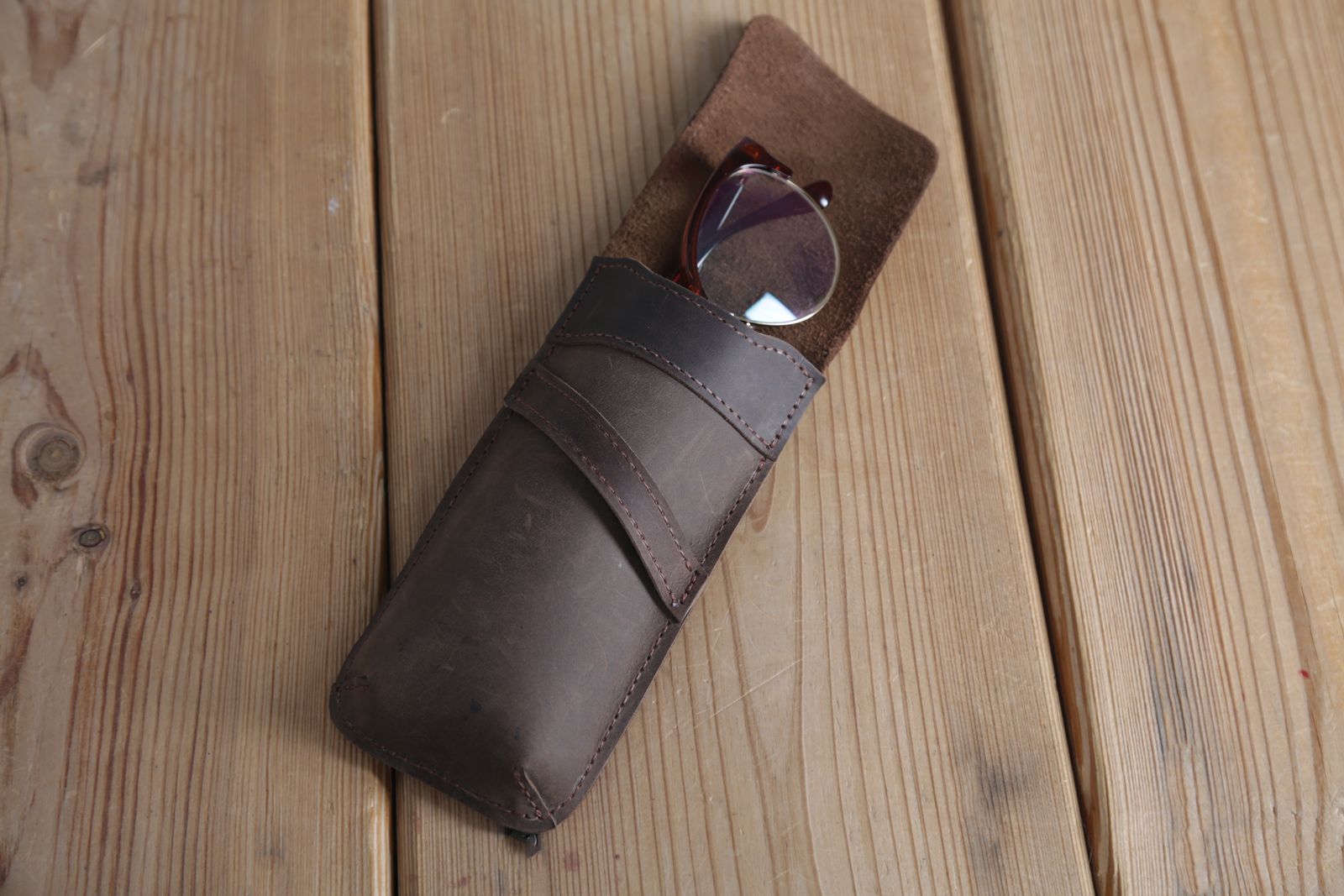
Use the protection and handling advice supplied for the actual eyewear. Check that its intended case closes without pressure on the frames and that hinges, clasps, and linings remain usable. A fashionable pouch, a hard case, and a glasses stand perform different jobs; appearance alone does not establish adequate protection. If you cannot tell which case belongs to a pair, resolve that question before buying a matching set of new containers.
Try the complete action: take the frames off, handle them as instructed, place them in the case, and close it. Then open the case and retrieve them again. The test may reveal that the shelf is fine but the closure is awkward for its user. Keep the owner’s preferences and reach in the decision. Avoid creating a tidy arrangement that another person must operate on their behalf whenever they need their glasses.
Put the main return point where the glasses come off
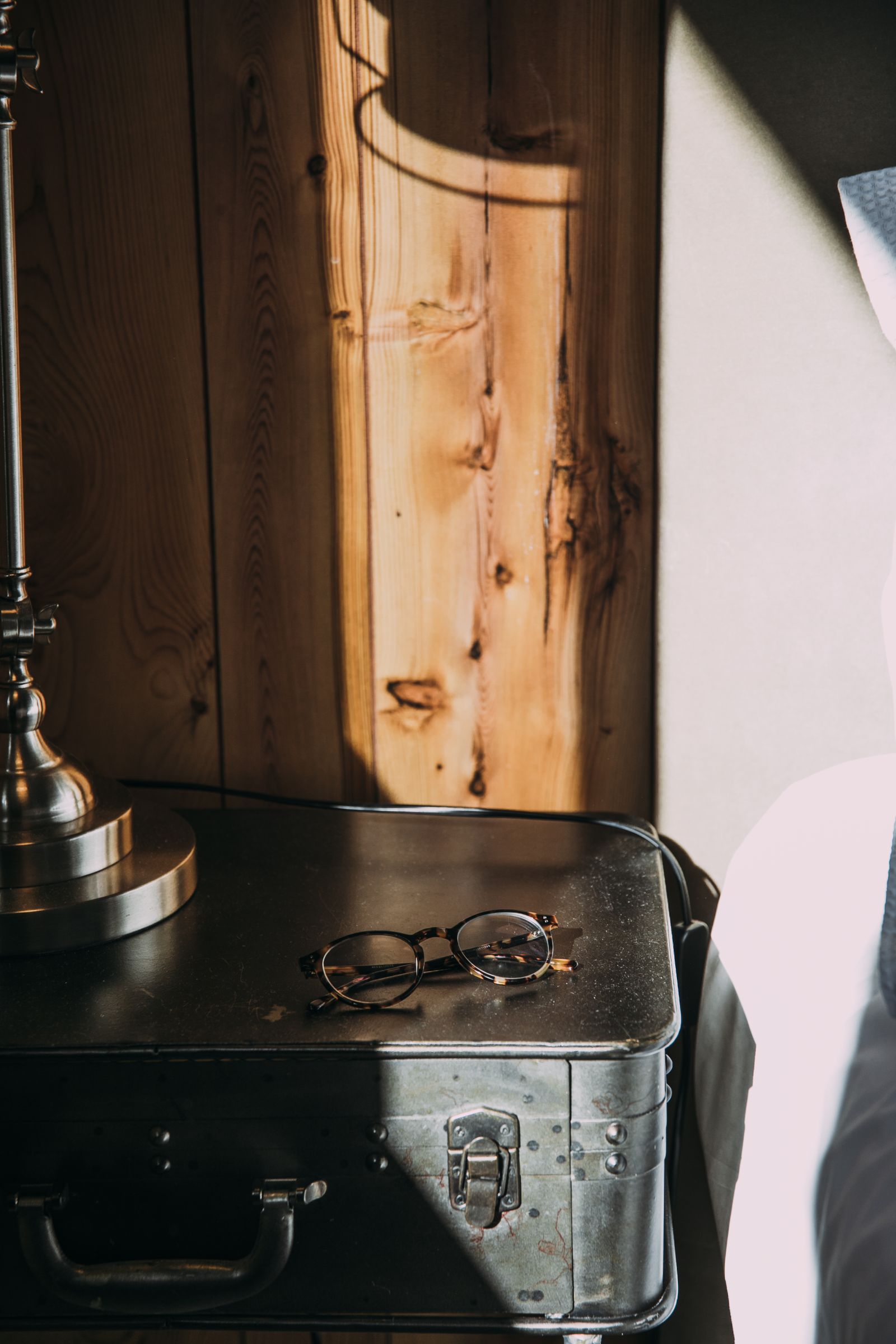
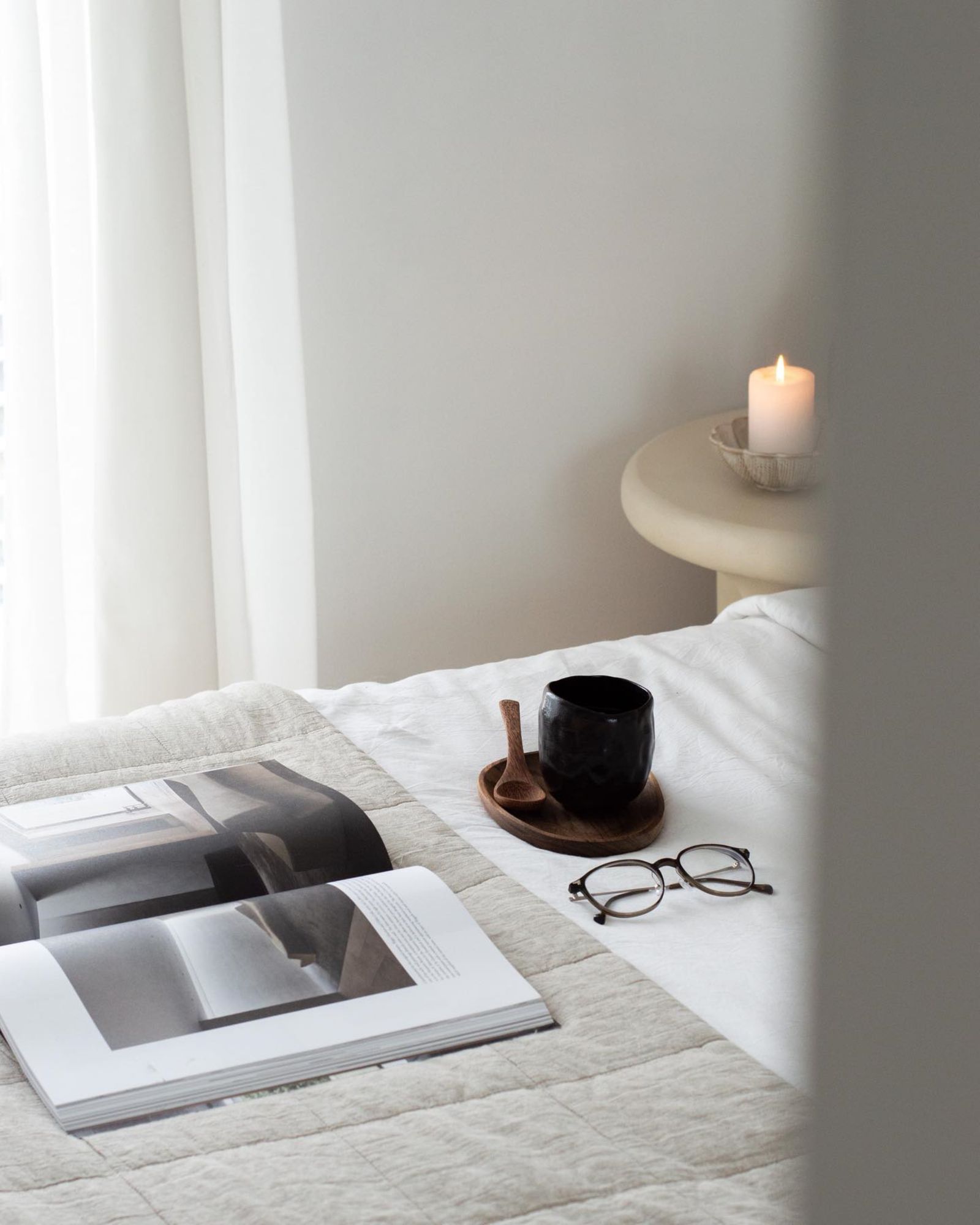
Observe one normal evening. Someone who removes their glasses immediately before sleep may need the closed case beside the bed. Someone who changes pairs at a desk may need the case there during working hours. The main home should follow the actual behavior rather than a decorative arrangement. Make room for the closed case on a supported surface where it will not be buried beneath books, clothing, or charging equipment.
If the bedroom surface is already overloaded, use the nightstand clearing guide to address the surrounding clutter. Here, give the eyewear a distinct position within that surface. A small label or recognizable case color can be enough. Do not add a second tray unless the case genuinely needs it; a tray that collects coins and cords can obscure the object you are trying to protect.
Resolve the bag-to-home transition
Sunglasses often become separated from their cases when someone enters the home with full hands. Identify the bag or pocket in which that owner normally carries the case, and decide whether the complete pair stays there or returns to a home shelf. Either approach can work. Trouble starts when one person expects the glasses in a bag while someone else routinely moves them to a communal drawer.
For a pair that travels, use a simple departure check: the correct glasses are inside the appropriate closed case, and the case is in the intended bag. Keep it separate from the general pile of objects awaiting errands. The small-apartment landing-zone guide can help with that broader transition, but it should not turn every pair of glasses into a shared entryway item.
Keep care materials identifiable and compatible
Follow the eyewear maker’s or your optician’s directions for cleaning, handling, and maintenance. Keep the materials specified for that pair identifiable; do not assume that a household glass cleaner, a random cloth, or a product used for another lens is suitable. This storage guide does not prescribe a cleaning formula. If the directions are missing, obtain them before assembling a kit around guesswork.
A small pouch for suitable care materials can live beside the main case if that makes the permitted routine easier. Keep it from becoming a collection of dried wipes, unidentified bottles, and unrelated repair tools. Save the care instructions in a readable place and tell the owner where they are. Leave adjustments and unresolved damage to the appropriate professional rather than making a storage project double as an improvised repair session.
Give occasional pairs a purpose and an address
Occasional-use eyewear needs a retrievable place, not necessarily a prime bedside position. Group each owner’s retained pairs in their suitable cases and label the outside with something the owner understands. A shallow shelf or drawer may work if cases can be removed without pulling out everyone else’s belongings. The number of useful retained pairs determines the space; the size of a new organizer should not determine the collection. You may also find Place a Full-Length Mirror in a Small Bedroom Without Losing Dressing Access useful for a closely related small-home problem.
When a pair moves between homes or accompanies a planned activity, write its destination in the same place as the activity reminder. Avoid treating the storage label as permission to borrow another person’s glasses. If a visitor leaves a pair behind, keep it protected and separate from the household collection, contact its owner through your usual channel, and agree on the return. An unclaimed pair should not quietly become a communal spare.
Try the arrangement for several real handoffs
Use the system during ordinary days before adding more containers. Notice whether cases are left open, whether frames still land on bedding, and whether somebody has to reach across a drink to retrieve them. Change the exact friction you observe. Moving a case a little closer to its owner may help more than installing an attractive display that requires several extra actions.
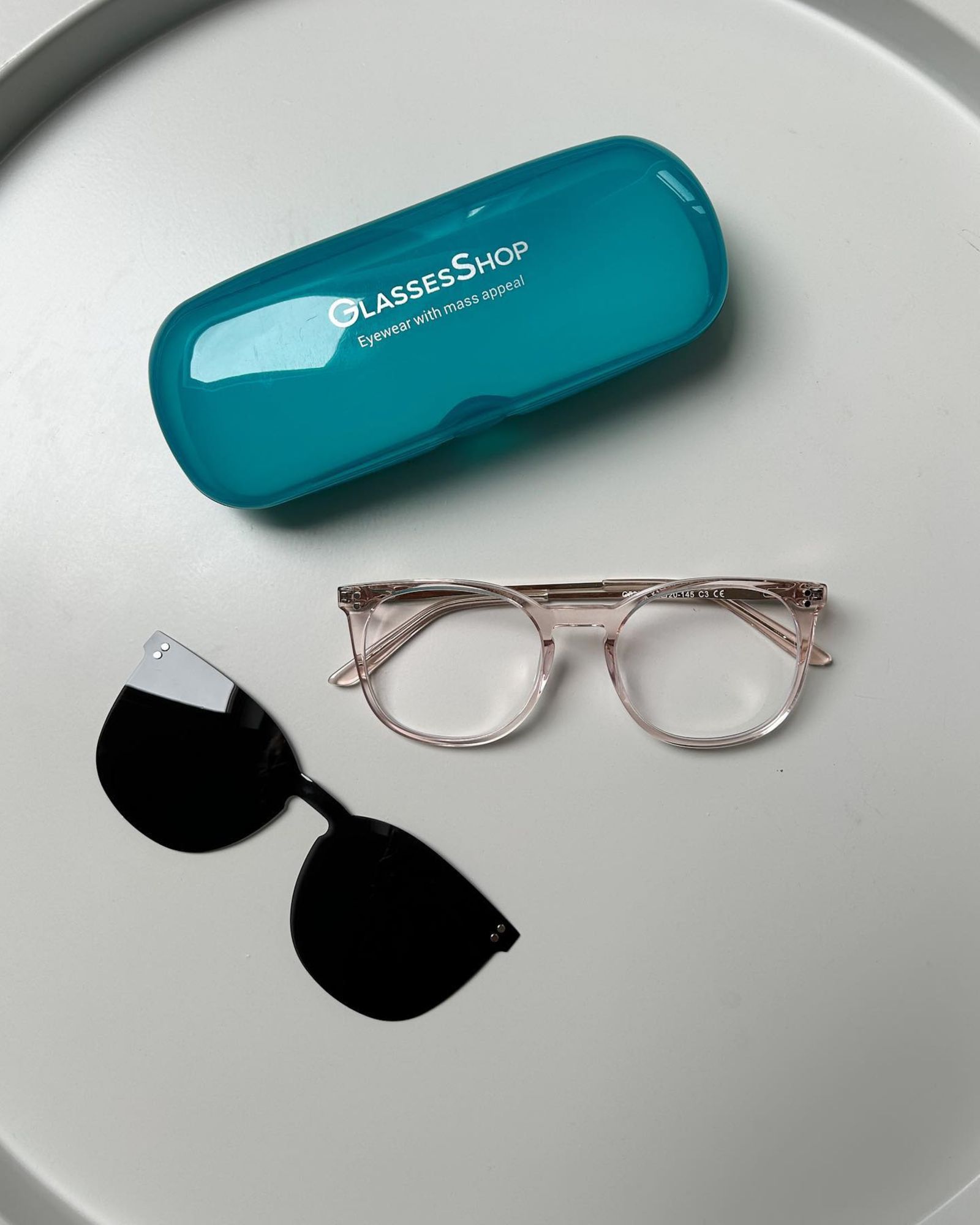
For example, imagine a bedroom pair stored in its case at night and sunglasses that travel in a work bag. The first pair needs a consistent bedside return; the second needs a clear bag pocket and a departure check. Combining both in one showcase would require extra trips while providing little daily benefit. Use the bedroom hub for surrounding room decisions and the Organization hub for other belongings with different routes.
When the glasses keep disappearing
If a pair repeatedly goes missing, ask the owner to name the last activity during which they took it off. Look at that transition without blaming the person or redesigning the whole home. A desk pair may need its case next to the notebook rather than behind a monitor. A traveling pair may need a consistent pocket. If another household member moves eyewear while cleaning, agree that protected personal items return to their owner’s named place.
The arrangement is working when an owner can find their own pair, protect it using the correct case, and return it without a search for accessories. Review the collection when eyewear changes, a case breaks, or a daily routine moves to another room. Keep the useful protection and the clear ownership. Those two decisions matter more than making every case look the same.