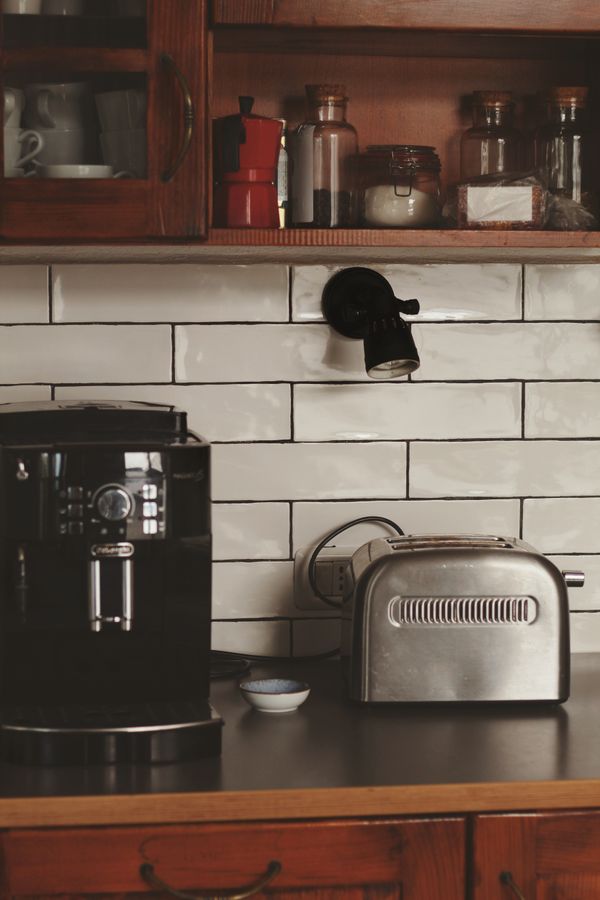
In a small kitchen, cooking residue has nowhere to hide.
Steam and fine grease settle on the cabinets closest to the stove. Handles become tacky. Dust sticks to the top edge of nearby surfaces. The range hood looks fine until you touch it. Because everything is close together, buildup can move from “barely noticeable” to “why is this sticky?” surprisingly fast. For the broader setup, How to Clean a Small Kitchen Without Moving Everything Off the Counters is a useful next read.
The best strategy is to clean the grease path before it becomes a whole-kitchen project.
Identify the grease path
Look at the surfaces closest to your main cooking zone:
- backsplash,
- cabinet doors beside and above the stove,
- handles and knobs,
- range hood exterior,
- microwave exterior if nearby,
- counter edges,
- wall or shelving beside the cooking area.
These deserve more frequent attention than cabinets across the room.
Start with the gentlest method appropriate to the surface
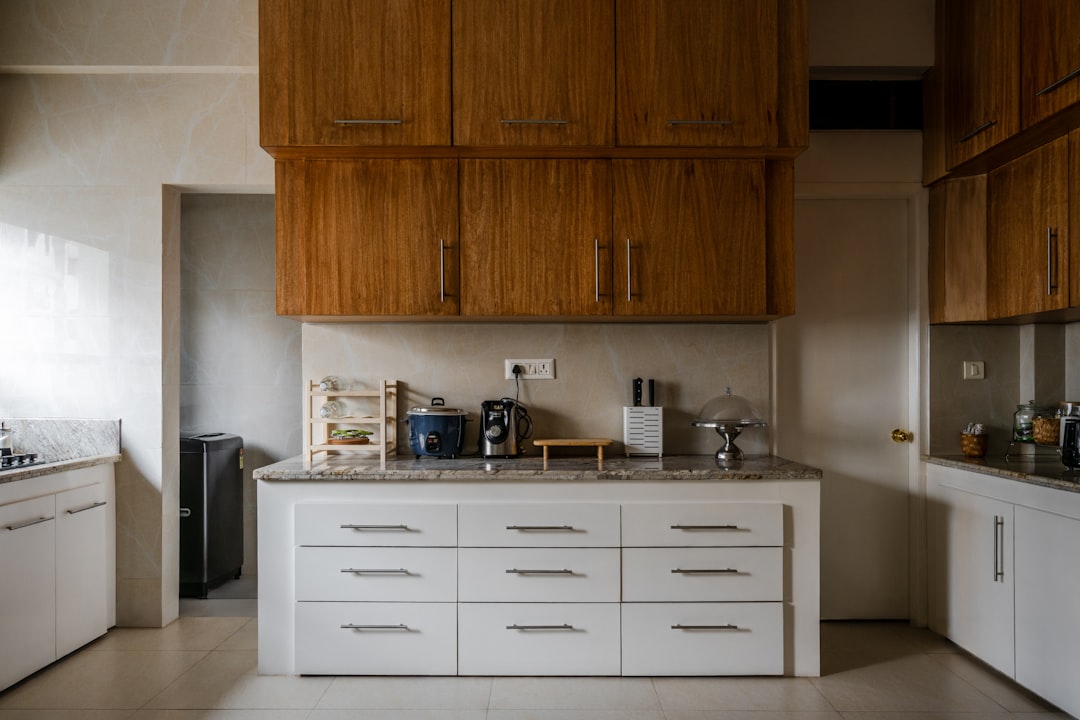
Cabinet finishes, painted surfaces, stone, stainless steel, laminate, and wood do not all tolerate the same products.
Follow the manufacturer’s care instructions where available, and test unfamiliar methods in an inconspicuous area. Avoid aggressive scrubbing just because the residue feels stubborn. For a related step-by-step approach, see Small space appliances worth buying.
Remove dry dust before wet cleaning greasy surfaces
Grease plus dust creates a thicker sticky film. On appropriate surfaces, remove loose dust first so you are not simply smearing it into the residue.
Work in small sections
Do one cabinet door, one handle cluster, or one strip of backsplash at a time. Small sections make it easier to control moisture, see whether the method is working, and avoid leaving cleaner sitting too long.
Give handles their own weekly pass
Cabinet pulls, refrigerator handles, microwave buttons, and oven controls collect hand oils in addition to cooking residue.
A quick weekly wipe often prevents the sticky feeling that makes the whole kitchen seem dirty.
Do not ignore the range hood
The hood area sits directly in the grease path. Clean the exterior according to its finish, and maintain filters according to the appliance manufacturer’s instructions.
Do not guess at filter washing or replacement intervals if the manual provides specific guidance.
Keep splatter from drying in place
Fresh cooking splatter is usually easier to address than old residue. Once the cooktop is safe to handle and you are finished cooking, deal with obvious splashes on compatible surfaces before they become tomorrow’s sticky layer.
Protect the prep zone from becoming a grease-storage zone
Bottles, utensil crocks, decorative trays, and countertop appliances near the stove catch residue too. The more objects in the grease path, the more individual items have to be cleaned.
Keep the area closest to active cooking simpler where possible.
The ten-minute weekly grease reset
- clear the immediate splash zone,
- handle backsplash spots,
- wipe nearby cabinet fronts as appropriate,
- clean handles and knobs,
- check the hood exterior,
- wipe nearby appliance fronts,
- return only the counter items that belong there.
When buildup is already heavy
Do not attack the entire kitchen at once. Choose one material or zone and use a method appropriate to that surface. Several short sessions are safer and easier than an aggressive marathon. If you are working on the same space, How to Keep a Small Bathroom Counter Clear When Several People Use It covers the next decision in more detail.
Do not mix household cleaners
Use products according to their labels, including ventilation and contact-time instructions. Never assume two cleaning products are safe to combine.
Pair this with the nightly kitchen reset
Daily dish and counter maintenance reduces the amount of residue that stays exposed around the cooking zone. See The 15-Minute Nightly Kitchen Reset for Busy Families.
Frequently asked questions
How often should I wipe greasy kitchen cabinets?
Focus on the cabinets in the cooking splash zone and clean them as soon as tackiness or visible residue appears. A quick weekly check is a practical starting rhythm.
Can I use the same degreaser on every kitchen surface?
No. Check product labels and the surface manufacturer’s care guidance before use.
Why do kitchen cabinets feel sticky even when they look clean?
Fine cooking residue and hand oils can build into a thin film before it becomes visibly dirty.
Clean the path, not every cabinet
You do not need to degrease the whole kitchen every week. Follow where cooking residue actually lands, keep handles and the hood in the routine, and stop sticky buildup while it is still a ten-minute job. You may also find How to Keep a Small Kitchen Floor Clean When You Cook Every Day useful for a closely related small-home problem.