When you cook every day in a small kitchen, the floor takes part in the meal whether you want it to or not.
Crumbs collect under the prep counter. Rice lands near the stove. Water splashes by the sink. A small amount of debris can make the entire room feel dirty because the floor area is so visible.
The goal is not to mop after every meal. It is to control the high-drop zones before debris travels through the rest of the home. For a related step-by-step approach, see How to Keep Dust Under Control in a Small Bedroom Without Cleaning Every Day.
Find where food actually lands
Most kitchen floors do not get dirty evenly. Pay attention to:
- the strip below the main prep counter,
- in front of the stove,
- around the sink,
- under the dining edge or breakfast area,
- the route between kitchen and trash.
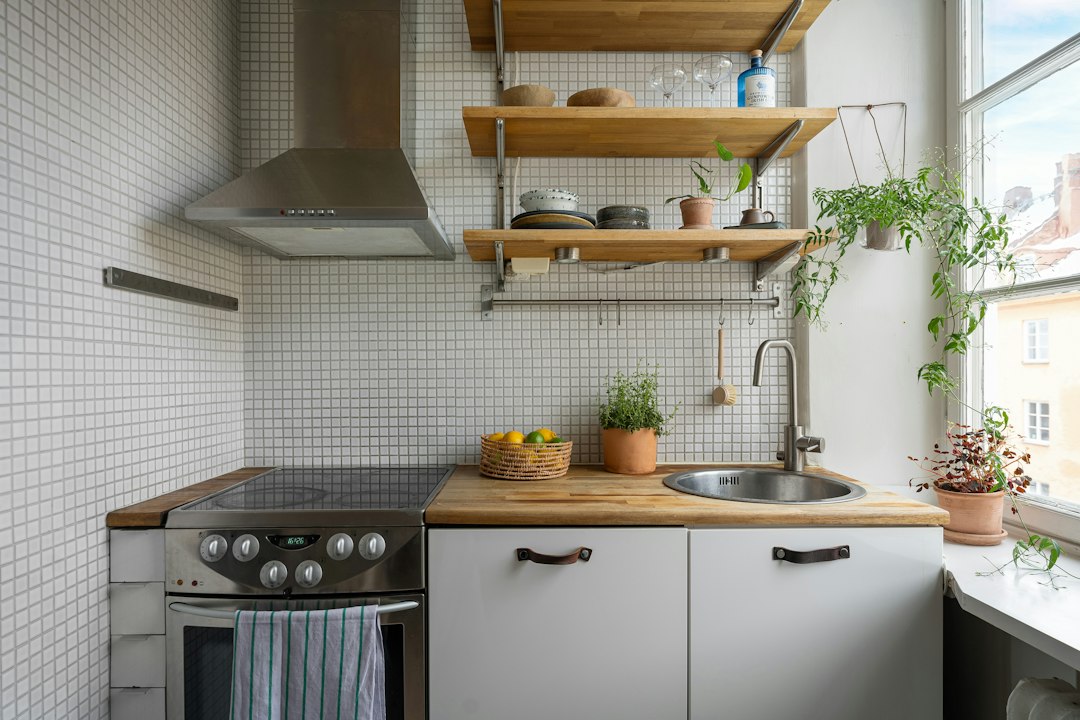
Keep the floor clear enough for a two-minute sweep
Bins, stools, reusable bags, pet bowls, step stools, and packages can turn a quick floor reset into furniture moving.
Keep only the floor items that genuinely need to live there and give them stable positions.
Handle wet spills immediately
Water, sauces, oil, and other spills should be dealt with promptly using a method appropriate to the floor material. A wet or slippery floor is not something to leave for the weekly clean. If you are working on the same space, How to Clean a Small Kitchen Without Moving Everything Off the Counters covers the next decision in more detail.
Sweep or vacuum the high-drop zones after the busiest meal
You may not need the whole floor every night. A short pass under the prep area, stove, sink, and dining edge can capture most daily debris.
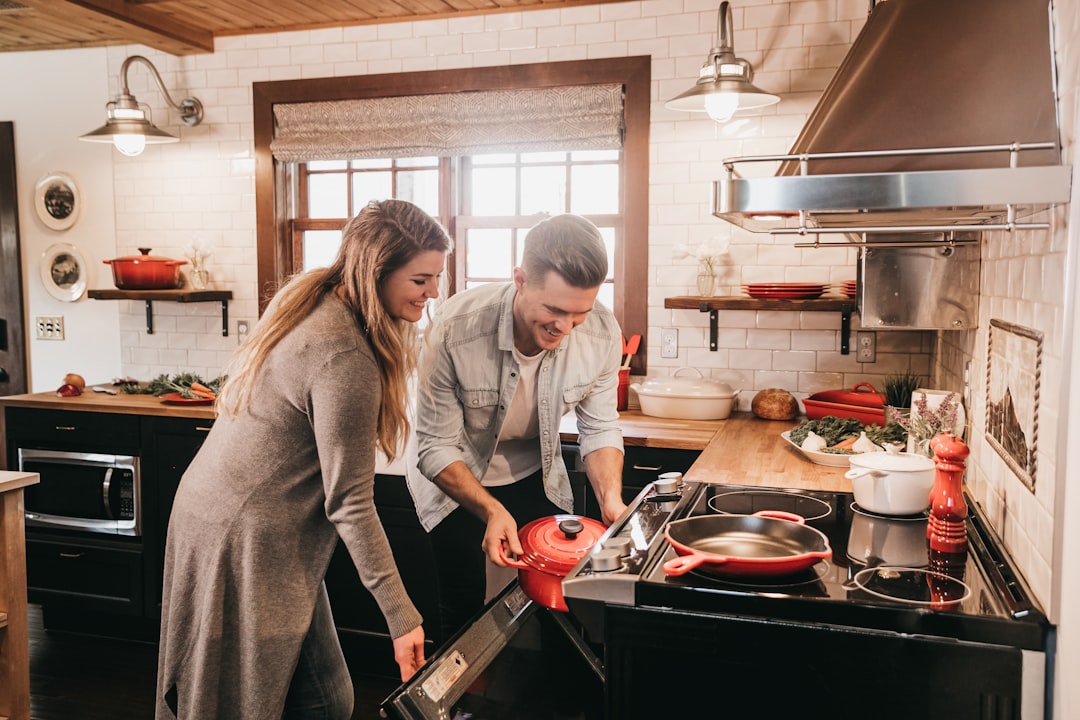
Keep the sink mat or floor mat intentional
Mats can catch water and debris, but they also hide what is underneath. Choose washable or maintainable mats appropriate to the space, and clean beneath them regularly. You may also find Small space appliances worth buying useful for a closely related small-home problem.
Do not let recycling and groceries become floor storage
Cardboard, shopping bags, bulk drinks, and pantry overflow often sit on the kitchen floor “temporarily.” That blocks cleaning and makes the room look dirtier even before actual debris appears.
Use a crumb check before leaving the kitchen
After dinner cleanup, look at the floor in the main drop zones. If you can see crumbs, sweep or vacuum them now instead of letting them spread into the living room.
Choose the right wet-cleaning rhythm
Mop or wet-clean according to the floor material, visible soil, spills, and household traffic. Follow manufacturer guidance for wood, laminate, tile, vinyl, or other surfaces.
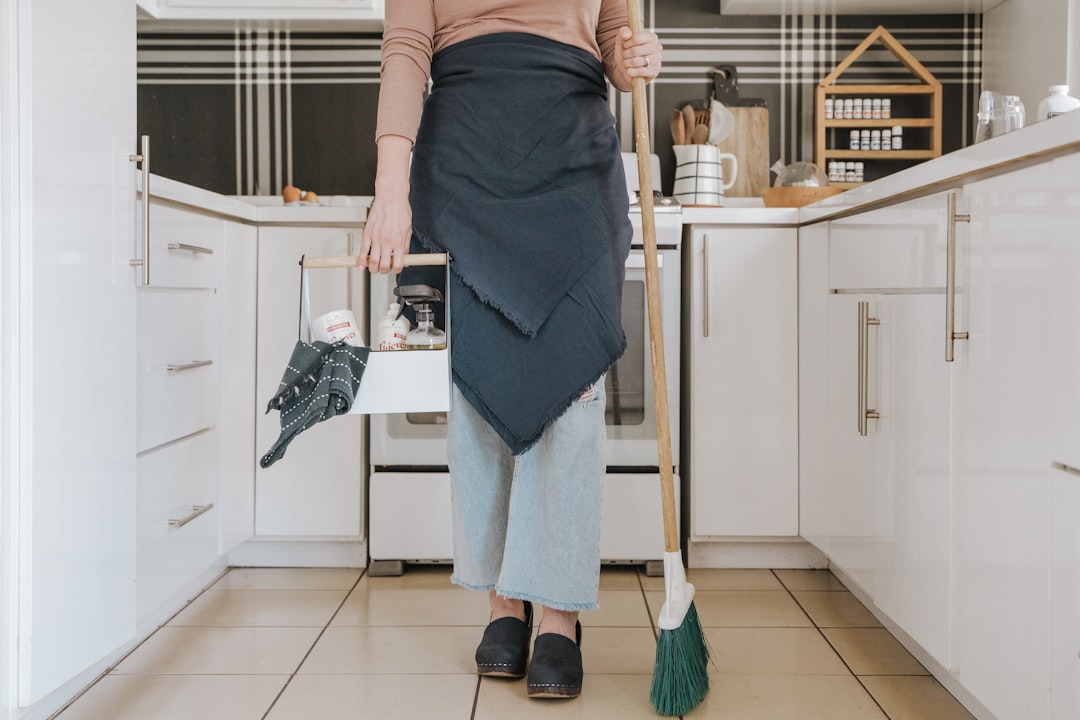
Keep cleaning tools easy to reach
A compact broom, cordless vacuum, or other appropriate tool is more likely to get used when retrieval takes seconds.
For storage, see Where to Store a Vacuum, Mop, and Broom in a Small Apartment.
The five-minute kitchen-floor close
- remove floor clutter,
- pick up large food pieces,
- sweep/vacuum the high-drop zones,
- spot-clean fresh spills as appropriate,
- shake or reset mats if needed,
- leave the route to the rest of the home clear.
If kids help in the kitchen
Expect more crumbs and spills. Give children a simple end-of-task responsibility such as picking up large pieces, returning a step stool, or moving their chair back.
If pets eat nearby
Keep pet-food debris and water bowls in their own easy-to-clean zone so the kitchen cleanup routine stays predictable.
Pair floor care with the nightly kitchen reset
Use The 15-Minute Nightly Kitchen Reset for Busy Families to connect dishes, counters, and the floor into one closing routine.
Frequently asked questions
Do I need to mop the kitchen every day?
No. Address spills immediately, then wet-clean based on the floor type and actual buildup.
Why does a small kitchen floor get dirty so fast?
Prep, cooking, sink use, and dining happen close together, so debris concentrates in a small visible area.
What is the fastest daily floor routine?
Clear obstacles and target the prep, stove, sink, and dining drop zones rather than treating the whole floor equally.
Clean where the cooking happens
A small kitchen floor stays manageable when crumbs are caught before they travel, spills do not sit, and the main drop zones get a short reset after the busiest meal. If you are working on the same space, How to Keep a Small Kitchen Clean When You Cook Every Day covers the next decision in more detail.