Some days the bedroom does not become “messy” slowly. It happens all at once.
Clothes miss the hamper. A bag lands beside the bed. Clean laundry sits on a chair. The bed becomes a temporary desk. By evening, the room looks like it needs an hour even when most of the mess is just five categories in the wrong places. For a related step-by-step approach, see How to Keep a Small Bathroom Clean Between Deep Cleans.
This reset is for those days. Set a timer for fifteen minutes and work by function, not perfection.
Minute 0–3: rescue the floor
Pick up anything blocking the walking path first. Shoes go to their home. Bags go to hooks or a parking spot. Trash leaves. Clothes are separated into dirty, wear again, and put away.
Do not fold yet unless the item has an obvious home and takes seconds.
Minute 3–6: clear the bed
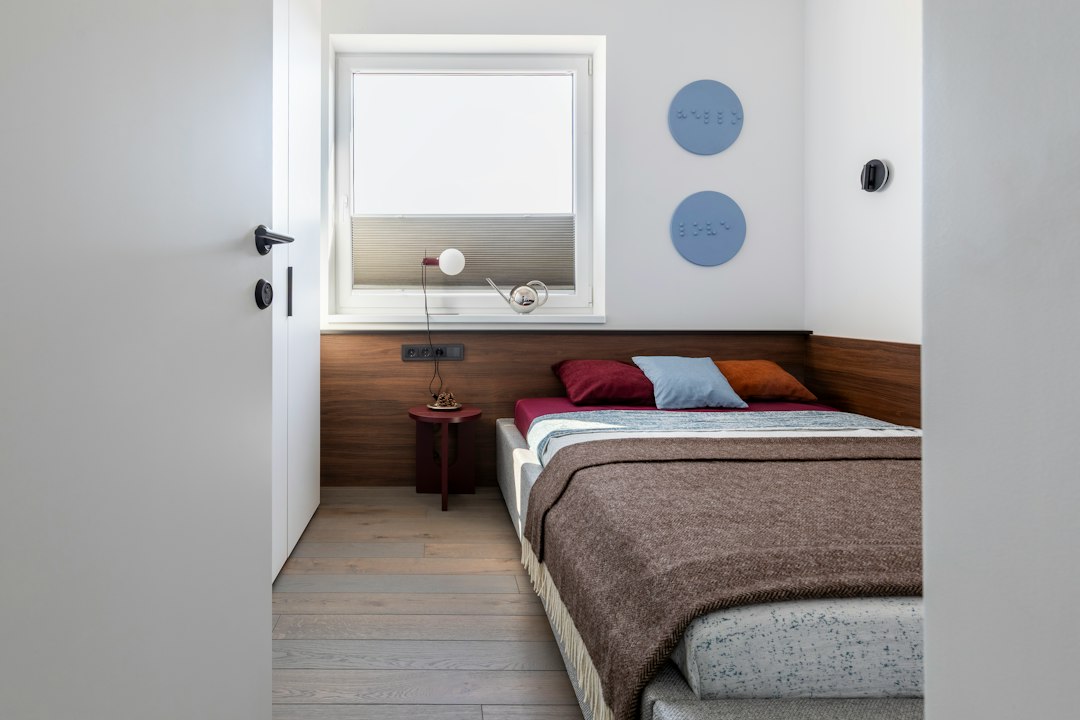
The bed should return to one job: sleep. Move paper, devices, clothes, packaging, and bags off it.
If the sheets are fine, simply straighten them. This is not the moment to turn the reset into laundry unless bedding genuinely needs it. You may also find The 20-Minute Small-Home Reset Before Guests Arrive useful for a closely related small-home problem.
Minute 6–9: close the clothing loop
Dirty clothes to hamper. Wear-again clothes to the designated hook or zone. Clean clothes into drawers, closet, or one temporary clean-laundry basket if time is tight. For the broader setup, How Often Should You Clean Everything in a Small Home? is a useful next read.
The rule is simple: no loose clothing remains on the floor or chair.
Minute 9–11: reset the bedside area
Remove cups, dishes, receipts, wrappers, and items that belong elsewhere. Return charger, book, glasses, or medication to their usual places.

Minute 11–13: clear one visual surface
Choose the dresser top, desk, or chair. Clear the surface that makes the room feel most crowded.
You do not need to solve every hidden drawer. One calm surface changes the room quickly.
Minute 13–15: set up tomorrow
Put out tomorrow’s clothes if that helps your morning. Put the bag you need near the door. Plug in the device you will use.
End the reset by making the next morning easier, not by chasing a perfect room.
What to ignore during the reset
- drawer reorganization,
- closet decluttering,
- under-bed storage,
- seasonal rotation,
- deep dusting,
- sentimental decisions.
Those are separate projects. A reset should restore the room’s basic functions fast.
The five-minute emergency version
If fifteen minutes feels impossible, do only four things:
- clear the floor path,
- put dirty clothes in the hamper,
- clear the bed,
- remove trash and dishes.
If clothes are always the reason the room falls apart
Build a better clothing traffic system instead of repeating emergency resets. See How to Keep a Small Bedroom Clean When Clothes Keep Piling Up.
If the room still feels cluttered after the reset
The problem may be visual volume rather than mess. Use How to Make a Small Bedroom Feel Less Cluttered Without Buying More Storage.
A simple reset rule for busy weeks
Do not wait until the room “deserves” cleaning. Reset when the bed, floor path, or chair loses its function. Those are early warning signs. If you are working on the same space, A Realistic Deep-Cleaning Checklist for a Small Home covers the next decision in more detail.
Frequently asked questions
Should I clean the floor during the reset?
Only if debris is obvious and you have time. The main goal is to make the floor accessible again.
What if clean laundry takes longer than fifteen minutes?
Contain it in one clean basket and schedule the put-away step. Do not mix it back into dirty or wear-again clothing.
How often should I do this reset?
Use it whenever the room’s basic functions—sleeping, walking, dressing—start getting blocked.
Fifteen minutes is enough to make the room work again
A bedroom does not need to look perfect to feel better. Clear the floor, rescue the bed, close the clothing loop, calm one surface, and make tomorrow easier. That is a successful reset.