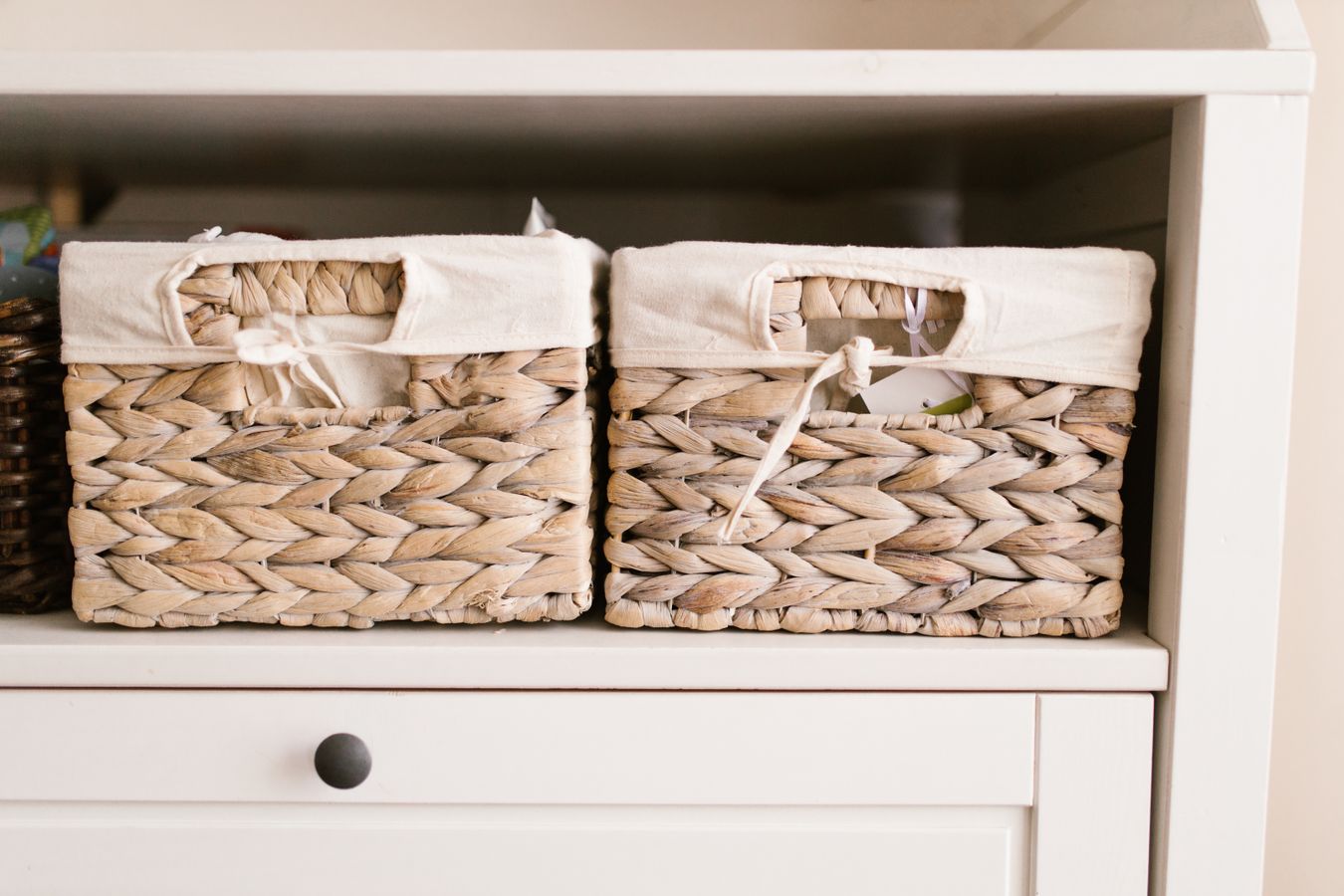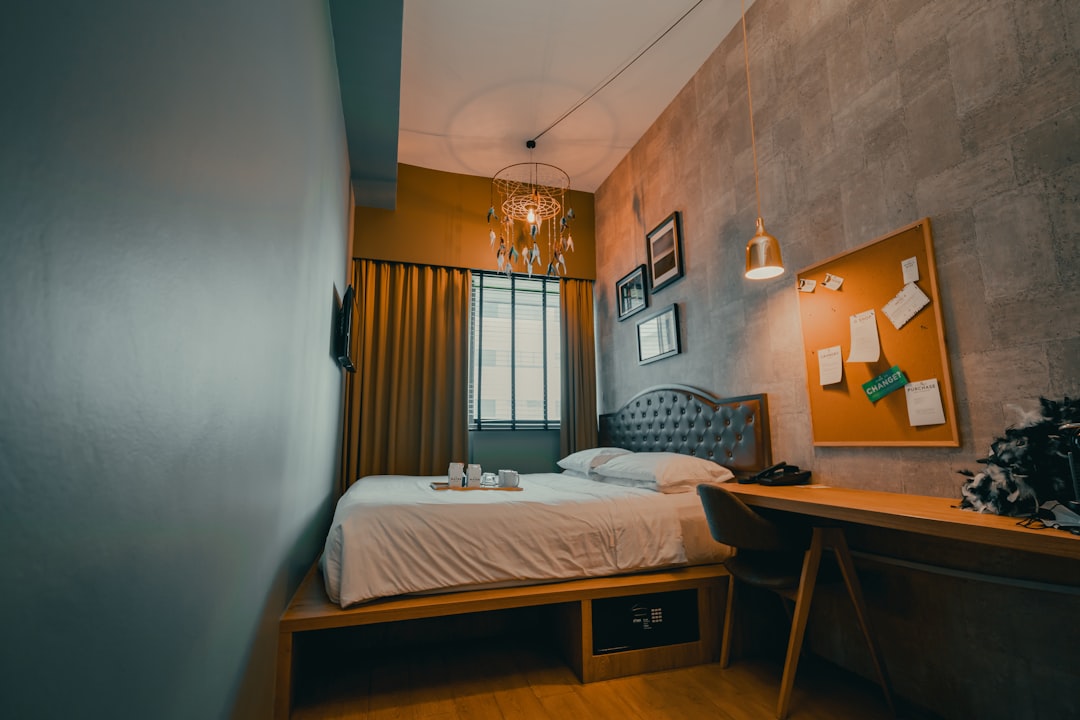
A small bedroom can feel crowded even when everything technically has a place. The problem is often not a lack of storage. It is that too much is visible at once: clothes on the chair, cords on the nightstand, bags on the floor, products on the dresser, and baskets filling the last open corners.
Before buying another organizer, try a different question: what can leave the room, leave the surface, or leave the daily-use zone?
Start with the three places your eyes notice first
In most bedrooms, the bed, floor path, and largest horizontal surface dominate the visual impression. Clear those before touching drawers.
- Make the bed usable and mostly clear.
- Open the walking path from the door to the bed and closet.
- Clear most of the dresser top or nightstand.
Those three changes usually create more calm than adding another basket.
Reduce the number of “temporary” storage spots
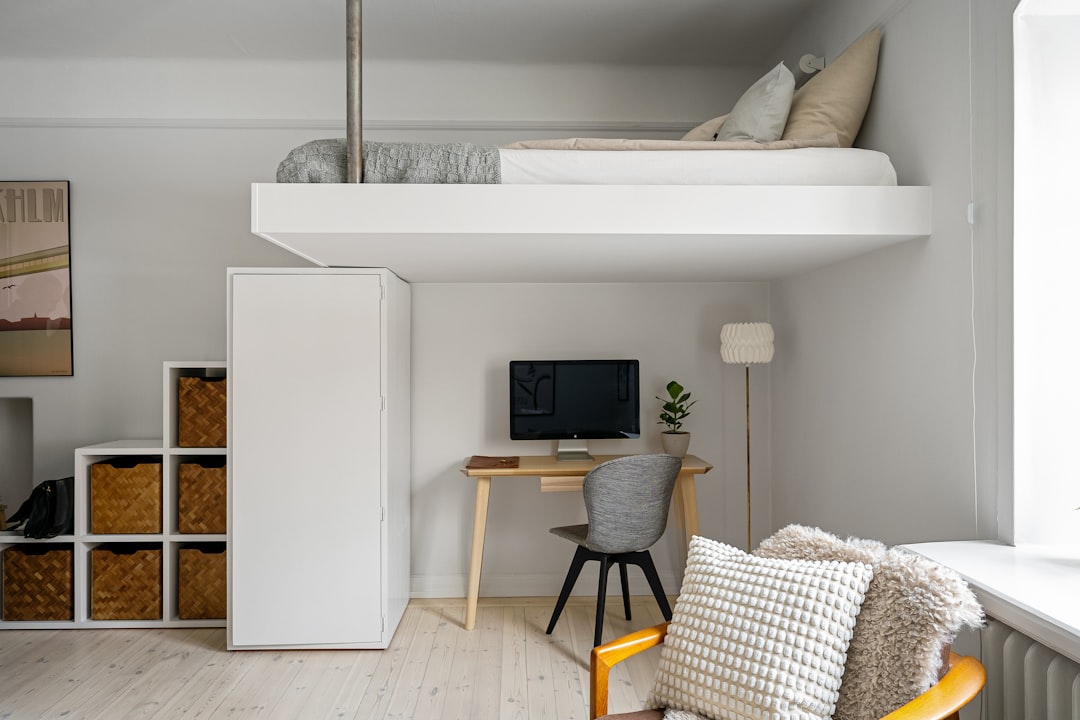
A chair, bed corner, windowsill, bench, and floor basket can all become holding zones. Too many holding zones make the room feel unfinished all the time.
Choose one legitimate temporary zone for clothes that can be worn again and one for items leaving the room. Remove the rest.
Let the room show fewer categories
Open storage is useful, but visible categories add visual information. If one shelf shows books, skincare, jewelry, chargers, paperwork, perfume, and spare toiletries, the room will feel busier than the square footage suggests.
Keep the categories used every day visible. Move backups, seasonal items, archives, and low-use supplies elsewhere.
Fix clothing traffic before styling the room
If clothes are the main source of mess, address the flow from wearing to laundry to put-away. Use How to Keep a Small Bedroom Clean When Clothes Keep Piling Up for the full system.
Protect one almost-empty surface
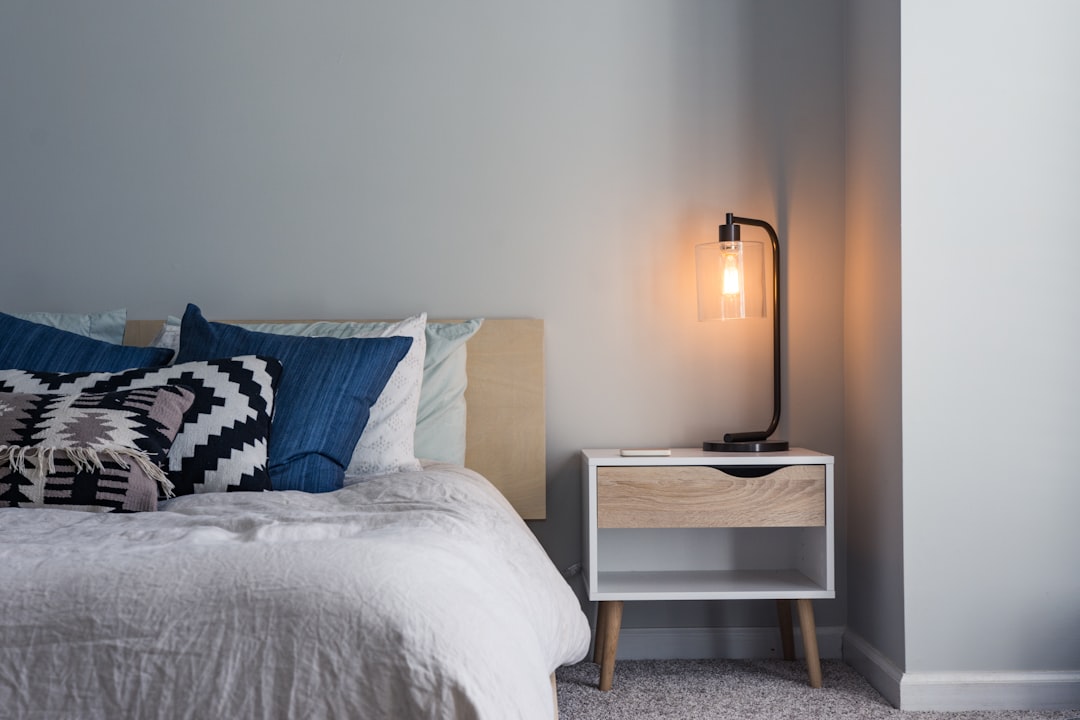
You do not need every surface empty. One visually quiet surface is enough to give the room a resting point.
Choose the dresser, desk, or nightstand and keep only the few things that belong there permanently. Temporary items should stand out instead of blending into a permanent layer of stuff.
Stop using the floor as backup storage
Floor baskets, spare bags, shoe piles, cardboard boxes, and “things to deal with later” shrink the room visually and physically.
If an item has to live on the floor, give it a precise footprint. Otherwise, move it to a shelf, closet, under-bed zone, or out of the room.
Use the closet door as a decision point
Before adding hooks to every available wall, decide what belongs in the bedroom at all. Daily clothing and personal items make sense. Household overflow, old paperwork, bulk toiletries, and random storage often do not.
Remove furniture that exists only to hold clutter
If a bench or chair is never used for sitting and only collects clothes, it may be costing more space than it gives back. A smaller room sometimes improves when one piece of furniture leaves.
Limit duplicate soft items
Extra pillows, throws, decorative blankets, and stuffed items can make the room look full even when they are neatly arranged. Keep enough for comfort and move the rest to a seasonal or sentimental category.
Contain cords to one charging zone
Loose chargers create visual clutter faster than their size suggests. Give phones, watches, headphones, and other daily devices one charging area. Store spare cables elsewhere.
Edit the top layer, not every hidden drawer
You do not need a full declutter to make the bedroom feel calmer today. Start with what you can see:
- bed,
- floor,
- chair,
- dresser top,
- nightstand,
- open shelves.
Hidden storage can be a separate project.
Diagnose one visible pile before adding storage
| What keeps collecting? | Question to ask | First change to test |
|---|---|---|
| Clothes on a chair | Are they clean, worn again, dirty or awaiting a decision? | Use the correct clothing destination rather than one mixed pile |
| Work papers near the bed | Can the work session close without leaving its reminder visible? | Create an active project home and next-action note |
| Unopened supplies on the floor | Does the room need to hold this reserve? | Review the category’s agreed location and quantity |
| Small objects on every surface | Is there one convenient return location for each daily group? | Make that home clearer before buying matching trays |
Finish a visible reset without exporting the problem
- Remove waste and dishes through their normal routes.
- Route clothing by its actual state.
- Restore the normal approach to the bed and clothing storage.
- Clear one useful surface and return its legitimate contents.
- Name the next action for anything still unresolved.
Work to a manageable scope; the sequence is more important than a fifteen-minute target. Moving everything under the bed may hide the view while leaving the room harder to maintain. If under-bed storage is appropriate, use a labeled inventory and retrieval plan.
Buy storage only for an observed failure
After the next ordinary dressing or work session, note what failed. “A drawer needs a removable divider for two named groups” is a clearer brief than “the bedroom needs organization.” Measure inside dimensions and the access needed to use the product, not just the gap where it could sit.
The capacity ceiling method helps distinguish volume from access. Use the workspace shutdown guide when the same desk materials keep migrating to sleeping areas.
Frequently asked questions
Why does my bedroom look cluttered even when it is clean?
Too many visible objects, crowded surfaces, floor storage, and several temporary holding zones can make a clean room look busy.
Do matching baskets make a room look less cluttered?
They can reduce visual variation, but they do not solve excess volume. Fewer visible categories usually has a stronger effect.
What should I clear first?
Start with the bed, walking path, and one large surface. Those areas change the room’s visual baseline quickly.
Calm comes from subtraction before storage
A small bedroom feels larger when fewer things compete for attention. Protect the bed and floor path, reduce temporary piles, move low-use categories out of sight, and let at least one surface stay quiet. Often the room needs fewer visible decisions—not another organizer.