Spice organization has become strangely performative online. A drawer of identical glass jars, perfectly centered labels, and alphabetized lids photographs beautifully. It can also turn a fifteen-minute kitchen problem into a weekend project involving forty new containers. For a related step-by-step approach, see How to Organize Pots, Pans, and Lids in a Small Kitchen Without Restacking Everything.
For a small family kitchen, I think the more useful question is simpler: Can you find the spice you need while something is already sizzling on the stove? If the answer is yes, the system is working—even if the bottles came from six different brands. For the broader setup, How to Create a Family Snack Station in a Small Kitchen Without Encouraging More Clutter is a useful next read.
The most sustainable spice setup is usually the one that preserves visibility, prevents duplicates, and makes restocking obvious. Matching jars are optional.
First, decide where spices actually belong in your cooking routine
Do not start with a rack. Start with the moment you reach for seasoning. If you season food at the stove, spices need to be near that cooking zone without being exposed to inappropriate heat, steam, or splatter. If most prep happens on one counter, a drawer or cabinet near that counter may make more sense.
This sounds obvious, but it is where many systems go wrong: people choose the prettiest empty cabinet rather than the location that supports the actual cooking path.
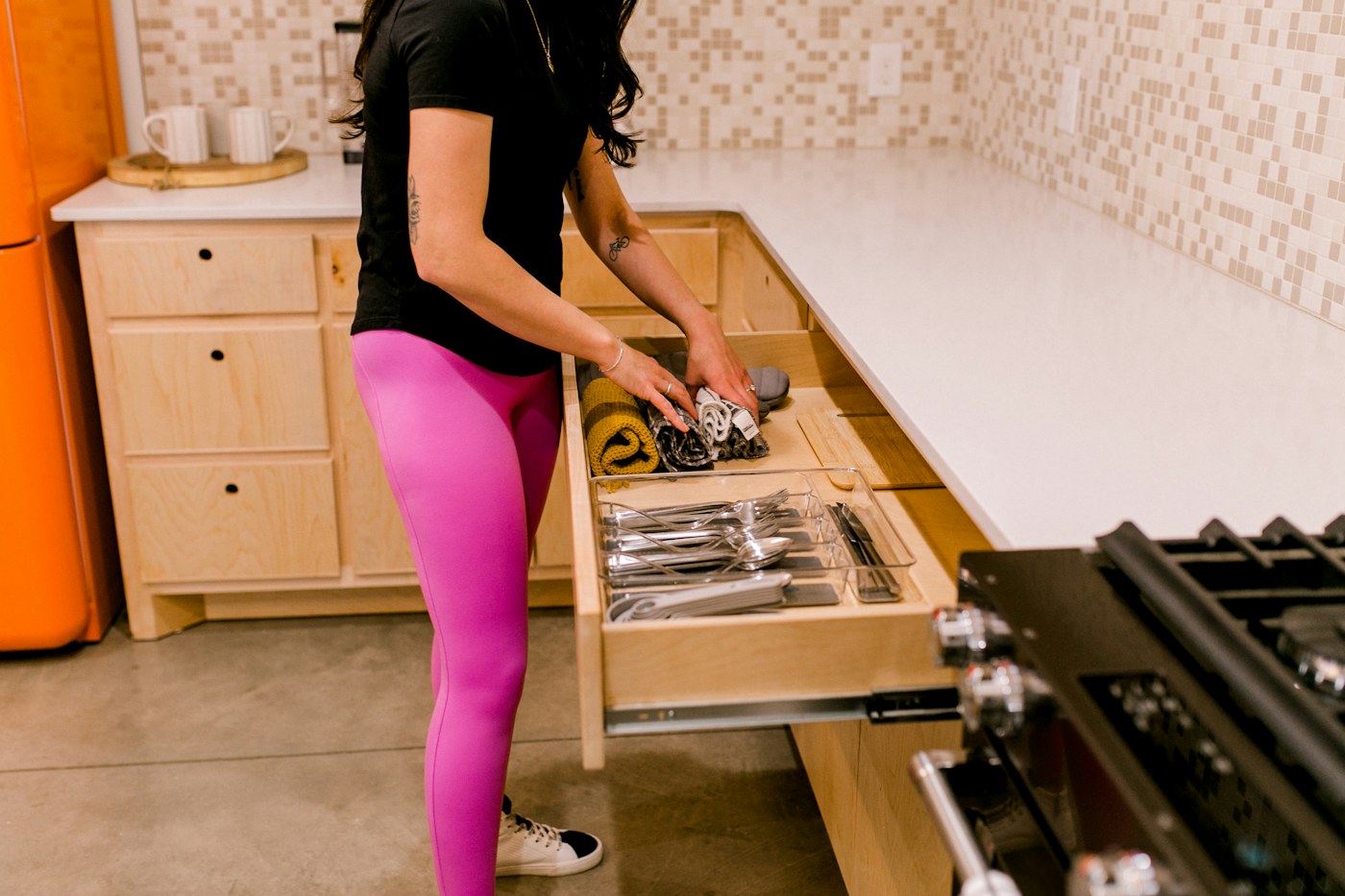
Pull everything out once—and look for duplicates before you organize
Spice cabinets hide duplicates exceptionally well because containers are small and labels face different directions. It is common to find two garlic powders, three cinnamon containers, and a seasoning blend nobody remembers buying.
Group identical or closely related items and check dates, quality, packaging condition, and whether the household still uses them. Follow manufacturer guidance for storage and use.
The point of this edit is not minimalism for its own sake. It is to stop paying for ingredients you already own because the first bottle disappeared behind something taller.
Keep the original container unless decanting solves a specific problem
There are valid reasons to decant: awkward packaging, a bulk spice used constantly, or a drawer where uniform height genuinely improves access. But decanting every spice simply because a matching set exists creates extra work.
Original containers keep brand information, ingredient details, best-by information, and product identification together. If you do decant, preserve the information your household needs and clean containers appropriately.
My general rule: do not add a transfer step to a household system unless that transfer buys you something meaningful.
Choose one of three retrieval styles
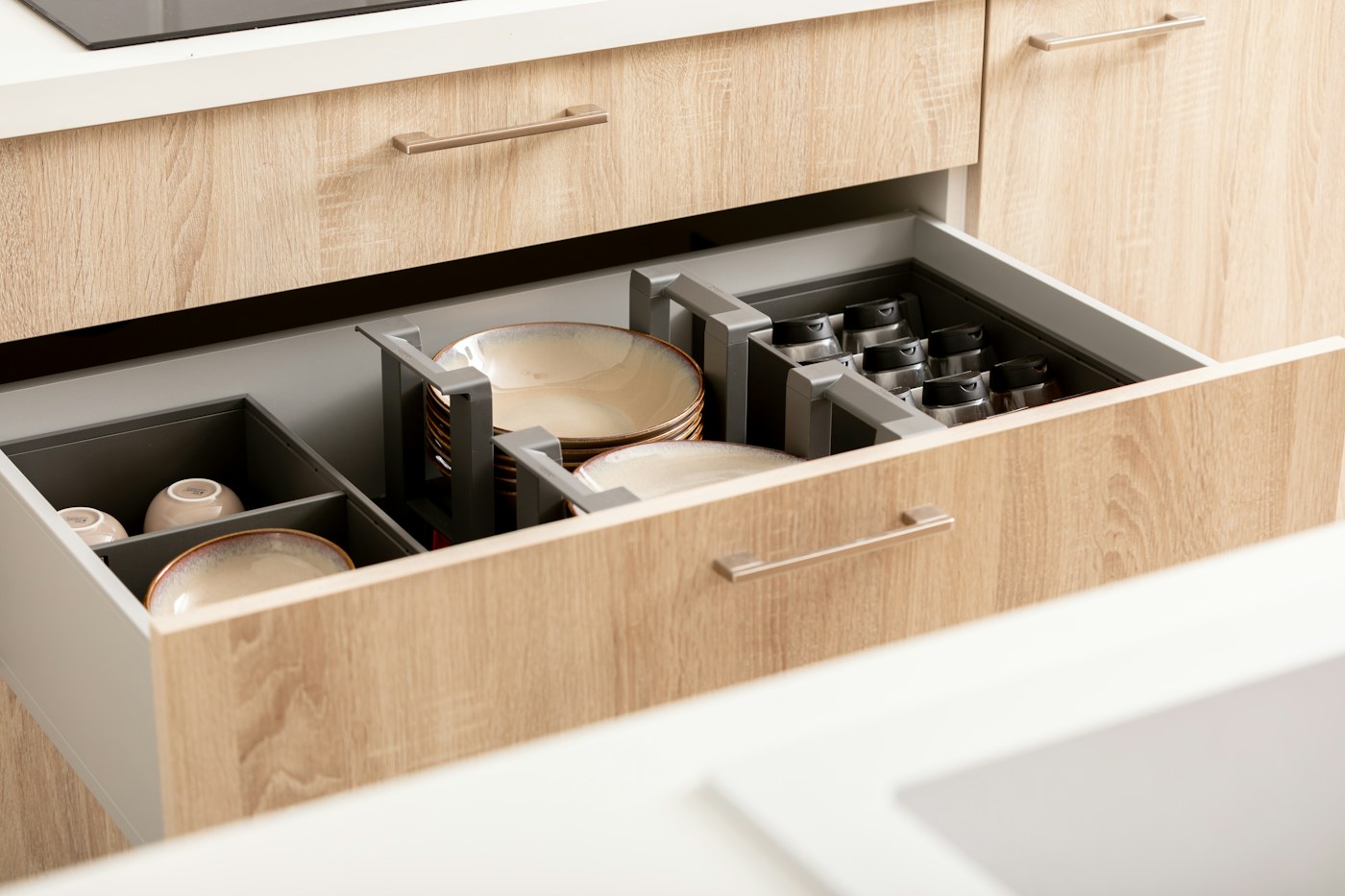
1. Label-up drawer storage
This is one of the best options when you have a shallow drawer near the prep zone. Bottles lie or stand in a way that lets you read the tops or labels from above.
The advantage is visual scanning: you can see a large part of the collection at once. The disadvantage is that tall or unusually shaped containers may not fit.
2. Tiered cabinet storage
A small riser can prevent the second row from disappearing completely behind the first. It works best when bottles remain visible and the shelf is not so deep that a third hidden row develops behind the riser.
3. Pull-forward bin storage
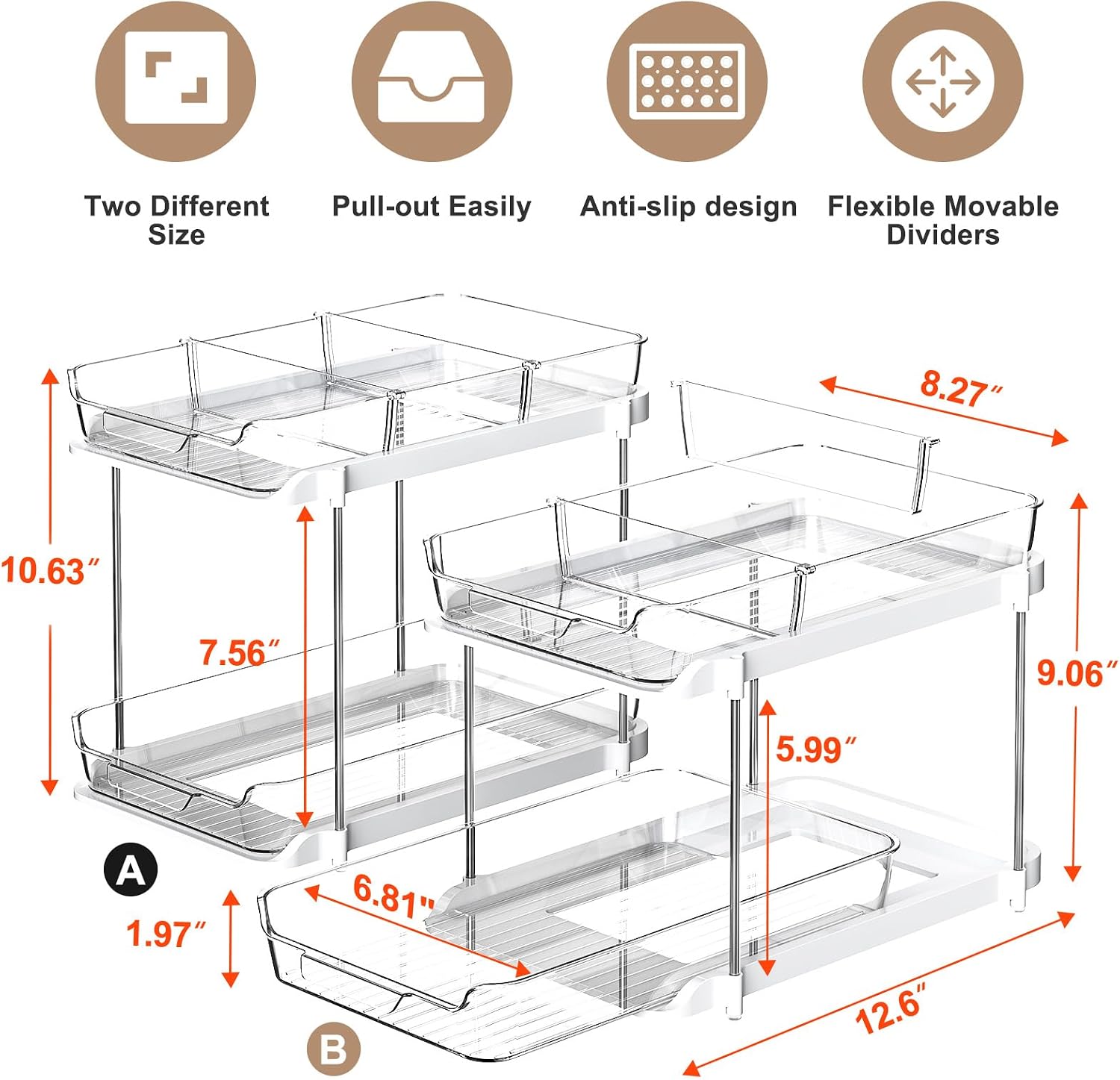
If the cabinet is deep, a few broad bins can work better than a fixed rack. Group “everyday savory,” “baking,” or “blends,” then pull the whole group forward when needed.
This is less visually perfect, but in an awkward rental kitchen it is often the most forgiving system.
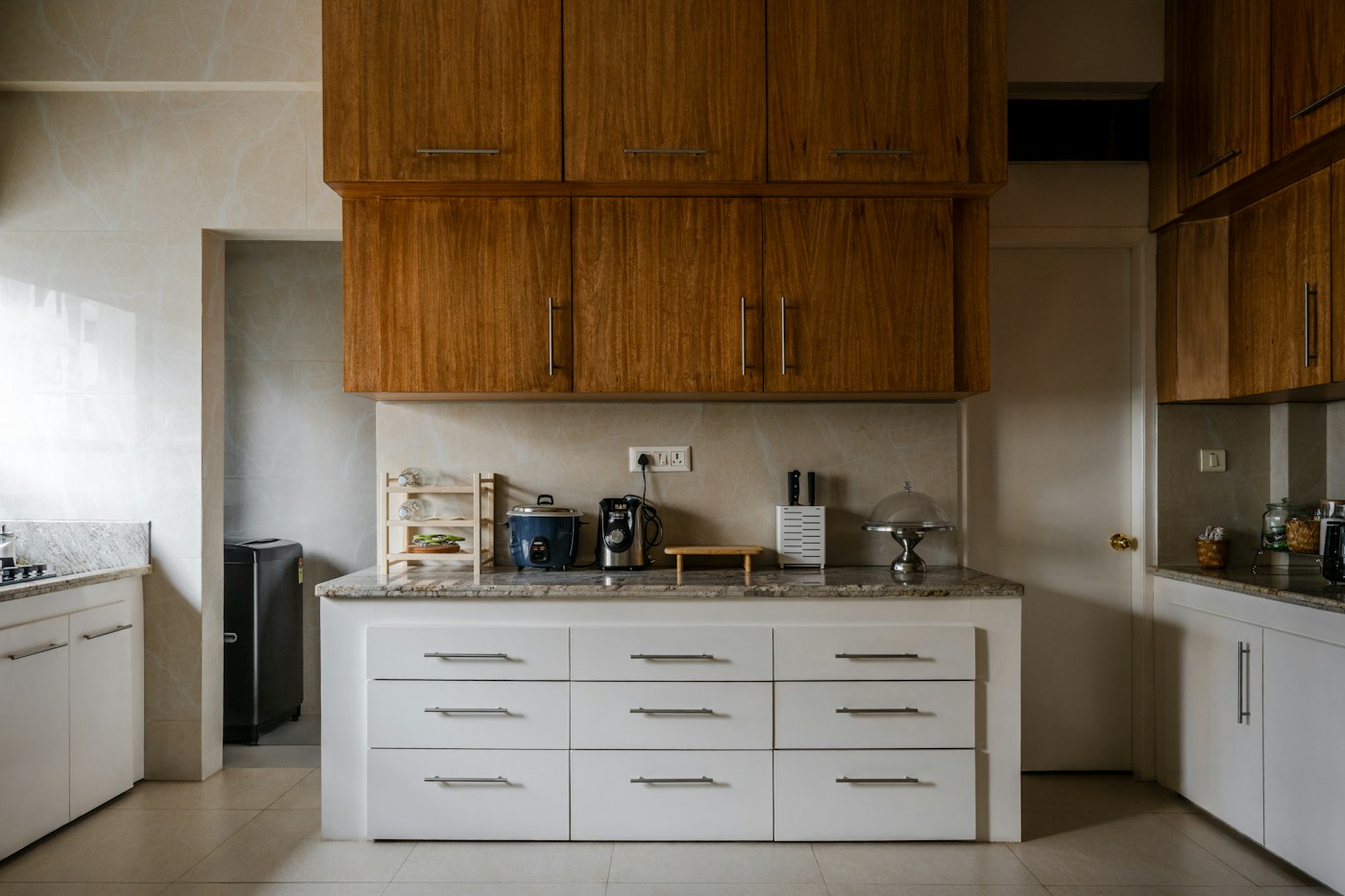
Organize by how you cook, not by what an organizer says
Alphabetizing makes sense for a large collection. For a smaller family kitchen, frequency or cooking function may be faster.
For example:
- Daily savory: salt-adjacent seasonings, garlic, paprika, pepper, herbs.
- Heat and depth: chili flakes, cayenne, cumin, curry blends.
- Baking and sweet: cinnamon, nutmeg, ginger, cloves.
- Occasional/global blends: mixes used for specific recipes.
The exact categories are not important. What matters is that the person cooking can predict where a bottle should be.
Put the most-used spices in the easiest 20 percent of the space
Not every bottle deserves equal access. If your family uses garlic powder four times a week and cardamom twice a year, they should not occupy equally convenient positions.
This is a broader principle I use throughout small-home organization: prime storage should follow frequency, not visual symmetry.
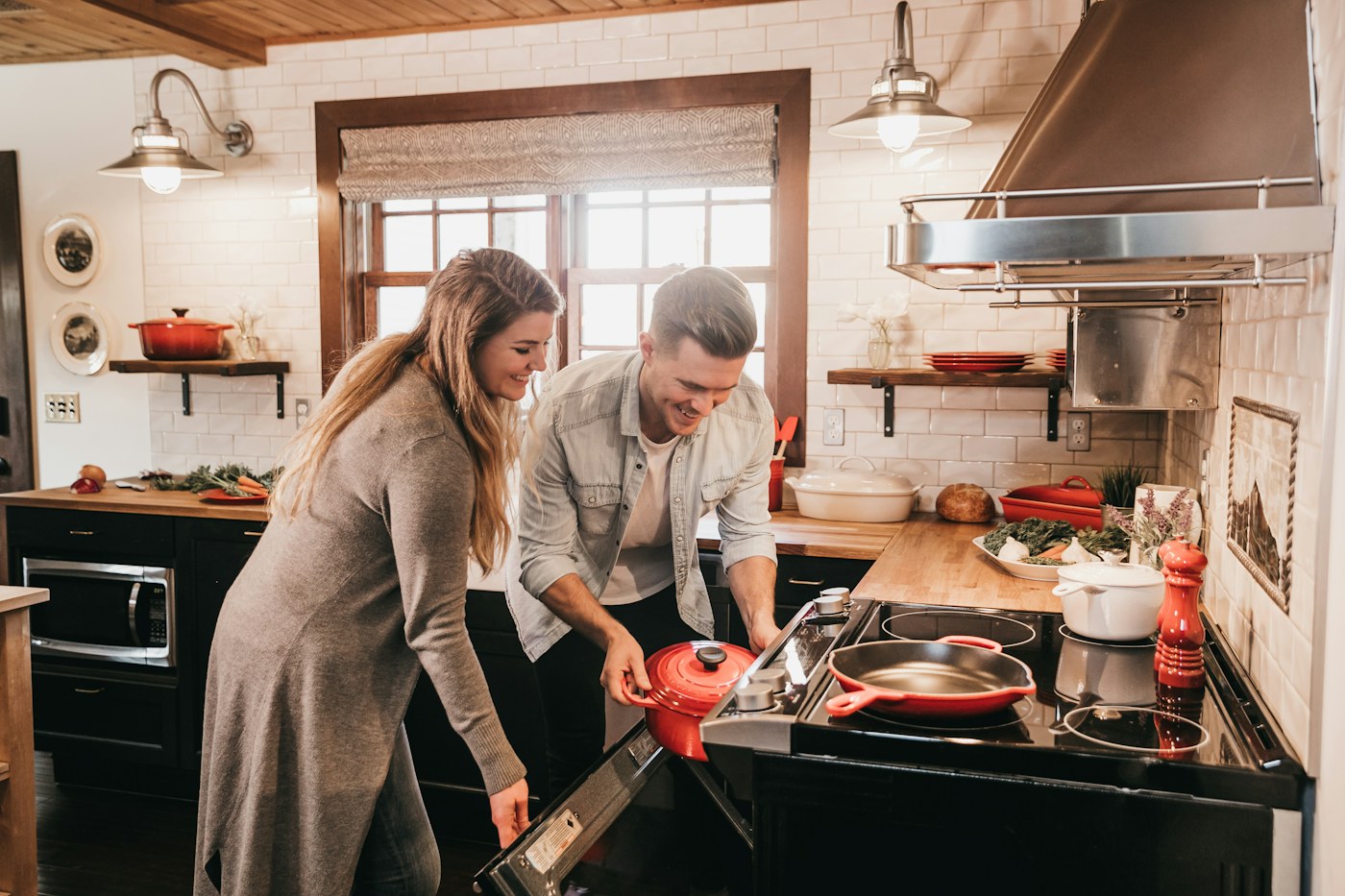
Do not let a spice rack become the reason you keep too many spices
Containers create psychological permission. A 24-slot rack quietly suggests you should own 24 spices. A 48-jar set makes a moderate collection look “incomplete.”
Reverse that logic. Let the collection determine the container. If you regularly use twelve spices, a twelve-spice system is complete.
Keep backup spices out of the active collection
If you buy a refill or duplicate bottle, store it in your grocery backstock—not behind the active bottle where it creates visual noise.
Use How to Store Grocery Backstock in a Small Home Without Turning Every Closet Into a Pantry for the overflow system.
Create a “use soon” position for blends you forget
Every spice collection has one or two jars bought for a recipe and then ignored. Instead of burying them again, place those bottles in a small use-soon section for a month.
If you still never choose them, that tells you something. Organization should help you make decisions, not preserve indecision indefinitely.
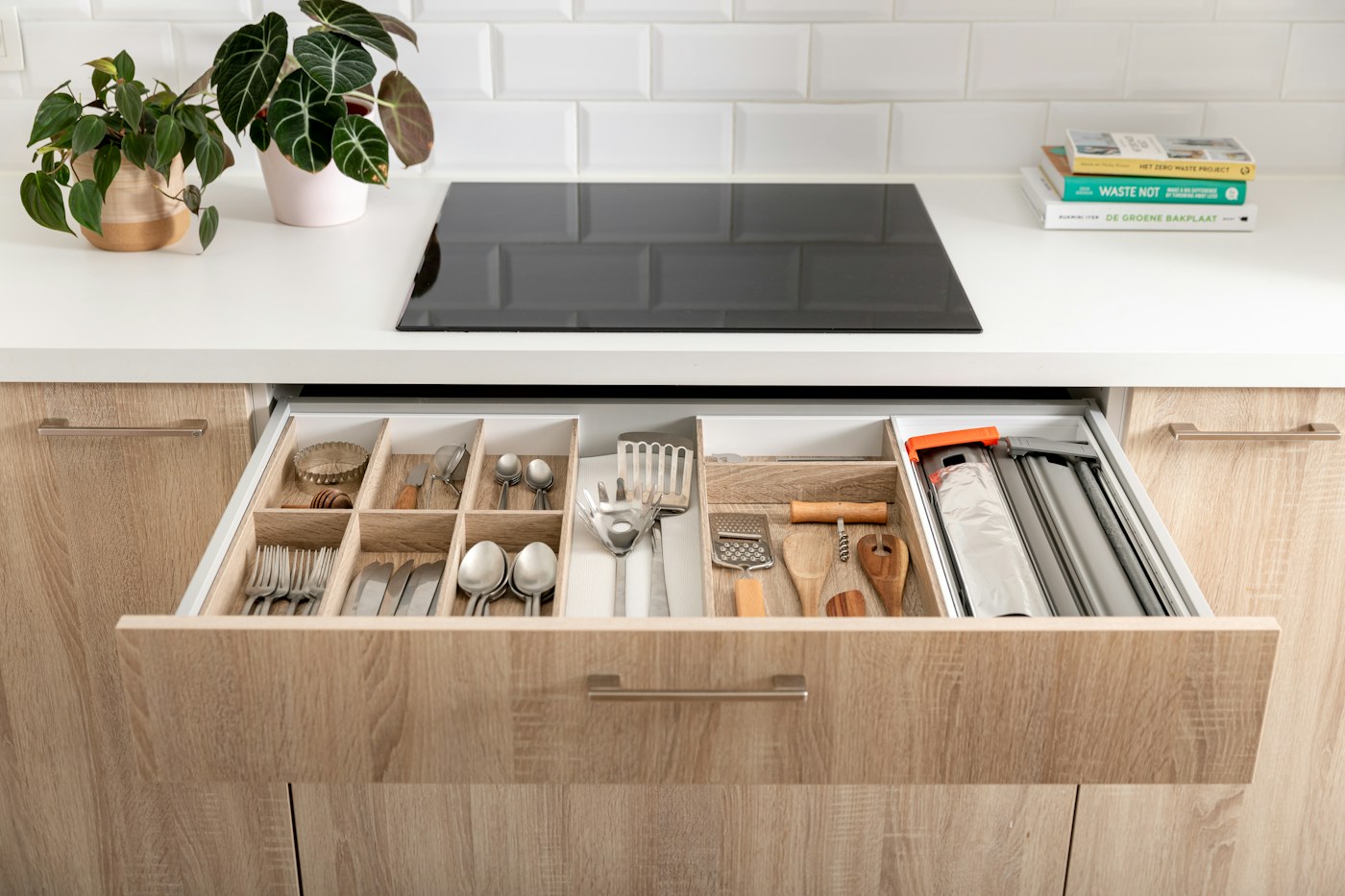
Handle packets and tiny bags before they become confetti
Small seasoning packets are especially good at disappearing. Keep them upright in one narrow container or envelope-style divider. If the packet is opened, store it according to package guidance rather than folding it loosely and hoping for the best.
Watch the heat and steam zone
Convenient does not mean directly above a boiling pot or beside an appliance that produces heat. Choose a location compatible with the storage guidance for the products and with the conditions in your kitchen.
A beautiful shelf over the stove may be visually satisfying and practically poor.
The five-minute weekly spice reset
- Return bottles that wandered to the counter.
- Turn labels outward or upward.
- Move empty containers to the shopping list rather than leaving them in place.
- Combine duplicate backstock only when appropriate and useful.
- Check the use-soon section.
- Wipe obvious residue from the storage area as appropriate.
This is enough. A spice system should not require a forty-minute maintenance ritual.
What I would not buy first
I would not begin with forty matching jars, a complicated label printer, or a large freestanding rack. Those can be useful later, but none of them solves the core problems of duplicate buying, poor visibility, or storing low-use spices in prime space.
Start with what you own. If the problem remains after editing and arranging, then buy the smallest organizer that solves the specific failure.
A practical setup for three common small-kitchen layouts
| Kitchen constraint | Best starting approach | What to avoid |
|---|---|---|
| One shallow drawer available | Label-up drawer layout with broad frequency zones | Containers too tall to close the drawer |
| Deep upper cabinet | Two or three pull-forward bins or a shallow riser | Three hidden rows of loose bottles |
| Almost no closed storage | Small current-use rack away from heat + backstock elsewhere | Displaying the entire lifetime collection |
How this connects to the rest of the kitchen
Spices are one small category, but they reveal whether the kitchen gives prime space to the things used most often. The same logic applies to appliances, food containers, and pantry staples. For a related step-by-step approach, see How to Organize a Small Pantry When Food Has to Share Cabinets With Dishes.
You may also find How to Organize a Small Kitchen Junk Drawer So It Stays Useful helpful for other small utility items, and How to Organize Countertop Appliances in a Small Kitchen for protecting prep space.
What to do with bulk spices and refill bags
Bulk packaging is where a tidy spice system can unravel. A small bottle is easy to place; a large refill pouch or warehouse-size container is not. If you buy a spice in bulk because you genuinely use it often, treat the bulk package as backstock and keep only a practical working amount in the active cooking zone.
The important distinction is between buying in bulk because you use in bulk and buying in bulk because the unit price looked better. A low price per ounce is not a storage win if half the package becomes stale, invisible, or difficult to use.
Keep refill bags upright in one secondary bin, label them clearly if the package is hard to identify, and check that bin before adding the spice to the shopping list. If the household consistently forgets the refill exists, the bulk-buying habit is creating more cognitive load than value.
How to handle spices used for different cuisines
If your family cooks across several cuisines, alphabetical order may be less useful than “recipe memory.” You might naturally think of cumin, coriander, turmeric, and garam masala together because they appear in the same dinner routine. Someone else may prefer all dried herbs together regardless of cuisine.
There is no objectively correct taxonomy. The useful question is: When I am halfway through a recipe, where would my hand instinctively go?
For less-frequent cuisine-specific ingredients, one small labeled bin can prevent the daily-use drawer from becoming too crowded. But avoid turning every cuisine into its own container if each group contains only two jars. Categories should reduce decisions, not multiply them.
If more than one person cooks, design for shared logic
A system that makes perfect sense to one cook can feel arbitrary to everyone else. If two adults cook regularly, agree on a few obvious anchors: daily seasonings in front, baking spices together, unopened refills elsewhere.
You do not need identical cooking habits. You need enough shared logic that one person does not “organize” the cabinet every week after the other person uses it. For the broader setup, How to Organize Cables, Chargers, and Tech Clutter in a Small Home is a useful next read.
This is another reason I prefer broad functional zones over hyper-specific labels. A household system should tolerate slightly imperfect returns.
Run a 30-day spice audit before buying organizers
For one month, notice which bottles actually leave the cabinet. Put a small removable mark on low-use bottles if that helps. At the end of the month, you will have better information than any generic “essential spices” list.
You may discover that ten bottles do almost all the work while twenty-five others occupy the same prime space. That does not mean the occasional spices must go. It means they can move somewhere less convenient.
Frequency data is especially helpful in a very small kitchen because every easy-to-reach inch has an opportunity cost.
Why I prefer visible imperfection to hidden perfection
A cabinet of matching jars can look calm while still hiding a bad system: duplicates in backstock, old spices nobody uses, and a refill process that one person has to maintain. Meanwhile, a drawer of mismatched commercial bottles can work beautifully if every label is visible and every spice has a predictable home.
For Small Home Rhythm, that distinction matters. The site is about systems that survive ordinary family life, not just systems that photograph well on reset day.
If the drawer still makes sense after a rushed dinner, grocery day, and a child helping put things away, it is organized enough.
\nFrequently asked questions
Should spices be alphabetized?
They can be, especially in a large collection. For a smaller household, grouping by frequency or cooking function may be faster.
Are matching jars worth it?
Only when uniform container size solves a real space or visibility problem and you are willing to maintain the transfer process. They are not necessary for an organized spice system.
What should I do with duplicate spices?
Keep the active container easy to reach and move unopened extras into backstock. Review duplicates before buying more.
How many spices should a small kitchen keep?
There is no ideal number. Keep the spices your household genuinely cooks with and enough occasional ingredients to support real recipes—not a theoretical collection.
The best spice cabinet disappears during cooking
That is my favorite test. A good system does not make you admire the jars; it lets you reach, season, and keep cooking without breaking concentration. In a small kitchen, that kind of invisible efficiency matters more than matching labels.