Food storage containers are useful right up until the cabinet becomes a puzzle.
Bowls nest inside one another. Lids lean against the wall. One container has no lid, three lids have no container, and the piece you want is always underneath everything else. For the broader setup, How to Organize a Small Pantry When Food Has to Share Cabinets With Dishes is a useful next read.
A small kitchen needs a container system based on complete sets and limited shapes.
Start by matching every container with a lid
Pull out the category and make complete pairs. Set aside unmatched pieces temporarily while you check the dishwasher, lunch bags, fridge, and other cabinets. If you are working on the same space, How to Organize Deep Kitchen Cabinets So Nothing Gets Lost covers the next decision in more detail.
If a match does not appear, decide whether the orphan still deserves space.
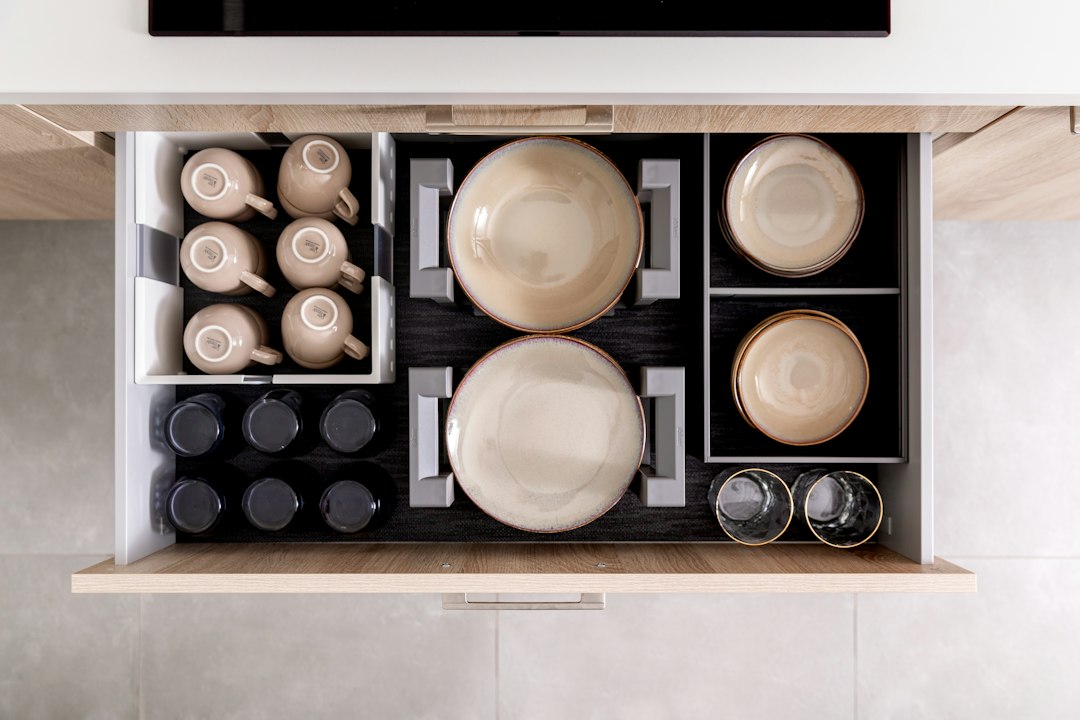
Keep the shapes your family actually uses
If possible, reduce the number of unrelated container systems. Similar shapes nest more predictably and lids are easier to identify.
You do not need to replace everything. Just stop adding new shapes when the current system already works.
Set a hard capacity limit
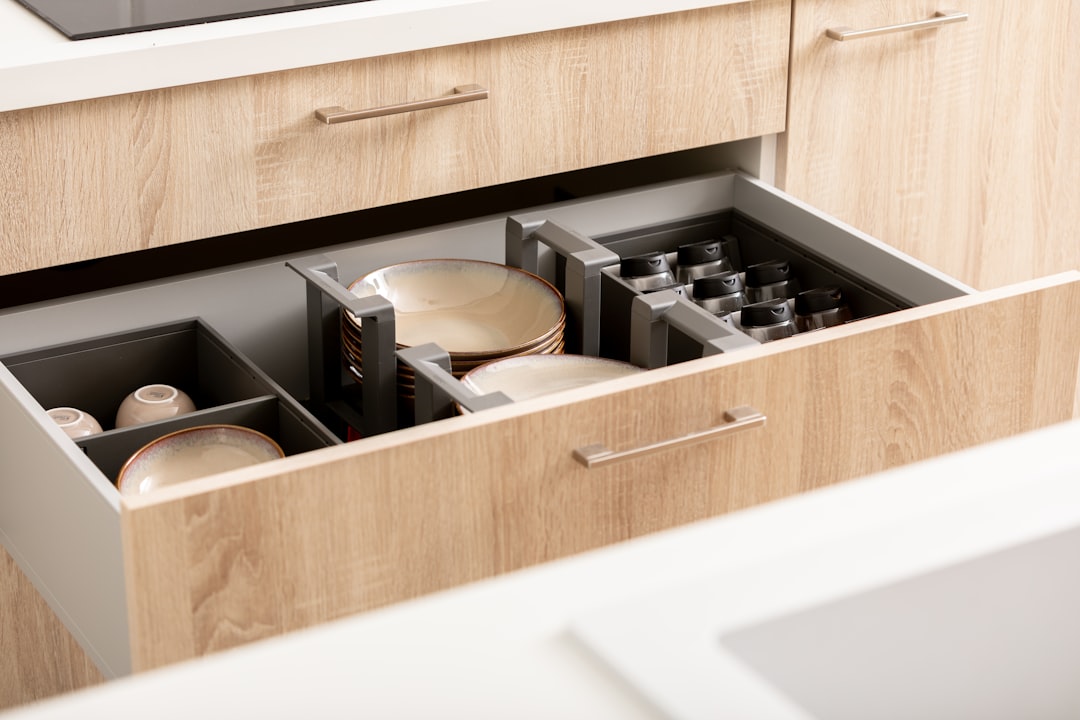
Choose one drawer, shelf, or cabinet. The category should fit without falling out when the door opens.
When the zone is full, review before buying another set.
Store containers nested—but not endlessly deep
Nesting saves space, but a tower of twelve bowls makes the bottom container annoying to retrieve. Create two or three size groups instead of one giant stack.
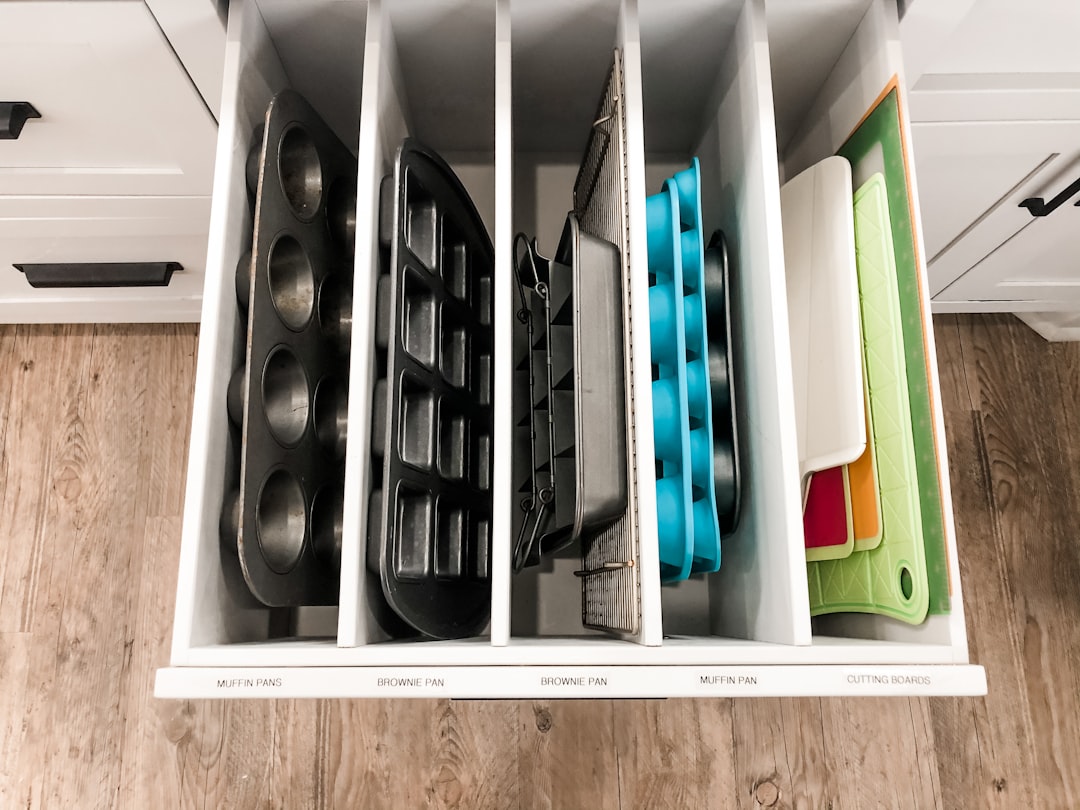
Store lids vertically when the cabinet allows it
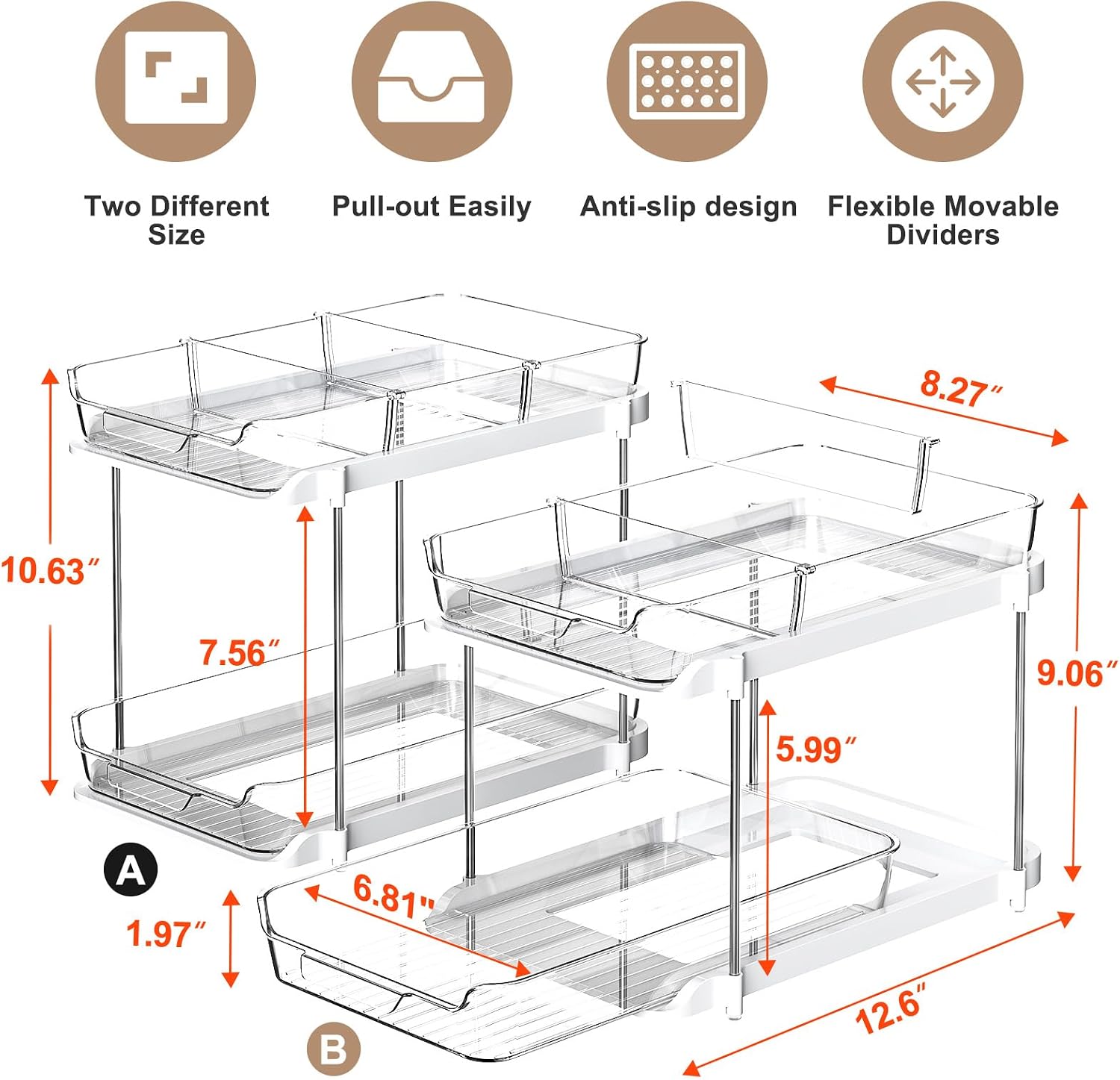
A narrow bin, divider, rack, or drawer section can keep lids upright like files. Group by size or container system.
The best lid organizer is one that keeps the lid visible without requiring exact placement.
Keep lunch containers near lunch supplies
If small snack boxes are used every school day, consider giving them a separate daily-use zone with lunchboxes and bottles.
See How to Store Lunchboxes, Water Bottles, and Reusable Bags Without Kitchen Clutter.
Do not store containers permanently with leftovers inside the fridge
When leftovers are finished, containers need to complete the wash-dry-return loop. A container category becomes impossible to assess when half of it is always hidden in the refrigerator.
Replace damaged pieces thoughtfully
Follow manufacturer guidance for use and discard or recycle damaged containers where appropriate. Do not keep cracked, warped, or unusable pieces just to preserve a set count. For the broader setup, How to Keep a Family Sofa Clean Between Deep Cleans is a useful next read.
Use a “container return” moment
After the dishwasher or hand-washed items are dry, take thirty seconds to:
- nest containers by size,
- return lids to their vertical zone,
- match any suspicious orphan pieces,
- keep the cabinet below full.
The five-minute monthly edit
Look for:
- orphan lids,
- orphan containers,
- damaged pieces,
- duplicate specialty containers you never choose,
- takeout containers that quietly became permanent inventory.
Frequently asked questions
Should I store lids on containers?
That can work if you have enough space and it simplifies your routine. In very small cabinets, separated vertical lids often use space more efficiently.
How many containers should I keep?
Enough for leftovers, lunches, and meal prep patterns your household actually uses—within one defined storage boundary.
What if I have several brands and shapes?
Group by shape/size and avoid adding more incompatible systems. Standardization can happen gradually.
The goal is not perfect nesting
A good container cabinet lets you grab a base and the matching lid without rebuilding a tower. Complete sets, fewer shapes, visible lids, and one hard storage boundary are enough. If you are working on the same space, How to Organize a Small Fridge for a Busy Family Without Losing Food in the Back covers the next decision in more detail.