A small hall closet can become the most overworked storage space in the house.
It gets coats, shoes, backpacks, umbrellas, reusable bags, sports gear, vacuum attachments, hats, gloves, and sometimes everything that does not have another obvious home. For the broader setup, How to Store Outgrown Kids’ Clothes and Gear Without Taking Over the House is a useful next read.
The closet works better when it becomes a current-season launch zone instead of general household storage.
Empty by category, not all at once
Pull out one category at a time—coats first, then shoes, then bags, then accessories. This keeps the hallway usable while you edit.
Give hanging space to current outerwear
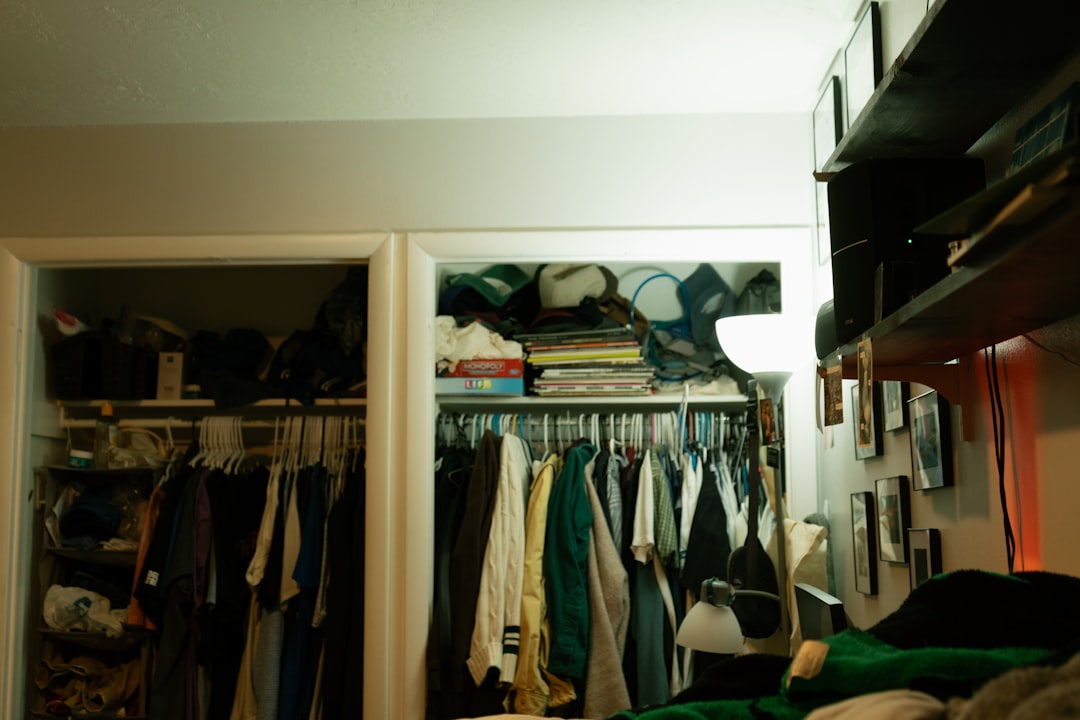
Keep the coats and jackets people are actually wearing now. Move formal, off-season, or rarely used outerwear to lower-frequency storage when possible.
A crowded rod makes every coat harder to retrieve and return.
Protect the closet floor
The floor usually becomes a pile because shoes, bags, and loose equipment compete for the same footprint.
Choose one primary job for the floor: active shoes, a stroller fold, or one basket of outdoor gear. Everything else should move upward or elsewhere.
Use one shoe limit per person
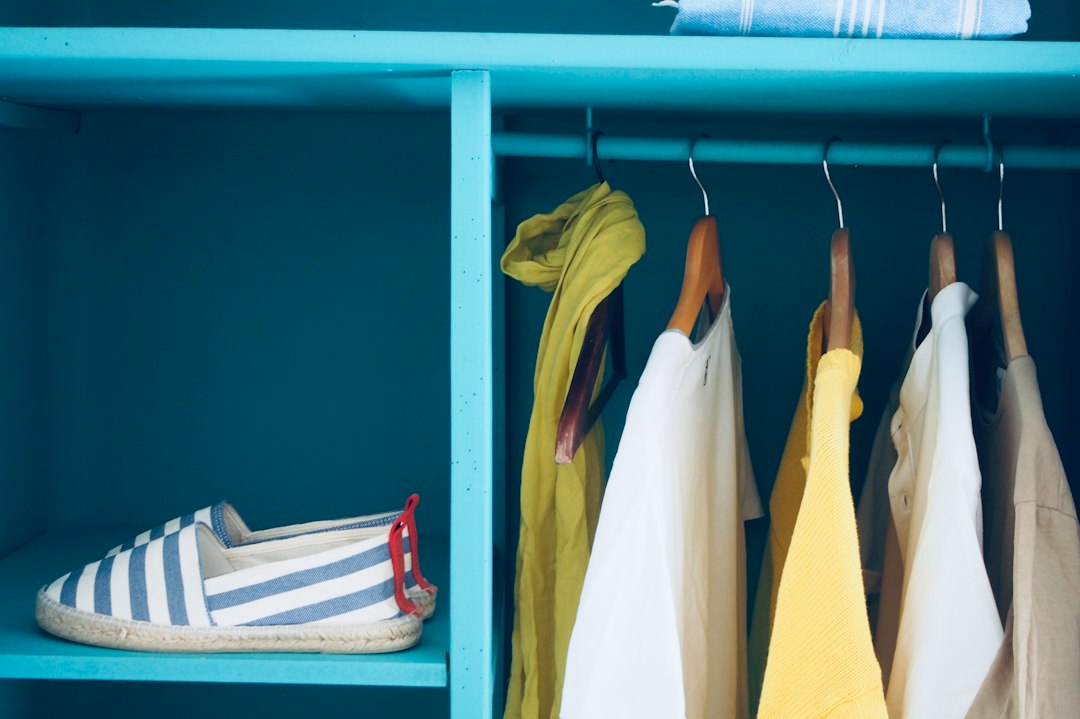
Keep the pairs worn most often near the entry. Bedroom storage can hold special-event, off-season, and low-use footwear.
Give bags a vertical home
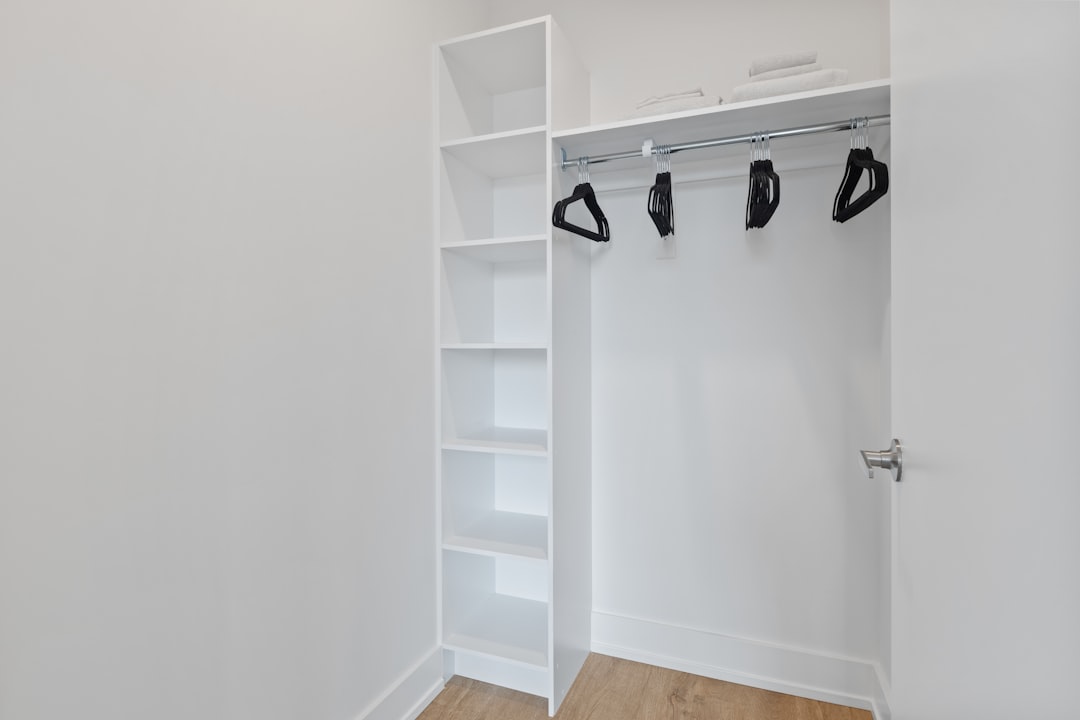
Hooks, a shelf, or a narrow divided section can keep backpacks, totes, and work bags from collapsing into the shoe zone.
If a bag leaves the house daily, it should be retrievable without moving three other things.
Contain small accessories
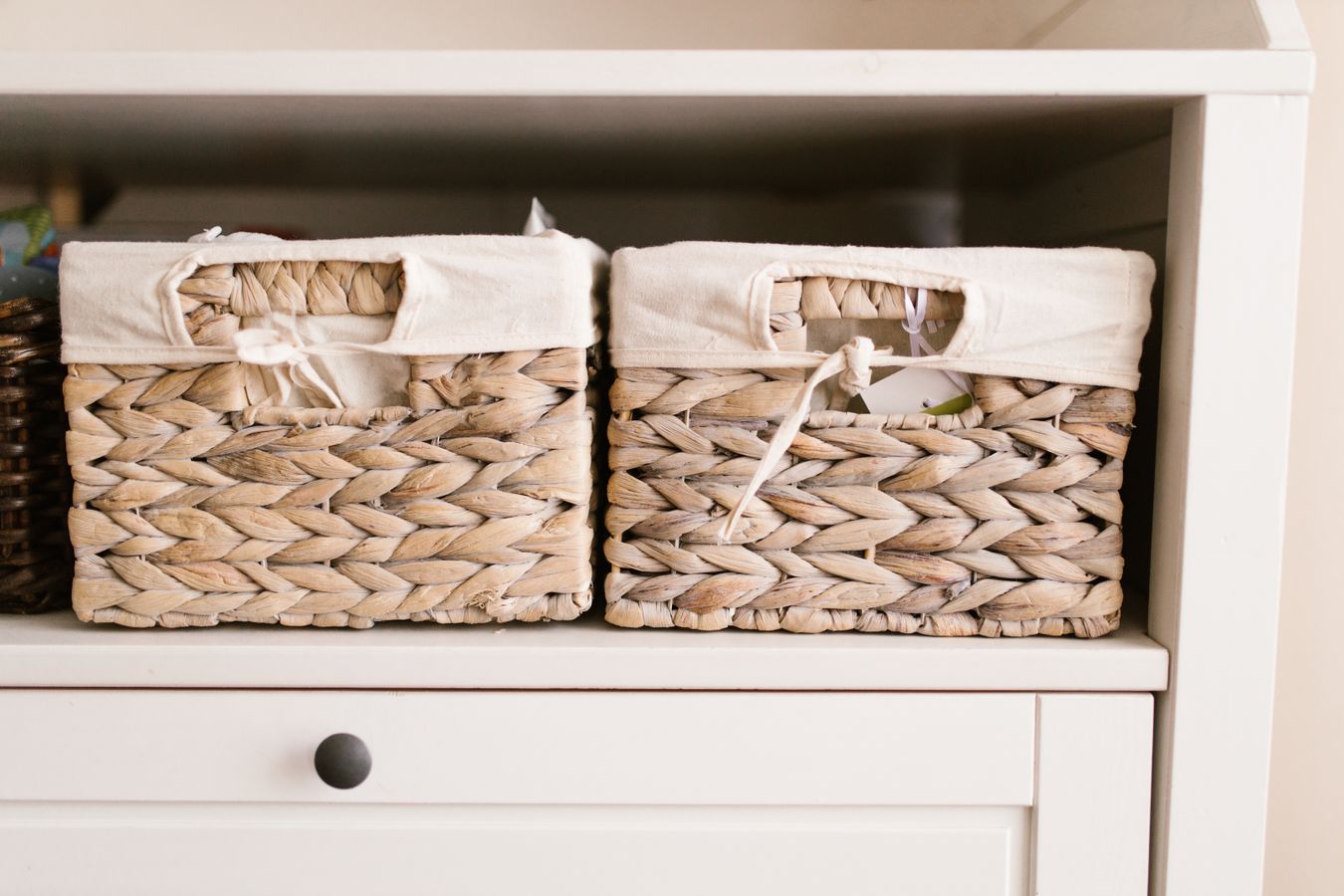
Hats, gloves, scarves, dog-walk items, and umbrellas need one or two broad bins. Avoid a separate small container for every person and category unless the closet is large enough to support it. For the broader setup, How to Store Extra Bedding in a Small Home With No Linen Closet is a useful next read.
Use the top shelf for true low-frequency items
The top shelf should hold categories that can tolerate being less convenient: seasonal accessories, rarely used bags, or one labeled household category.
Do not waste the easiest shelf on objects used twice a year.
Keep unrelated household overflow out
If the closet contains tools, paperwork, gift bags, batteries, toys, and cleaning stock simply because they fit, the launch function gets weaker. If you are working on the same space, How to Organize Cleaning Cloths, Rags, and Mop Pads Without Mixing Clean and Dirty covers the next decision in more detail.
Move categories to the room or routine they actually support.
Create a wet-weather plan
Wet coats and shoes may need to dry before entering closed storage. Use an appropriate mat, hook, or temporary drying location rather than sealing moisture into the closet.
The five-minute weekly hall-closet reset
- remove shoes not worn this week,
- return bags to hooks or shelf,
- put accessories back in their bins,
- move empty packaging or stray household items out,
- check that the floor is still usable,
- rotate outerwear if the weather changed.
Connect the closet to the entryway
The closet should support the landing zone rather than duplicate it. See A Small Entryway System for Backpacks, Shoes, Coats, and School Papers.
If there is no coat closet
Use How to Store Coats and Shoes When Your Small Home Has No Coat Closet.
Frequently asked questions
What belongs in a hall closet?
Prioritize current outerwear, active shoes, daily bags, and a limited amount of entryway gear.
What should go on the top shelf?
Low-frequency categories that are still logically related to the entry or seasonal routine.
How do I stop the floor becoming a pile?
Assign the floor one main job and move bags/accessories to hooks, bins, or shelves.
A hall closet should help the family leave
When every category inside supports coats, shoes, bags, or current-season gear, the closet becomes faster to use and much easier to reset. For the broader setup, How to Manage Hand-Me-Down Kids’ Clothes Between Siblings Without Storing Too Much is a useful next read.