No coat closet means the entryway has to do visible work.
Coats end up on chair backs. Shoes line the wall. Umbrellas lean in corners. Seasonal jackets hang beside bags until the front door area feels permanently crowded.
The solution is not trying to store the whole household wardrobe at the door. It is creating a current-season outerwear zone. You may also find How to Store Strollers, Scooters, and Outdoor Kids’ Gear in a Small Home useful for a closely related small-home problem.
Keep only active coats near the door
Each person needs access to the coat or jacket they are currently wearing most often. Formal coats, off-season outerwear, and rarely used layers can live in bedroom closets or seasonal storage.
The entry should support departure today, not every weather condition of the year.
Use hooks for speed, not unlimited capacity
Hooks work because they are easy. That also means they attract everything.
Assign a hook or limited hook space per person and avoid stacking several coats on the same hook. When the hooks are full, move low-use items elsewhere. You may also find How to Organize Kids’ Art Supplies in a Small Home Without Creating a Craft Explosion useful for a closely related small-home problem.
Give shoes a current-use footprint
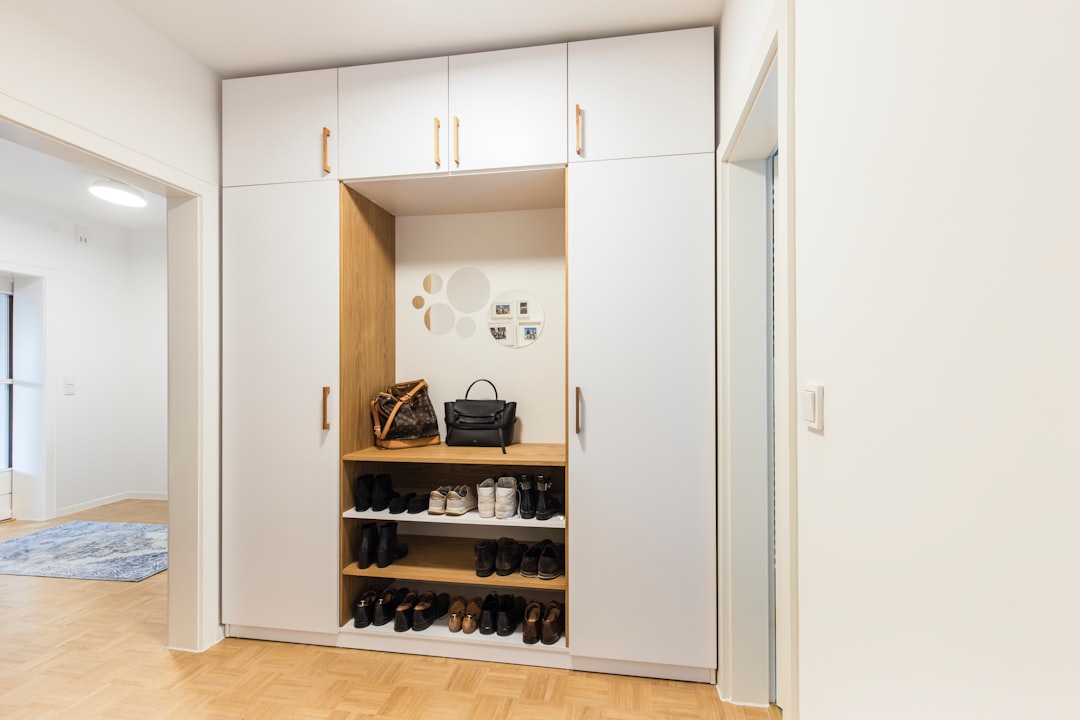
Keep the pairs worn this week near the door. Bedroom closets or another shoe zone can hold the rest.
A narrow rack, tray, or shelf works better than a floor line that grows every day.
Build a wet-weather exception
Wet shoes, rain jackets, and umbrellas may need a temporary drying zone. Give them a washable mat, tray, or ventilated location rather than forcing damp items directly into closed storage.
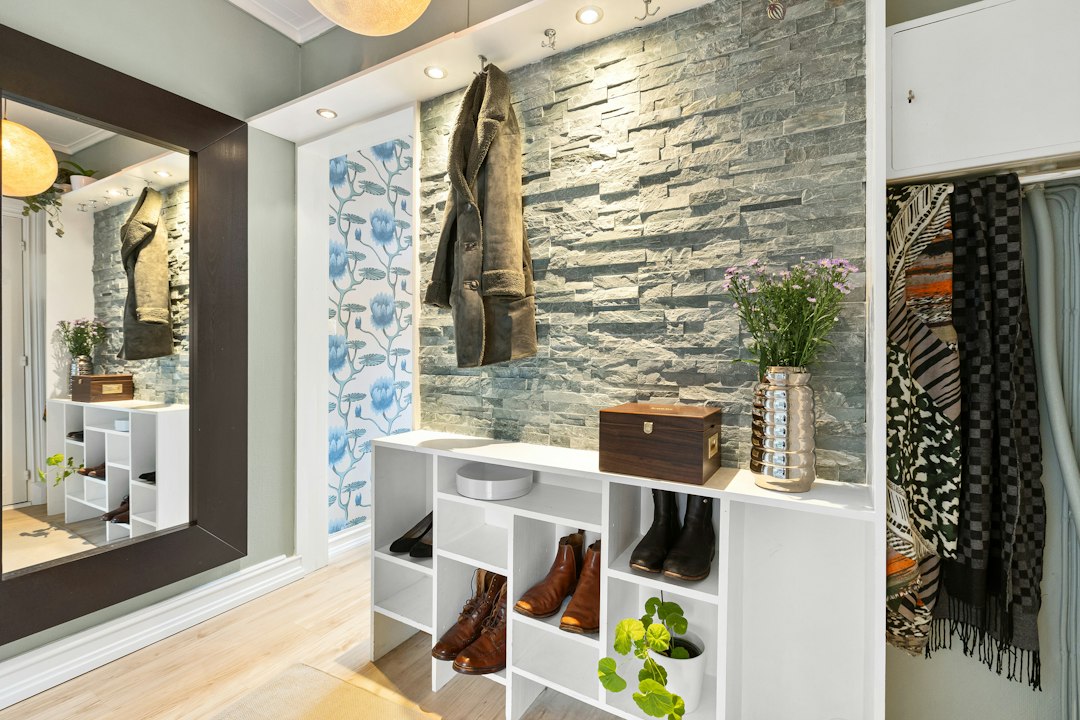
Use vertical storage before deep furniture
When floor space is tight, wall hooks, a narrow rail, or over-door storage may be more practical than a large bench—if appropriate for your walls, lease, and household. For the broader setup, How to Create a Family Command Center in a Small Home Without Taking Over a Wall is a useful next read.
Do not add furniture that narrows the main arrival path.
Keep accessories contained
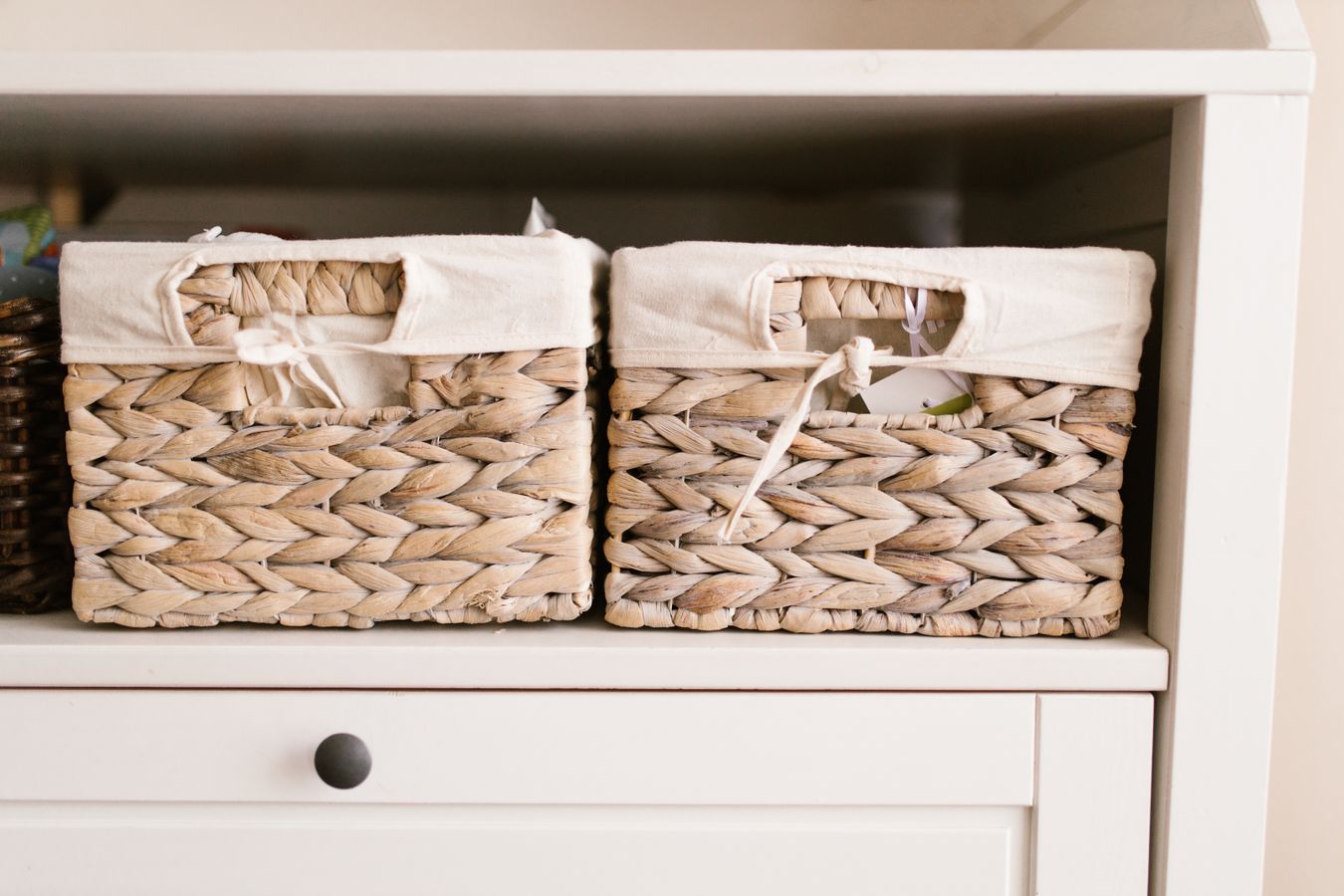
Hats, gloves, scarves, and umbrellas need one small seasonal bin or basket. They should not occupy the same hook space as coats.
Rotate outerwear with the season
At a weather transition, move heavy or light coats out of the entry zone. Wash or care for items as appropriate before longer storage.
For seasonal storage, see How to Store Seasonal Items in a Small Apartment Without Losing Everyday Space.
Give children lower hooks when practical
If children are expected to hang their own coats, make the system reachable. An adult-height solution will become an adult-only chore.
The two-minute entry reset
- extra shoes leave the current-use zone,
- coats return to hooks,
- wet items move to drying,
- accessories go to their bin,
- floor path clears.
If the front door opens directly into the living room
Keep the outerwear footprint visually compact. Use How to Create a Landing Zone in a Small Apartment With No Entryway for a no-foyer setup.
Frequently asked questions
How many coats should stay by the door?
Keep the current coat or jacket each person actually uses, plus only the extras justified by current weather and routine. For a related step-by-step approach, see A Small-Home Morning Launch Routine for Families Who Are Always Looking for Something.
Where do off-season coats go?
Bedroom closets, under-bed storage, or another low-frequency seasonal zone can work.
Do I need an entryway bench?
No. A bench is useful only if seating or hidden storage justifies the floor space.
No coat closet means stronger limits, not more hooks
Keep today’s coats and shoes easy to grab, let wet items dry, and move the rest out of prime entry space. A small arrival zone works best when it serves the current season instead of storing the whole year.