Shoes spread through small homes because the entryway becomes both storage and staging.
One pair is kicked off at the door, another is left by the sofa, sports shoes dry in the hallway, and special-event shoes never return to the closet. The result is not only visual clutter—it makes walking, cleaning, and leaving the house harder. If you are working on the same space, A Small-Home Morning Launch Routine for Families Who Are Always Looking for Something covers the next decision in more detail.
The solution is to keep current shoes near departure and everything else somewhere else.
Set a current-pair limit
Give each person space for the shoes they are actually wearing this week. That may be one to three pairs depending on weather and routines. For the broader setup, How to Turn a Small Living Room Into a Guest Sleeping Area for One Night is a useful next read.
When the zone is full, another pair has to return to bedroom or closet storage.
Use one physical boundary
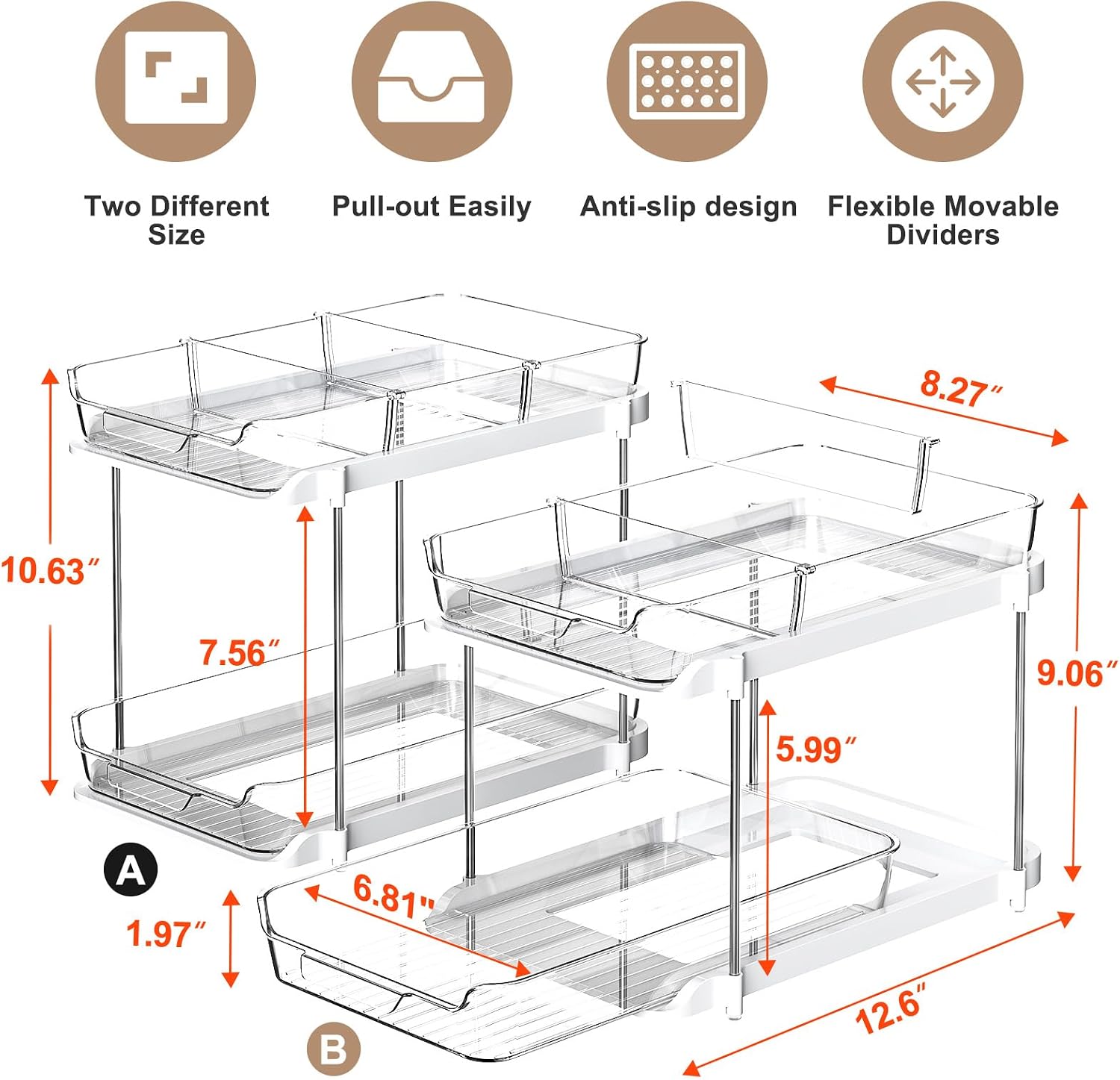
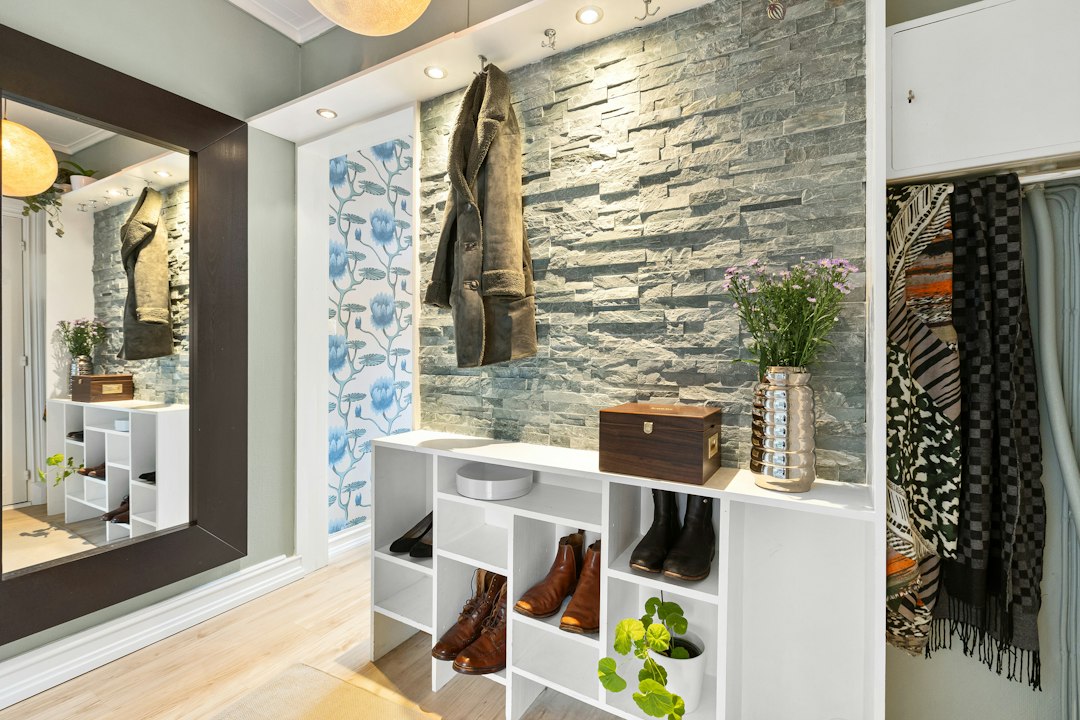
A narrow rack, tray, mat, shelf, or floor rectangle works. The important thing is that shoes do not expand beyond the boundary.
Create a wet-shoe exception
Rain boots and muddy shoes may need temporary drying. Give them a washable tray or other appropriate spot, then move them back to normal storage once dry.
Keep special and off-season shoes out
Formal shoes, vacation footwear, and off-season boots do not need prime entry space. Store them with clothing or seasonal gear. For the broader setup, How to Store Strollers, Scooters, and Outdoor Kids’ Gear in a Small Home is a useful next read.
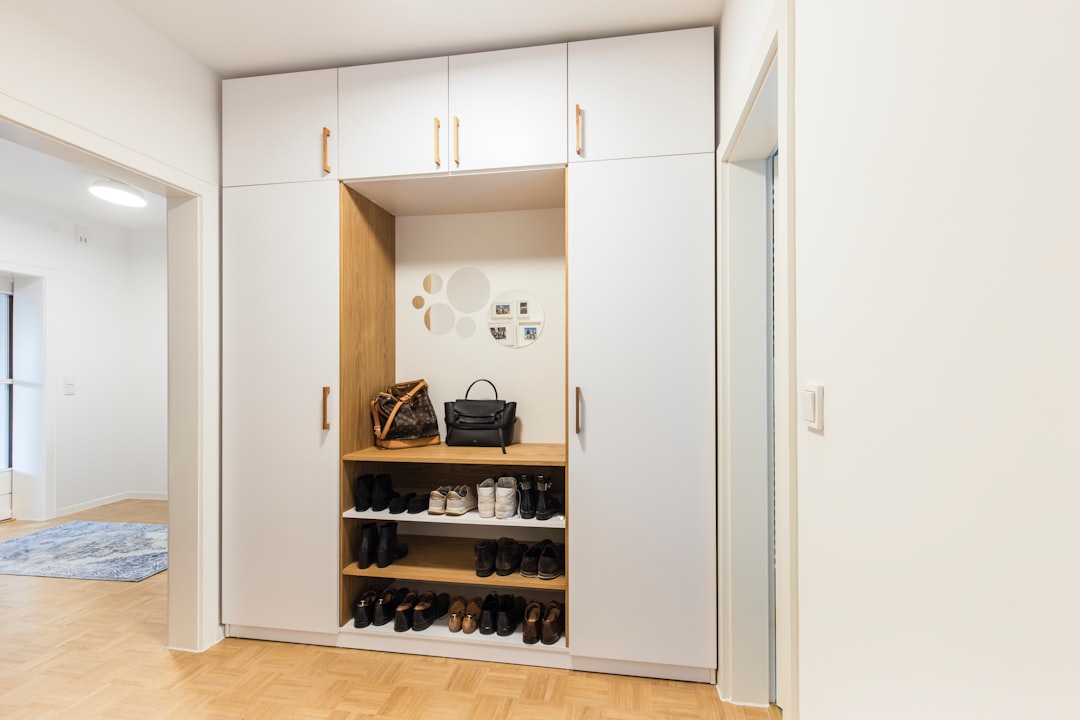
Give kids an easier return route
If children are expected to put shoes away, keep their active zone low and simple. A system that requires opening a difficult cabinet is more likely to fail. For a related step-by-step approach, see How to Set Up a Backpack Station for Two or More Kids in a Small Home.
Do not store bags on the shoe rack
Shoes, bags, coats, and sports gear need separate boundaries. Stacking them together creates one tangled departure pile.
Use a one-minute departure check
Before leaving, make sure the shoes needed for that day are accessible and not buried behind extra pairs.
The two-minute evening shoe reset
- return loose shoes to the entry zone,
- move excess pairs to bedroom storage,
- place wet shoes in the drying spot,
- pair stray shoes,
- clear the walking path.
Pair the shoe zone with coats and bags
Use How to Store Coats and Shoes When Your Small Home Has No Coat Closet for the broader outerwear system.
Frequently asked questions
How many shoes should stay by the door?
Keep only the pairs each person uses regularly during the current season.
Do I need a shoe cabinet?
No. A tray, rack, shelf, or defined floor zone can work just as well if the pair limit is clear.
What if shoes still pile up?
The active limit may be too high, or bedroom/off-season storage may be too inconvenient.
Make the entryway a launch zone, not a shoe archive
Current pairs stay close, wet pairs dry, and everything else returns to lower-frequency storage. That one distinction keeps the floor open.