Ordinary entryway clutter can usually be put away immediately. Rainy-day clutter cannot. Shoes are wet. Umbrellas are dripping. Jackets need airflow. A child’s backpack should not sit in a puddle. The household enters the home carrying weather with it. You may also find How to Store Family Shoes in a Small Entryway Without Building a Shoe Wall useful for a closely related small-home problem.
That means a wet-weather entryway needs two different systems: a temporary drying zone and the normal dry-storage zone.
Create a wet zone before the rainy day arrives
Choose the first safe area inside the door where wet shoes and umbrellas can stop without blocking the path. This might be a washable mat, boot tray, tiled corner, or other moisture-tolerant area appropriate to your flooring.
The zone should be intentionally limited. It is a landing pad, not a new permanent shoe collection.

Keep dry shoes out of the wet zone
If everyday dry shoes already fill the tray, incoming wet shoes have nowhere to go. This is another reason to keep only active pairs at the entry and move extras elsewhere.
Use the active-pair limits from the entryway shoe guide so the weather system has space to operate.
Let shoes dry before closing them away
Do not push visibly damp shoes directly into a closed cabinet just to restore appearances. Give them airflow and follow appropriate care instructions for the footwear material.
Once dry, move them back to the normal shoe zone. The drying tray should become empty again.

Umbrellas need a drip stage
A closed wet umbrella stored upright in a closet can transfer water to surrounding items. Use a suitable umbrella stand, protected floor area, or another method that allows it to drain and dry safely.
When dry, return folding umbrellas to bags or the departure zone and close larger umbrellas for storage.
Do not lean dripping umbrellas against painted walls
Water can damage finishes and create a slippery floor. A defined stand or tray is more reliable than balancing an umbrella in a corner. For a related step-by-step approach, see How to Set Up a Backpack Station for Two or More Kids in a Small Home.
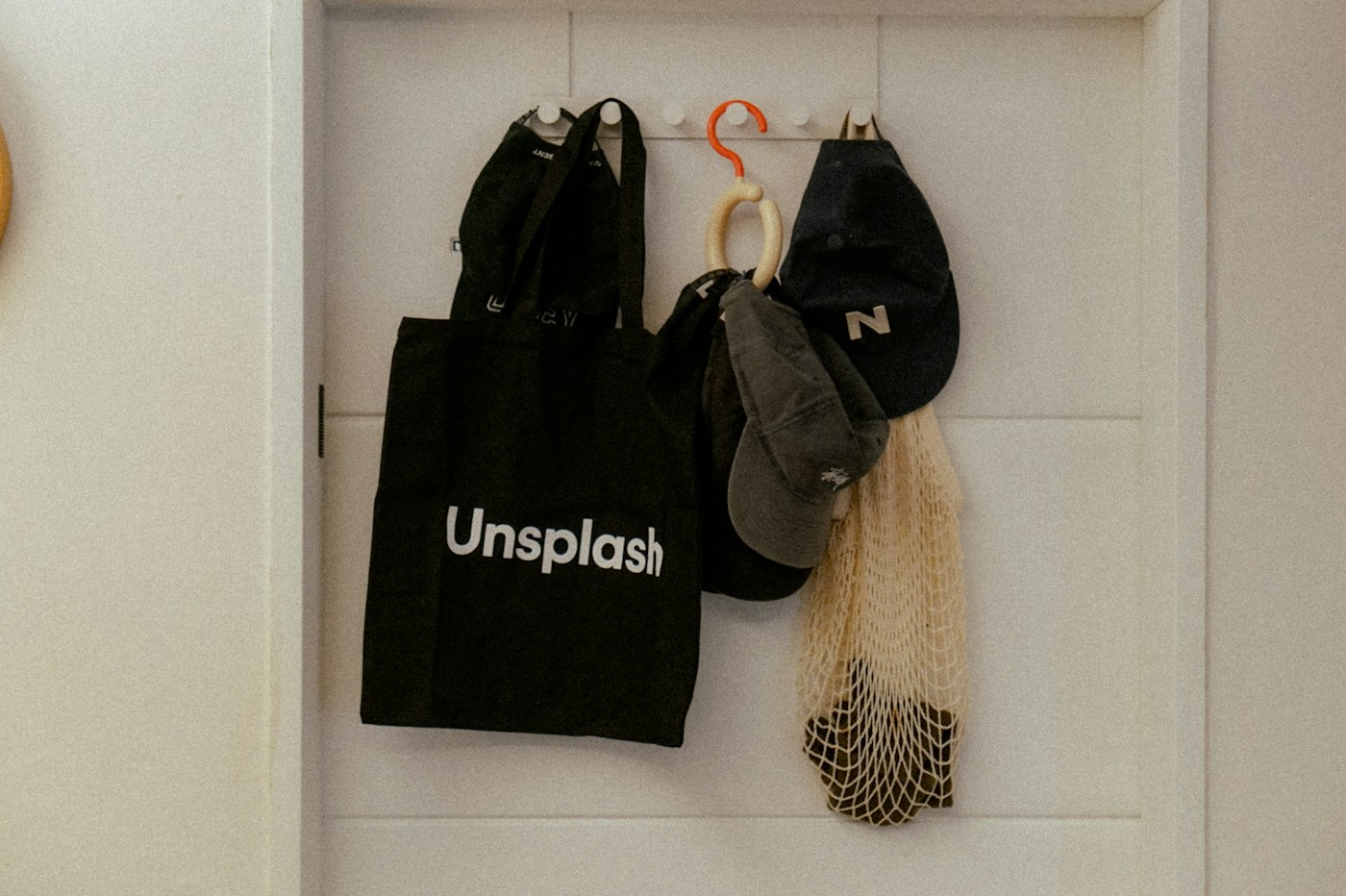
Coats need enough hooks to hang separately
Wet coats piled on one hook dry poorly. Give damp outerwear enough space for airflow using sturdy hooks or another appropriate hanging solution.
If the entry is too small, a bathroom, laundry area, or other ventilated secondary drying location may work better.

Move school bags away from the wet floor immediately
Backpacks often contain paper, electronics, lunch containers, or clothing. Give them a hook, shelf, or bench surface above the splash zone.
A bag should enter the home, leave the wet gear, and move directly into the normal school routine.
Empty wet items from bags before forgetting them
Wet socks, rain covers, gym clothes, or damp lunch textiles can sit inside a backpack overnight if nobody checks. Add a rainy-day bag check to the arrival routine.
This is especially useful for younger children who may not remember what became wet during the day.

Keep one absorbent towel near the entry
A small designated towel can handle drips, pet paws, or a wet floor edge before water travels farther into the home. Hang it to dry after use and include it in the laundry cycle.
Do not build a huge “rain station” with supplies used only occasionally. One towel may be enough.
Protect bags and electronics from the splash zone
Charging devices, mail, keys, and paper should not share the lowest surface with wet umbrellas. Keep the daily landing zone above or beside the wet area.
This separation is one reason vertical hooks and a small wall shelf can be valuable near the door.
Children need a sequence, not repeated reminders
A simple rainy-day sequence can be:
- shoes onto wet mat,
- coat onto assigned hook,
- umbrella into stand,
- bag onto dry hook,
- wet clothing to laundry path,
- hands washed and routine continues.
Consistent order is easier to remember than “Do not make a mess.”
No mudroom? Keep the system temporary
In an apartment where the front door opens directly into the living room, the wet zone should expand only during bad weather. Use a foldable or movable tray, washable mat, and hooks that fit the space. If you are working on the same space, Cube Storage in a Small Living Room: Useful Workhorse or Bulky Clutter Magnet? covers the next decision in more detail.
When the weather clears and items are dry, the home should return to its normal footprint.
Do not let rain gear become permanent visible inventory
Once the season changes, extra umbrellas, heavy rain boots, ponchos, and waterproof accessories can move to secondary storage. Keep only what the current weather makes useful.
Apartment balconies and common areas may have rules
If you plan to dry umbrellas, mats, or clothing outdoors or in shared corridors, follow building rules and safe-use requirements. Do not assume common hallways are acceptable storage zones.
Do a post-rain reset
Later that evening or the next morning:
- move dry shoes back,
- fold dry umbrellas,
- return coats to normal storage,
- hang or launder the entry towel,
- wipe and dry the tray/mat area,
- restore the walking path.
The rainy-day system succeeds when it disappears again.
What about pets?
If pets come through the same door, keep an appropriate paw towel or cleaning routine near the entry and store any pet products safely. Avoid crowding the doorway with a large pet-cleaning setup if a simple towel and mat solve the problem.
Explore this topic
Browse more practical guidance in the Family Home hub. Room focus: Entryway.
Related published guides
- A Small Entryway System for Backpacks, Shoes, Coats, and School Papers
- How to Organize Kids’ Sports Gear in a Small Home Without Living Around Equipment
Frequently asked questions
Where should wet shoes dry in a small apartment?
Use a ventilated, moisture-tolerant area that does not block essential circulation. A boot tray or washable mat near the door may work for many homes.
How do I store wet umbrellas without a mudroom?
Give them a temporary draining/drying location, then return them to normal storage once dry.
How do I keep rainy-day clutter from taking over the living room?
Separate wet gear from bags and daily items, define a small temporary zone, and reset that zone as soon as everything is dry.

Rain gear needs permission to be temporary
A small home becomes chaotic when wet things are either put away too early or allowed to remain out forever. Give rain a controlled landing zone, let items dry properly, and then shrink the system back down. The entryway does not need to become a permanent mudroom to handle a wet Tuesday well. If you are working on the same space, How to Handle Mail, Packages, and Returns in a Small Entryway covers the next decision in more detail.