Kids’ sports gear is difficult to organize because it is not really one category. It is laundry, footwear, safety equipment, bags, bottles, balls, paperwork, and sometimes muddy outdoor gear—all attached to a schedule. For the broader setup, How to Set Up a Backpack Station for Two or More Kids in a Small Home is a useful next read.
That is why a single giant “sports bin” usually fails. The family still has to dig through soccer shin guards to find a swim cap, and wet equipment gets mixed with clean uniforms.
The better approach is to organize sports gear by season, child, and next action.
Start with what is active this month
Do not give prime entryway space to every sport your children have ever played. Pull out the equipment for the current season and move off-season gear to lower-frequency storage.
This is one of the biggest wins in a small home. Sports gear becomes manageable when you stop storing four seasons as though practice for all of them is tomorrow.
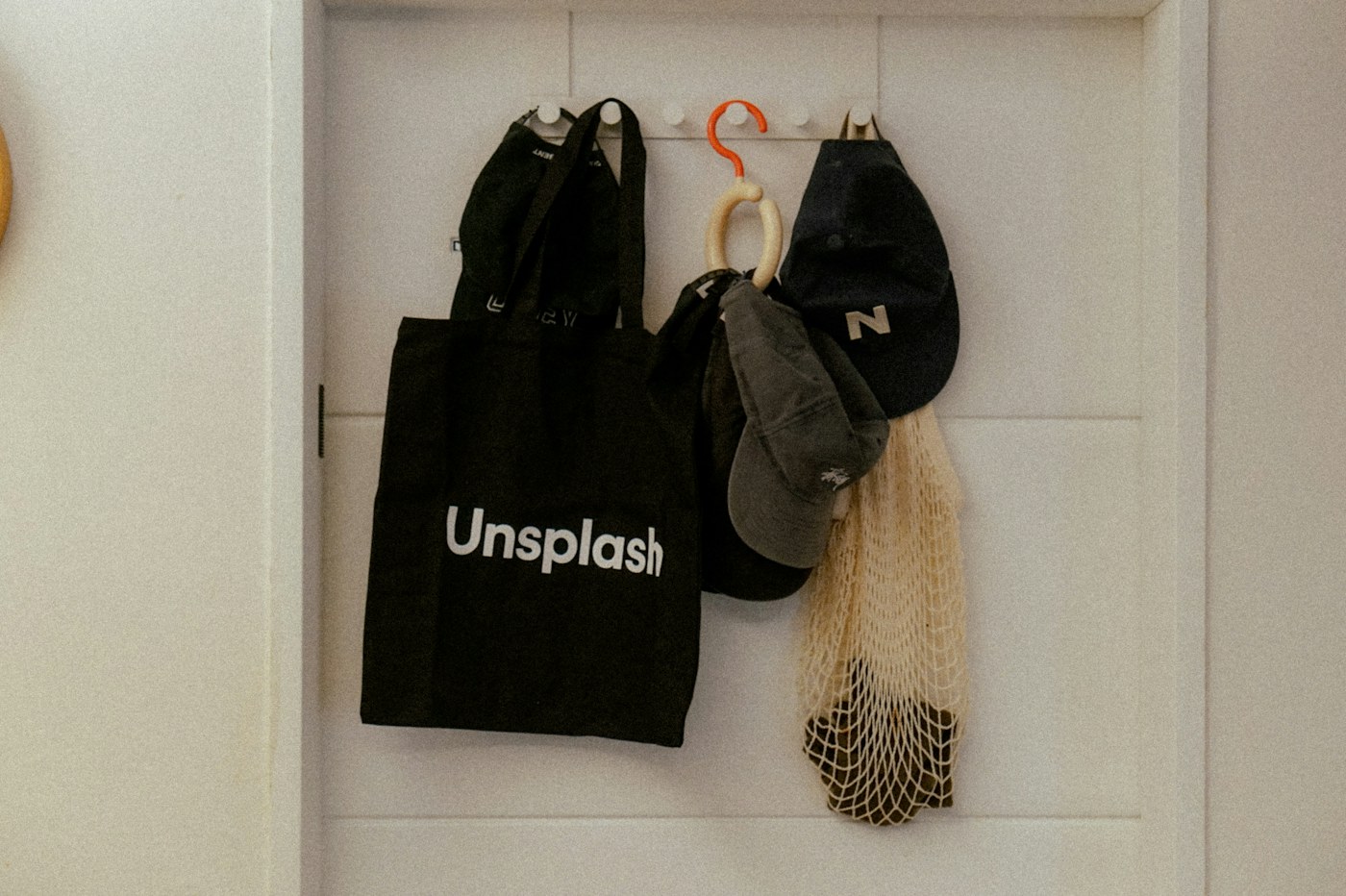
Give each active sport one “go bag”
A dedicated sports bag is useful because it turns many small items into one departure unit. The bag should hold the items that can safely remain packed between sessions: guards, gloves, caps, goggles, resistance bands, or other sport-specific accessories.
Items that need washing, charging, drying, or refrigeration should leave the bag after each use.
The bag is a launch tool, not a sealed storage locker.
Uniforms should follow the laundry system, not the gear system
The most common sports-organizing mistake is treating a dirty jersey like equipment. It belongs in laundry.
Create a predictable loop:
- uniform comes home,
- dirty pieces go directly to the laundry route,
- washed pieces return to one sport-specific drawer section, hanger, or packing zone,
- uniform goes back into the bag only when clean and ready.
If the family frequently discovers a wet jersey in the bag the night before a game, storage is not the real problem—the loop is incomplete.
Store balls vertically or in one breathable floor zone
Balls roll. A basket that looks tidy can become annoying when it has to be moved every time somebody needs the bottom ball.
Use one stable corner, vertical rack, mesh container, or wall-side zone appropriate to the equipment and household. The goal is not to display every ball; it is to stop them from entering walkways.
Helmets and protective gear need shape, air, and ownership
Do not crush bulky protective gear into an overfilled bin. Follow manufacturer care and storage instructions, especially for helmets and safety equipment.
Give each child’s protective items a clear place where they can dry as needed and stay identifiable. A labeled shelf or hook can work better than a shared pile.
Keep sports shoes out of the daily shoe crowd
Cleats, court shoes, skates, and activity-specific footwear do not need to compete with school shoes at the front door.
Give current sports footwear a separate tray, shelf, or ventilated zone near the gear bag. Move off-season pairs deeper into storage.
Create a “wet and dirty” exception route
Rainy practice changes the system. Muddy cleats, wet towels, damp swim gear, and sweaty pads cannot go straight back into closed storage.
Decide in advance where dirty or wet gear pauses: a washable mat, bathroom drying area, laundry sink zone, balcony where appropriate, or another household-specific solution.
The exact location matters less than having one. Without it, the hallway becomes the default drying room.
Keep paperwork out of the sports bag
Schedules, waivers, receipts, tournament details, and school forms belong in the family command center or digital calendar once they have served their immediate purpose.
A bag full of old paper makes active gear harder to see and creates another place parents have to remember to check.
Use one small “sports consumables” bin
Tape, spare mouthguard cases, sunscreen, hand warmers, hair ties, grip tape, or other repeat-use supplies can share one adult-managed bin if your sports require them.
Do not put every consumable into every child’s bag. Central backstock is easier to audit.
The night-before practice check should be short
If getting ready takes 25 minutes, the system is too fragmented.
A practical check is:
- bag present,
- clean uniform ready,
- required footwear present,
- protective gear present,
- water bottle ready to fill,
- special item for tomorrow confirmed.
That is enough. The goal is not to repack the whole sport every night.
Give each child responsibility for one visible part
Age and sport matter, but even younger children can often own one repeatable step: return the ball, put shoes on the tray, carry the empty bottle to the kitchen, or place the sports bag on its hook. For the broader setup, How to Organize Pots, Pans, and Lids in a Small Kitchen Without Restacking Everything is a useful next read.
Broad ownership beats a long checklist. When children know one part is always theirs, adults do less invisible resetting.
Off-season storage should be edited before it is stored
At the end of the season, do not zip everything into a tote and forget it for nine months.
Ask:
- Will the child likely still fit this next season?
- Is the equipment still in usable condition?
- Does the next sibling realistically need it?
- Should this be sold, donated, passed on, or replaced later?
Growth makes kids’ sports gear a particularly bad category for automatic storage.
Use the “one active season” rule in the entryway
Even if several sports overlap, the entry or mudroom should hold only the equipment leaving the house frequently right now.
Everything else belongs in closets, under-bed storage, a utility area, or another lower-frequency zone.
This works especially well alongside How to Store Strollers, Scooters, and Outdoor Kids’ Gear in a Small Home.
A weekly 15-minute sports reset
- Empty trash and paper from sports bags.
- Route dirty textiles to laundry.
- Check that shoes and protective gear are dry and stored appropriately.
- Return loose balls and accessories.
- Check the next seven days of practices and games.
- Move anything clearly off-season out of the launch zone.
What I would not do in a small home
I would not create a giant “sports wall” for every ball, racket, medal, shoe, and uniform unless the family is genuinely using that equipment constantly. These walls look efficient because they make gear visible, but they can turn a shared room into permanent equipment storage. For a related step-by-step approach, see How to Create a Sports-Gear Drop Zone in a Small Family Home.
I would rather make the active season extremely easy to access and let the inactive season disappear.
Decide what lives in the car and what must come inside
For families who drive to practice, the car can accidentally become a second sports closet. Some durable, non-sensitive items may have a logical travel home, while uniforms, food, bottles, damp gear, valuables, and equipment with specific storage requirements usually need to come back inside.
The important thing is to make the rule deliberate. “It stays in the trunk because nobody unloaded it” is not a storage system.
A small checklist taped inside the sports bag—uniform, shoes, protective gear, bottle, special item—can make the car/home boundary clearer without adding another wall chart.
When two sports overlap, create a temporary overlap zone
Spring and fall transitions are messy because one sport has not quite ended when another begins. Instead of reorganizing the whole entryway twice, create one temporary overlap basket or shelf for the second sport.
Give that overlap an end date. When the first season finishes, move its equipment to off-season review and let the second sport inherit the prime space.
This is a small-home principle worth repeating: temporary exceptions need expiration dates or they quietly become permanent storage.
Separate “ready” gear from “needs attention” gear
A sports bag is easiest to trust when everything inside is ready to leave. That means wet towels, dirty uniforms, empty bottles, damaged equipment, and items that need charging should not stay mixed with ready gear.
Consider one small “needs attention” tray near the laundry or utility area. Anything there has a job: wash, dry, repair, charge, refill, or replace. Once the job is complete, it returns to the bag.
This removes a lot of last-minute uncertainty because the packed bag becomes meaningful: packed means ready.
End-of-season review: do it before the emotional momentum disappears
The best time to review sports gear is within a week of the final practice or game. Months later, it is harder to remember what was uncomfortable, broken, too small, or never used.
Use a simple sequence:
- Wash and dry textiles appropriately.
- Check fit for items likely to be reused.
- Inspect equipment according to manufacturer guidance.
- Separate hand-me-down candidates.
- List items that will probably need replacement next season.
- Store only the gear with a realistic future.
This turns off-season storage into a prepared kit rather than a box of unresolved decisions.
Medals, team photos, and trophies are not sports gear
They are keepsakes. Treating them as equipment is how memorabilia ends up jammed beside cleats and pump needles.
Give sentimental sports items a separate memory system. Keep a few meaningful pieces, photograph bulky items if that suits your family, and avoid letting every participation item become permanent entryway decor.
How to judge whether the system is working
Do not judge by how the mudroom looks on a day with no practice. Judge it at 5:10 p.m. when somebody has to leave in ten minutes.
Can the child find the bag? Are the shoes there? Is the uniform clean? Does the adult know whether anything still needs attention? If yes, the system is doing real work.
\nA note on buying storage before the season starts
Sports seasons create urgency, which makes it easy to buy racks, cubbies, and bins before you know what the actual gear load looks like. I would wait through the first week of practice. Let the bags, shoes, and equipment reveal where they naturally land, then solve that specific landing problem. You may also find How to Stop Entryway Shoes From Spreading Through a Small Home useful for a closely related small-home problem.
If the soccer bag always lands beside the hall closet, a hook there may be enough. If helmets need to dry near the laundry area, an entryway cubby will not solve the real problem. Storage should follow the routine that already emerged, not force the family to perform a new routine simply because furniture was purchased.
\nFrequently asked questions
Where should kids’ sports bags live?
Near departure if they are used several times a week, but outside the main walking path. A hook, bench cubby, shelf, or defined wall-side footprint can work.
How do I store sports gear for several kids?
Give each child clear ownership for personal bags and protective equipment, while shared balls and consumables can use category-based storage.
What should stay in the sports bag?
Only items that can safely remain packed and are needed for that sport. Laundry, wet gear, food, bottles, and paperwork should generally leave after use.
How do I keep the entryway from looking like a locker room?
Keep only current-season, high-frequency equipment there and give bulky gear one defined footprint.
The best sports system is built around the next practice
Sports gear does not need museum-quality organization. It needs to be clean enough, dry enough, complete enough, and easy enough to grab that the family can leave on time. Organize the season you are living in—not every sport the family has ever played.
