Small homes can make mornings easier because everything is close together. They can also make them louder, faster, and more chaotic because everyone is using the same few spaces at the same time.
The biggest time-waster is often not breakfast or getting dressed. It is searching: for a shoe, charger, permission slip, water bottle, clean shirt, or backpack.
A morning launch routine reduces searching by moving a few decisions to the night before.
Identify your household’s three repeat searches
For one week, notice what people repeatedly ask:
- “Where are my shoes?”
- “Did you sign this?”
- “Where’s my charger?”
- “Is my uniform clean?”
- “Where is my water bottle?”
Those repeated searches tell you which systems matter most.
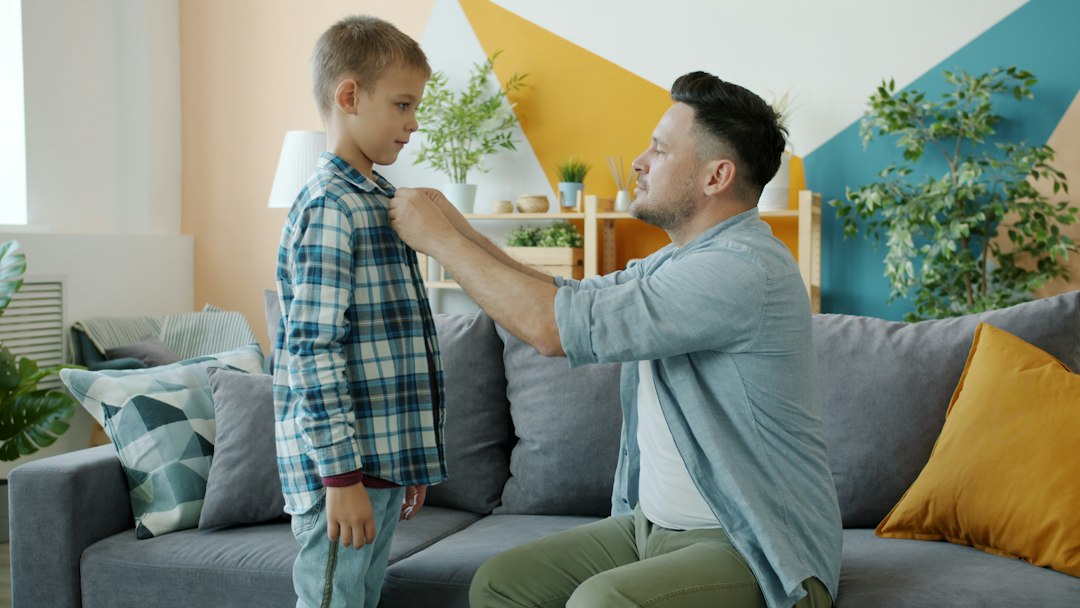
Stage clothes before bedtime
If clothing decisions cause delays, choose the next day’s clothes in the evening. Use one hook, hanger, chair edge, or small shelf per person.
Do not stage several days of outfits unless the storage clearly supports it.
Reset bags at the door
Backpacks, work bags, sports bags, and reusable bags should have one departure location.
The bag is not ready until papers, devices, activity gear, and other required items are inside or staged beside it.
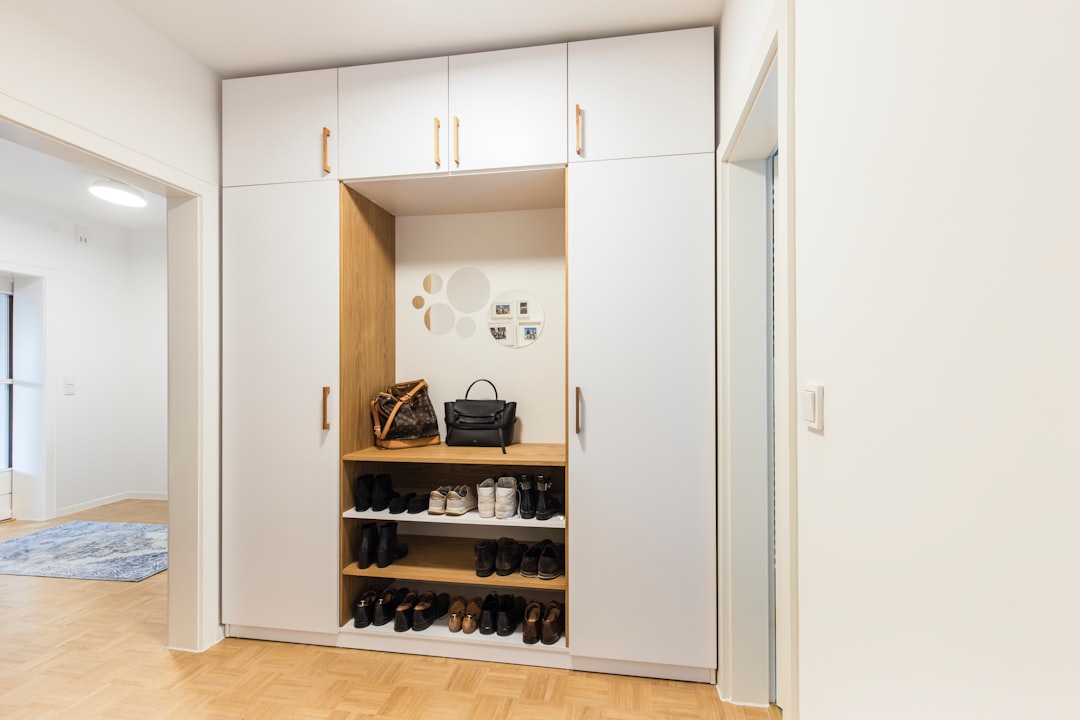
Give shoes an active pair zone
Keep the shoes being worn this week near departure and move extras out of the landing area. Morning shoe searches often come from too many pairs, not too little storage. You may also find How to Organize Food Storage Containers and Lids in a Small Kitchen useful for a closely related small-home problem.
Close the lunch loop at night
Clean lunchboxes, bottles, and reusable containers should be dry and back in their storage zone before morning. Prep whatever food your household safely and practically prepares ahead. You may also find How to Create a Sports-Gear Drop Zone in a Small Family Home useful for a closely related small-home problem.
For the storage side, use How to Store Lunchboxes, Water Bottles, and Reusable Bags Without Kitchen Clutter.
Charge devices where they leave
School tablets, headphones, phones, or work devices should charge in a predictable location. If a device must leave with someone, connect charging to the bag or departure zone whenever practical.
Move paper decisions out of the morning
Permission slips, forms, checks, and school notes should go through the family action-paper system the evening before.
See How to Create a Family Command Center in a Small Home Without Taking Over a Wall.
Keep the bathroom handoff simple
When several people share one bathroom, decide who uses it first and what grooming tasks can happen elsewhere. Avoid storing everyone’s full routine on the sink.
Use a five-minute night-before launch check
- clothes ready,
- bags packed,
- shoes in the active zone,
- lunch gear clean,
- devices charging,
- papers handled,
- keys/wallets in place.
Morning should mostly be execution
Wake, dress, eat, use the bathroom, grab what is already prepared, and leave.
When a new decision appears in the morning, ask whether it can be moved into the evening routine next time.
Give children one launch responsibility
Choose a task appropriate to age and household routine: put shoes by the door, place bottle in backpack, bring lunchbox to kitchen, or check the bag.
One consistent responsibility builds more independence than a long morning checklist nobody remembers.
Use a visible “last look” point
Near the door, pause for the same quick check: bag, shoes, lunch, device, keys. The habit is more useful than a complicated checklist.
What if mornings are still chaotic?
Reduce the number of systems running at once. Fewer shoes at the door, fewer breakfast choices, fewer open clothing decisions, and fewer scattered paper locations can lower morning friction.
Connect the launch routine to the weekly reset
Use A Simple Weekly Home Reset for Busy Families to keep bags, laundry, paper, and entryway systems from degrading across the week.
Frequently asked questions
What should I prepare the night before?
Prioritize the items your household repeatedly searches for: clothes, bags, shoes, lunch gear, devices, keys, and papers. You may also find How to Store Strollers, Scooters, and Outdoor Kids’ Gear in a Small Home useful for a closely related small-home problem.
Do we need a written morning routine?
Not necessarily. A short night-before launch check and a consistent departure zone may be enough.
How do I get kids to participate?
Give each child one clear, repeatable responsibility that fits their age and routine.
A calm morning starts before morning
The goal is not to choreograph every minute. It is to remove the searches. When clothes, bags, shoes, lunches, devices, and papers already know where they are going, the household can move through a small space without colliding over missing things. For a related step-by-step approach, see A Small Entryway System for Backpacks, Shoes, Coats, and School Papers.
