A small freezer becomes difficult long before it becomes physically full. Bags slide behind boxes, leftovers disappear under frozen vegetables, and nobody remembers what is buried at the bottom. You may also find How to Organize Countertop Appliances in a Small Kitchen useful for a closely related small-home problem.
The goal is not to fit more. It is to make the food already inside easy to see, easy to use, and easy to replace.
Start with a full reset
Work quickly and safely so frozen food does not sit out longer than necessary. Group what belongs together, remove anything that should be discarded according to food-safety guidance, and wipe accessible surfaces as appropriate.
Create broad freezer zones
- breakfast and quick foods,
- proteins,
- frozen vegetables and fruit,
- leftovers and batch-cooked meals,
- kids’ or lunch items if useful.
Broad zones are easier to maintain than a bin for every product type.
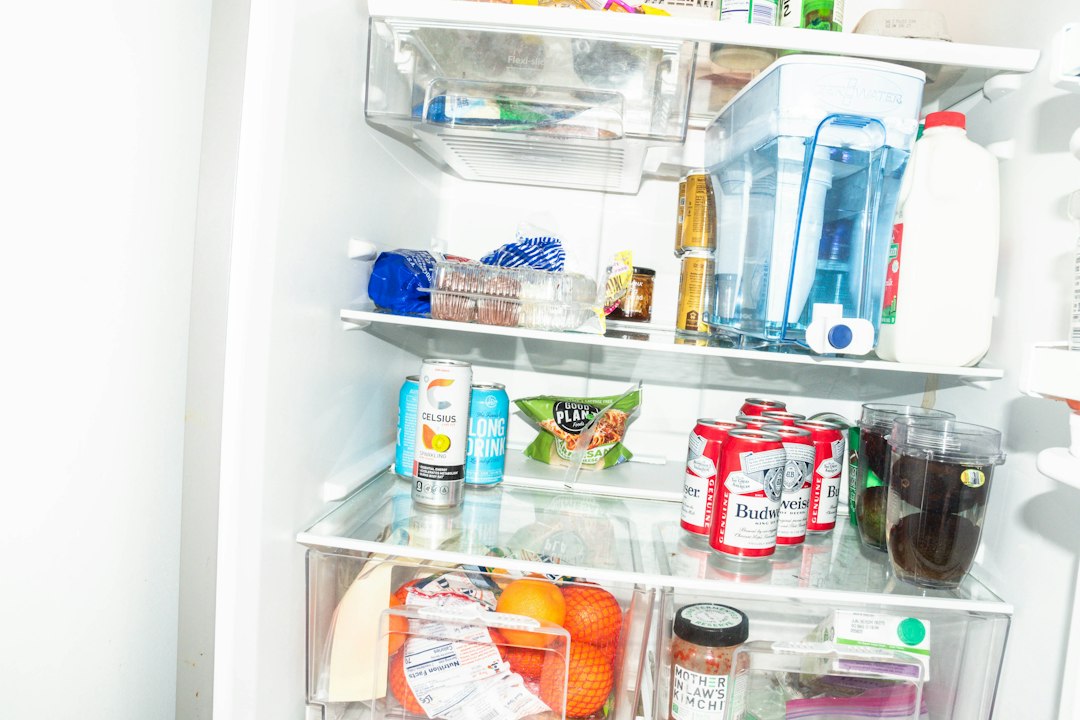
Keep an “eat first” zone
Give opened packages, older leftovers, and foods that should be used soon one visible location. This reduces duplicate buying and forgotten containers.
Freeze flat when the food and package allow it
Soups, sauces, and some prepared foods can use space more efficiently when frozen in a flat, well-sealed form. Follow food-storage and package guidance for the item. You may also find How to Organize Food Storage Containers and Lids in a Small Kitchen useful for a closely related small-home problem.
Label what is not obvious
Homemade meals and repackaged foods should have a name and date. You do not need to label a recognizable factory package.
Do not overfill the door or front edge
Leave enough room to remove one item without an avalanche. A freezer that is packed beyond easy access is functionally smaller. If you are working on the same space, How to Store Lunchboxes, Water Bottles, and Reusable Bags Without Kitchen Clutter covers the next decision in more detail.
Use one “open package” basket
Half-used frozen fruit, vegetables, waffles, or snacks can share one broad basket so small bags do not disappear behind larger boxes.
Check the freezer before grocery shopping
Before adding frozen food to the list, look at proteins, vegetables, breakfast items, and the eat-first zone. Plan at least one meal around what is already there.
Keep batch cooking within capacity
Freezer meals are useful only when the freezer has room to store and retrieve them. Do not cook six extra meals if they will bury the ingredients you need every day. For the broader setup, How to Keep a Small Bedroom Calm When It Also Has to Be a Workspace is a useful next read.
Use a five-minute weekly freezer reset
- move older foods forward,
- group loose bags,
- check the eat-first zone,
- note what is actually low,
- remove empty boxes and packaging.
Connect freezer and fridge systems
Use How to Organize a Small Fridge for a Busy Family Without Losing Food in the Back for the refrigerated half of the system.
Frequently asked questions
Do I need freezer bins?
No. Use them only where they keep small bags or meal categories easier to pull forward.
How full should a small freezer be?
Keep enough open space that food can be removed and returned easily and that the appliance can operate according to manufacturer guidance.
What should I use first?
Use the visible eat-first zone to surface older opened packages and prepared foods.
Visibility matters more than maximum capacity
A small freezer works when every major category is easy to reach and older food stays visible. Leave enough breathing room that the next grocery trip does not turn organization into stacking.