A small fridge can be easier to manage than a large one—until it is packed tightly enough that food disappears behind food. For a related step-by-step approach, see How to Organize Deep Kitchen Cabinets So Nothing Gets Lost.
Busy families need a fridge that answers three questions fast: What should we eat first? What is ready for meals? What are we running out of?
Create an “eat first” zone
Choose one visible shelf area or small bin for leftovers, opened foods, and produce that should be used soon.
This reduces the number of half-forgotten containers scattered across several shelves.
Organize by meal function
Instead of arranging purely by food type, group around how your household eats.
- breakfast,
- lunch packing,
- dinner ingredients,
- snacks,
- eat-first leftovers.
Use the fridge layout and food-storage requirements appropriately; the point is to make common meal decisions faster.
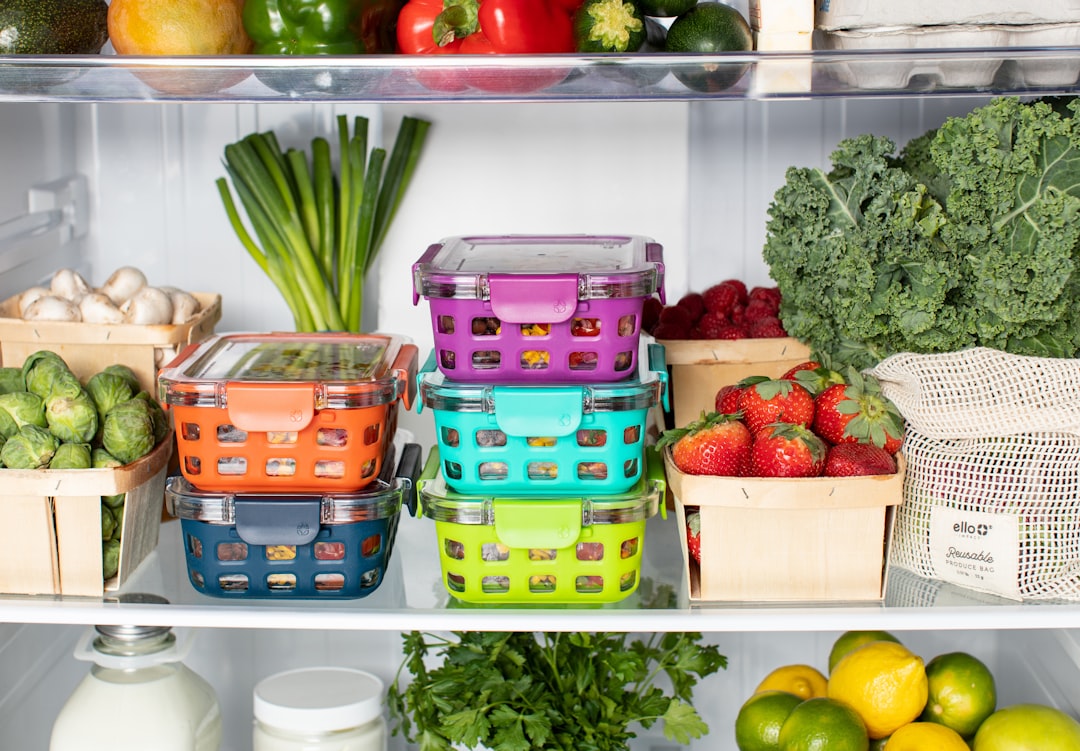
Keep leftovers visible
Do not push leftovers behind unopened groceries. Give them a front-facing zone and use clear labels or dates if that helps your household track them.
Do not fill every shelf to the edge
A little breathing room makes it easier to see what exists and fit new groceries without creating temporary counter piles. For a related step-by-step approach, see How to Air-Dry Laundry in a Small Apartment Without Letting It Take Over the Room.
Use bins only for categories that move together
A lunch bin can be useful if several items are pulled out together. A bin for every condiment can make the fridge more rigid and consume usable space. For a related step-by-step approach, see How to Keep a Small Kitchen Floor Clean When You Cook Every Day.
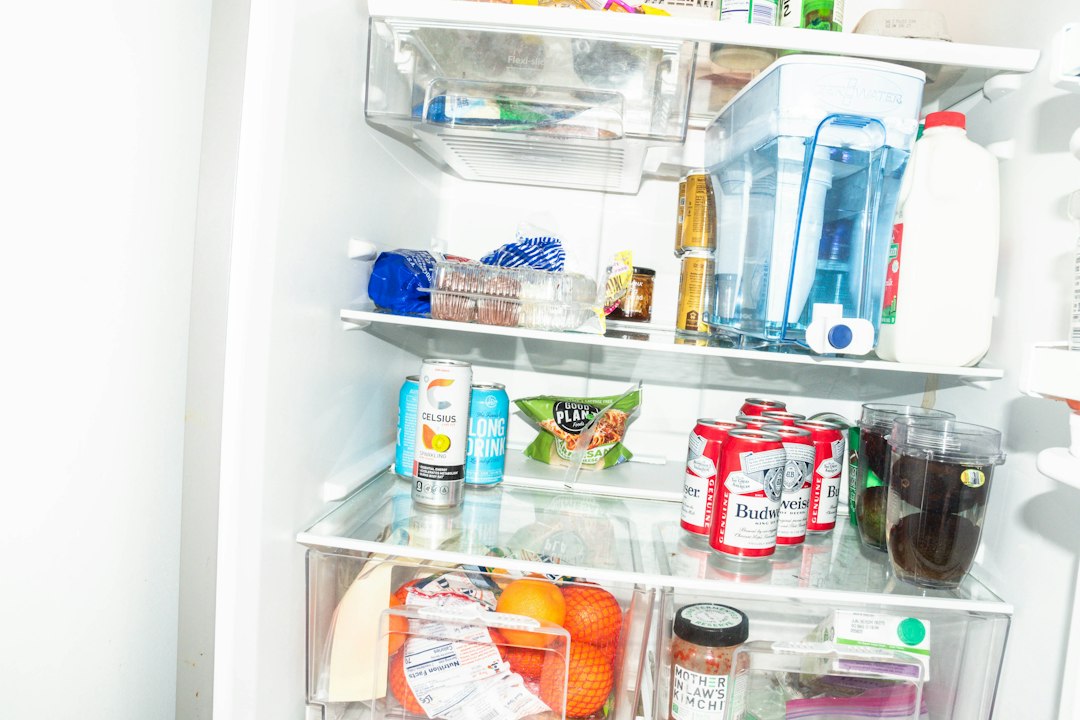
Give children one reachable snack zone if appropriate
For families with children, a small approved snack area can reduce rummaging through the entire fridge. Keep choices and access appropriate to the household.
Keep tall-item space flexible
Leave one area that can accept a pitcher, leftovers in a larger container, or groceries that do not fit the standard shelf height.
Use the door for predictable items
Keep frequently used condiments and small stable categories together according to your refrigerator’s design and food-storage guidance.
Reset before grocery shopping
Before making the list:
- scan the eat-first zone,
- check produce,
- group leftovers,
- remove food that should be discarded,
- note what is actually missing,
- leave room for incoming groceries.
Plan one “use-it-up” meal
A flexible dinner, lunch, soup, bowl, or snack plate can help use small amounts of food before the next grocery trip.
Keep lunch gear nearby
If school or work lunches are part of the routine, pair the fridge’s lunch zone with How to Store Lunchboxes, Water Bottles, and Reusable Bags Without Kitchen Clutter.
Frequently asked questions
Should I use clear fridge bins?
Use them when they make a category easier to pull out or see. They are optional, not a requirement.
How often should I reset the fridge?
A quick reset before grocery shopping is a practical rhythm because it connects inventory with what you buy next.
Why do leftovers get forgotten?
They are often spread across shelves or pushed behind new food. A single visible eat-first zone can help.
The best fridge system helps dinner happen
A family fridge does not need to look like a display. It needs to make food visible, keep leftovers in circulation, support lunch and dinner decisions, and create enough space for the next grocery trip. You may also find How to Create a Family Command Center in a Small Home Without Taking Over a Wall useful for a closely related small-home problem.