A small refrigerator can be technically organized and still be difficult to use. Every shelf may have a labeled bin, every container may match, and yet nobody can see the leftover pasta hiding behind yogurt. The problem is that refrigerator organization is not primarily a container problem. It is a flow problem: food enters, waits, gets cooked, becomes leftovers, and eventually needs to leave. For a related step-by-step approach, see How to Organize Deep Kitchen Cabinets So Nothing Gets Lost.
For a family, that flow becomes even more important because several people open the door for different reasons. One person is making dinner, another wants a snack, someone else is looking for lunch, and a child may put a half-finished drink wherever there is space. If the refrigerator is packed to the edges, each new item creates a reshuffle.
Do not organize a fridge at 100 percent capacity
The most useful principle is also the least photogenic: leave some empty space. A refrigerator that is completely full is harder to scan, harder to clean, and harder to accommodate when you bring home groceries or a large container of leftovers.
I would rather see one shelf with visible gaps than a “space-maximized” fridge that requires removing three things to reach one thing. Empty space is not wasted capacity; it is operating room.
Start with what actually moves fastest
Before assigning zones, notice what your household finishes every few days. Milk, eggs, lunch ingredients, fruit, yogurt, prepared vegetables, and leftovers often deserve the easiest positions. Rare condiments and special-occasion ingredients can tolerate less convenient storage.
This is the same principle that works elsewhere in a small home: high-frequency items earn prime real estate.
Create a dedicated “eat this first” zone
Leftovers fail when they blend into the background. Give them one visible shelf section or shallow bin, preferably at eye level. The category is not “all prepared food forever.” It is “food that should be considered before someone starts something new.”
If a container sits there for several days without being chosen, that is information. The family may be cooking too much, storing leftovers in inconvenient portions, or forgetting what is inside.
Use clear labels for leftovers, not memory
A short piece of removable tape with the food name and date can prevent the “what is this?” problem. Use your own local food-safety practices and guidance for storage times; the organizational point is simply that uncertainty makes people avoid food. If you are working on the same space, How to Organize Food Storage Containers and Lids in a Small Kitchen covers the next decision in more detail.
If nobody knows when the rice was cooked, it is much less likely to become tomorrow’s lunch.
Store meal ingredients together when the week is busy
Traditional fridge organization groups categories: cheese with cheese, vegetables with vegetables. That is useful, but a busy week may benefit from one or two meal kits. Put the ingredients for Tuesday tacos or tomorrow’s lunch prep together in a shallow bin.
This does not have to be permanent. Think of it as temporary workflow storage. When the meal is cooked, the bin becomes available again.
Give children a realistic snack zone
If children are old enough to get their own snacks, choose a shelf or bin they can reach safely. Put only the foods you are comfortable having them choose independently in that zone.
This reduces repeated searching and can prevent the whole refrigerator from being disturbed for one yogurt or piece of fruit.
Do not let the snack bin become the entire snack inventory
Keep active snacks in the easy zone and backstock elsewhere. Five yogurt cups may fit. Twenty may crowd out dinner ingredients. The refrigerator should support today’s eating pattern, not display every unit purchased at once.
Produce needs visibility more than perfect decanting
Produce drawers are useful only when the family remembers what is inside. If vegetables repeatedly disappear there, change the system. Keep higher-priority produce visible, use one drawer for longer-lasting items, or place a small “use first” produce container at eye level.
Do not transfer every berry and carrot into aesthetic containers unless the extra step genuinely helps your routine. Washing and decanting everything can create more work and may not suit every type of produce.
The refrigerator door is valuable but not universal storage
Door shelves are convenient for condiments and items suited to that location according to appliance and food-storage guidance. The organizational mistake is turning the door into a museum of sauces. For a related step-by-step approach, see Shared Bathroom Storage Review: Open Shelves, Cabinets, Baskets, or Drawers?.
Review condiments periodically. If you own four versions of a sauce nobody reaches for, the problem is purchasing, not shelf geometry.
Create a condiment limit
Instead of organizing 35 bottles more efficiently, give condiments a fixed amount of door or shelf space. When the zone is full, use what you have before adding another variation.
Physical boundaries are often better than inventory spreadsheets in a small kitchen.
Store beverages according to household reality
If drinks consume half the fridge, ask whether all of them need to be cold at once. Some households can chill a smaller active quantity and keep appropriate unopened backstock elsewhere.
This one decision can release an entire shelf for food without buying a new appliance.
Use containers to control categories, not to decorate them
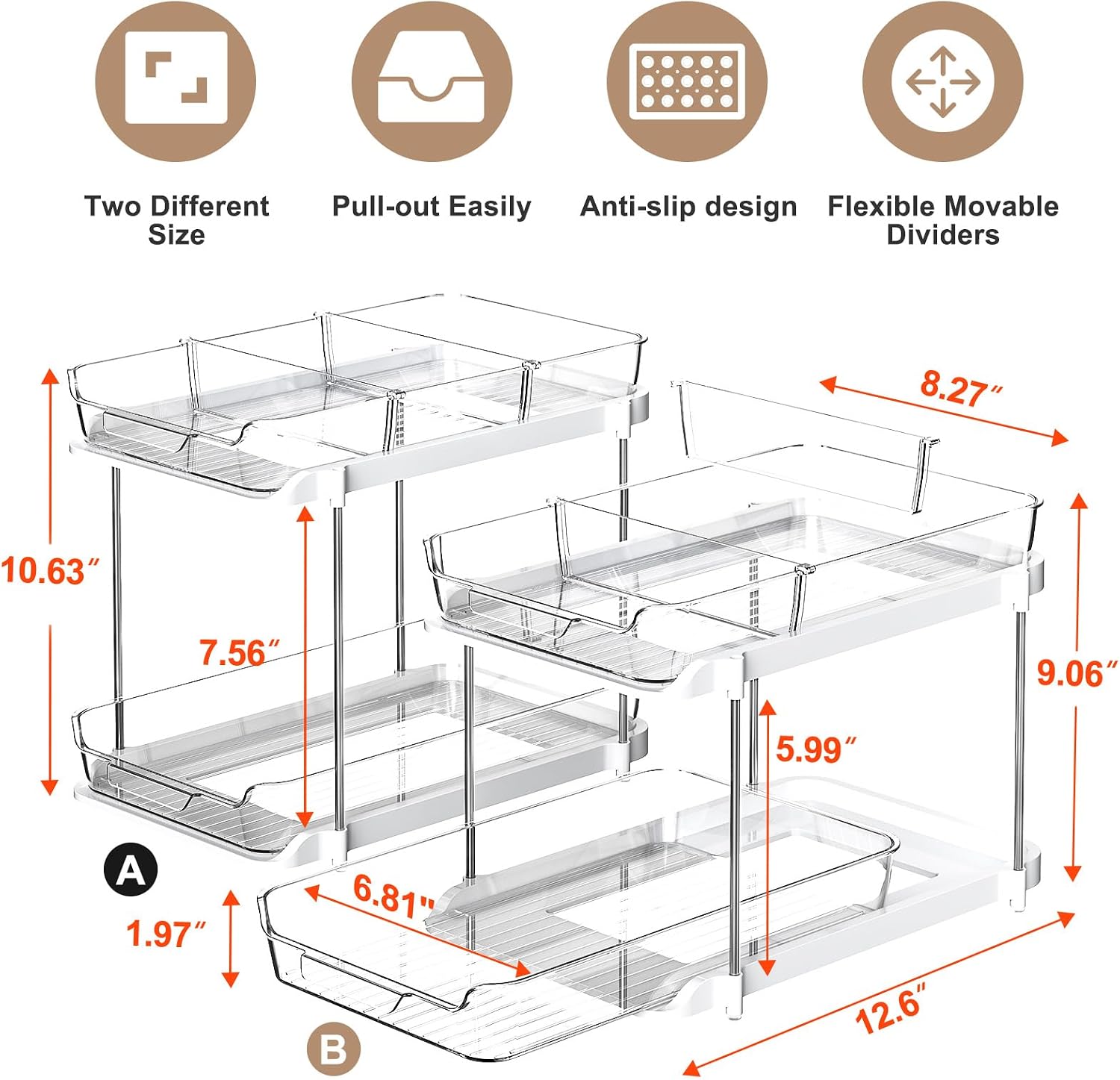
A bin is useful when it prevents small items from scattering or lets you pull out a group together. It is less useful when the bin itself wastes vertical space or hides what is inside.
Measure shelf depth and height before buying refrigerator organizers. Many products are designed for large refrigerators and consume too much space in compact ones.
Make grocery day part of the organizing system
Before putting new groceries away, spend five minutes checking the refrigerator. Move older food forward, discard anything that is no longer appropriate to keep, consolidate duplicates, and identify what should be eaten soon.
Do not simply stack new food in front of old food. That is how a small fridge becomes a time capsule.
Shop to the refrigerator you actually own
Bulk deals are appealing, but a small refrigerator has a hard capacity. Buying two giant packages because the unit price is lower may leave no room for cooked meals. The real cost includes the storage pressure and the food that may go to waste.
This connects directly to How to Store Bulk Household Supplies When You Don’t Have a Pantry: capacity should shape purchasing.
Use one weekly fridge reset
Choose a predictable moment—before the main grocery shop works well for many families. The reset can be simple:
- Check leftovers.
- Identify produce that needs to be used.
- Combine duplicates.
- Wipe obvious spills.
- Make room for incoming groceries.
- Add “use first” foods to the next meal plan.
This is not a deep clean. It is an inventory correction.
Keep the outside of the fridge from becoming another clutter zone
Magnets, school notices, coupons, appointment cards, and artwork can turn the refrigerator exterior into a second paper pile. Keep only current information there. Archive artwork elsewhere and move action papers into the household paper system.
What if the fridge is shared by adults with different food?
Give each person or diet a defined shelf section only when it reduces confusion. Avoid over-zoning if everyone eats mostly the same food. Too many borders can create wasted gaps and arguments over “whose shelf” is full.
A realistic family-fridge layout
- Eye level: leftovers and foods to eat soon.
- Easy family shelf: breakfast/lunch staples.
- Lower accessible zone: approved child snacks where appropriate.
- Drawers: produce categories the family actually remembers.
- Door: controlled condiments and suitable frequent items.
Explore this topic
Browse more practical guidance in the Home Organization hub. Room focus: Kitchen.
Related published guides
- How to Organize a Small Pantry When Food Has to Share Cabinets With Dishes
- How to Create a Family Snack Station in a Small Kitchen Without Encouraging More Clutter
Frequently asked questions
Should I use lots of refrigerator bins?
Only where they make a category easier to see or pull out. Too many bins can reduce usable space in a small refrigerator.
How do I stop leftovers from being forgotten?
Keep them together in one highly visible zone and label them clearly. Build “check leftovers” into lunch or grocery planning.
Why does my fridge look messy right after shopping?
You may be shopping beyond its comfortable operating capacity. Leave room for air, visibility, and leftovers instead of treating every shelf gap as space to fill.
A refrigerator is successful when food gets eaten
The best-looking fridge is not necessarily the best-organized one. A useful family refrigerator helps people find breakfast, see tonight’s ingredients, choose the older leftovers first, and know when something needs to be replaced. Keep the active layer visible, give food a path through the appliance, and resist the urge to fill every cubic inch. The real measure is not how much fits inside—it is how little gets forgotten. For a related step-by-step approach, see How to Organize a Small Fridge for a Busy Family Without Losing Food in the Back.