Bulk buying feels efficient at the store and surprisingly expensive at home. A case of paper towels, six bottles of detergent, twelve cans of soup, and a warehouse-size pack of toilet paper may cost less per unit, but the savings become less impressive when the products block a closet, occupy the dining area, or force daily items into awkward locations. For a related step-by-step approach, see A Realistic Nightly Reset for Small Homes When You’re Too Tired to Clean.
In a small home without a pantry, the question is not “Where can I fit this?” It is “How much backstock can this home reasonably carry?”
Storage capacity should influence buying quantity
Unit price is only one cost. Space is another. If buying four extra bottles means losing the only shelf used for school supplies, the purchase has a household cost that does not appear on the receipt. For the broader setup, The Sunday Night Small-Home Reset That Makes Monday Easier is a useful next read.
Set capacity first, then shop to that limit.
Create a backstock ceiling
For each category, decide the maximum reserve. Examples:
- toothpaste: one open, two backups,
- laundry detergent: one open, one backup,
- toilet paper: one active package plus one reserve,
- dish soap: one open, one or two backups,
- canned staples: a fixed shelf width, not an unlimited count.
The numbers depend on household size and shopping frequency. The principle is that storage is bounded before the sale appears. You may also find A Simple Seasonal Declutter Before Bringing Holiday Decor Into a Small Home useful for a closely related small-home problem.
Do not force every backup into the kitchen
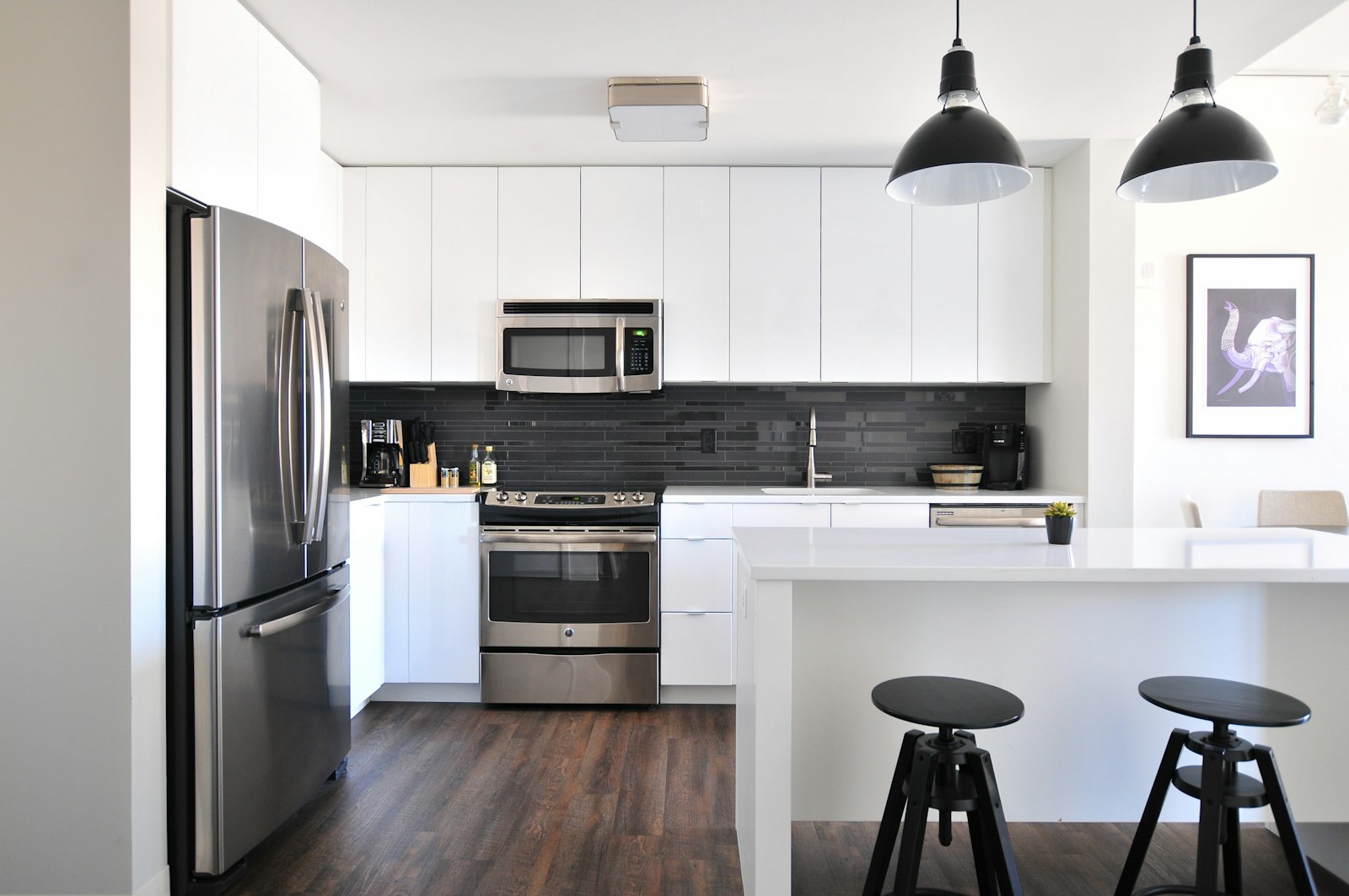
A pantry is convenient because food and household staples live together. Without one, distributed storage often works better.
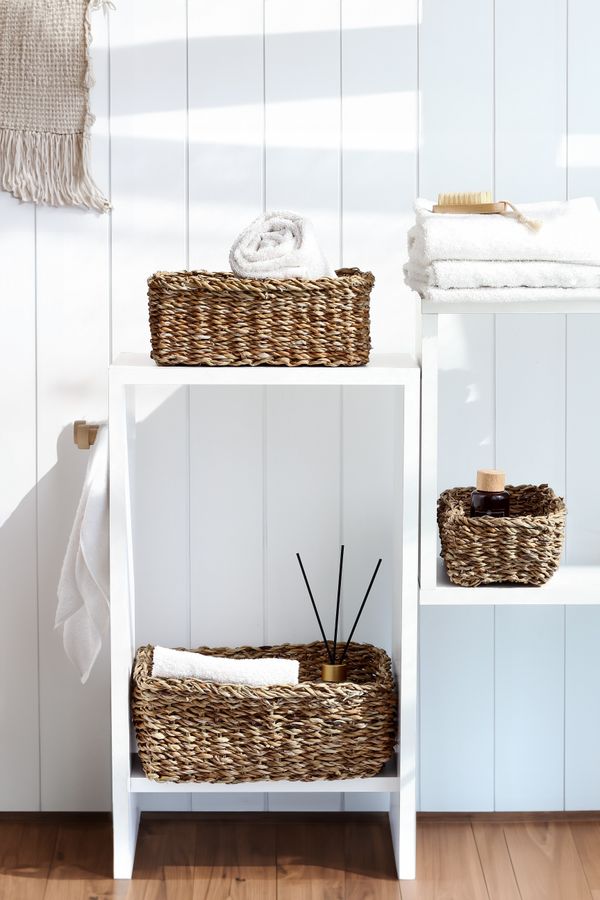
Bathroom tissue can live near the bathroom. Laundry refills can live near the washer. Extra hand soap can live with toiletries. Only food backstock needs to compete for kitchen space.
Store by point of use when possible
If an item is consumed in one room, keep at least the active unit there. The reserve can live deeper in that room or in a central backstock area.
This prevents the common problem of a single hall closet becoming a household warehouse.

Use high shelves for known backups
High shelves are poor locations for everyday items but excellent for predictable reserves. Paper goods, unopened toiletries, and lightweight refills can work well there if they are safe and easy enough to retrieve.
Label the shelf so buying decisions do not depend on memory.
Deep cabinets need front-to-back rules
If you use a deep cabinet for food, keep active items in front and exact backups behind them. Avoid placing unrelated categories in layers.
A deep shelf becomes chaotic when three categories are stacked front to back and the back row is invisible.
Decanting does not always save space
Matching containers look organized, but transferring products can add an extra container and separate the expiration or safety information from the original package.
Decant only when it improves actual use—for example, a cereal container that fits a narrow shelf better—not because every pantry photo uses clear bins.
Paper goods compress poorly
Toilet paper and paper towels are light but bulky. Good locations include high closet shelves, under a bed in clean dry storage, above laundry cabinets, or a dedicated top shelf in a bathroom closet. For the broader setup, How to Use Under-Bed Storage Without Turning It Into a Forgotten Junk Zone is a useful next read.
If the package dominates a room, reduce the purchase size. Sometimes the smaller pack is the more efficient choice for the home even if each roll costs slightly more.
Cleaning-product refills require safety first
Do not store cleaning chemicals wherever empty space happens to exist. Consider manufacturer guidance, ventilation, temperature, child access, pet access, and incompatible products.
Backstock organization is not more important than safe storage.
Use a “one open, one backup” default
For many small homes, this simple rule eliminates overbuying. Keep one item in use and one unopened replacement. Add a second backup only for products with unusually high use or infrequent purchasing opportunities.
This rule also makes shopping easy. When the active item empties and the backup opens, the product goes on the list.

Separate emergency reserves from ordinary bulk buying
Emergency supplies serve a different purpose from sale-driven backstock. Water, shelf-stable food, batteries, and other preparedness items may deserve dedicated capacity based on local needs and guidance.
Do not let the existence of emergency storage justify unrelated excess inventory.
Track expiration-sensitive items
Bulk food, medicine, sunscreen, and some household products do not improve by sitting for years. Rotate older stock forward and avoid buying quantities the household cannot use in a reasonable period.
A cheap expired product is not a saving.

Create one backstock map
You do not need a spreadsheet. Write a short note listing where reserve categories live:
- Bathroom top shelf: toilet paper + toiletries.
- Laundry cabinet: detergent + stain supplies.
- Kitchen upper cabinet: canned food backups.
- Bedroom high shelf: paper towels.
This is useful when backstock is distributed, because family members can find supplies without opening every closet.
What to do after a warehouse-store trip
Do not leave bulk packages intact if doing so wastes space. Break the case into point-of-use quantities, recycle outer packaging when appropriate, and place reserves directly into assigned zones.
The shopping trip is not finished until the inventory has a home.
For food-specific backstock, How to Store Grocery Backstock in a Small Home Without Turning Every Closet Into a Pantry goes further into grocery volume, rotation, and where excess food should live.
Frequently asked questions
Is bulk buying worth it in a small apartment?
Sometimes. It works best for high-use products when the savings are meaningful and the quantity fits an existing storage limit.
Where can I store extra toilet paper with no closet?
Use dry, clean spaces such as high shelving, a bathroom cabinet, a suitable under-bed bin, or closed furniture near the bathroom.
How do I stop forgetting what I already bought?
Keep each category in one reserve location when possible and use a simple “open plus backup” rule so inventory is easy to see.
Bulk storage should protect the home, not consume it
The goal of buying ahead is to reduce cost and inconvenience. If the backstock makes the home harder to live in, the system is upside down. Decide how much space each category is allowed to occupy, distribute supplies near where they are used, and let the storage limit—not the sale sign—determine how much you bring home.