Most household stains and odors become harder to manage because they sit unnoticed, get rubbed deeper, or are covered with fragrance instead of having the source removed.
A small home benefits from a fast first-response routine: identify the material, remove excess mess, use the gentlest appropriate method, dry the area, and reassess before doing more. For a related step-by-step approach, see How to Create a Home Office in a Small Space Without a Dedicated Room.
The five-step first response
- Stop the spread. Pick up solids or blot excess liquid.
- Check the material. Fabric, wood, stone, carpet, upholstery, and painted surfaces may need different care.
- Start gentle. Follow manufacturer or care-label instructions when available.
- Dry the area. Do not leave damp materials trapped under cushions or rugs.
- Reassess. Repeat or escalate only if the mark or odor remains.
Food and drink spills
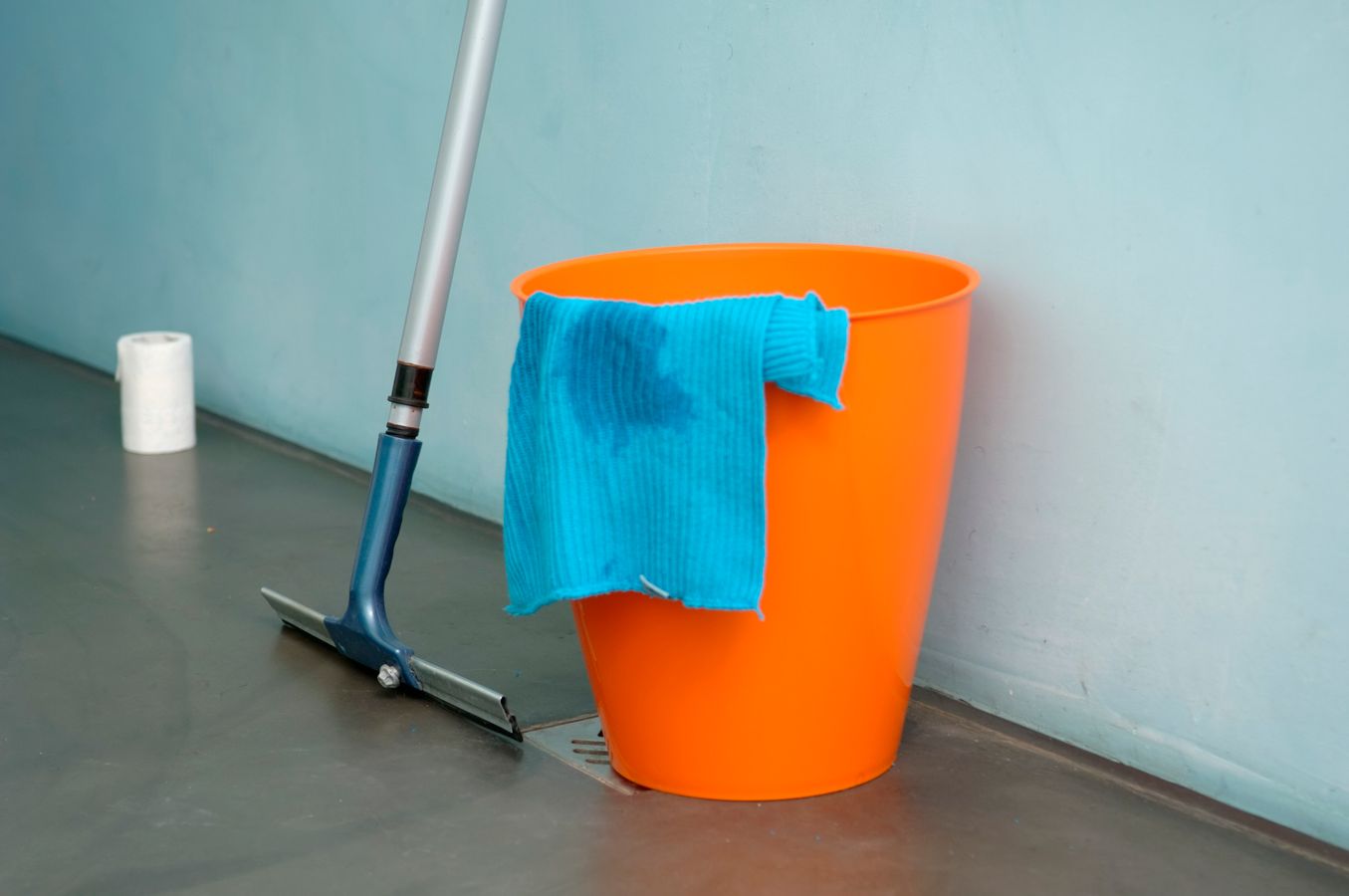
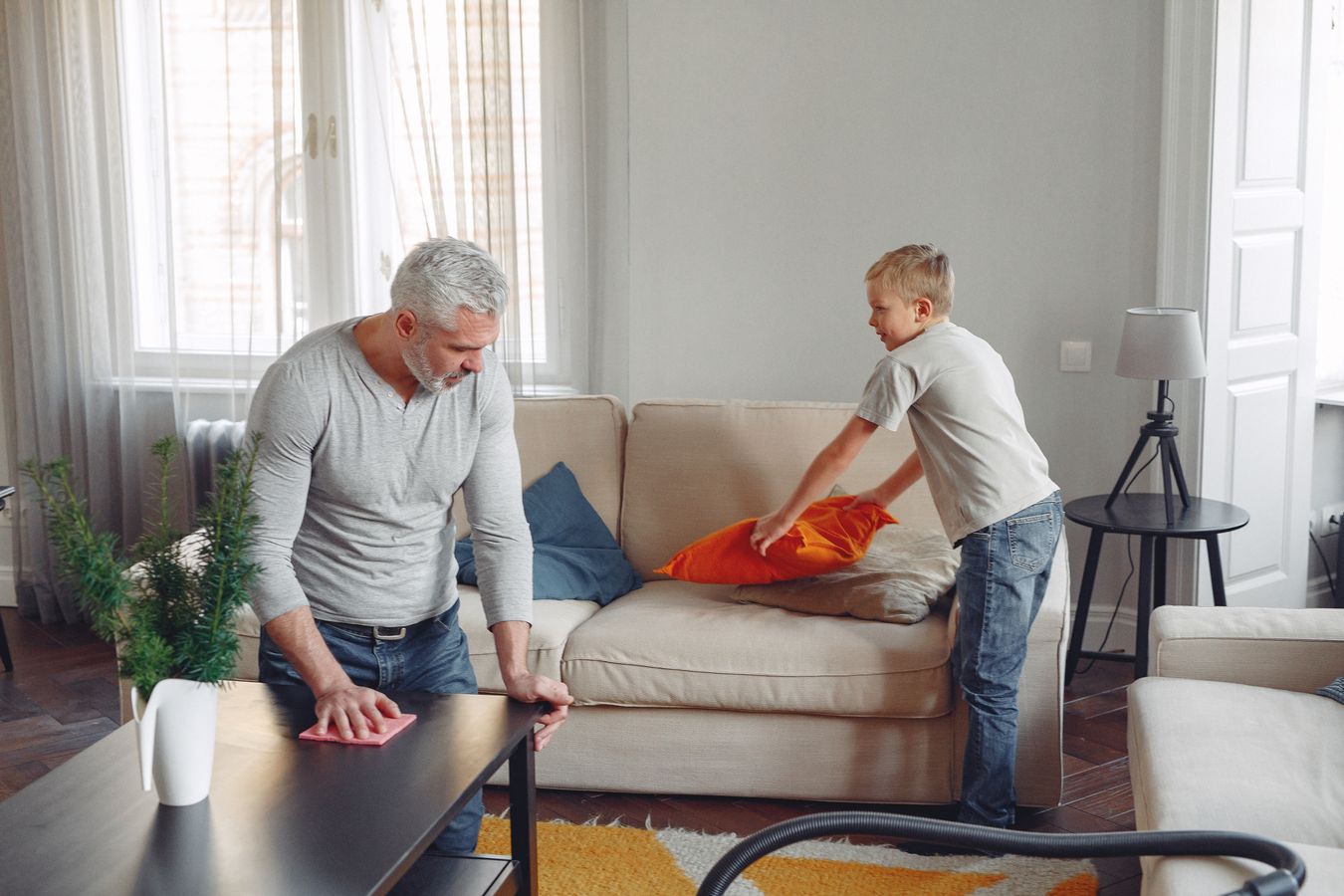
Respond before the spill spreads. Blot liquids instead of aggressively rubbing them across fabric. Remove crumbs or solids so they do not get pressed into fibers.
For washable textiles, follow the care label before using heat or specialty stain products.
Greasy kitchen marks
Handle grease near cooking areas while it is still limited. Use a cleaning method appropriate for the surface and avoid transferring grease with an already saturated cloth.
Keeping one clean prep zone and wiping after cooking reduces the number of old sticky spots that later require scrubbing. If you are working on the same space, How Often Should You Clean Everything in a Small Home? covers the next decision in more detail.
Muddy entryway messes
Let heavy mud dry when that makes removal easier for the specific flooring or mat, then lift or vacuum loose soil before wet cleaning.
Prevent the next round with a defined shoe zone. See A Small Entryway System for Backpacks, Shoes, Coats, and School Papers.
Damp towels and musty smells
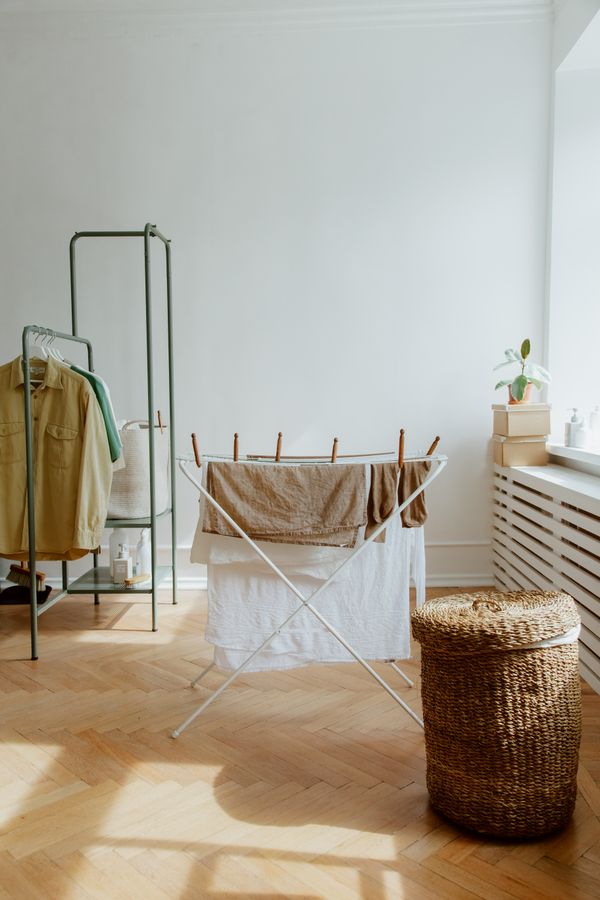
Odor from damp textiles is a source problem. Spread towels so they can dry and move wet laundry into the laundry flow instead of leaving it in a bedroom or bathroom pile.
Pet accidents or other organic messes
Remove the source promptly and clean according to the surface or textile instructions. Avoid repeatedly masking the smell with fragrance while residue remains.
If a material has special warranty or cleaning requirements, follow those instructions first.
Upholstery marks
Before using a product, check the furniture care code or manufacturer instructions. Test an appropriate method in an inconspicuous area when recommended.
Use as little moisture as the material requires and allow the area to dry thoroughly.
Carpet spots
Blot from the outside of the spill toward the center to limit spreading. Avoid soaking the backing. For difficult stains or materials with special care requirements, use the carpet manufacturer’s guidance or professional help as appropriate.
Mattress and bedding odors
Start with the obvious sources: damp bedding, sweat-soaked textiles, spilled drinks, or items stored under the bed. Wash removable textiles according to their care labels and let the sleep surface air appropriately before remaking the bed.
Trash and food odors
Empty the source, inspect for leakage, wipe the container if needed, and allow it to dry before relining. Adding fragrance without cleaning the bin rarely fixes the actual problem.
Shoe odor
Give damp footwear time and airflow to dry before placing it into closed cabinets. Rotate frequently worn shoes when practical instead of trapping moisture immediately after use.
The “odor triangle”
When a room smells off, check three areas first:
- wet: towels, bath mats, laundry, damp shoes;
- food: trash, dishes, crumbs, old leftovers;
- soft: upholstery, rugs, bedding, pet textiles.
This is faster than spraying the entire room and hoping the smell disappears.
Build a small first-response kit
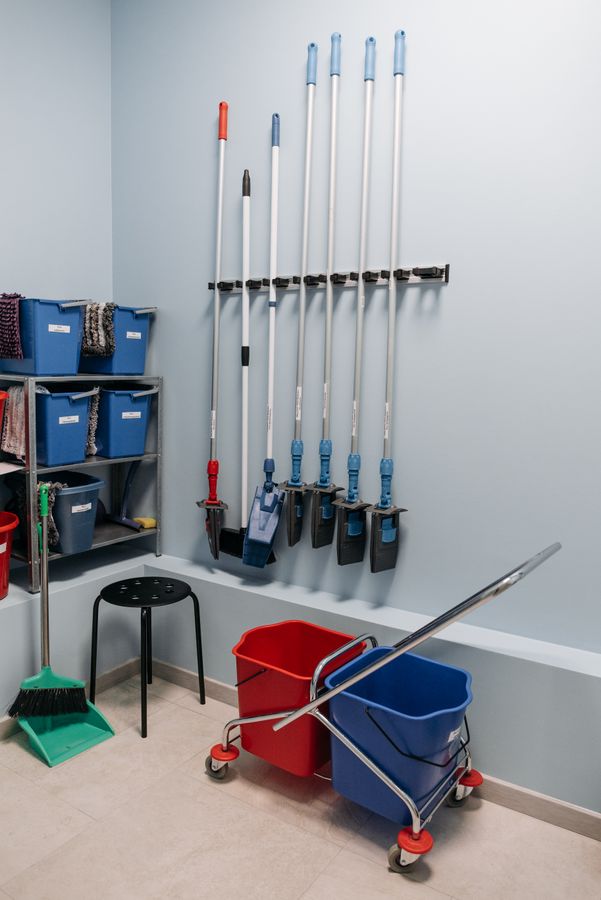
You do not need a cabinet of specialty products. Keep the basic cloths and tools you already use, plus any manufacturer-approved cleaners required by your floors, upholstery, or appliances. If you are working on the same space, How to Keep Floors Clean in a Small Home With Kids and Shoes covers the next decision in more detail.
Store them together so a spill can be handled before it becomes tomorrow’s task.
Know when not to experiment
Pause when the material is valuable, delicate, color-sensitive, or governed by specific care instructions. More aggressive cleaning is not automatically more effective and can make damage permanent. If you are working on the same space, How to Organize a Home So Kids Can Put Their Own Things Away covers the next decision in more detail.
A 10-minute odor-source check
- empty trash,
- remove dishes and food,
- collect damp textiles,
- check shoes and entryway,
- inspect sofa/bed soft goods,
- open up appropriate drying or ventilation where available.
For a whole-home odor routine, see How to Keep a Small Home Smelling Fresh Without Constantly Cleaning.
Frequently asked questions
Should I rub a stain to get it out faster?
Often, aggressive rubbing can spread or work a stain deeper into fibers. Start by removing excess material and blotting when appropriate for the surface.
Why does an odor come back after I spray air freshener?
Fragrance may cover a smell temporarily while the actual source remains. Find and remove the source first.
Do I need a different stain remover for every material?
No. Start with care instructions and a small set of compatible basics. Specialty products only make sense when a recurring material or stain requires them.
Fast response beats heroic cleaning
The best stain routine is not a shelf full of products. It is noticing the mess early, using the right method for the material, and letting the area dry before the problem spreads or turns into a persistent odor.