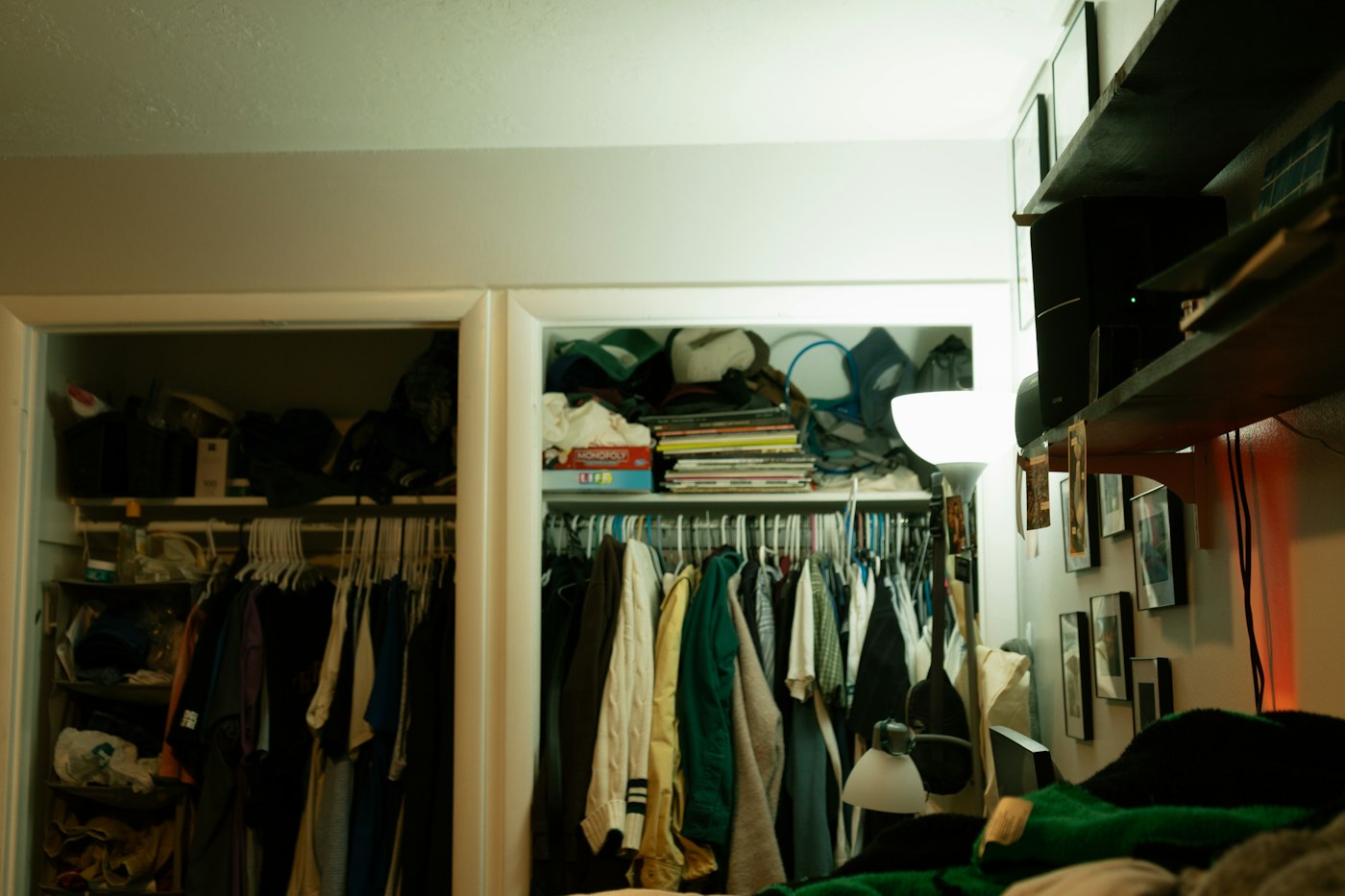
When a small home feels too full, the problem is not always that you own an extreme amount of stuff. The problem is that the home has very little margin. A few extra boxes, duplicate kitchen tools, clothes that no longer fit, abandoned hobby supplies, and “just in case” items can use up the open space that makes daily life work. If you are working on the same space, A Realistic Deep-Cleaning Checklist for a Small Home covers the next decision in more detail.
That is why the first decluttering question should not be:
“What should I get rid of?”
A more useful question is:
“What can I remove first that gives me the most space back for the least difficult decision?”
This guide uses a relief-first decluttering order. You begin with low-emotion, high-certainty items. Then you move toward duplicates, unused volume, and bulky low-value belongings. Sentimental and difficult decisions come later, after the home already has more breathing room.
The order matters when your home already feels overloaded
If you start with family photos, heirlooms, expensive purchases, or clothes tied to a different stage of life, you can spend an hour making five decisions and reclaim almost no space.
If you start with expired products, empty packaging, broken objects, obvious duplicates, and bulky things nobody uses, the same hour can visibly change the room.
The goal is space reclaimed per decision.
Use this order:
- Trash, recycling, and expired items
- Empty packaging and containers you are storing without a job
- Broken items you are not realistically repairing
- Obvious duplicates
- Wrong-size and outgrown items
- Unused consumables and forgotten supplies
- Bulky low-use belongings
- Aspirational-project clutter
- Excess backups
- Decor and sentimental items only after easier categories are done
You do not need to finish every category. Start at the top and stop when the home has enough breathing room for the next normal day.
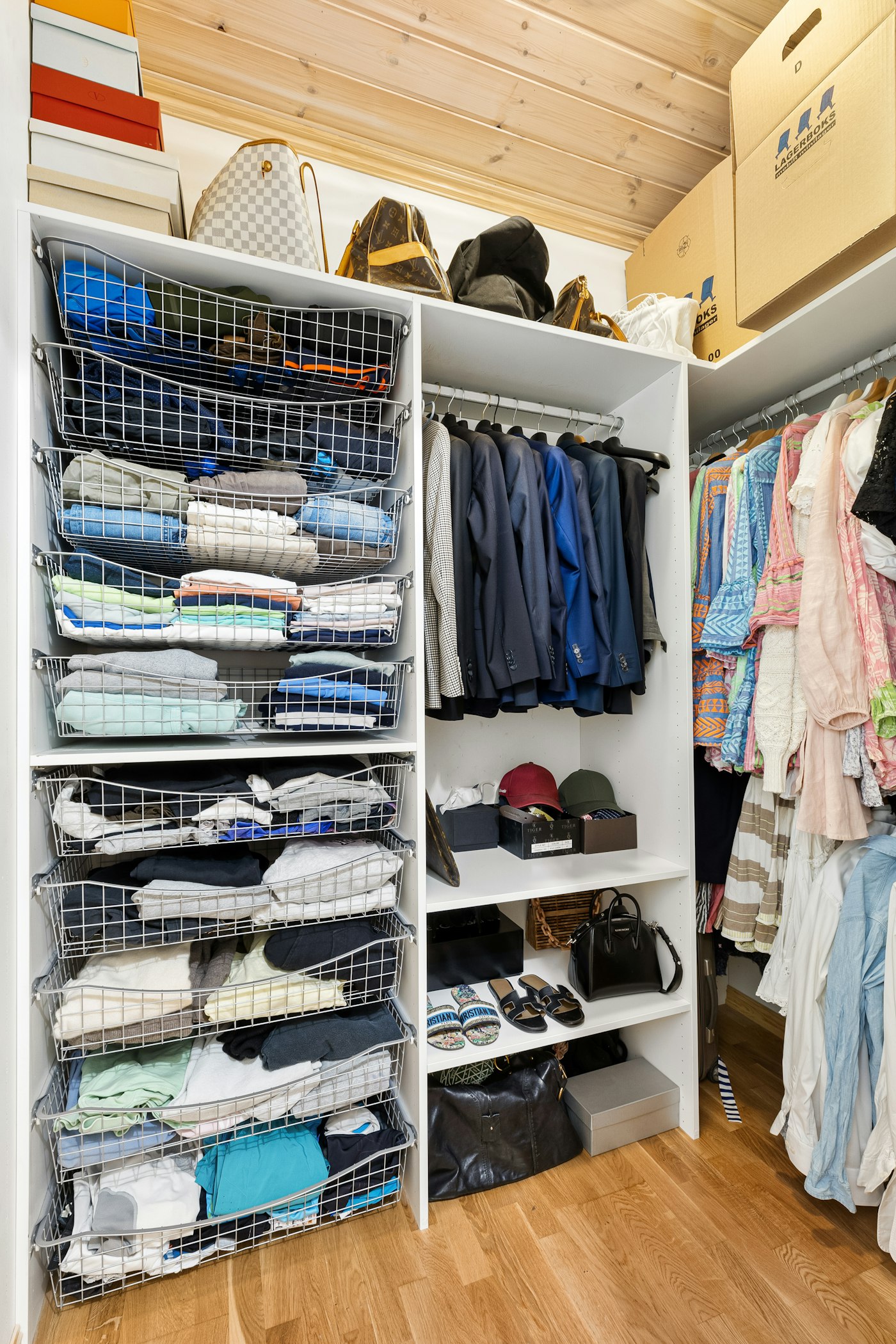
1. Trash, recycling, and things that are already finished
This sounds obvious, but mixed clutter hides finished items surprisingly well.
Look for:
- empty shipping boxes,
- expired coupons,
- used-up toiletries,
- broken packaging,
- old receipts you do not need,
- food packaging,
- empty bottles,
- damaged paper bags,
- junk mail,
- obvious trash inside drawers and baskets.
These are the easiest decisions because the item no longer needs storage.
Do one fast sweep through the kitchen, bathroom, entryway, and main living space before touching anything emotional.
2. Empty packaging you are keeping “just in case”
Small homes often store a surprising amount of air.
Phone boxes, appliance boxes, shoe boxes, delivery cartons, product inserts, gift boxes, and packaging for items long past the return window can occupy large volumes without serving a daily purpose.
Keep packaging when it has a clear reason:
- the item may still be returned,
- the box is needed for a move or warranty process,
- specialized packaging protects something unusually fragile.
Otherwise, ask whether the container deserves the same storage priority as something you actually use.
A single large appliance box can free more space than twenty tiny decluttering decisions.
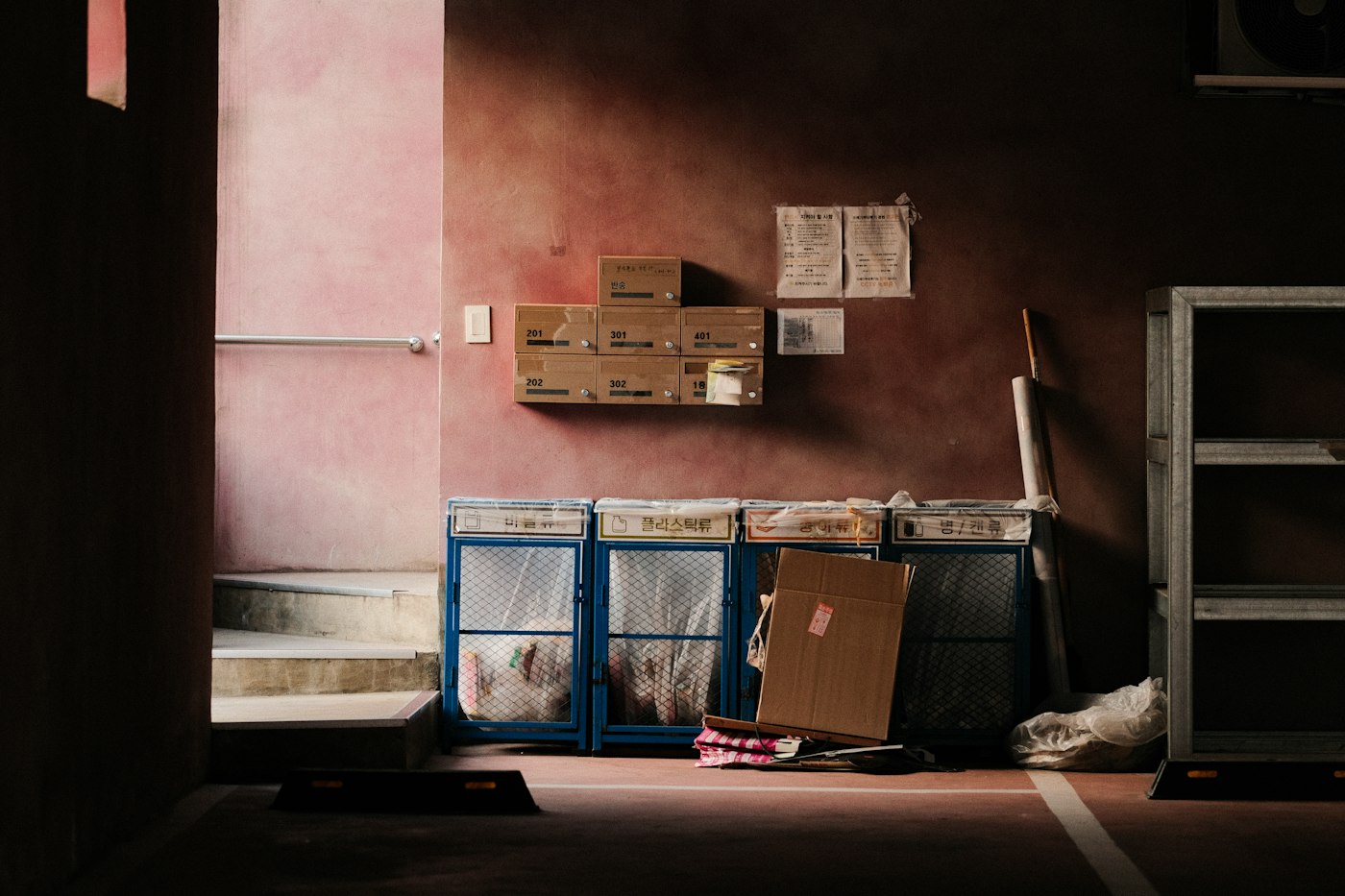
3. Broken items you are not actually going to repair
Broken belongings often survive because they are not technically trash yet. They are waiting for a future repair.
Set a practical test:
If I had a free hour this weekend, would repairing this be one of the things I would genuinely choose to do?
If the answer has been no for months, make a decision.
Examples:
- damaged small appliances,
- cracked storage bins,
- toys missing important parts,
- clothing needing repairs you keep postponing,
- broken hangers,
- electronics that no longer work,
- furniture waiting for a repair that is not scheduled.
Recycle, repair, donate for parts, or dispose of items according to local options. The important part is to stop treating an unscheduled repair as permanent storage. For a related step-by-step approach, see Where to Store Important Documents in a Small Apartment.
4. Obvious duplicates: keep the favorite, not the whole set
Duplicates are one of the easiest places to reclaim usable storage because the function remains after you remove some of the quantity.
Start with categories where you already have clear favorites.
Kitchen duplicates
- spatulas,
- wooden spoons,
- measuring cups,
- water bottles,
- travel mugs,
- food-storage containers,
- serving bowls,
- coffee mugs.
Choose the versions you reach for first. Then look at what remains.
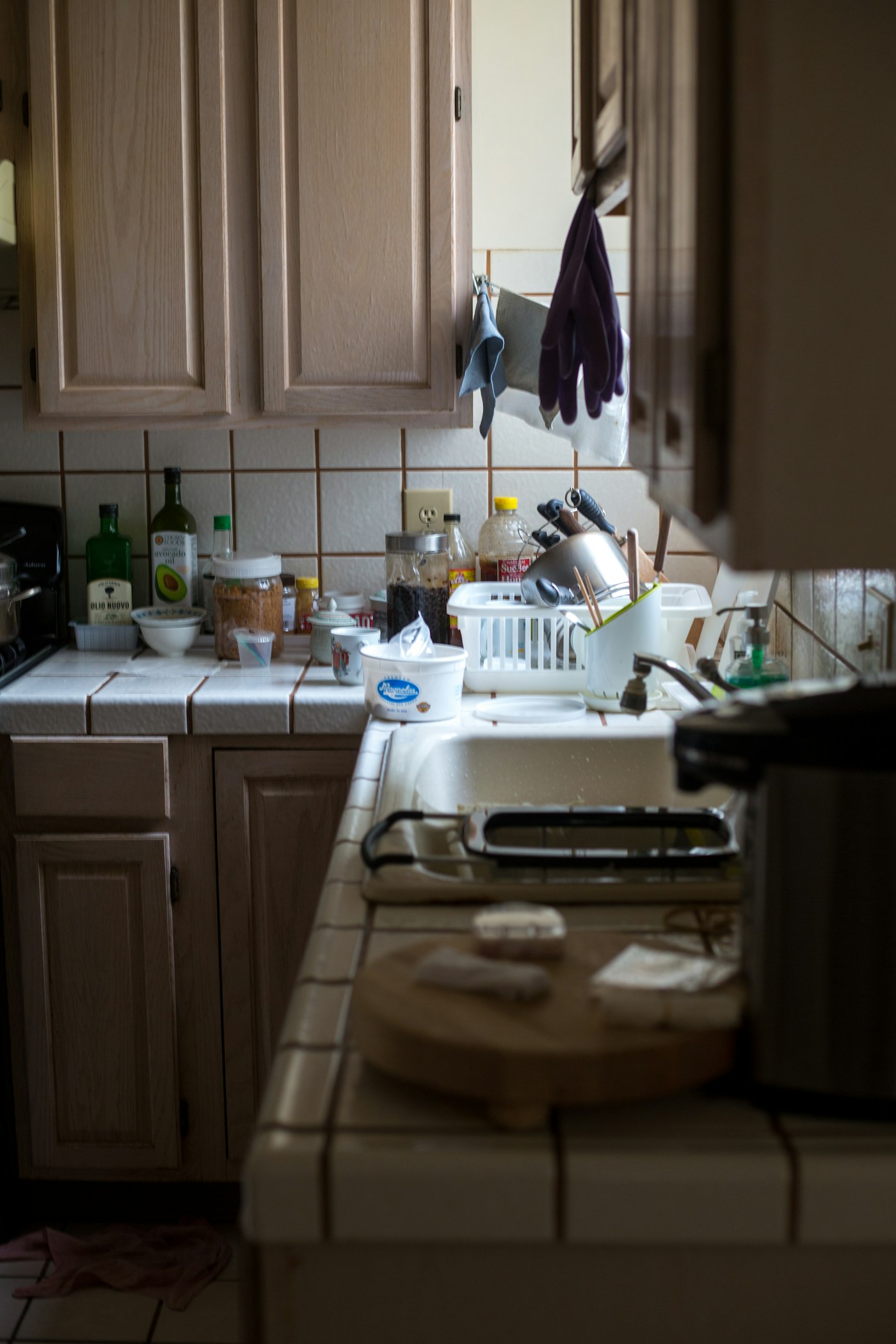
If six mugs fit comfortably in your cabinet and you use the same four every week, the remaining mugs have to justify the space they take.
Bathroom duplicates
Check half-used products you stopped liking, duplicate hair tools, extra toiletry bags, and sample products you never choose.
Office and school duplicates
Keep a reasonable working supply of pens, notebooks, folders, and craft tools. You do not need twenty versions of an item simply because each one still works.
5. Wrong-size, outgrown, and no-longer-used clothing
Clothing is a major space category, but do not begin with your most emotionally complicated pieces.
Start with the easy layer:
- children’s clothes that are clearly outgrown,
- shoes that no longer fit,
- damaged basics you already replaced,
- items that are uncomfortable every time you wear them,
- duplicates where one version is always chosen over the others,
- clothes you have intentionally stopped wearing for practical reasons.
These decisions create closet breathing room without forcing you to decide your entire wardrobe at once.
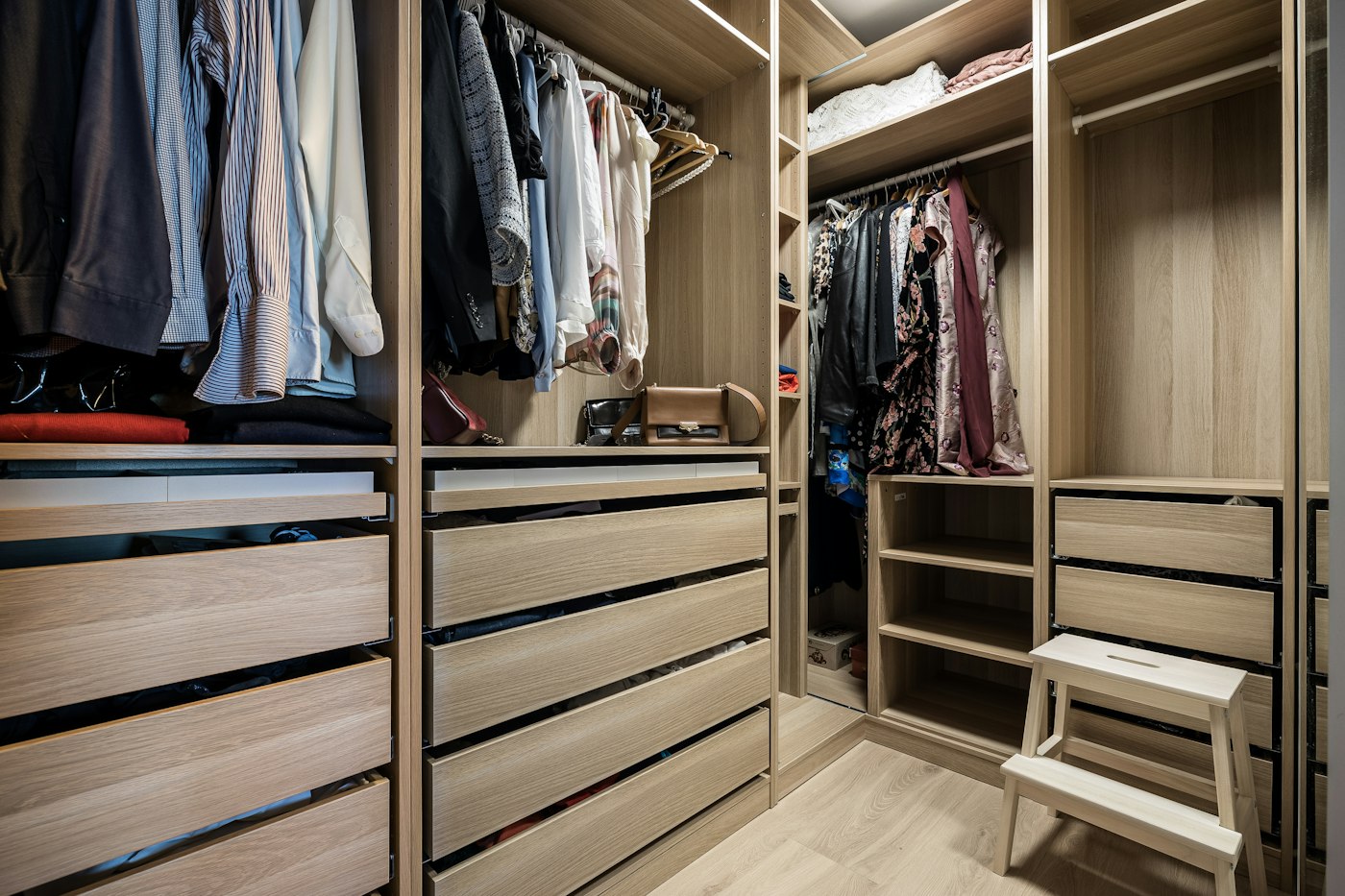
Do not use “maybe someday” as an unlimited clothing category
It is reasonable to keep a limited number of items for weight changes, pregnancy/postpartum transitions, uniforms, formal occasions, or seasonal use.
The problem begins when the “someday” group becomes larger than the clothes serving your current life.
Give transitional clothing a defined section or container. When that space is full, choose what deserves to remain inside it.
6. Consumables you are unlikely to consume
Consumables feel easier to keep because they will theoretically disappear through use. But unused consumables can remain for years.
Check:
- beauty products you disliked,
- cleaning products bought for one specific task,
- specialty pantry ingredients you no longer cook with,
- craft supplies for a project you abandoned,
- candles or fragrance products you never use,
- office supplies in quantities far beyond your needs.
Use what you genuinely want to use, safely dispose of what cannot be kept, and stop giving prime storage space to products you repeatedly pass over.
7. Bulky items with very low use
Once the easiest categories are gone, look at volume.
A small home can feel dramatically better after removing one large item that is rarely used.
Examples:
- an exercise machine that became a clothing rack,
- a large baby item after the stage has passed,
- extra dining chairs with no realistic use,
- a bulky kitchen appliance used once a year,
- large luggage in more sizes than the household needs,
- oversized storage furniture holding low-value clutter,
- duplicate floor lamps or side tables,
- a hobby setup for a hobby you stopped doing.
Ask:
“Is the use I get from this object worth the floor, shelf, or closet volume it permanently occupies?”
This is one of the highest-impact questions in a compact home.
8. Aspirational-project clutter
Some belongings represent a future version of us:
- the craft project we plan to start,
- the instrument we intend to learn,
- the furniture we plan to refinish,
- the stack of books we believe we should read,
- the exercise equipment for a routine we no longer follow,
- the clothes for a lifestyle we do not currently live.
Do not automatically remove all aspirational items. Instead, separate active projects from deferred identity clutter.
An active project has a next step and a realistic timeframe.
A deferred project has been stored for months or years without movement.
If you still want the project, give it a deadline and a defined storage limit. If not, releasing the supplies also releases the unfinished obligation attached to them.
9. Excess backups
Backups are useful when replacement is difficult, expensive, or disruptive. They become clutter when every category has multiple backups.
Look at:
- extra towels,
- spare bedding,
- duplicate toiletries,
- backup kitchen tools,
- extra chargers,
- spare bags,
- cleaning supplies bought in bulk,
- unused containers.
For each category, ask how many backups your normal household rhythm actually requires.
If laundry happens several times a week, you may need fewer towels and sheets than a home where laundry is only possible once every ten days.
The right amount depends on your routine—not an arbitrary minimalist number.
10. Extra linens: a quiet space hog
Linens compress, so they do not always look like a major category. But sheets, towels, blankets, pillows, guest bedding, beach towels, and seasonal throws can fill an entire closet.
Start with obvious excess:
- worn towels nobody chooses,
- sheet sets for bed sizes you no longer own,
- duplicate blankets that never leave the shelf,
- pillows kept without a specific purpose,
- guest bedding beyond realistic guest needs.
Keep enough for normal rotation and realistic emergencies. Let the linen-storage area set the boundary.
11. Containers that are creating clutter instead of solving it
Storage bins are not automatically helpful.
Empty bins, mismatched baskets, organizer trays that do not fit, decorative boxes, and unused containers can become their own category of clutter. For the broader setup, A Toy Rotation System for Small Homes That Parents Can Actually Maintain is a useful next read.
Keep a small number of flexible containers for real needs. Let go of containers waiting for a hypothetical future organizing project.
A container is useful when it has a job. An empty organizer waiting for a problem is still an object requiring storage.
12. Old technology and mystery cables
Technology clutter often survives because people worry they may need a cable later.
Sort by certainty:
Keep
Chargers and cables for devices you currently own, labeled when necessary.
Investigate
A very small group of unknown cables. Test or identify them within a deadline.
Remove responsibly
Cables for devices you no longer own, obsolete accessories, broken electronics, and duplicates beyond a reasonable backup.
Use appropriate electronics recycling options rather than putting restricted electronics into ordinary trash where local rules prohibit it.
13. Paper that has no future action
Paper feels small individually but expands rapidly in piles.
Remove the easy paper first:
- junk mail,
- expired flyers,
- duplicate printouts,
- receipts you do not need,
- empty envelopes,
- old packaging inserts,
- school notices after the event has passed.
Do not make important-document decisions in the middle of a general purge. Put action papers and records into their proper system. You may also find A Home Filing System for Families With No Home Office useful for a closely related small-home problem.
For a full method, see Small Apartment Paper Organization: A Simple System That Stays Tidy.
14. Decor you stopped seeing
Decor can become visually invisible to the owner while still occupying surfaces that make the room feel crowded.
Look at shelves, side tables, windowsills, and walls as if you were seeing them for the first time.
Ask:
- Do I still enjoy this?
- Would I choose to display it today?
- Is the object making the room feel more personal or simply more full?
- Would one larger meaningful object feel calmer than six small objects?
You do not need bare rooms. The goal is to let the objects you care about be visible instead of competing with everything else.
What not to remove first
When the home already feels overwhelming, postpone categories that create slow, emotional decisions.
Do not start with:
- family photographs,
- heirlooms,
- children’s memory boxes,
- expensive items you regret purchasing,
- important legal or financial records,
- another person’s personal belongings.
These categories may eventually need decisions, but they are poor first targets when your immediate goal is physical relief.
The 30-minute “make the home feel bigger” sequence
Minutes 0–5: remove trash and recycling
Work only in the room that currently feels most crowded.
Minutes 5–10: remove empty packaging
Flatten boxes, recycle appropriate packaging, and remove containers that no longer have a job.
Minutes 10–15: collect obvious duplicates
Choose one category: mugs, bottles, towels, toiletries, or kitchen tools.
Minutes 15–20: remove wrong-size and outgrown items
Use the easiest clothing or children’s category.
Minutes 20–25: identify one bulky low-use item
You do not have to remove it immediately. Decide whether it still deserves the space.
Minutes 25–30: get outgoing items to the exit
Donation bag to the car or door. Recycling out. Trash removed. Do not leave the decluttering results sitting in a new pile.
If the living room feels too full, remove in this order
- trash and food/drink remnants,
- objects belonging in other rooms,
- extra blankets and pillows,
- toys that are no longer age-appropriate or used,
- decorative objects crowding surfaces,
- bulky furniture with weak daily value.
The living room should first support the activities your family actually does there.
If the kitchen feels too full, remove in this order
- food packaging and expired food,
- non-kitchen items,
- duplicate utensils and containers,
- rarely used countertop appliances,
- serving pieces that exceed realistic needs,
- specialty gadgets replaced by another tool.
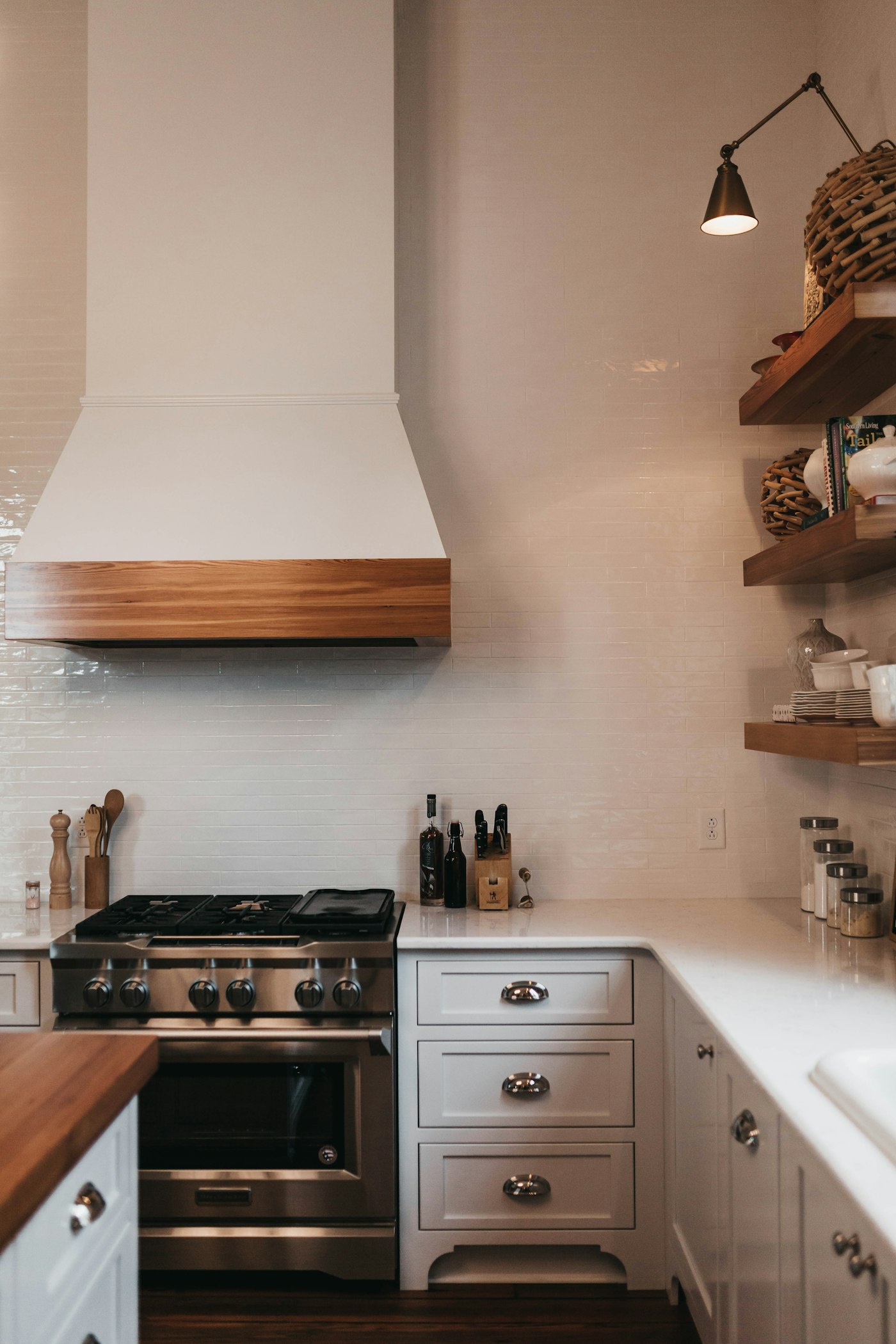
Removing a few low-use countertop items can create more usable kitchen space than reorganizing every cabinet.
If the bedroom feels too full, remove in this order
- dirty laundry into the hamper,
- clean laundry back into storage,
- trash and packaging,
- wrong-size/outgrown clothing,
- uncomfortable clothes you never choose,
- extra linens,
- objects that belong in other rooms.
If clean clothes do not fit back into storage, use How to Keep Laundry From Taking Over a Small Home to distinguish a laundry-flow problem from a clothing-capacity problem.
If the closet feels too full, remove volume before optimizing organization
A crowded closet is not always an organizer problem.
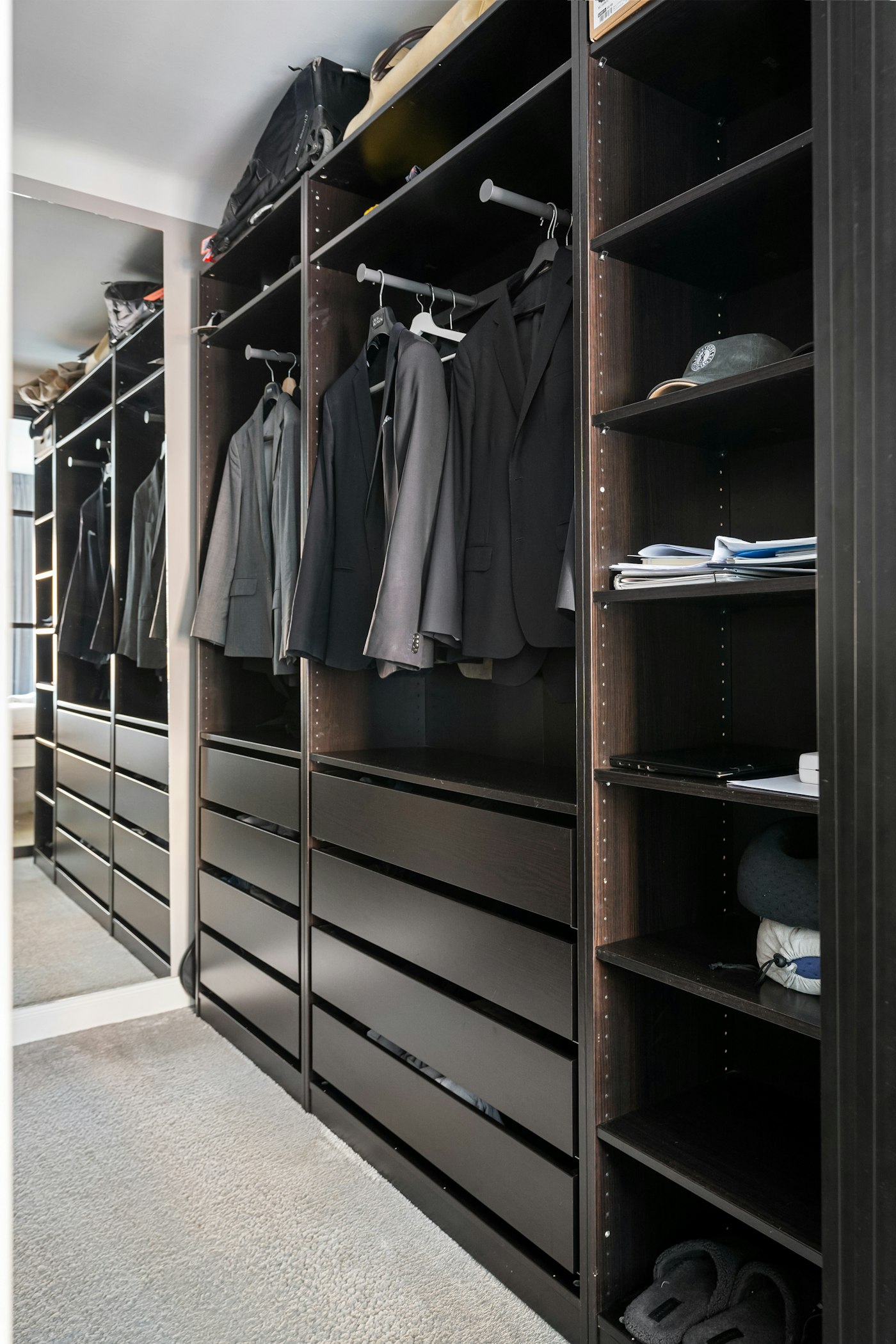
Before adding dividers or more shelves:
- remove empty boxes,
- remove obvious wrong-size clothing,
- move unrelated household items,
- reduce unused bags and shoes,
- identify bulky seldom-used items,
- then organize what remains.
An organizer cannot create capacity if the closet already contains more than it can comfortably hold.
Use one “space relief” target
Instead of counting items, choose a physical result.
For example:
- clear one chair,
- free one kitchen prep zone,
- empty one floor corner,
- create six inches of closet-rod breathing room,
- make one shelf easy to access,
- close one drawer without pushing.
This gives the session a finish line you can see.
How this differs from a full decluttering plan
This article is about choosing what leaves first when the home feels physically overloaded.
For the broader process—where to start, how to make decisions, how to use a return basket, and how to work in bounded zones—use How to Declutter a Small Home When You Don’t Know Where to Start.
The two methods work together:
- Starting guide: choose the right zone and decision process.
- This relief guide: remove the categories most likely to give space back quickly.
Frequently asked questions
What should I throw away first when decluttering?
Start with actual trash, expired items, unusable broken objects, and packaging that no longer serves a purpose. These decisions create momentum without emotional difficulty.
What category gives the most space back?
Bulky low-use objects often create the largest single gain, but easy volume such as packaging, extra linens, outgrown clothing, and unused appliances may be faster to process.
Should I get rid of duplicates first?
Duplicates are a strong early category because you can keep the function while reducing the quantity. Start with items where you already know which versions you prefer.
What if everything feels useful?
Shift from “Is this useful?” to “Is this useful enough to deserve this amount of space in this home?” Many objects are technically useful but not valuable enough to occupy premium storage indefinitely.
Should I sell things instead of donating them?
Sell items when the expected value is worth the time and storage required to list them. Give selling a deadline so the “for sale” pile does not become permanent clutter.
How do I know when I have decluttered enough?
Stop when daily functions become easier: drawers close, floors are clear, counters have working space, frequently used items are accessible, and outgoing items have actually left the home.
When a small home feels too full, remove certainty before complexity
You do not need to begin with the hardest possessions.
Start with what is already finished: trash, expired products, empty packaging, broken objects you will not repair, easy duplicates, outgrown items, unused consumables, and excess backups.
Then look for bulky low-use items that consume more space than the value they return.
Leave photographs, heirlooms, memory boxes, and emotionally complicated purchases until the home already has some physical breathing room.
The best first decluttering decisions are not necessarily the most meaningful ones. They are the ones that make the next decision easier.
When your small home feels too full, reclaim space from the easiest certainty first—and let that relief carry you into the harder categories later.
