Small homes often treat storage shortages as design problems: the shelf is full, so add a bin; the closet is full, so add a rack; the pantry is full, so move food into another cabinet. That approach can work for a while, but it has no natural stopping point. For the broader setup, How to Store Gift Wrap, Gift Bags, and Party Supplies in a Small Home is a useful next read.
The Capacity Ceiling Method starts with a different assumption: every category should have a maximum amount of space it is allowed to occupy. When the category reaches that boundary, the first response is review—not expansion.
Why capacity needs a ceiling
Without a ceiling, storage grows reactively. One more basket appears under the console. One more shelf goes above the washer. One more tote goes under the bed. Each addition seems small, but together they train the home to adapt to inventory rather than inventory adapting to the home. You may also find Where to Store Home Workout Gear in a Small Living Room Without Creating a Trip Hazard useful for a closely related small-home problem.
This is especially risky in small spaces because new storage usually consumes another scarce resource: floor area, wall area, visibility, or access.
The small-home storage audit helps identify inefficient systems; the Capacity Ceiling Method decides how large those systems should be allowed to become.

Step 1: define the category precisely
“Kitchen stuff” cannot have a useful ceiling. “Everyday mugs,” “lunch containers,” “backup pantry food,” and “baking equipment” can.
The category should be narrow enough that the items share a use pattern. This matters because daily dishes deserve different capacity logic from holiday serving pieces.
Step 2: choose the physical boundary
A boundary might be:
- one drawer,
- one shelf,
- one under-bed box,
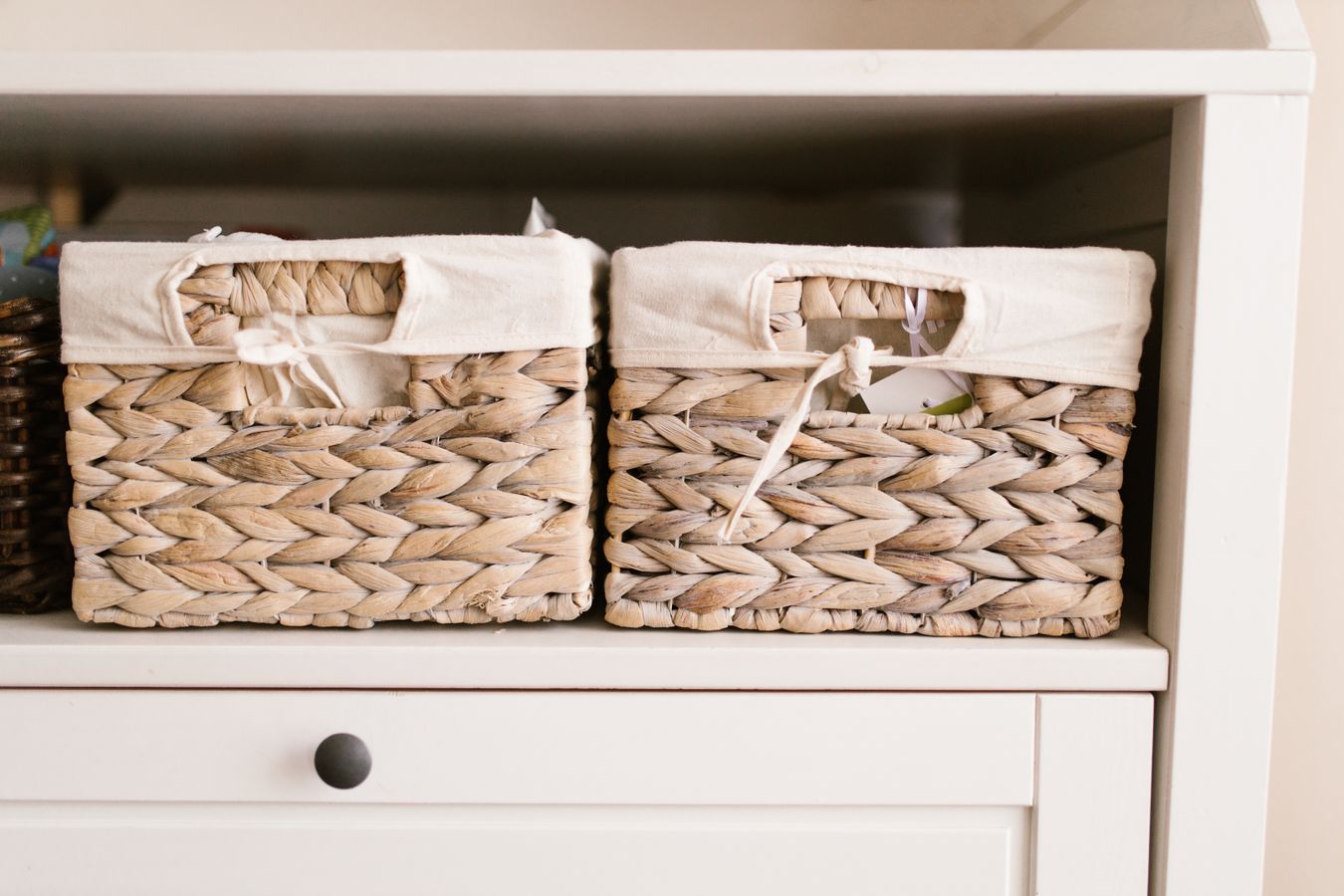
- one basket,
- one section of a wardrobe,
- one file box,
- one pantry shelf.
The boundary must exist in the real home, not in an imagined future renovation.

Step 3: decide whether the category needs operating slack
Some categories should not be packed to 100 percent. Groceries arrive before old food is completely gone. Laundry baskets temporarily fill before wash day. School papers spike at certain times of year.
I call the unused portion operating slack. It lets normal household fluctuations happen without immediate overflow.
A storage zone that works only when perfectly packed is not truly at capacity—it is already over capacity.
Step 4: identify the turnover rate
High-turnover categories can justify more accessible space because inventory enters and leaves frequently. Low-turnover categories deserve stricter ceilings because they accumulate quietly.
For example, a family may use a full shelf for weekly groceries while limiting sentimental keepsakes to one archive box. You may also find How to Organize Family Photos and Printed Keepsakes in a Small Home useful for a closely related small-home problem.

Pantry and backstock ceilings
Food storage expands easily because buying extra can feel economical. But every backup item occupies home capacity until consumed.
I prefer a rule such as “one active + one backup” for selected staples rather than a vague goal of keeping a well-stocked pantry.
If backstock is already spreading into unrelated closets, the guide to storing grocery backstock in a small home provides a more detailed distribution strategy.
Clothing ceilings
Closets and dressers often appear to need more organization when the real problem is category volume.
A useful ceiling can be tied to the furniture already present: everyday T-shirts must fit comfortably in one drawer; current-season outerwear must fit on one section of the rail; shoes must fit in the assigned shelf without floor overflow.
When the category exceeds the boundary, review fit, condition, frequency, and duplication before adding another storage piece.

Toy ceilings
Toys benefit from visible limits because children and adults can see when a category has exceeded its home.
Instead of adding more bins, limit active toys to the number of shelves or baskets the room can reset easily. Rotation inventory can have a separate ceiling in hidden storage. For the broader setup, Clear Bins vs. Opaque Baskets: Which Storage Works Better in a Small Home? is a useful next read.
This works well alongside the toy rotation system for small homes because active capacity and archive capacity remain distinct.
Paper ceilings
Paper is dangerous because one page occupies almost no space. Thousands of pages do.
A file box, binder, or drawer should have a defined archive purpose. When it fills, review old reference material rather than adding a second indefinite archive.
The article on paper files versus digital records is useful for deciding whether information deserves physical space at all.

Cleaning-supply ceilings
Cleaning categories frequently contain duplicates: several sprays for similar surfaces, multiple open bottles, refill packs, spare cloths, and tools bought for one specific problem.
Give daily supplies prime access and cap backstock separately. If the cleaning zone keeps expanding, the issue may be product duplication rather than lack of shelving.
When a ceiling should expand
Capacity is not permanent. A family can legitimately need more storage when life changes:
- a child starts school,
- another person moves in,
- work shifts home,
- a hobby becomes regular,
- medical or caregiving needs change,
- the household begins buying certain staples less frequently but in larger quantities.
The key is that the expansion should respond to a real routine, not merely to a full container.
When a ceiling should shrink
Categories can also lose importance. Baby gear becomes irrelevant. A hobby ends. A family stops hosting large dinners. Clothing needs change.
Storage boundaries should shrink when the category no longer deserves the same share of the home.
The 80-percent rule is not universal
People sometimes recommend leaving every storage area partially empty. The principle is useful, but the percentage should vary.
Books can fill a shelf more densely than a daily-use pantry. Seasonal archive boxes can be packed more tightly than a child’s toy bin. Prime storage needs more slack than low-frequency storage.
What matters is whether the category can be used and reset without unloading unrelated items.
A simple capacity score
Before expanding a category, score these from 0–2:
- Frequency: how often is it used?
- Turnover: how often do items leave?
- Growth pressure: does new inventory arrive regularly?
- Access importance: how costly is difficult retrieval?
High scores justify more accessible operating capacity. Low scores justify stricter ceilings.
Use the ceiling before buying an organizer
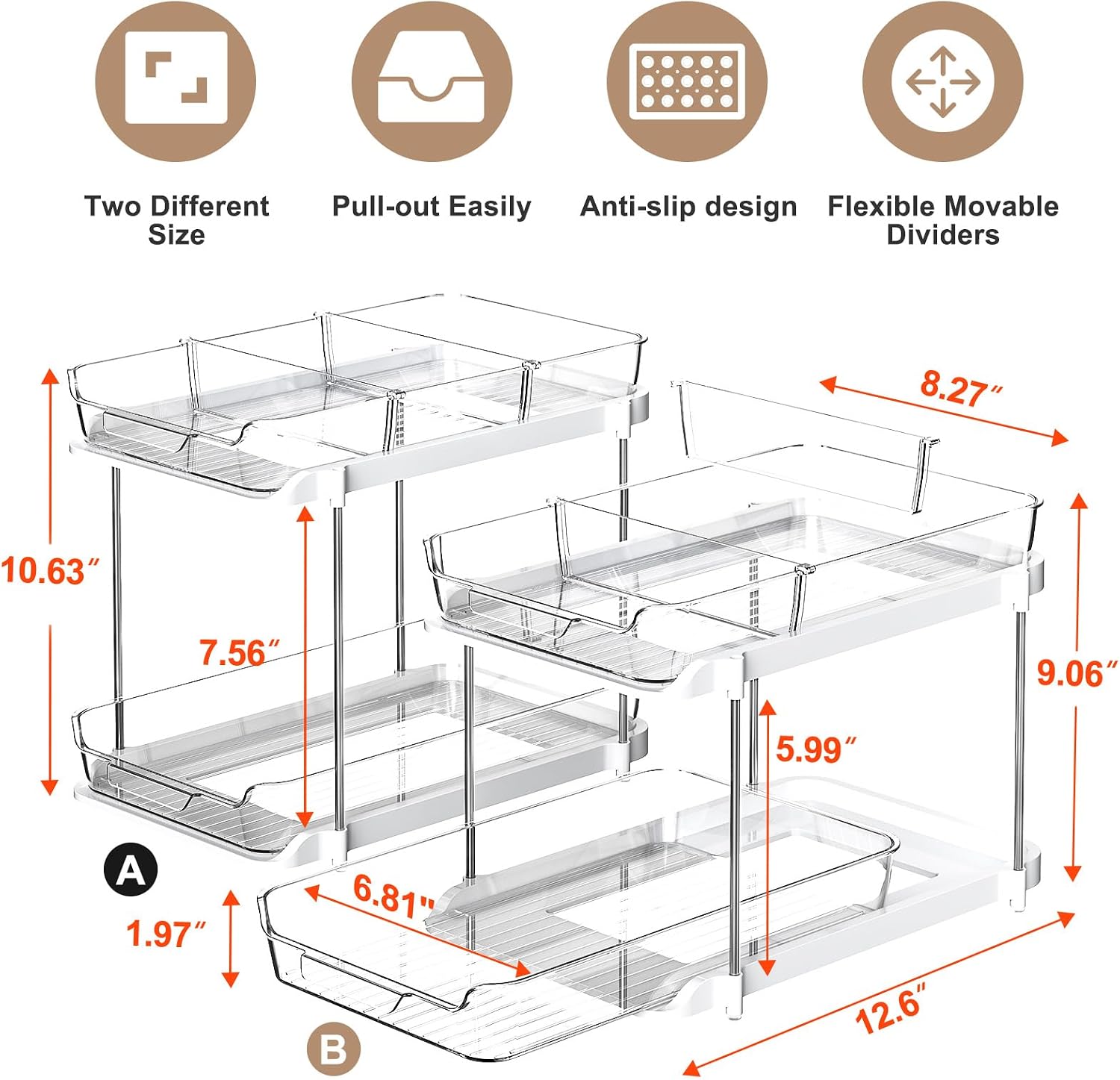
If a category already exceeds its ceiling, buying a larger organizer changes the boundary without addressing the volume. Run the 20-minute storage test before buying another organizer to confirm whether the problem is containment, depth, vertical space, or simple excess.

What changes when a category belongs to several people?
Shared categories need one household ceiling, not one invisible ceiling per person. Board games, towels, cleaning cloths, serving pieces, and pantry backstock are easy places for duplication because each individual purchase feels reasonable.
I recommend assigning the category one physical boundary first, then deciding how that boundary is divided. If five people use the towels, the household may need more total capacity, but the shelf still needs a limit that everyone can see.
What changes when a category is sentimental?
Sentimental categories deserve compassion but still need a boundary. A memory box is useful because it creates a physical decision point. When it fills, the choice is not automatically to buy a second box; it is to review whether every item still represents something worth storing.
This is different from ordinary decluttering because emotional value may be the primary reason for retention. The ceiling does not decide for you—it prevents indefinite expansion without review.
What changes when a category is seasonal?
Seasonal categories can use dense storage because access is infrequent, but they should not permanently occupy prime locations. Holiday decor, winter gear, guest linens, and seasonal sports equipment can move to archive zones as long as retrieval remains safe and predictable.
Use the Prime Storage Method to decide whether a full category has a volume problem or simply occupies the wrong level of storage.

Use overflow as data
Overflow is not a moral failure. It is information. When a category repeatedly escapes its boundary, one of three things is happening: the ceiling is unrealistically small, the inventory is too large, or the routine creates a temporary surge that needs operating slack.
Do not solve all three with a bigger basket. Identify which explanation is true first.
Set ceilings before a move or renovation
Moving into a larger home or adding cabinets can tempt a household to preserve every current category because more space is coming. I would do the opposite: define desired ceilings before the new storage exists.
Otherwise the new capacity fills immediately and the household loses the chance to redesign priorities intentionally.
Ceilings should be visible to the household
A hidden rule is hard to maintain. Use the physical shelf, drawer, basket, or bin itself as the visible boundary. When the container is full, the category is full. This is easier than expecting everyone to remember an abstract numerical limit.
For shared categories, explain the boundary in plain language: “all extra towels live on this shelf” or “all board games must fit in these two cubes.”
My expert conclusion
A small home does not need the maximum storage it can physically hold. It needs enough storage for active life plus a reasonable amount of operating slack.
Set boundaries before containers multiply. Let full storage trigger a review. Expand only when the household routine has genuinely changed. Shrink categories that no longer earn their footprint.
The Capacity Ceiling Method turns storage from an endless search for more space into a negotiation about priorities—and that is usually where the real small-home problem lives.