Toy rotation is supposed to reduce clutter. It stops helping when parents create a complicated inventory, twelve labeled bins, a strict calendar, and a storage room that takes an hour to reset. You may also find What to Get Rid of First When Your Small Home Feels Too Full useful for a closely related small-home problem.
A sustainable toy rotation system for a small home should be simpler than the clutter it replaces.
Use four parts: active set → reserve set → swap trigger → reset rule.
What toy rotation is actually for
The goal is not to maximize novelty. It is to reduce the number of toys competing for floor space and cleanup attention at the same time.
You can keep more toys overall while allowing fewer to be active in the living space.
Step 1: define the active footprint
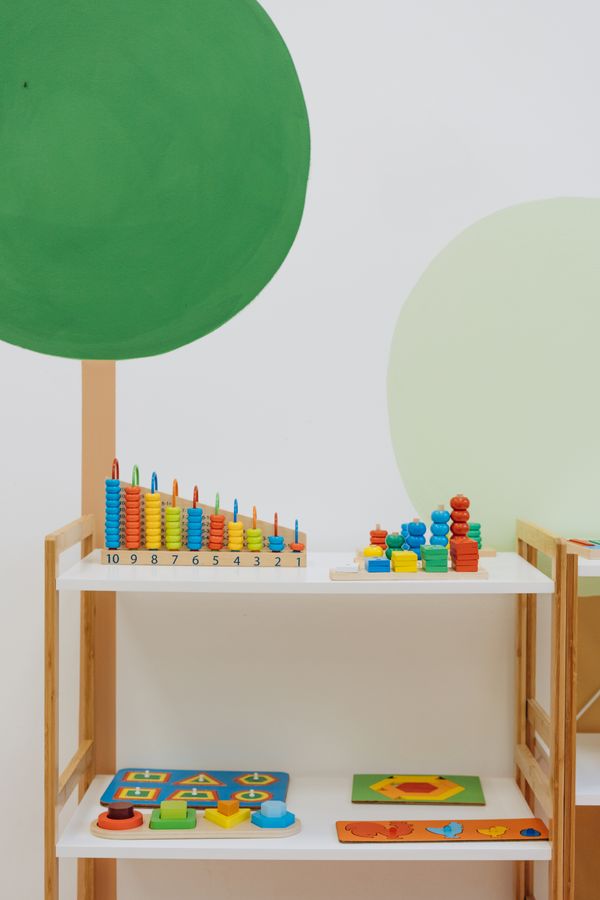
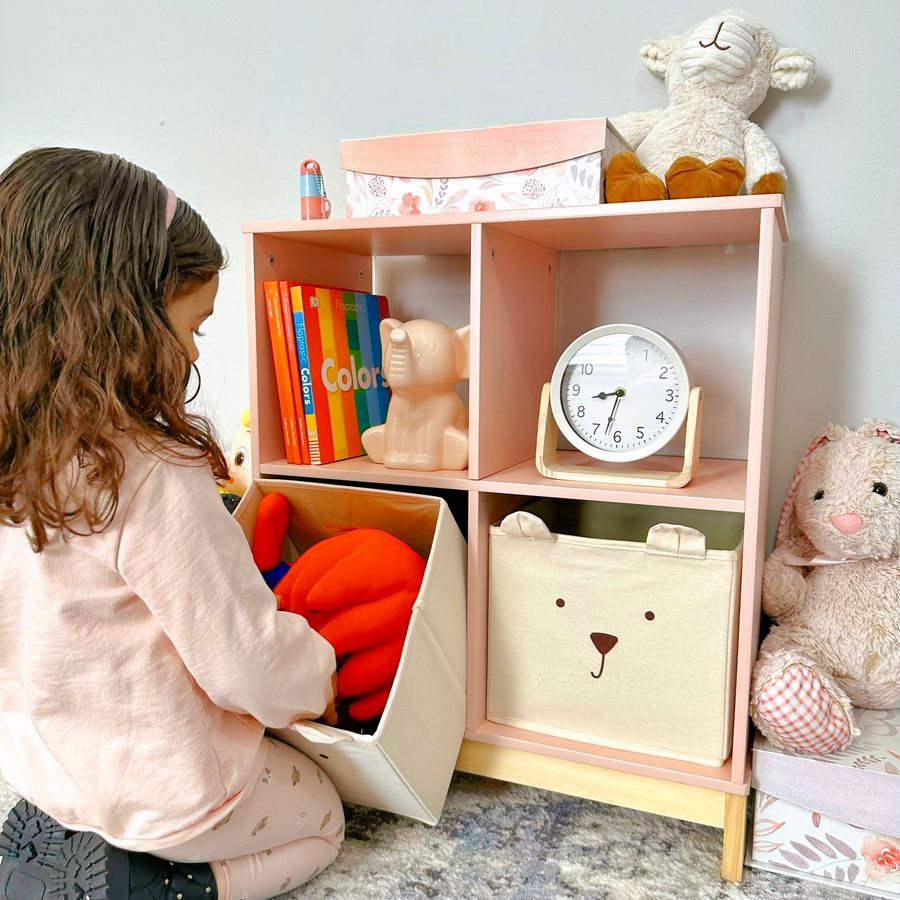
Choose the shelf, cabinet, baskets, or floor area that will hold currently available toys.
That physical footprint is the limit.
Step 2: make broad categories
Use categories such as:
- building,
- vehicles,
- pretend play,
- puzzles/games,
- art,
- books,
- sensory or fine-motor toys.
You do not need equal numbers from every category. Keep what the child is actually using.
Step 3: create a reserve set
Reserve toys should fit into a limited number of containers in a closet, under-bed area, or other low-frequency storage.
If reserve storage is overflowing, rotation is hiding excess rather than managing it.
Step 4: choose a swap trigger instead of a rigid calendar
Swap when:
- the child has stopped engaging with several active toys,
- the room is difficult to reset,
- a new developmental interest appears,
- the season changes,
- you want a fresh activity set for a school break.
Some families enjoy weekly rotation; others rotate every few weeks. Maintenance matters more than a perfect schedule.
Step 5: rotate categories, not entire bins blindly
If blocks are still used daily, keep them active. Rotate the unused puzzle instead.
A rotation should respond to real play, not force every toy to disappear on schedule.
Use the 60/40 starting ratio
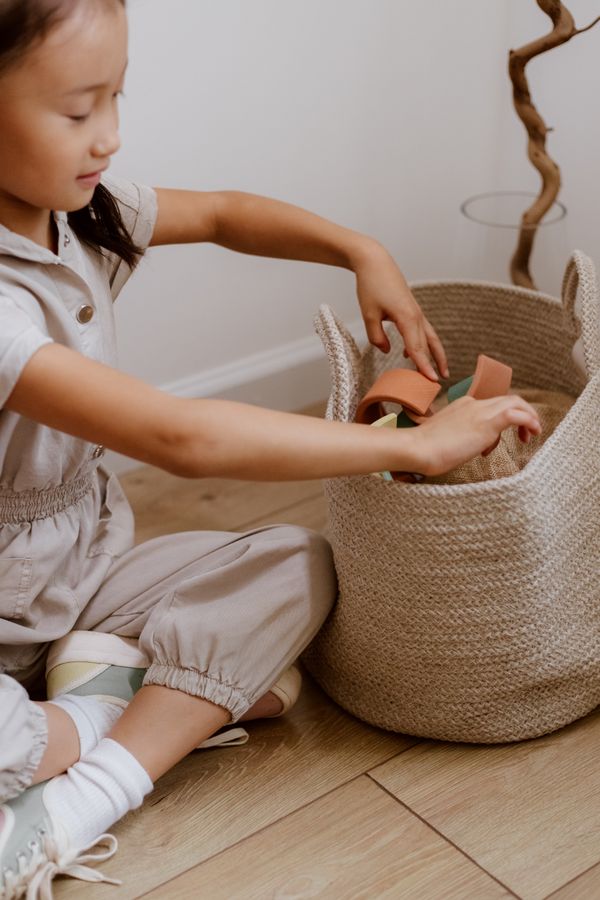
A simple starting experiment is to keep roughly half to two-thirds of the current favorites accessible and move the rest to reserve storage.
This is not a rule. Adjust until the active zone can reset easily and the child still has enough variety.
Keep favorite comfort toys out of the rotation
A beloved stuffed animal, bedtime book, or comfort object does not need to disappear just because it is “rotation day.”
Rotation should reduce environmental volume, not create unnecessary distress.
Create one “incomplete set” basket
Missing puzzle pieces, stray blocks, and game parts can derail cleanup.
Use one small basket for pieces whose home is temporarily unknown. Empty it during the next rotation.
Use one-in-one-out for large toys
Large toys consume floor space faster than small categories.
If a play kitchen, ride-on toy, activity table, or dollhouse comes into the active zone, rotate another large item out.
Label reserve bins for adults, active bins for children
Reserve storage can use more specific labels because adults manage it. Active storage should stay simple enough for children to understand.
A 15-minute rotation routine
- Observe what has not been used.
- Choose 2–4 categories or items to rotate out.
- Wipe or inspect toys if needed.
- Bring out a similar amount from reserve.
- Return reserve bins immediately.
- Leave the active zone below full capacity.
What to do with toys that never return to active rotation
If a toy stays in reserve through several cycles and nobody asks for it or chooses it when offered, consider whether it still belongs in the home. For a related step-by-step approach, see How to Declutter a Small Home When You Don’t Know Where to Start.
Donate, sell, pass along, or store intentionally for a younger sibling when appropriate.
Do not rotate too many tiny-piece categories at once
If blocks, magnetic tiles, puzzles, craft beads, and small vehicles are all active together, cleanup may become the main activity.
Balance open-ended toys with simpler categories.
Where reserve toys should live
Good reserve storage is:
- out of the main play zone,
- easy enough for adults to access,
- contained,
- not occupying prime daily storage,
- not creating a climbing temptation for children.
Follow manufacturer and CPSC guidance for securing appropriate furniture and keeping tempting items off high surfaces children may try to climb.
Toy rotation for siblings
Create a shared core plus age-specific categories.
Do not rotate out a younger child’s current favorite simply because an older sibling lost interest. Observe each child separately.
Toy rotation in the living room
If the living room is the main play zone, pair this system with How to Organize Toys in a Small Living Room Without Making It Look Like a Playroom once that article is published. For the broader setup, How to Organize School Papers Without Keeping Everything is a useful next read.
The rotation controls volume; the living-room system controls how that volume appears and resets.
Signs your rotation is too complicated
- You need a spreadsheet to remember what is where.
- Bins are so full they are hard to move.
- Rotation day takes more than 30 minutes.
- Children cannot help reset active toys.
- You keep buying new bins for reserve toys.
If any of these happen, simplify.
Frequently asked questions
How often should I rotate toys?
There is no required schedule. Rotate when engagement drops, cleanup becomes difficult, or a new interest emerges.
How many toys should be out?
Use the active storage footprint as the limit. Keep enough variety for play but little enough that cleanup remains manageable.
Should children see the reserve toys?
Either can work. In a small home, keeping reserve bins outside the main play area usually reduces visual clutter and makes active choices clearer.
A toy rotation should reduce parental work
If rotation adds another complicated household system, it is not serving the family.
Keep one active footprint, a contained reserve, simple swap triggers, and broad categories. Rotate based on real play rather than a perfect calendar. The system should make the room easier to reset and make fewer toys feel like enough. For the broader setup, How to Organize Toys in a Small Living Room Without Making It Look Like a Playroom is a useful next read.
Sources
- Anchor It! — U.S. Consumer Product Safety Commission — https://www.cpsc.gov/Safety-Education/Safety-Education-Centers/AnchorItgov