Cleaning advice becomes exhausting when every task sounds urgent. Wipe this daily. Wash that weekly. Deep-clean something else every month. Then add kids, pets, cooking, laundry, work, school, and a small floor plan where every room is used hard. For a related step-by-step approach, see A Realistic Deep-Cleaning Checklist for a Small Home.
The better question is not, “What is the perfect cleaning schedule?” It is:
“How often does this specific thing need attention in this specific home?”
For a small home, cleaning frequency should be based on four factors: how often the area is used, how quickly mess becomes a problem, whether moisture or food is involved, and how much the task affects daily function.
This guide gives you a realistic starting cadence for a compact family home. It is not a rigid rulebook. Some tasks will move up or down depending on children, pets, allergies, illness, cooking habits, weather, flooring, and the number of people sharing the space.
Think of it as a small-home cleaning frequency matrix: daily tasks protect function, weekly tasks control buildup, monthly tasks catch what routine cleaning misses, and seasonal tasks reset the less-visible parts of the home.
The short answer: what should you clean daily, weekly, monthly, and seasonally?
| Frequency | Focus | Typical tasks |
|---|---|---|
| Daily / as needed | Food, moisture, active mess, high-use surfaces | Kitchen counters, dishes, spills, trash with food waste, wet towels, quick sink reset, visible crumbs |
| 2–3 times a week | High-traffic areas | Kitchen floor, entryway, bathroom touchups, pet zones, heavily used rugs |
| Weekly | Whole-home maintenance | Vacuuming, bathroom clean, bedding, dusting main surfaces, mirrors, mopping key floors |
| Every 2–4 weeks | Secondary buildup | Doors, switches, cabinet fronts, under sofa cushions, detailed appliance exteriors, less-used floors |
| Monthly / every 1–3 months | Hidden or slower buildup | Baseboards, vents, furniture edges, trash bins, mattress area, deeper refrigerator check |
| Seasonal / 2–4 times a year | Deep reset | Windows, behind furniture, closet reset, range hood components, curtains, storage zones |
The exact intervals matter less than the pattern: clean fast-changing mess frequently and slow-changing buildup less often.
First rule: clean by condition, not only by calendar
A calendar is useful because it prevents forgetting, but it should not override what you can see, smell, or feel.
Clean sooner when:
- a surface is visibly dirty,
- food or raw ingredients touched it,
- a spill occurred,
- something is damp and not drying,
- odor appears,
- dust is affecting comfort,
- a high-use area is becoming slippery or gritty,
- someone in the home is sick and additional cleaning is appropriate.
Clean later when:
- the room is rarely used,
- the surface is protected or enclosed,
- there is no visible buildup,
- the task is purely cosmetic and more important work is unfinished.
This is how you avoid over-cleaning low-impact areas while the sink, bathroom, floors, and laundry still need attention. For a related step-by-step approach, see How to Keep Laundry From Taking Over a Small Home.
Daily cleaning: protect function, not perfection
Daily cleaning in a small home should be short. The goal is not to “clean the house” every night. It is to stop today’s mess from becoming tomorrow’s obstacle.
Kitchen counters and food-prep areas: after use
Wipe food-prep surfaces after cooking or food handling using products and methods appropriate for the surface. Clean visible spills promptly.
For most households, the kitchen counter does not need a ceremonial once-a-day cleaning if it is already cleaned properly after use. What matters is that food residue does not stay on the surface.
If your kitchen gets heavy daily use, see how to keep a small kitchen clean when you cook every day.
Dishes and sink: daily or after major meals
A small sink fills quickly. Letting one dinner’s dishes remain can eliminate the workspace needed for breakfast.
Try to finish enough dishes each day that the sink is functional again. This does not mean every mug must be washed immediately after use. It means the kitchen should not begin the next day blocked.
If evenings are hectic, use the 15-minute nightly kitchen reset.
Spills: immediately
Food, drinks, pet accidents, and sticky spills are easier to remove when fresh. Immediate cleanup also reduces staining, slipping hazards, and odor.
High-odor trash: as needed
Do not wait for the bin to be full if it contains food likely to smell. Trash frequency should follow contents, not volume.
Wet towels and cloths: every use
Spread towels, dishcloths, mop pads, and cleaning cloths so they can dry properly, or move them into the appropriate laundry routine. You may also find A Simple Laundry Routine for Families in Small Homes useful for a closely related small-home problem.
This one habit prevents a surprising amount of stale odor. For a broader odor-control system, see how to keep a small home smelling fresh without constantly cleaning.
Visible floor debris in active zones: as needed
Crumbs under the table, tracked dirt at the entry, or litter around a pet area may need a quick sweep even if “vacuum day” is three days away.
Two or three times a week: the high-traffic layer
Small homes often need certain tasks more than once a week because the same square footage receives more traffic.
Kitchen floor
If you cook every day, sweep or vacuum crumbs and debris several times a week. Mop when sticky spots, grease, or visible soil appear, using the correct method for your floor type.
Entryway
Outdoor dirt concentrates near the door. Sweep, vacuum, or shake entry mats two or three times a week during rainy, muddy, snowy, or high-pollen periods; less may be enough in calmer weather.
Bathroom sink and toilet touchup
A full bathroom clean may be weekly, but toothpaste, hair, soap residue, and toilet splashes can appear much faster. A two-minute midweek touchup can make the weekly clean much easier.
Pet zones
Areas around litter boxes, food bowls, crates, pet beds, and favorite lounging spots may need more frequent attention than the rest of the room. For the broader setup, A Room-by-Room Organization Plan for a Small Home is a useful next read.
Dining and play areas
Families with young children may need a midweek vacuum in eating and play zones even when bedrooms stay clean longer.
Weekly cleaning: the main maintenance rhythm
For many small homes, weekly cleaning is the backbone of the system. A task that produces noticeable buildup within seven to ten days belongs here.
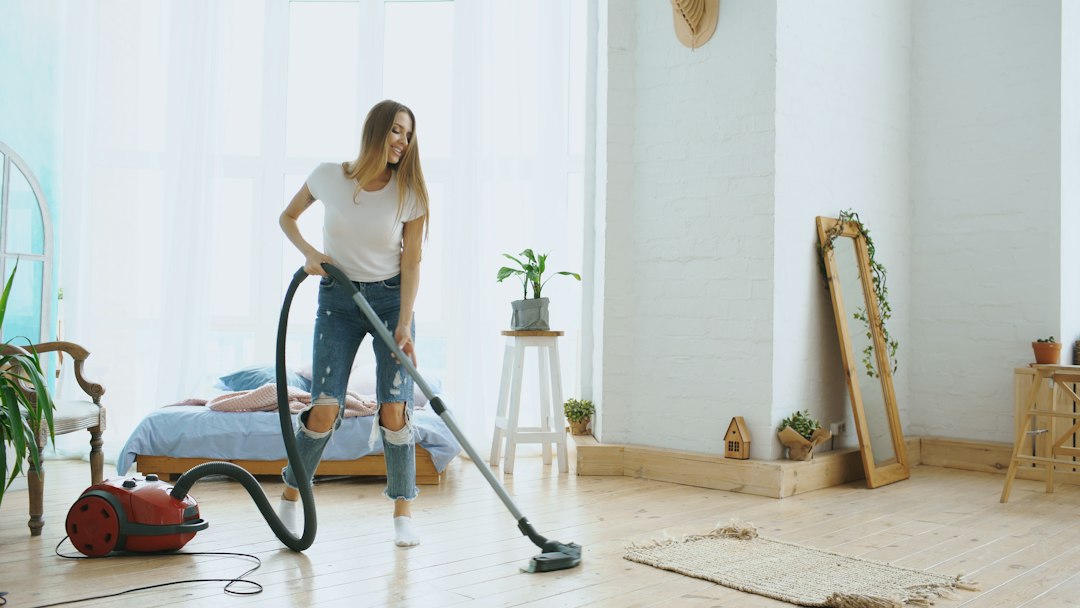
Vacuum high-use floors and rugs: about weekly
Vacuum more often in high-traffic homes, with shedding pets, or when debris is visible. Lower-use bedrooms may need less frequent attention.
Mop hard floors: weekly in active areas, less often elsewhere
Kitchens, entries, and bathrooms usually need mopping sooner than bedrooms or low-traffic corners.
Do not use one universal mopping schedule for the entire home. Match frequency and cleaning method to the flooring manufacturer’s guidance.
Bathroom: weekly baseline
A weekly bathroom clean can include:
- sink and faucet,
- toilet,
- shower or tub surfaces as needed,
- mirror,
- floor,
- trash,
- towels and bath mat according to use and care labels.
A family bathroom with children may need touchups between full cleans. A guest bathroom used twice a month does not need the same cadence.
For a compact version, use our 10-minute small bathroom cleaning routine.
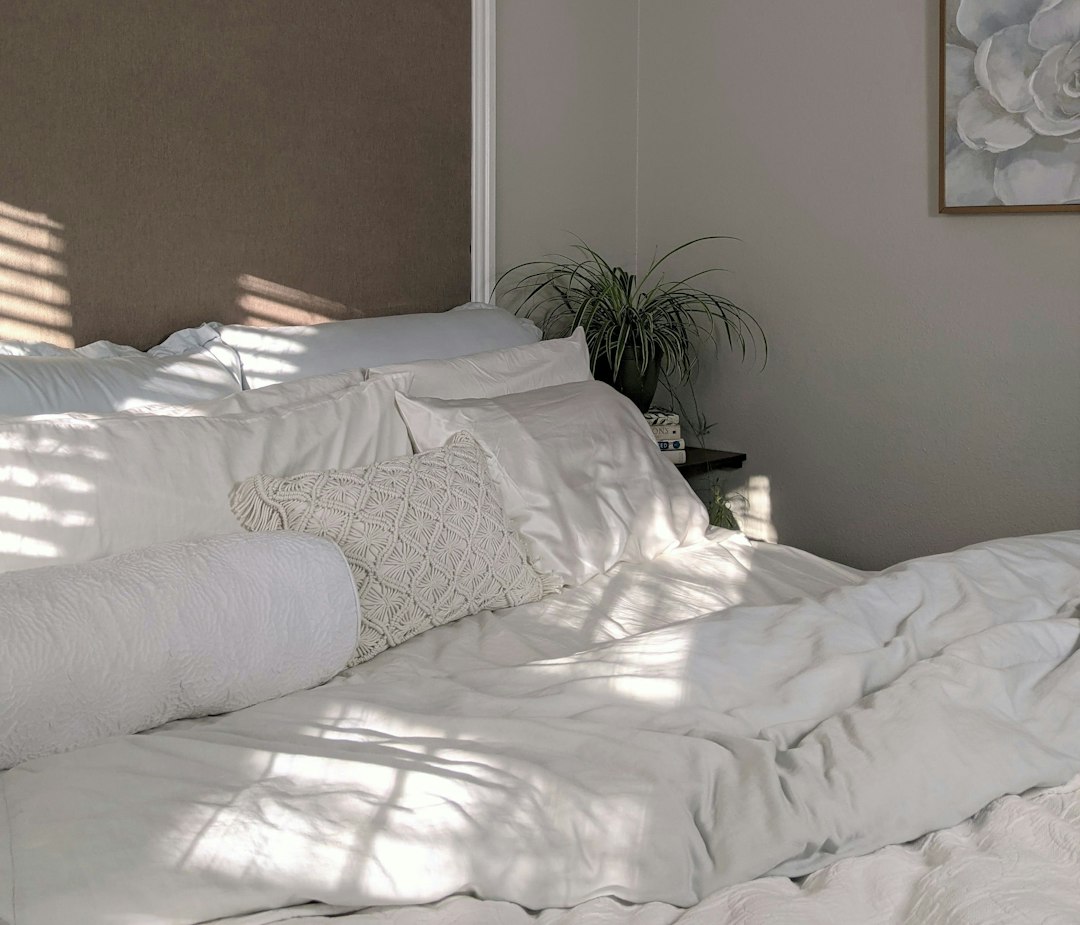
Sheets and pillowcases: roughly weekly is a practical starting point
Many households prefer weekly sheet changes. You may choose more or less often depending on sweating, pets on the bed, illness, allergies, skin conditions, personal comfort, and household routines.
Follow fabric-care labels and allow bedding to dry fully before storage or reuse.
Kitchen textiles: weekly or sooner
Dish towels, hand towels, and reusable cloths may need laundering several times a week if they become damp, greasy, or heavily used. Do not wait for the calendar if they smell or stay wet.
Main dusting surfaces: weekly
Dust the areas where you see buildup first:
- coffee table,
- media console,
- nightstands,
- open shelving,
- window ledges,
- frequently handled furniture.
You do not need to lift every decorative object every week. Clean the visible, high-use surfaces first.
Mirrors and glass: weekly or when visibly marked
Bathroom mirrors may need weekly cleaning. A decorative mirror across the room may only need attention when fingerprints or dust are noticeable.
Every two to four weeks: the overlooked middle layer
Some tasks are too slow for weekly cleaning but too visible to ignore for months.
Cabinet fronts and drawer pulls
Kitchen cabinet fronts near handles and cooking areas can build up grease and fingerprints. Bathroom vanity fronts collect splashes. Clean high-touch areas every few weeks or when visible.
Doors, handles, switches, and railings
These do not necessarily need daily disinfection in a typical household. Routine cleaning is usually enough unless there is a specific reason to disinfect.
The CDC notes that regular cleaning helps remove germs and dirt, while disinfecting is particularly relevant in situations such as illness in the home or certain higher-risk circumstances. Follow product labels when disinfecting.
Under sofa cushions
If your family eats on the sofa, checks under cushions every few weeks. Crumbs, toys, hair, and small debris accumulate faster than the upholstery itself looks dirty.
Appliance exteriors
Wipe refrigerator handles, microwave exteriors, dishwasher fronts, and other frequently touched surfaces when fingerprints and residue build up.
Kids’ toy surfaces
Clean frequently handled toys according to manufacturer instructions, especially when visibly dirty or after illness. Avoid applying a rigid whole-house schedule to every toy in the room.
Monthly cleaning: catch the slow buildup
Monthly tasks are the things you notice only after they have been skipped for several cycles.
Baseboards in main rooms
In a small home, baseboards behind furniture may stay clean for months while the entry or kitchen baseboards collect dust and splashes quickly.
Rotate rooms rather than cleaning every baseboard at once.
Vents and grilles
Dust accessible HVAC grilles and bathroom exhaust covers as appropriate. Follow the manufacturer or building guidance before removing covers or accessing internal components.
Trash and recycling containers
Wash the inside and lid when residue or odor appears. Monthly is a useful reminder, but food leaks should be cleaned sooner.
Furniture edges and under accessible pieces
Vacuum along sofa edges, bed frames, and furniture where dust and hair gather but routine vacuuming does not fully reach.
Refrigerator check
You do not need to empty and scrub the refrigerator every month. Do a quick check:
- discard spoiled food,
- wipe spills,
- check drawers,
- clean sticky bottles or shelves as needed.
A deeper refrigerator clean can happen less often if routine spill cleanup is consistent.
Dust secondary surfaces
Picture frames, higher shelves, lamp bases, headboards, and decorative objects can join a monthly rotation.

Every one to three months: reset the things daily cleaning does not reach
This layer prevents the “why is everything suddenly dusty?” feeling that appears when hidden buildup finally becomes visible.
Wash or clean washable throws and decorative textiles
Follow care labels. Frequently used sofa blankets may need washing much more often; purely decorative pieces may need less.
Vacuum mattresses and bed frames as appropriate
Use the methods recommended by the mattress manufacturer. This is also a good time to inspect for spills, moisture, or dust around the bed.
Clean underneath movable furniture
Choose one or two pieces each month instead of moving every sofa, dresser, and bed in one exhausting day.
Deep-clean the kitchen trash zone
Move the bin, clean the floor and wall nearby, and check for spills that routine cleaning may miss.
Check pantry and food-storage zones
Remove expired or stale items, wipe shelves if needed, and look for spills or crumbs before they become a pest or odor problem.
Review shower curtain, liner, and bathroom corners
Clean or wash them according to care instructions. Pay attention to moisture and ventilation if musty buildup returns quickly.
Seasonal cleaning: four times a year is enough for many deep tasks
“Seasonal” does not mean you must deep-clean your entire home every three months. It means slow-moving tasks get a reminder before they disappear for a year.
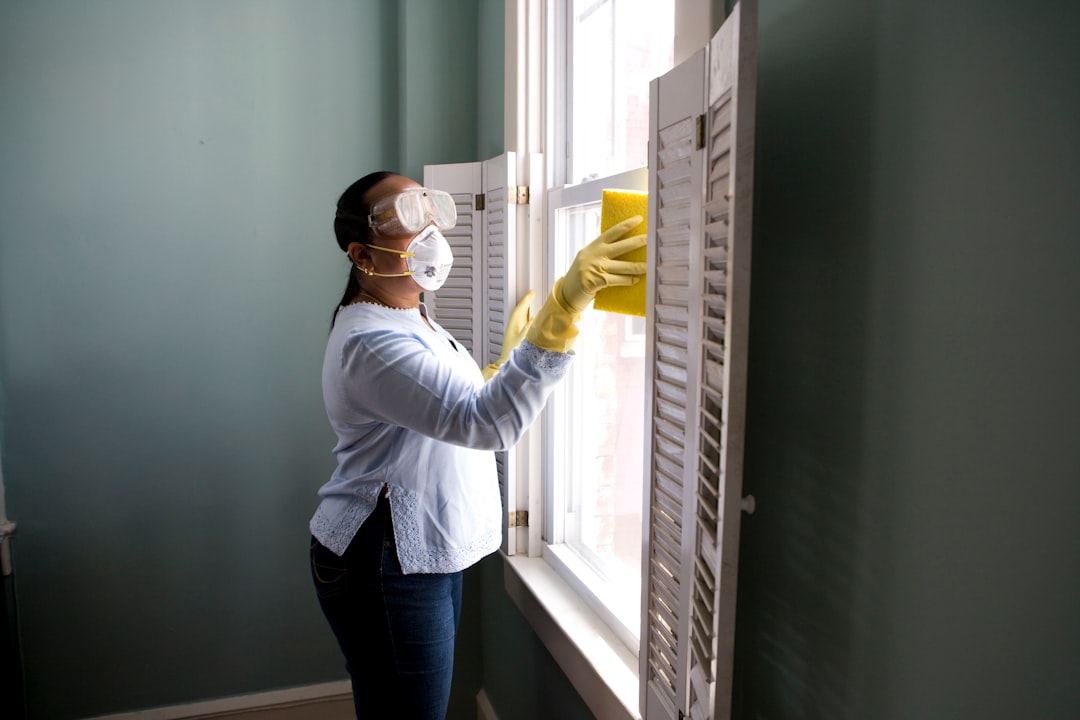
Windows and window sills
Clean interior glass when needed and give tracks and sills a more detailed clean a few times per year. Exterior windows may depend on access, safety, weather, and building rules.
Behind major furniture
Vacuum or clean behind items that are safe and practical to move. Do not move heavy furniture or appliances in ways that risk injury or damage.
Curtains and fabric window treatments
Vacuum, wash, or clean according to manufacturer instructions. Homes with heavy cooking, pets, or open windows may need this more often.
Closets
Vacuum floors, wipe accessible shelving, and remove clothing or items that no longer belong in the space. This is especially useful during seasonal clothing changes.
Range hood components
Clean filters and components according to the manufacturer’s instructions. Homes that cook frequently or fry often may need shorter intervals.
Storage zones
Check under-bed storage, utility closets, entry baskets, and rarely opened cabinets for dust, moisture, forgotten food, or unnecessary items.
Once or twice a year: the true low-frequency tasks
Some jobs do not need to appear on a monthly calendar at all.
Examples may include:
- deep cleaning behind large appliances where safely accessible,
- washing walls in rooms that do not get heavy splatter or fingerprints,
- cleaning light fixtures that collect slow dust,
- reviewing seldom-used storage,
- deep cleaning upholstery according to manufacturer guidance,
- checking neglected tops of cabinets or tall furniture.
If one of these areas becomes visibly dirty sooner, clean it sooner. The annual schedule is a reminder, not permission to ignore a problem.
A realistic small-home cleaning matrix by room
Kitchen
| Task | Starting frequency |
|---|---|
| Food-prep surfaces | After use |
| Dishes / sink reset | Daily |
| Stovetop spills | After cooking / as needed |
| Kitchen floor | 2–3 times weekly; mop about weekly or as needed |
| Cabinet handles/fronts | Every 2–4 weeks |
| Trash bin interior | Monthly or when dirty |
| Refrigerator quick check | Monthly |
| Range hood / deeper grease areas | Monthly to seasonal, based on cooking |
Bathroom
| Task | Starting frequency |
|---|---|
| Sink splash cleanup | As needed; often several times weekly |
| Toilet | Weekly, with touchups as needed |
| Mirror | Weekly or when marked |
| Floor | Weekly |
| Towels | Based on use; ensure full drying between uses |
| Bath mat | Weekly to every few weeks, depending on use and care label |
| Shower/tub deeper clean | Weekly to every 2 weeks, depending on buildup |
| Exhaust cover | Monthly to quarterly |
Bedroom
| Task | Starting frequency |
|---|---|
| Sheets and pillowcases | About weekly |
| Floor / rug | Weekly or as needed |
| Nightstands and visible dust | Weekly |
| Under-bed area | Monthly to quarterly |
| Mattress-area maintenance | Every 1–3 months per care guidance |
| Curtains / fabric treatments | Seasonal or as needed |
Living room
| Task | Starting frequency |
|---|---|
| Visible crumbs / spills | As needed |
| Floor / rug | Weekly; more often with pets or children |
| Coffee tables / main surfaces | Weekly |
| Sofa seams and cushions | Every 2–4 weeks |
| Throw blankets | Every few weeks or based on use |
| Behind furniture | Every 1–3 months |
| Curtains | Seasonal |
Entryway
| Task | Starting frequency |
|---|---|
| Visible dirt | As needed |
| Floor | 2–3 times weekly in active seasons |
| Entry mat | Weekly or more often in wet weather |
| Shoe storage | Monthly check |
| Coat hooks / baskets | Monthly declutter |
How often should you disinfect?
Routine cleaning and disinfecting are not the same task.
For ordinary household maintenance, focus first on removing dirt and residue. The CDC says cleaning with soap or detergent removes most germs and dirt from surfaces, and that disinfecting is generally needed more in situations such as when someone is sick or when people at higher risk of illness are present.
If you disinfect:
- use an appropriate product,
- follow label directions,
- respect required contact time,
- use proper ventilation where directed,
- never mix cleaning products unless the label specifically directs it.
High-touch does not automatically mean “disinfect every day forever.” Cleaning frequency should match the household situation.
Adjust the schedule for kids
Young children change cleaning frequency because mess is concentrated around a few zones.
Clean more often around:
- high chairs,
- kitchen eating areas,
- play mats,
- bathroom step stools,
- door-level fingerprints,
- toy bins with frequent use,
- entryway school gear.
You may not need to clean the entire home more often. You may simply need to clean the child-height activity zones more often.
Adjust the schedule for pets
Pets usually increase the frequency of:
- vacuuming,
- floor cleanup,
- pet bedding washing,
- entryway cleaning,
- upholstery maintenance,
- feeding-area cleaning.
A home with a non-shedding indoor pet may need only a small adjustment. A large shedding dog that goes outdoors several times a day may change the entire floor schedule.
Adjust the schedule when someone is sick
Illness can temporarily change cleaning priorities. Follow current public-health guidance appropriate to the illness and household.
In practical terms, you may need to:
- clean frequently touched surfaces more often,
- handle soiled laundry carefully,
- clean bathroom surfaces more frequently if shared,
- disinfect when appropriate and according to product labels.
When the situation passes, the home can return to its normal cadence.
Adjust the schedule for allergies or dust sensitivity
If someone is sensitive to dust, pollen, or pet dander, you may choose to vacuum, dust, or wash bedding more often.
Focus on the sources that matter most rather than simply increasing every task. Bedroom textiles, rugs, upholstered furniture, pet zones, and entry areas often deserve more attention than rarely used cabinets.
Why small homes can need both more cleaning and less cleaning
This sounds contradictory, but both are true.
Some things need cleaning more often
A small kitchen counter may be used for breakfast, homework, grocery bags, meal prep, and coffee within the same day. A single bathroom may serve the entire family. One entry rug may receive all outdoor traffic.
These high-use zones accumulate mess faster.
Some things take less time to maintain
A smaller floor plan means fewer square feet to vacuum, fewer windows, fewer bathrooms, and less furniture. If you clean the important zones consistently, the weekly session may be shorter than in a larger home.
The trick is to clean more selectively, not more constantly.
Build your schedule using the “visible consequence” test
If you are unsure where a task belongs, ask what happens when you skip it for a week.
If skipping it for one day causes a problem…
It belongs in the daily or as-needed layer.
Examples: food spills, wet towels, sink blockage, pet accidents.
If skipping it for one week becomes noticeable…
It belongs in the weekly layer.
Examples: floors, shared bathroom, main dusting, bedding for many households.
If skipping it for one month is when you first notice it…
It belongs in the monthly layer.
Examples: baseboards, vent covers, behind furniture edges, cabinet fronts.
If skipping it for three months is still mostly fine…
It belongs in seasonal or occasional cleaning.
Examples: window tracks, closet floors, rarely touched storage shelves.
This simple test creates a realistic cleaning cadence based on your home rather than someone else’s checklist.
A seven-day rhythm that does not require a “cleaning day”
If you dislike losing half a weekend to chores, distribute the weekly layer.
| Day | 15–30 minute focus |
|---|---|
| Monday | Bathroom |
| Tuesday | Vacuum main living areas |
| Wednesday | Laundry + bedding |
| Thursday | Kitchen detail: cabinet fronts, appliance handles, floor |
| Friday | Dust + mirrors |
| Saturday | One monthly or seasonal task |
| Sunday | Buffer / nothing scheduled |
Daily kitchen and spill cleanup still happens as needed, but the larger tasks no longer compete for the same Saturday morning.
A one-day weekly cleaning plan if you prefer batching
If batching works better for your family, use this order:
- Start bedding or towel laundry.
- Clear surfaces enough to clean them.
- Clean bathroom.
- Dust main rooms.
- Vacuum entire home.
- Mop kitchen, bathroom, and other needed hard floors.
- Finish laundry and remake beds.
- Add one rotating monthly task only if time remains.
Do not turn the session into an eight-hour deep clean. The weekly layer should keep the home functional; the rotating layer handles deeper work over time.
The monthly rotation that prevents giant deep cleans
Instead of “deep clean the whole house,” rotate one zone each week:
- Week 1: kitchen extras — cabinet fronts, fridge shelves, trash area.
- Week 2: bedroom extras — under bed, headboard, secondary dusting.
- Week 3: living room extras — sofa cushions, under furniture, throws.
- Week 4: bathroom and entry extras — vent cover, storage baskets, mats.
With this system, every month includes deeper cleaning, but no single weekend carries all of it.
The seasonal “six-task cap”
Seasonal cleaning lists can become absurdly long. Limit each seasonal reset to six meaningful tasks.
For example:
- Clean windows and tracks.
- Vacuum behind major furniture.
- Wash or refresh curtains.
- Reset one closet.
- Clean one major kitchen component.
- Review one storage zone.
If the list is longer, move the remaining tasks to the next month. A seasonal cleaning plan that actually gets completed is more useful than a 60-item checklist that creates guilt.
What should you clean less often than you think?
Many households waste time on low-impact tasks because they are satisfying to complete.
You may be able to reduce frequency for:
- guest-room floors that are rarely used,
- decorative shelves behind glass,
- high cabinet tops with little visible buildup,
- unused bathtubs,
- formal dining areas in everyday family homes,
- storage closets that stay closed and dry.
Use the time saved on the kitchen, bathroom, floors, bedding, laundry, and active family zones.
What should you clean more often than you think?
These areas are easy to underestimate because the mess is small but constant:
- dishcloths and sponges,
- under the dining table,
- entry rugs,
- pet feeding areas,
- bathroom sink edges,
- children’s lunch containers,
- trash-bin lids,
- sofa crumbs,
- refrigerator spills,
- wet laundry forgotten in the washer.
These are not “deep-clean” problems. They are small recurring maintenance points.
Frequently asked questions
Do I need to clean my entire house every week?
No. Weekly is a useful baseline for many high-use tasks, not a requirement to clean every surface in every room. Low-use spaces can often go longer.
How often should I mop floors?
Kitchen, bathroom, and entry floors may need weekly mopping or sooner if visibly dirty. Bedroom and low-traffic floors may need less. Always use a method appropriate for the flooring.
How often should I vacuum a small apartment?
Weekly is a practical starting point. Homes with pets, children, outdoor shoes, or allergy concerns may need high-traffic areas vacuumed more often.
How often should I clean the bathroom?
A shared family bathroom often benefits from a weekly full clean plus quick midweek touchups. A lightly used guest bathroom can go longer between full cleans.
How often should I change bed sheets?
About weekly is a common practical rhythm, but adjust based on sweating, pets, illness, skin conditions, personal preference, and fabric-care instructions.
Should I disinfect high-touch surfaces every day?
Not necessarily in a typical household. Routine cleaning is usually the first step. Disinfecting may be appropriate when someone is sick or in other higher-risk situations. Follow current health guidance and product labels.
How often should I deep-clean a small home?
Instead of one giant deep clean, rotate deeper tasks monthly and seasonally. This keeps buildup under control without sacrificing an entire weekend.
What if I fall behind for a month?
Restart with function: kitchen, bathroom, laundry, floors, bedding, then visible clutter. Do not begin with windows, baseboards, or closet shelves while daily systems are still blocked.
The best cleaning schedule is the one that reacts before mess becomes friction
A small home does not need to be cleaned constantly. It needs the right things cleaned before they interfere with daily life.
Use daily cleaning for food, moisture, spills, and active mess. Use a weekly cleaning rhythm for bathrooms, floors, bedding, and main surfaces. Use monthly home maintenance for slower buildup. Save true deep-cleaning jobs for a rotating seasonal cleaning plan.
Then adjust based on your actual household.
If the floor feels gritty by Wednesday, vacuum sooner. If the guest room looks untouched after three weeks, leave it alone. If bathroom towels stay damp, solve drying before increasing scrubbing. If a cabinet front looks clean after a month, do not clean it just because a checklist says so.
Frequency should follow use, mess, moisture, and consequence.
That is how you keep a small home consistently clean without spending every free hour cleaning it.
Sources
- When and How to Clean and Disinfect Your Home — CDC — https://www.cdc.gov/hygiene/about/when-and-how-to-clean-and-disinfect-your-home.html
- Improving Indoor Air Quality — U.S. Environmental Protection Agency — https://www.epa.gov/indoor-air-quality-iaq/improving-indoor-air-quality