If you cook most days, a small kitchen can look messy almost instantly. One cutting board, a frying pan, two prep bowls, a school lunch container, and a few ingredients on the counter can take up nearly every usable surface. Add breakfast dishes that never made it into the dishwasher, a sticky stovetop, and yesterday’s recycling, and the room can feel out of control before dinner is even finished.
The answer is not to clean the kitchen constantly. That is exhausting, especially for families who are already juggling work, school, meals, and bedtime. What works better is a repeatable kitchen-cleaning system built around the way you actually cook. If you are working on the same space, A Home Filing System for Families With No Home Office covers the next decision in more detail.
This guide is for small kitchens that are used every day—not showpiece kitchens that stay empty. The goal is simple: keep the room functional enough that you can make the next meal without first cleaning up the last one.
The real problem in a small kitchen is not dirt—it is loss of usable space
In a large kitchen, clutter can spread out. A pile of dishes may occupy one section while the rest of the counters stay usable. In a compact kitchen, the same pile can eliminate half your workspace.
That is why cleaning a small kitchen should be organized around protecting working zones, not chasing a perfectly spotless room.
Think of your kitchen as having five zones:
- Prep zone: the counter space where you chop and assemble food.
- Cooking zone: the stovetop, oven, air fryer, or other appliance area.
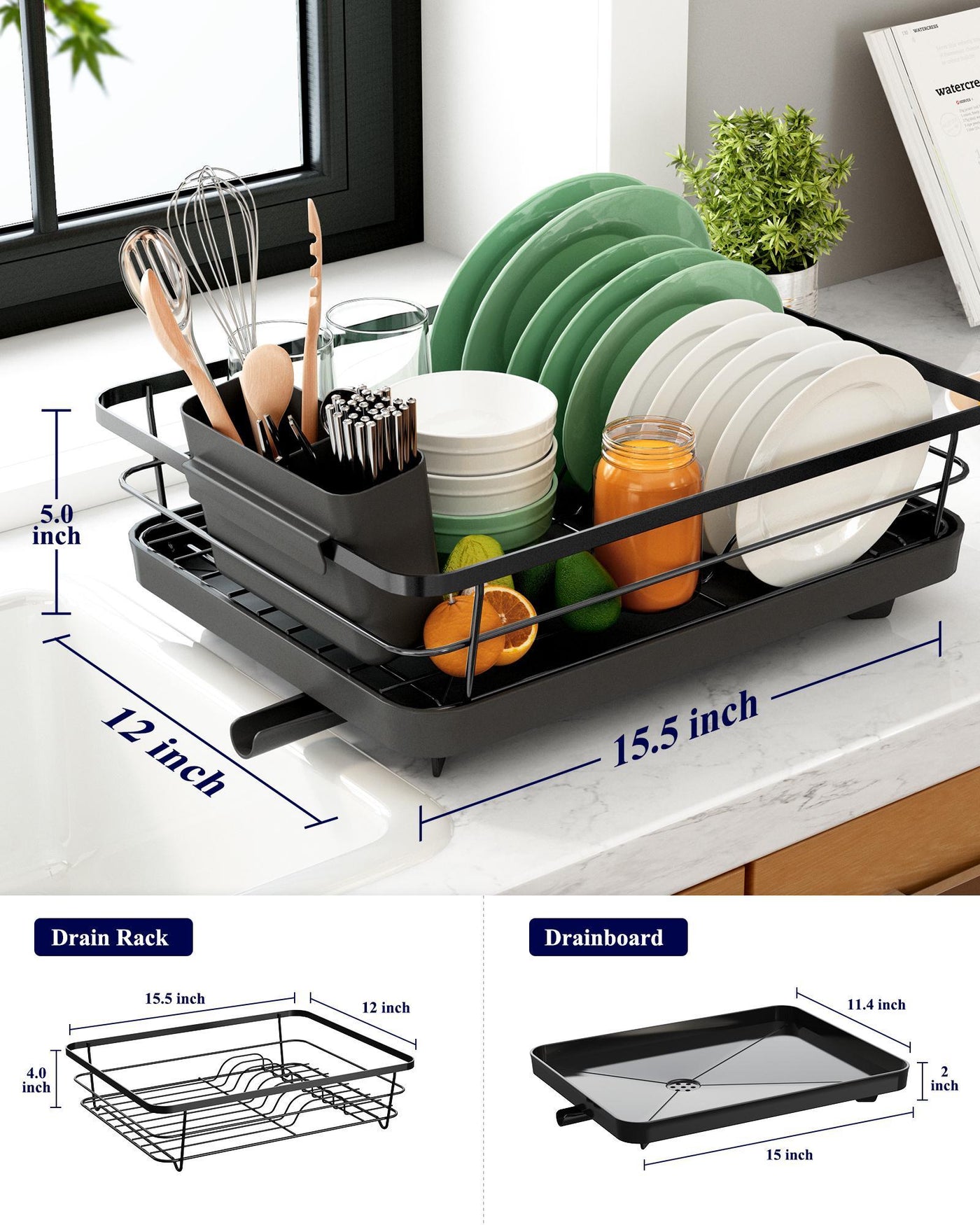
- Wash zone: the sink, dishwasher, drying rack, and dish towels.
- Landing zone: the place where groceries, lunch bags, mail, water bottles, and random household items tend to land.
- Storage zone: cabinets, drawers, pantry shelves, refrigerator, and freezer.
Your kitchen does not need every zone to be immaculate at all times. It needs enough space in each zone to keep the next task moving.
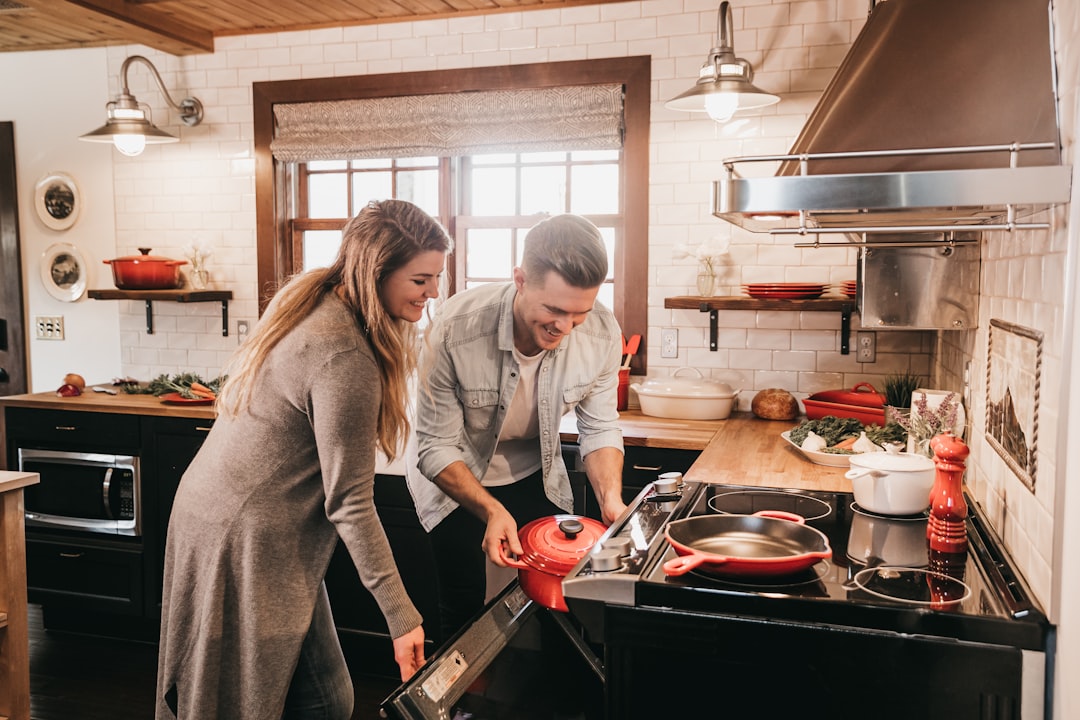
Start with one rule: never begin cooking in a completely blocked kitchen
The fastest way to create an evening mess is to start dinner while breakfast dishes still fill the sink, yesterday’s pan is on the stove, and half the counter is covered with unrelated items.
You do not need to fully clean the kitchen before cooking. You only need a five-minute opening reset.
The five-minute opening reset
- Move dirty dishes into the dishwasher or stack them neatly beside the sink.
- Clear one section of counter large enough for your cutting board.
- Remove anything from the stovetop that does not belong there.
- Empty obvious trash and food scraps.
- Put away only the items that are blocking the meal you are about to make.
Stop after five minutes. This is not the moment to reorganize the pantry or wipe cabinet doors. The purpose is simply to create enough room to cook without piling new mess on top of old mess.
Use the “one active mess” rule while you cook
One of the easiest habits for small kitchens is keeping only one stage of the meal active at a time.
For example, if you have finished chopping vegetables, move the cutting board and scraps before opening packages for the next step. If the sauce is simmering and you are finished with the measuring cups, rinse them or place them directly in the dishwasher before pulling out serving dishes.
This does not mean washing every spoon the second you use it. It means preventing several unfinished mini-projects from spreading across the room at once.
A simple sequence that works
- Prep one group of ingredients.
- Move waste to trash or compost.
- Put ingredients away as soon as you know you are finished with them.
- Transfer used tools to the sink or dishwasher.
- Wipe the prep area only when it becomes sticky, wet, or covered in crumbs.
- Begin the next stage.
The room stays calmer because every stage closes before the next one expands.
Clean as you go—but only at natural waiting points
“Clean as you go” can sound unrealistic when you are trying to get dinner on the table. The trick is not to clean continuously. Use the minutes when cooking already requires you to wait.
Good cleaning moments include:
- while water comes to a boil,
- while something bakes for 20 minutes,
- while onions soften,
- while pasta cooks,
- while leftovers cool before refrigeration,
- while the coffee brews in the morning.
During these windows, choose one small task—not five. Load six dishes. Wipe the stovetop. Put condiments back in the refrigerator. Clear the prep board. Small resets prevent the dramatic pileup that makes the kitchen feel overwhelming after dinner.
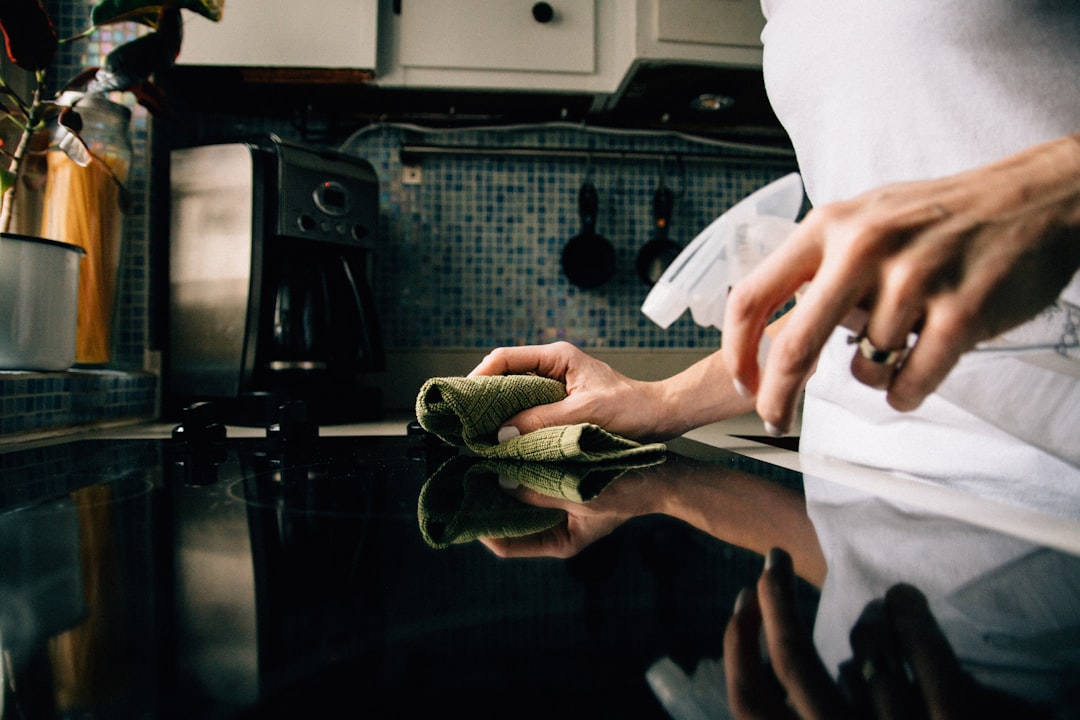
Protect one counter at all costs
If your kitchen has very little counter space, designate one section as the always-usable counter. It might be only 24 inches wide. That is enough.
This area should not become permanent storage for appliances, vitamins, mail, reusable bottles, fruit that never gets eaten, or grocery bags waiting to be put away.
Why is this so important? Because when one clear counter exists, you can begin cooking immediately. When every surface is occupied, even a simple sandwich can require a cleanup first. For the broader setup, Where to Store Important Documents in a Small Apartment is a useful next read.
What can stay on the counter?
Use a strict test: Does your household use this almost every day, and is moving it genuinely inconvenient?
Items that may earn permanent counter space include:
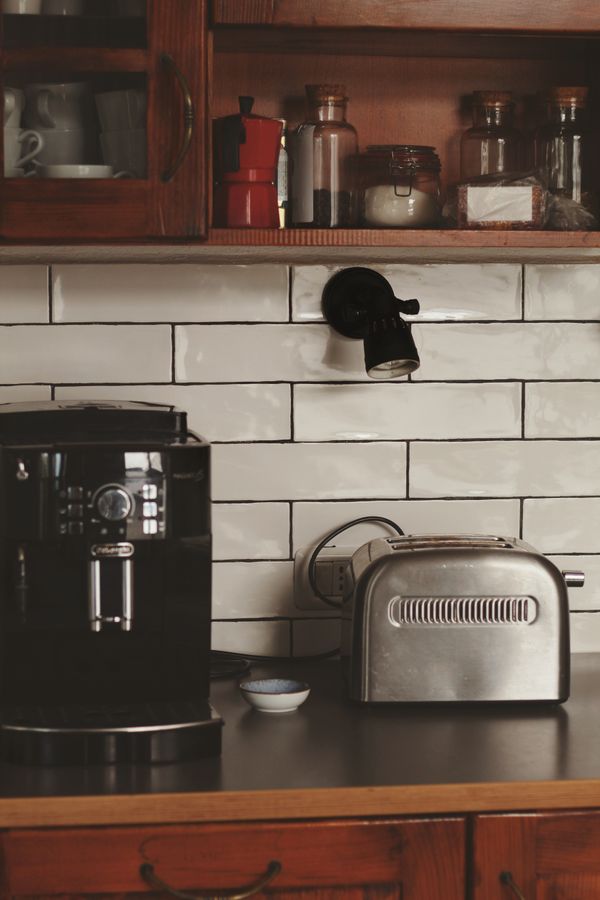
- a coffee maker used every morning,
- a toaster used daily,
- a knife block if drawer storage is unsafe or unavailable,
- a small utensil crock if it replaces an overcrowded drawer.
Items used once or twice a week usually belong inside a cabinet, pantry, or nearby storage area.
Keep the sink from becoming a storage container
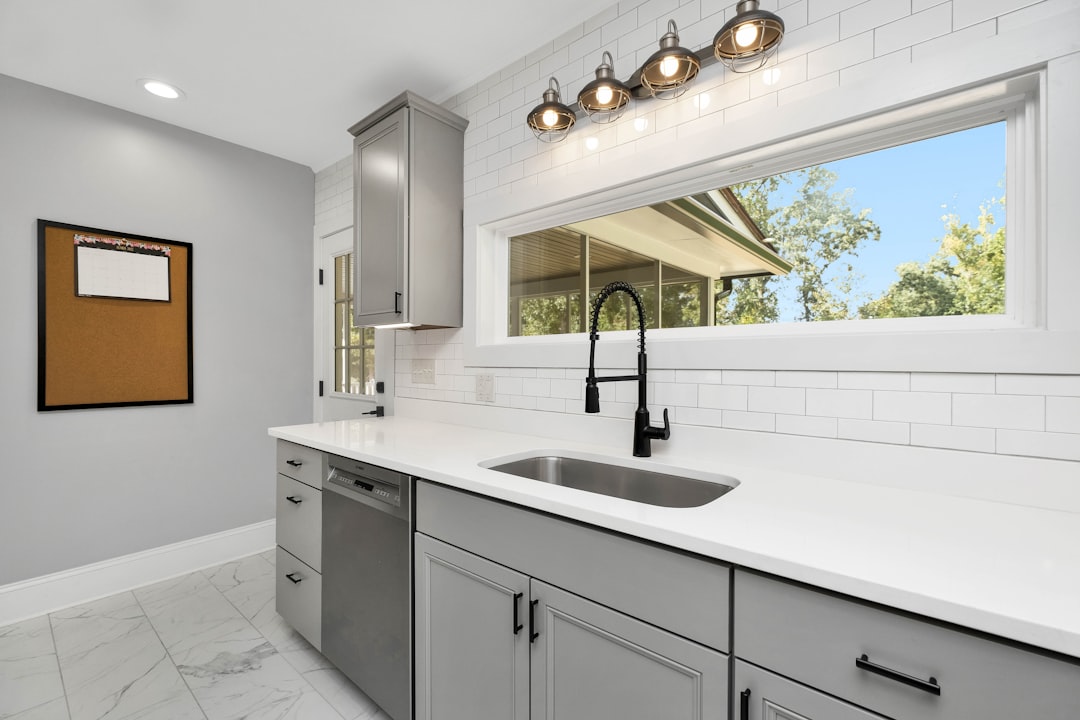
A full sink is one of the biggest visual and functional problems in a small kitchen. Once the sink is packed, you cannot rinse vegetables, fill a pot, wash your hands comfortably, or clean the next batch of dishes.
The sink should be treated as a working tool, not a holding bin.
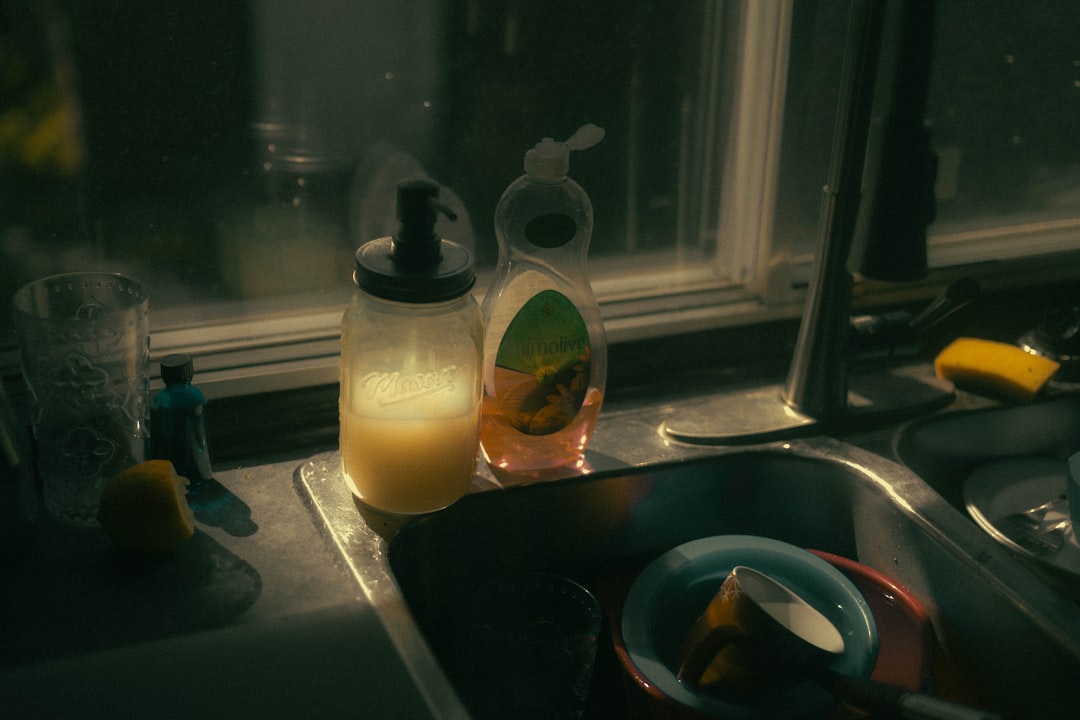
If you have a dishwasher
Try to empty it before the main cooking period of the day. For many families, that means unloading it after breakfast or before dinner. An empty dishwasher gives dirty dishes somewhere to go immediately.
A practical rhythm is:
- Morning: unload clean dishes.
- Daytime: add used dishes as they appear.
- After dinner: finish loading and run it if full.
If you wash dishes by hand
Use batches instead of washing one item at a time. A small dishpan or defined stack beside the sink can help keep the basin open until you are ready to wash.
Wash in this order:
- glasses and lightly soiled items,
- plates and bowls,
- utensils,
- pots and pans,
- greasy or heavily soiled cookware last.
The order keeps the water cleaner and makes the task feel more controlled.
Do a two-minute stovetop reset after cooking
You do not need to detail-clean the stove every night. But fresh grease is much easier to remove than dried grease.
After the burners or surface are cool:
- remove loose crumbs,
- wipe obvious splatters,
- clean around the burner you used most,
- wipe nearby handles if they feel greasy.
This takes about two minutes and prevents the weekly deep clean from turning into a scraping project.
Use a “closing shift” instead of cleaning all evening
Restaurants use closing routines because the same tasks need to happen every day. A family kitchen benefits from the same idea.
Your closing shift should be short enough that you can repeat it even when you are tired. For most small kitchens, 10 to 15 minutes is enough.
A realistic 12-minute kitchen closing shift
- Minutes 0–3: dishes. Load the dishwasher or wash the highest-priority items.
- Minutes 3–5: food. Put leftovers away and return ingredients to the refrigerator or pantry.
- Minutes 5–7: surfaces. Wipe the prep counter, dining spillover area, and stovetop if needed.
- Minutes 7–9: sink. Rinse the basin, clear the drain, and wring out the cloth or sponge.
- Minutes 9–11: floor. Sweep only the obvious crumbs and food around the cooking area.
- Minute 12: tomorrow. Put one useful item in place for the next meal: coffee supplies, lunch boxes, breakfast bowls, or the cutting board.
If you like short, repeatable cleaning routines, our 10-minute small bathroom cleaning routine uses the same principle: frequent light resets instead of exhausting deep cleans.
What to skip on busy nights
One reason kitchen cleaning routines fail is that people quietly turn a daily reset into a full-home standard.
On an ordinary Tuesday night, you can usually skip:
- wiping cabinet fronts unless visibly dirty,
- cleaning the oven interior,
- organizing food containers,
- polishing appliances,
- washing trash cans,
- deep-cleaning grout,
- pulling appliances away from walls,
- reorganizing the pantry.
These jobs matter, but they belong on a weekly, monthly, or seasonal list. Keeping them out of the nightly routine protects the habit.
The weekly reset: 30 to 45 minutes
Daily maintenance works best when one slightly deeper reset catches the tasks that do not need attention every day.
Once a week, choose a time when the kitchen is already relatively quiet and do the following:
- wipe cabinet handles and appliance fronts,
- clean the microwave interior,
- check the refrigerator for old leftovers,
- wipe refrigerator shelves where spills are visible,
- clean the sink more thoroughly,
- wipe the backsplash,
- clean the entire stovetop,
- mop the floor,
- replace or wash dish towels and cleaning cloths,
- empty recycling and wipe the area around trash bins.
Do not automatically add pantry organization or refrigerator deep-cleaning to this list. Those are separate projects and can easily double the time.
Make cleanup easier by changing the way you cook
Cleaning is not only about cleaning products. The biggest improvements often come from reducing how many objects become dirty in the first place.
Use fewer prep bowls
If ingredients can safely share a cutting board or bowl, avoid creating separate containers just to imitate a cooking show setup.
Reuse tools during the same meal
A measuring cup used for dry rice may be able to measure water next. A bowl used for washed vegetables may later hold cooked food. Use common sense around food safety, especially with raw meat, eggs, and allergens.
Choose one-pan or one-pot meals strategically
You do not need to cook this way every night, but keeping a few low-dish meals in rotation can make busy weekdays much easier.
Line messy pans when appropriate
Parchment, silicone baking mats, or foil can reduce scrubbing for certain recipes. Use them when they genuinely simplify cleanup rather than automatically adding disposable waste to every meal.
Put ingredients away before you eat
This is one of the most effective habits for small kitchens. Before carrying food to the table, spend 60 seconds returning oils, spices, produce, and refrigerated ingredients to their homes. You will come back after dinner to a much smaller mess.
Create a kitchen cleanup kit that lives where you use it
Cleaning becomes harder when supplies live across the house. A tiny kitchen does not need a large collection of products. It needs a few useful tools within reach.
A simple kit might include:
- dish soap,
- all-purpose cleaner appropriate for your surfaces,
- two or three washable microfiber cloths,
- a scrub brush or non-scratch sponge,
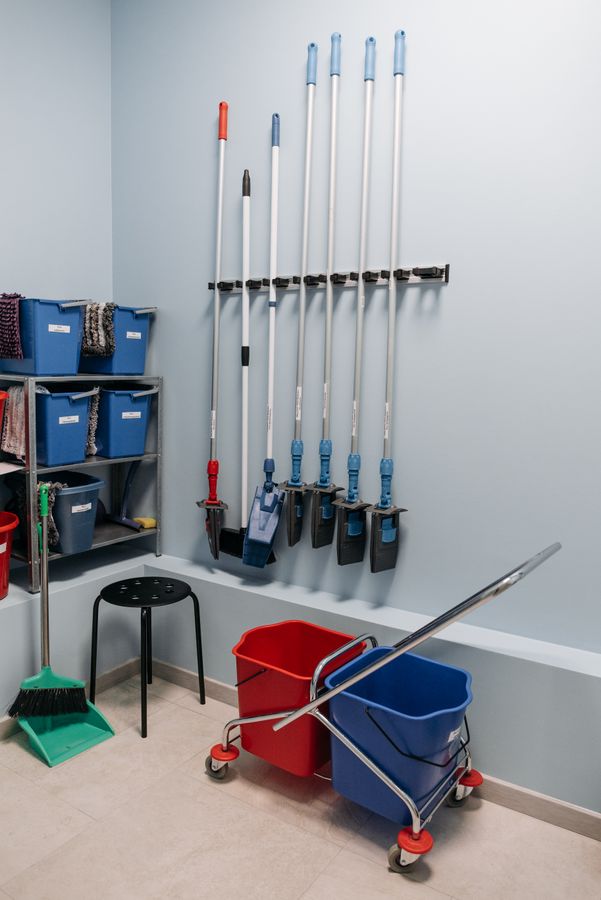
- a small dustpan and brush or compact broom,
- dishwasher detergent if applicable.
If possible, store the kit under the sink or in one nearby cabinet. Avoid filling valuable kitchen storage with specialty cleaners you rarely use.
A clear sink changes the whole room
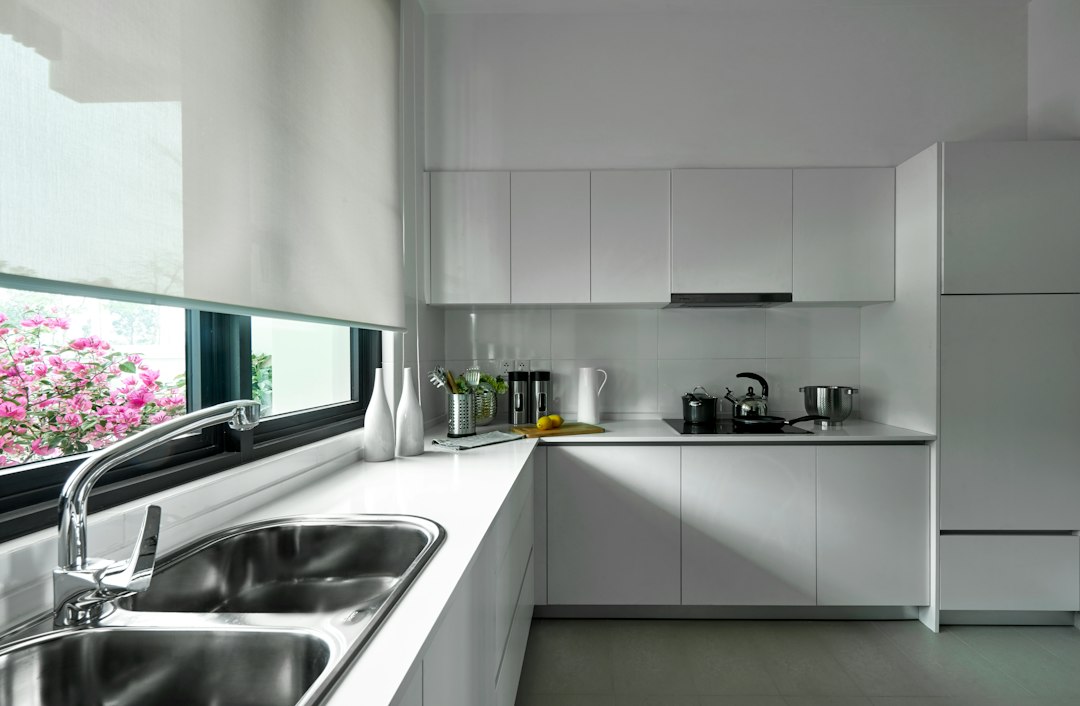
If your kitchen often feels chaotic, try making the sink your only non-negotiable closing task for one week.
At the end of the night:
- remove food scraps,
- move dishes out of the basin,
- rinse the sink,
- leave the faucet area reasonably clear.
Even if a few pans are still drying or the floor needs sweeping, an empty sink makes the room feel usable the next morning.
What if the kitchen gets destroyed every single day?
If your kitchen returns to chaos every day despite regular cleaning, the problem may not be cleaning at all. Look for one of these structural issues.
Too many items live on the counters
When counters double as storage, every meal begins with relocation. Move occasional-use appliances and decorative items elsewhere.
Your dishwasher is always full of clean dishes
If clean dishes never get unloaded, dirty dishes have nowhere to go. Change the unloading time rather than blaming the evening cleanup.
Food storage containers have no limits
Overflowing lids and containers can make cleanup difficult because nothing has a clear home. Keep only the quantity your household realistically uses.
The trash or recycling setup is inconvenient
If recycling requires walking to another room, packaging will collect on the counter. Place a temporary small bin or paper bag in the kitchen if local rules and space allow.
Too many household items enter the kitchen
Mail, school papers, keys, bags, medicine, chargers, and toys often land in the kitchen because it is the most active room. Give these items a better landing place outside the main prep zone. For the broader setup, How to Organize School Papers Without Keeping Everything is a useful next read.
For families: divide the closing shift by ownership, not by “helping”
A kitchen used by several people should not depend on one person noticing every mess.
Instead of saying, “Can someone help clean the kitchen?” assign repeatable ownership:
- one person clears and stores leftovers,
- one person loads dishes,
- one person wipes the table and counter,
- an older child checks the floor for crumbs,
- a younger child carries safe, unbreakable items to their storage area.
The tasks should match age and ability, but the principle matters: each person knows what “done” means.
A sample weekday rhythm for an everyday-cooking household
Morning
- Unload the dishwasher while coffee or breakfast is being prepared.
- Put breakfast dishes directly into the dishwasher.
- Wipe one breakfast spill if needed—nothing more.
Before dinner
- Do the five-minute opening reset.
- Clear the prep counter.
- Empty the sink enough to use it.
During cooking
- Close one stage before opening the next.
- Put ingredients away as you finish with them.
- Use waiting time for one small cleaning task.
After dinner
- Store leftovers first.
- Run the 10- to 15-minute closing shift.
- Leave the sink usable for morning.
This rhythm is intentionally boring. That is what makes it sustainable.
The minimum standard for truly exhausting days
Some days, even 12 minutes feels like too much. On those nights, use the smallest version of the system:
- Put perishable food away.
- Throw away food scraps and obvious trash.
- Create enough room in or around the sink to use it tomorrow.
- Clear one small counter section.
That is enough. A sustainable home system needs a low-energy version, not just an ideal version.
Frequently asked questions
Should I clean the kitchen after every meal?
No. A full reset after every meal is unnecessary for most households. After breakfast and lunch, focus on food safety, dishes, and keeping one counter usable. Save the more complete reset for the main cooking period or evening.
How often should I mop a small kitchen floor?
For many households, once a week is enough, with spot-cleaning as needed. Homes with toddlers, pets, frequent frying, or heavy kitchen traffic may need more frequent mopping.
How can I keep counters clean when I have very little cabinet space?
Prioritize by frequency of use. Daily-use items can stay accessible, but weekly-use appliances should compete for cabinet space before they compete for prep space. Vertical shelves, hooks, drawer dividers, and nearby non-kitchen storage can also help.
Is it better to clean before or after cooking?
Do a very short reset before cooking if the kitchen is blocked, then clean lightly during natural pauses and finish with a short closing shift afterward. This spreads the effort and prevents one large cleanup. You may also find The 15-Minute Nightly Kitchen Reset for Busy Families useful for a closely related small-home problem.
What is the single best habit for keeping a small kitchen clean?
Keep the sink usable. When the sink is clear, dishes have a process, vegetables can be rinsed, pots can be filled, and cleanup feels possible. When the sink is buried, every other task becomes harder.
A clean small kitchen is a system, not a perfect room
If you cook every day, your kitchen will get messy every day. That is normal. The goal is not to prevent mess. The goal is to make mess easy to recover from.
Protect one prep area. Keep the sink functional. Close one stage of cooking before starting the next. Use waiting time for tiny resets. End the day with a short closing shift instead of a marathon clean.
When these habits work together, a small kitchen can handle breakfast, packed lunches, family dinners, snacks, baking projects, and all the ordinary chaos of home life—without requiring you to spend the rest of the evening cleaning it.
Sources
- USDA Food Safety and Inspection Service — general kitchen hygiene and food-safe cleaning guidance
- American Cleaning Institute — kitchen cleaning and daily maintenance best practices
- Small Home Rhythm editorial planning and household systems framework