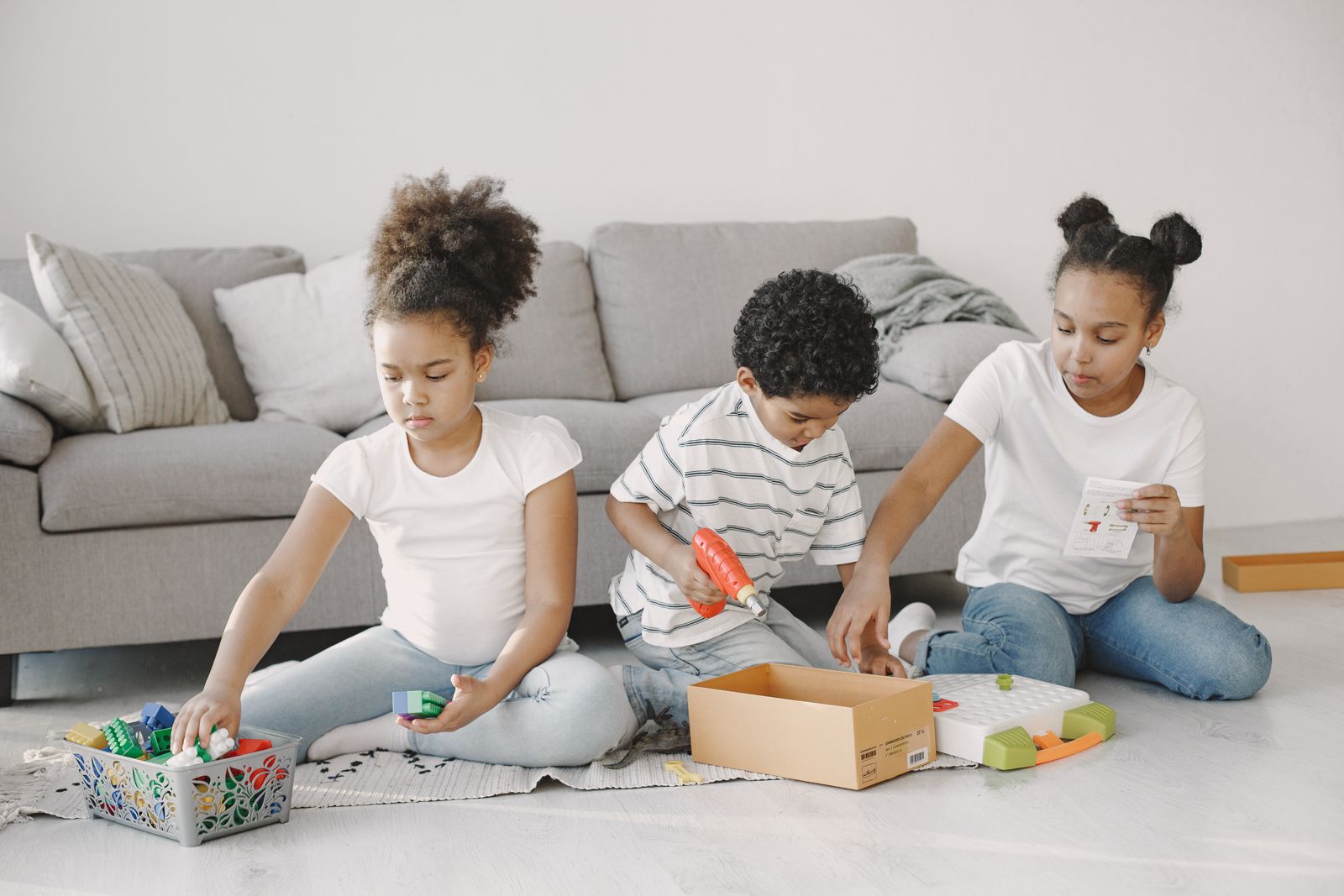
A small living room can host a good playdate without becoming a miniature activity center. The difficult parts are often the transitions: a guest arrives with a coat and bag, children want several activities at once, snacks interrupt the game, and pickup happens while pieces are still scattered. Planning those moments is more useful than filling the room with new toys. For the broader setup, How to Organize Toys in a Small Living Room Without Making It Look Like a Playroom is a useful next read.
This guide is for a modest, supervised visit in a home where the living room still needs to function for the rest of the family. Choose the arrangement according to the children’s ages, abilities, interests, and the supervision available. It is a household planning framework, not a recommendation about how many children any adult can safely supervise.
Start with the visit you can comfortably support
Decide the approximate arrival and pickup window with the other parent or caregiver. Discuss relevant needs directly, including food restrictions, bathroom help, and any instructions they want you to follow. Do not expect a room layout to resolve a supervision or care requirement you have not discussed.
Look at the day’s existing commitments. If another adult needs the room for work, or the household will eat dinner there shortly after pickup, plan for a simpler visit. A short visit with one main activity can be more enjoyable than an ambitious sequence that everyone rushes through.
Keep the ordinary furniture where it is unless moving a specific piece removes a real obstacle. Clearing a safe walking route matters; making the room look different for its own sake does not. Our guide to living-room furniture with children addresses the underlying layout if the usual arrangement already creates difficulties.
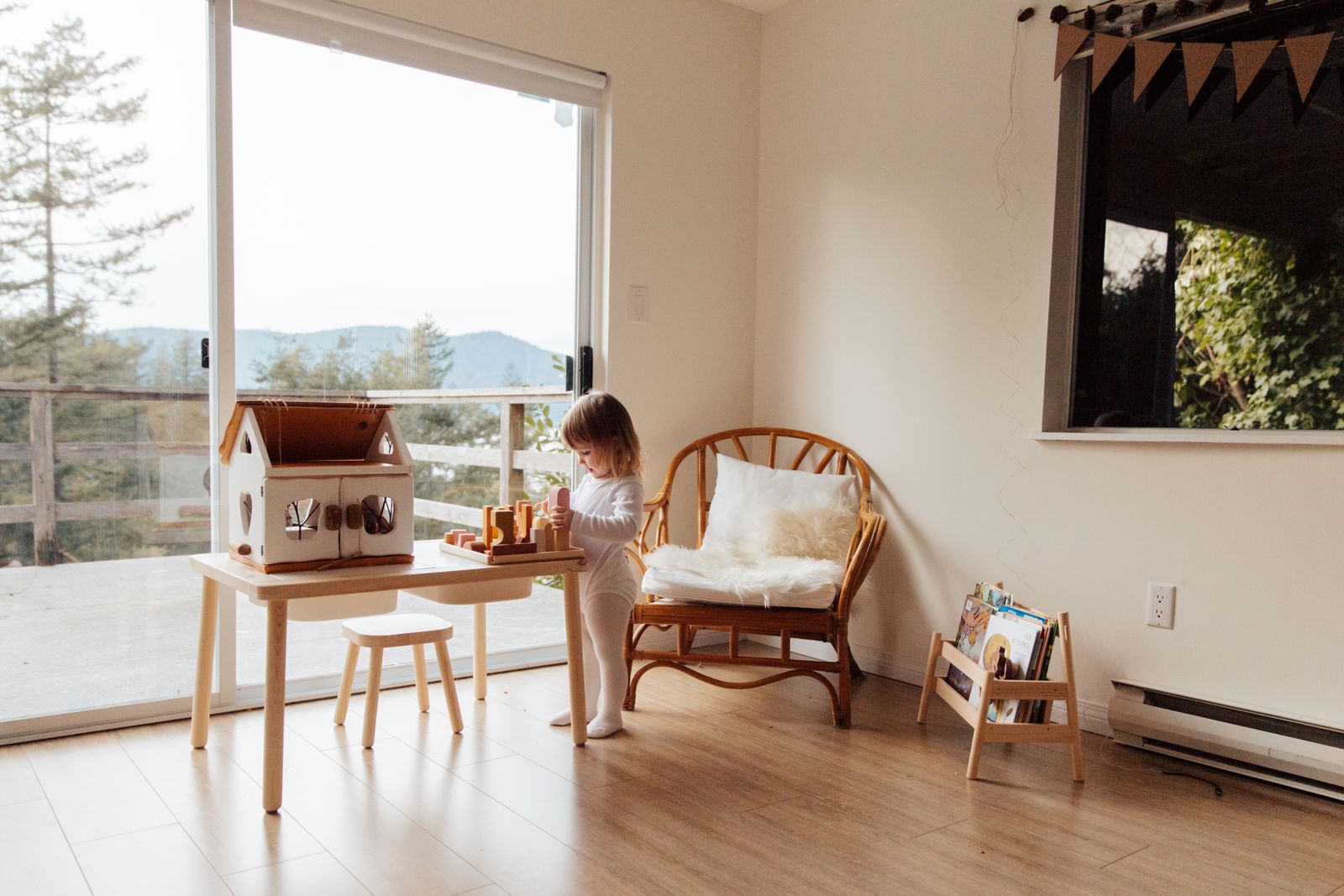
Give arriving belongings one temporary address
Choose a reachable spot for the guest’s coat, shoes, and bag that does not block the entrance. Keep it distinct from the family’s outgoing school gear. If several children are visiting, simple name cards can distinguish belongings without creating permanent storage.
Show the guest where the bag goes and where the bathroom is, in an age-appropriate way. Children entering an unfamiliar home should not need to open several cupboards to find the basics. Keep any household areas that are off-limits clear in your own plan, then explain boundaries calmly.
An adult should know what remains in the guest’s bag, particularly where food, medication, or small items require appropriate handling. Follow the caregiver’s instructions and your household safety arrangements. A tidy landing spot does not mean every item in the bag is suitable for unsupervised access.
Choose activities by cleanup shape
Pick one main activity with a defined play area and a clear stopping point. Building pieces on a mat, a tabletop game, or an age-appropriate craft with a contained set of materials can each work. What matters is that you understand how the activity starts, what it spreads into, and how it ends.
Before offering an activity, ask whether everyone can participate comfortably and whether the room provides the necessary supervision and space. A craft that needs constant adult help may be a poor choice if the same adult must prepare snacks and assist with the bathroom. The attractive project is not always the practical project.
Keep one backup activity ready, rather than opening a second toy collection preemptively. The backup is useful if the first choice fails or interests change. It does not need to be more exciting; it needs to start with little setup and stop without a large additional cleanup. If you are working on the same space, The One-Basket Toy Cleanup System for a Small Living Room covers the next decision in more detail.
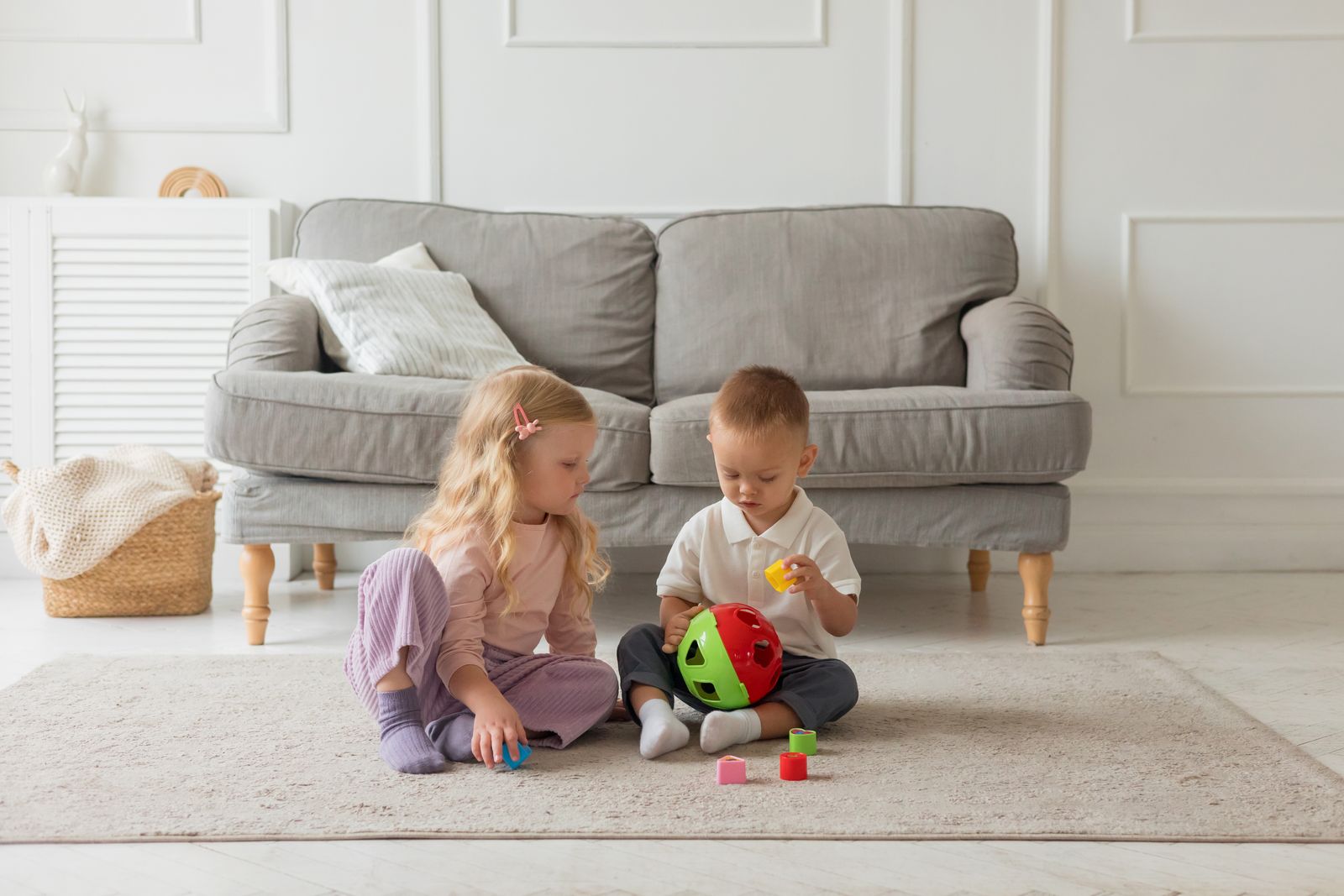
Protect belongings that should not become part of play
Before the visit, put away fragile, private, or unsuitable items using your ordinary household safety arrangements. Do not merely place something higher if it still creates a foreseeable access problem for the children present. Follow the instructions for securing furniture and equipment where applicable.
Ask your own child which special belongings they do not want included. Put those away before the guest arrives rather than negotiating over a prized object in the middle of the visit. Sharing can be encouraged without requiring every possession to become a communal toy.
Use the living room’s existing boundaries. A work laptop, a charging cable, and a remote-control drawer do not have to remain in the middle of an activity simply because they normally live there. Move the relevant items to their actual storage locations, rather than gathering them into an unlabeled pile that creates a second problem afterward. You may also find How to Create a Calm Living Room When Kids Use It All Day useful for a closely related small-home problem.
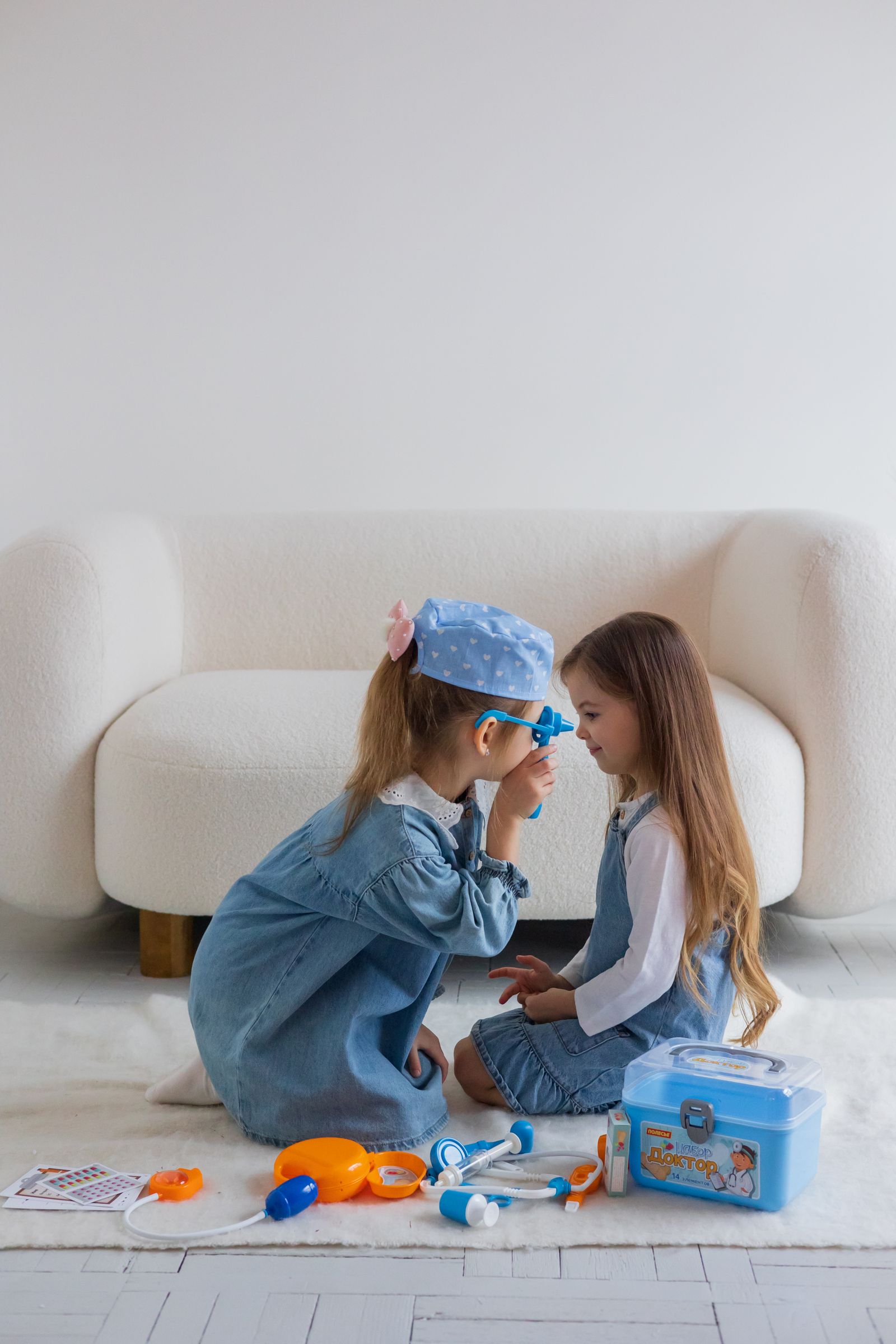
Make the snack transition a real change of activity
Arrange food according to the needs and restrictions discussed with the caregiver. Keep the serving plan simple enough to supervise comfortably. This article does not determine food safety, allergy management, or what a particular child can eat; those decisions need the appropriate guidance and direct information from the adults responsible.
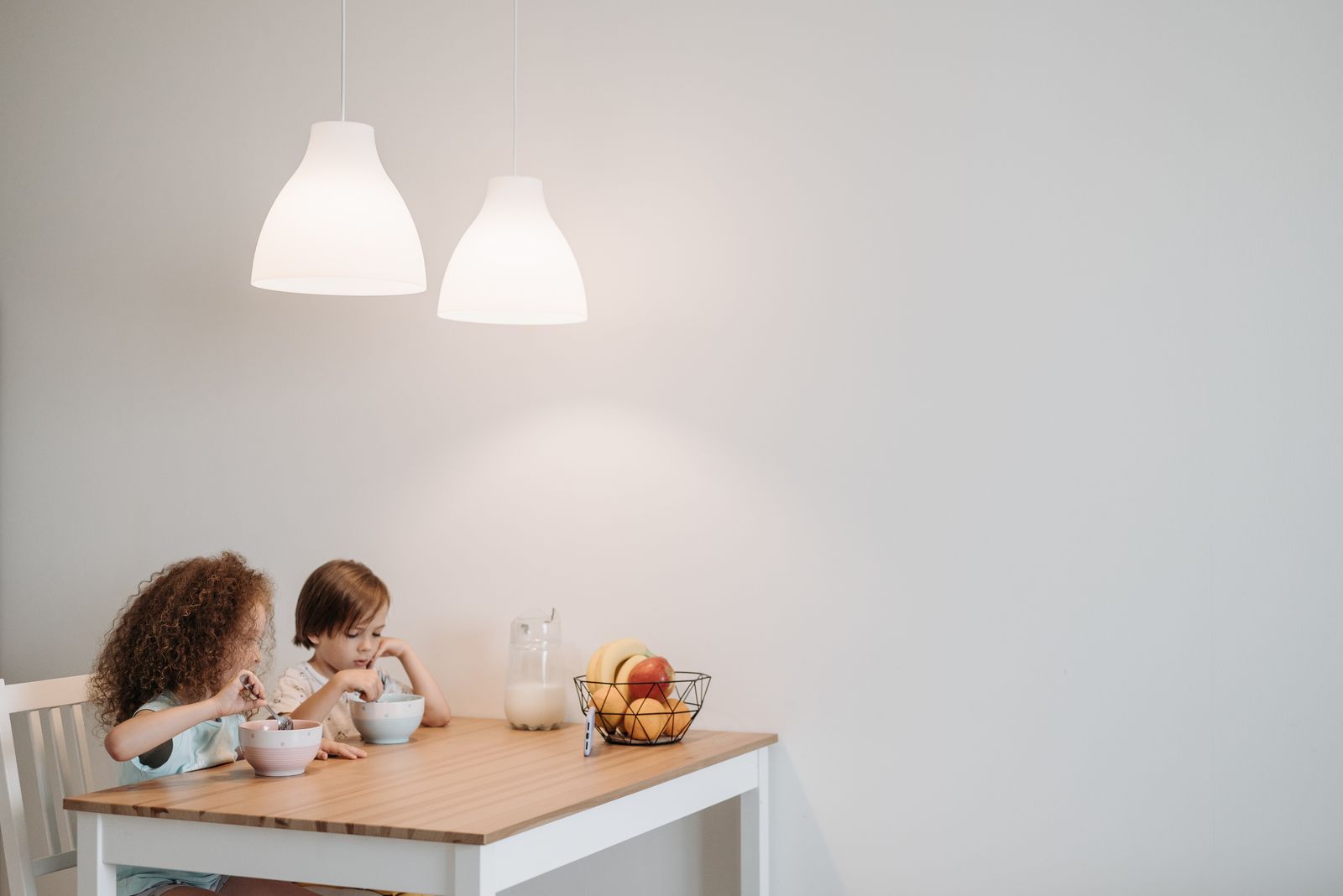
Pause the game before bringing food into the activity zone. Put away or cover materials that should not mix with eating, move to the planned snack surface, and make the next step visible. Children do not need to understand a complicated house rule to recognize that the activity has changed.
If the dining table also supports play, our guide to resetting a multipurpose dining table shows how a contained activity can clear without reorganizing the entire room. One defined handoff is easier than balancing snacks above a half-finished project.
Leave room for a quieter moment
Some children enjoy an energetic arrival and then want a quieter activity. Offer a small, visible option such as appropriate books, drawing materials, or a simple puzzle that fits the supervision plan. Avoid assuming that every pause means the playdate needs more entertainment.
Keep the quieter option within the area you can supervise. It does not require sending a guest into an unfamiliar bedroom or creating a separate activity station in another room. A chair beside the main play area can provide a change of pace without disconnecting the child from the visit.
For households where several family members use the living room at once, quiet-time zones in a small home offers ideas for the everyday arrangement. During the playdate, choose only what supports this particular group and visit.
Begin the ending before the doorbell
Give an appropriate advance reminder that pickup is approaching. Follow the children’s needs and ages rather than expecting the same warning interval to work for everyone. Move toward an activity that can finish or pause cleanly instead of introducing the largest building set near the end.
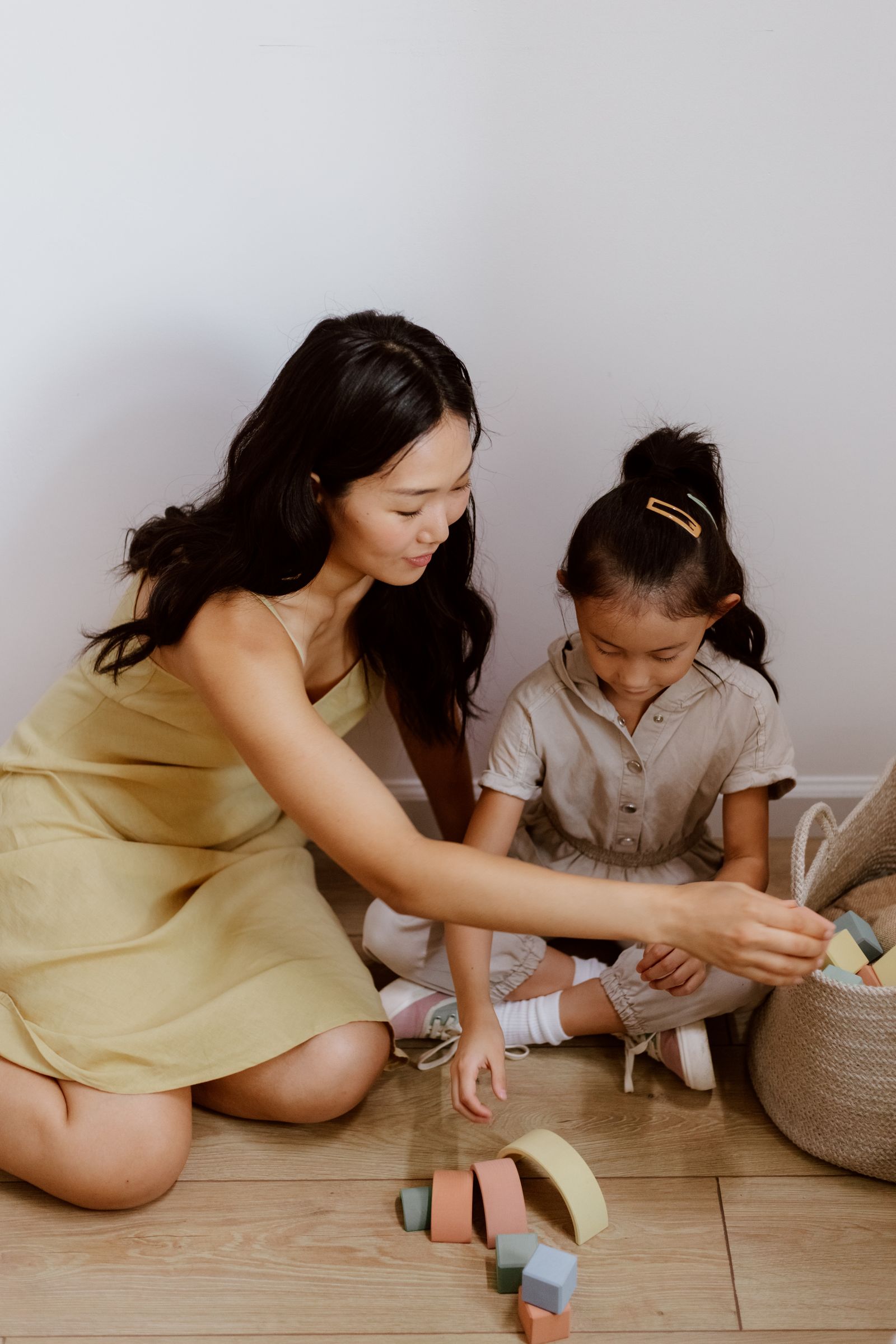
Return the main materials together while the visit is still in progress. Make the job specific: pieces into this container, drawing tools into that case, and the game back into its box. “Clean the room” is too broad when a child does not know your storage system.
If a project will be kept, agree where it belongs and how it travels home. A damp painting or partly assembled model may need a different plan from a finished drawing. Do not quietly promise to preserve something indefinitely on the family’s only usable table.
Use a pickup check instead of a second cleanup
At pickup, check the guest’s bag, coat, shoes, and any agreed project. Tell the caregiver about anything that requires follow-up, rather than relying on the child to remember every detail. Keep the handover short enough that you can continue supervising the children present.
After the guest leaves, return the temporary labels and serving items to their usual homes. Inspect the room for pieces that escaped the activity boundary and anything that needs cleaning. If the visit generated an unexpectedly large reset, note which stage caused it before purchasing more organizers.
The next playdate should use that observation. Perhaps one material set was too sprawling, the bag spot was unclear, or pickup interrupted an activity without a stopping point. Change that stage and keep the rest. A repeatable visit is built from a few comfortable handoffs, not a perfectly staged room.
Find more everyday layouts in Living Room ideas and practical household routines in Family Home. The room earns its flexibility when guests can enjoy it and your family can use it again afterward.