A children’s birthday party does not become better simply because more people fit through the door. In a small home, the most successful parties usually have a clear limit: a manageable guest count, one main activity at a time, and fewer objects competing for floor space.
The mistake is trying to reproduce a large venue inside a compact living room—multiple activity stations, a buffet, a gift table, elaborate decorations, adult seating, and twelve children moving in every direction. For a related step-by-step approach, see A Simple Weekly Toy Rotation for a Small Living Room.
Let the room determine the guest count
Start with the usable party footprint, not the invitation list. How many children can sit for cake? How many can move safely through the room? Where will adults stand? Where do coats and shoes go?
A smaller group can create a much calmer party and give the birthday child more actual time with friends.
Consider age before calculating capacity
Six toddlers with parents can require more floor area than eight older children who can sit at a table for crafts. Younger children also need closer supervision, clearer movement paths, and more space for caregivers.
Guest count is not just a number. It is a behavior forecast.
Choose one main activity format
A craft table, simple game sequence, movie-and-snack party, building challenge, baking activity, or backyard extension can work better than several simultaneous stations. If you are working on the same space, How to Organize Board Games and Puzzles in a Small Family Home covers the next decision in more detail.
When everyone transitions together, you do not need permanent space for four activities at once.
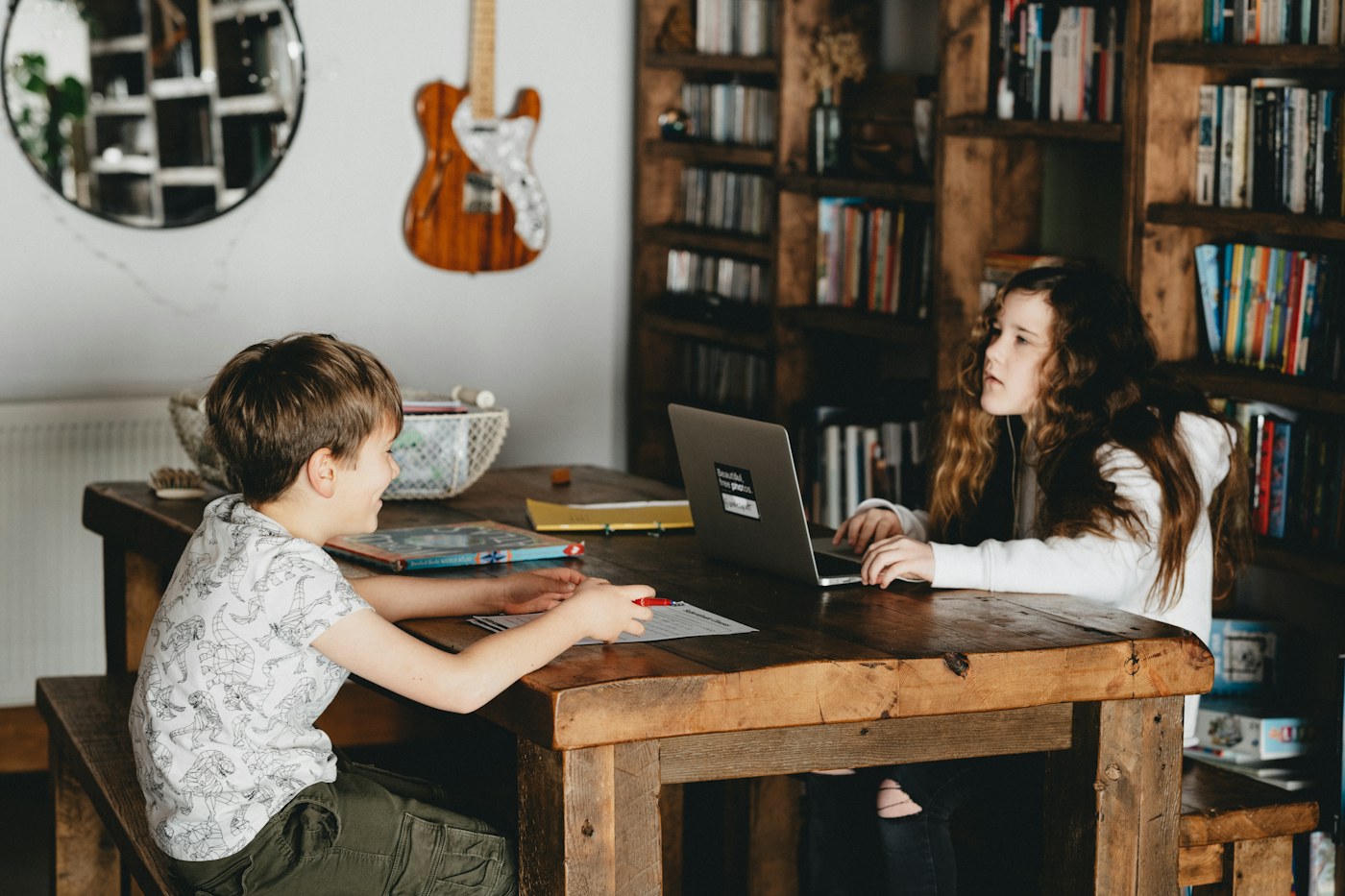
Use the dining table as party infrastructure
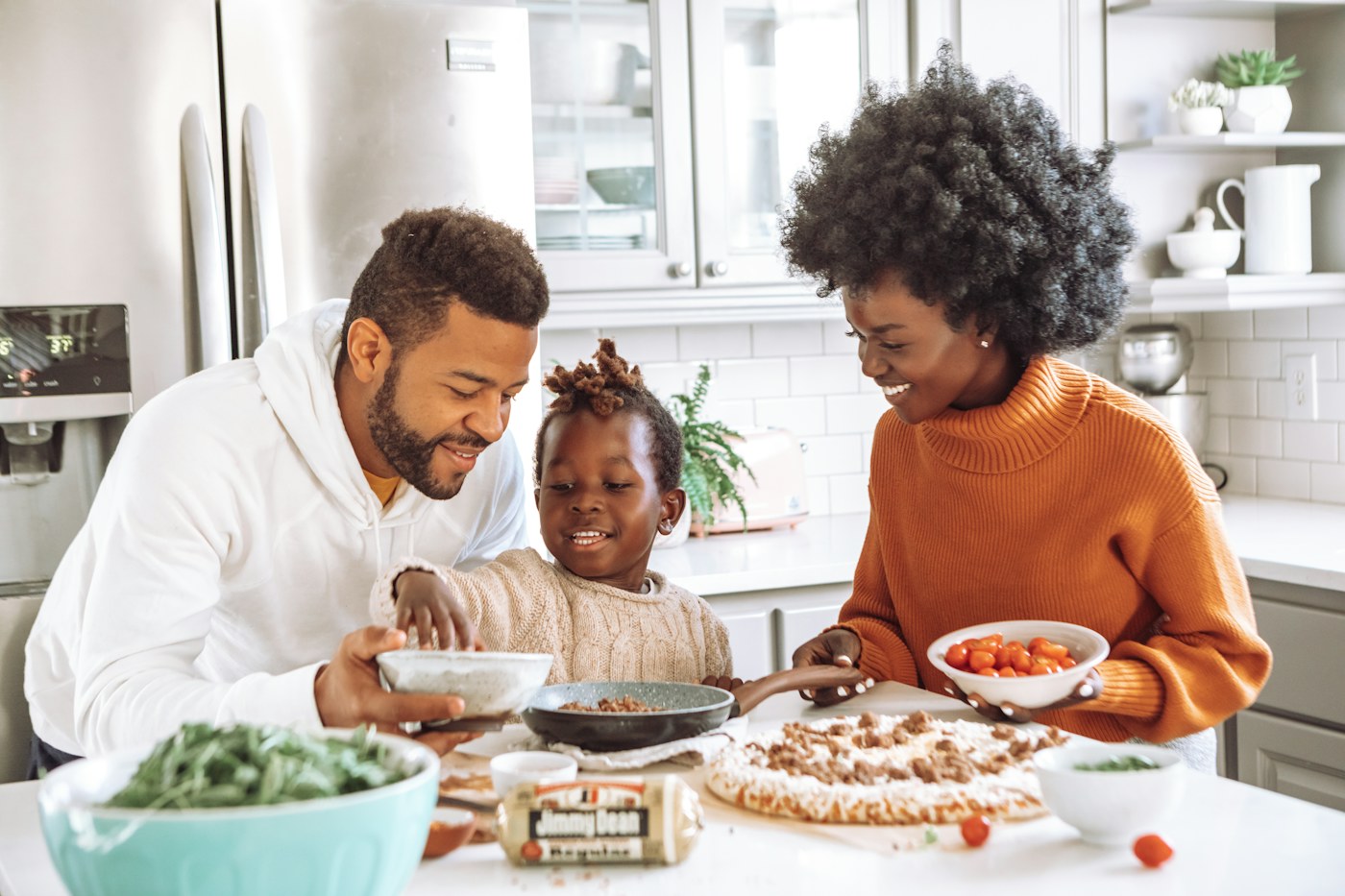
The table can begin as the activity surface, reset for food and cake, then become a gift-opening or take-home area. That is a better use of space than creating separate furniture zones for each stage.
Protect the table appropriately for the activity and keep cleaning supplies nearby.
Move only the furniture that creates meaningful floor space
Do not empty the room completely. A sofa may provide useful adult seating and define the room. Instead, remove fragile side tables, a large coffee table, floor lamps, or decor that narrows circulation. For a related step-by-step approach, see Cube Storage in a Small Living Room: Useful Workhorse or Bulky Clutter Magnet?.
Store moved items in a closed room or designated zone so they do not simply create clutter elsewhere.
Protect one clear path to the bathroom and exit
Party layout should never block critical circulation. Children will move quickly, adults will carry food, and someone will need the bathroom at the least convenient moment.
Keep the path obvious and free from gift bags, shoes, toys, and folding furniture.
Create a shoe and coat plan before guests arrive
An entryway that works for four people may collapse under fifteen pairs of shoes. Use one temporary shoe mat, basket, bedroom coat zone, or other clearly communicated arrangement.
Do not let the front door become a pile that people have to step over.
Keep food compact
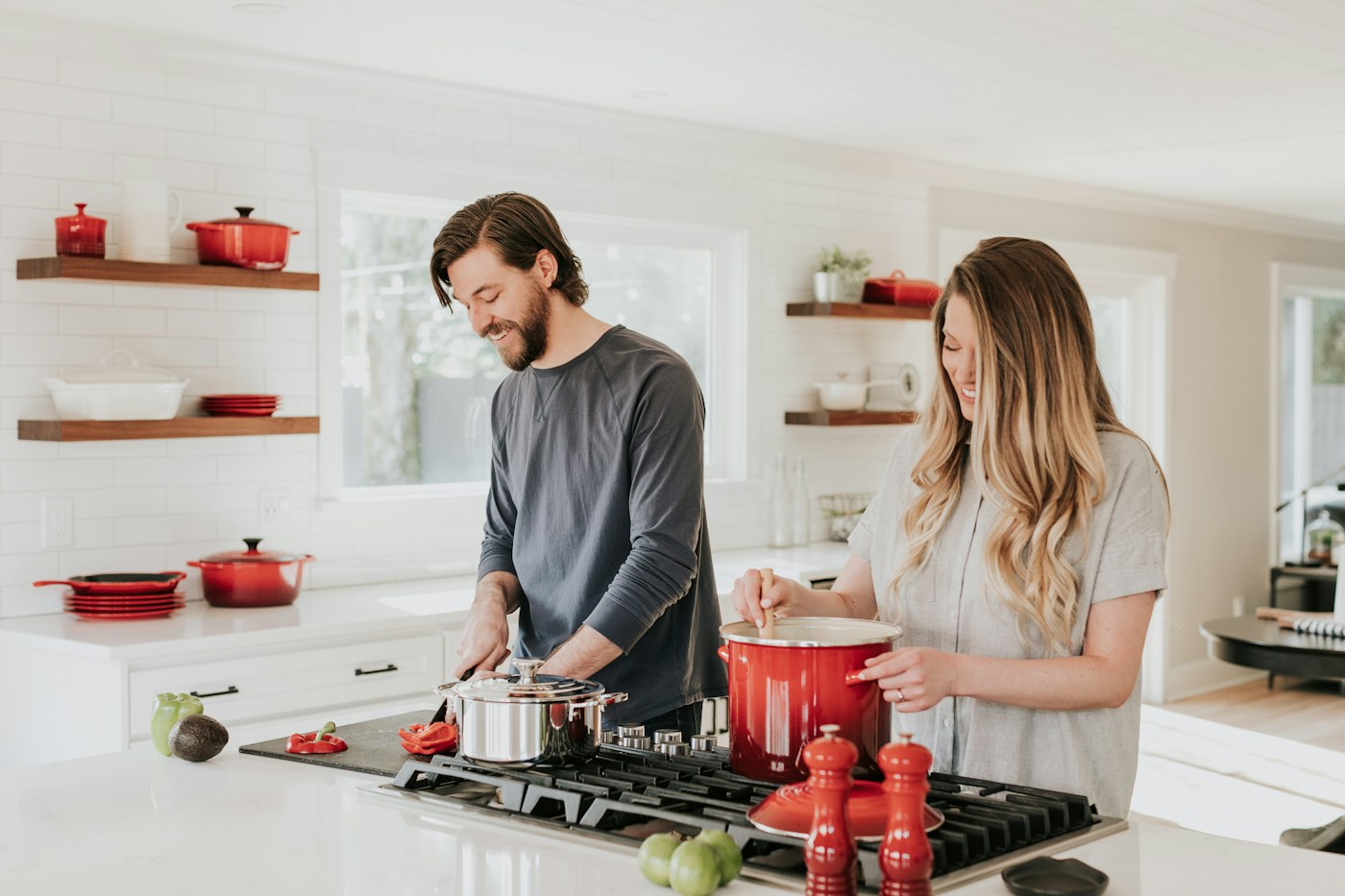
Serve a limited menu that is easy to hold, replenish, and clean. A crowded buffet of twelve dishes consumes counter space and generates more serving tools, packaging, spills, and leftovers.
Use the kitchen as the replenishment zone and keep only the active food on the party surface.
Serve drinks in one controlled place
Multiple open cups spread throughout the home create spills. A defined drink station or clearly labeled cups can help keep beverages contained.
Choose age-appropriate serving options and avoid placing drinks near electronics or fragile furniture.
Decorate vertically, not across every surface
Wall banners, a focused backdrop, or a few hanging decorations can create visual impact without consuming table and floor space. Keep walkways, vents, lights, and safety equipment unobstructed.
A small home benefits from one strong visual moment rather than decorations on every piece of furniture.
Control gifts before they become a mountain
Choose one gift landing area away from the main activity. Depending on your family culture, gifts can be opened later rather than during the party, which preserves time and reduces packaging chaos.
Have a bag or box ready for wrapping paper and another area for gifts that need to move to the child’s room.
Create one quiet option
Some children become overwhelmed by noise. If possible, keep one bedroom corner, reading chair, or calm area available with an adult nearby as appropriate.
This is easier when the whole home is not packed to maximum capacity.
Use a shorter party window
A two-hour party can feel full when transitions are clear. Longer events require more food, more cleanup, more entertainment, and more household endurance.
A compact schedule might be:
- Arrival/free play — 15 minutes.
- Main activity — 35 minutes.
- Food — 25 minutes.
- Cake — 15 minutes.
- Simple game/free play — 20 minutes.
- Goodbyes/favors — 10 minutes.
Plan for bad weather if outdoor space is part of capacity
If the party depends on a balcony, yard, or park extension, decide what happens if weather removes that space. The indoor fallback may require fewer invitations or a different activity format.
Do not make the small home the emergency backup for a guest count that only works outdoors.
Use trash and dish stations during the party
Make it obvious where adults can place used plates and cups. Clear periodically instead of waiting until every surface is covered.
A small space benefits from continuous light cleanup.
Have a 20-minute post-party reset plan
When the final guest leaves:
- collect trash and food,
- move gifts to one room,
- restore major furniture,
- load or stack dishes,
- clear the walking path,
- leave detailed cleaning for later if everyone is exhausted.
The immediate goal is to get the house back to functional.
If extra seating becomes the biggest space problem, How to Store a Folding Table and Extra Chairs in a Small Home can help keep party furniture from becoming permanent clutter afterward.
Explore this topic
Browse more practical guidance in the Family Home hub. Room focus: Living Room.
Related published guides
- A 10-Minute Evening Living Room Reset After the Kids Go to Bed
- How to Arrange Furniture in a Small Living Room With Kids
Frequently asked questions
How many kids can I invite to a small-home party?
Base the number on safe movement, seating, supervision, parent attendance, and activity style rather than a generic formula.
Should I rent extra chairs?
Only if seated activities require them. Too much temporary furniture can reduce the floor area children need more than it helps.
How do I keep toys from getting destroyed during the party?
Put fragile, sentimental, or complicated toys away before guests arrive and leave out only items appropriate for group play.
A smaller party can feel more intentional
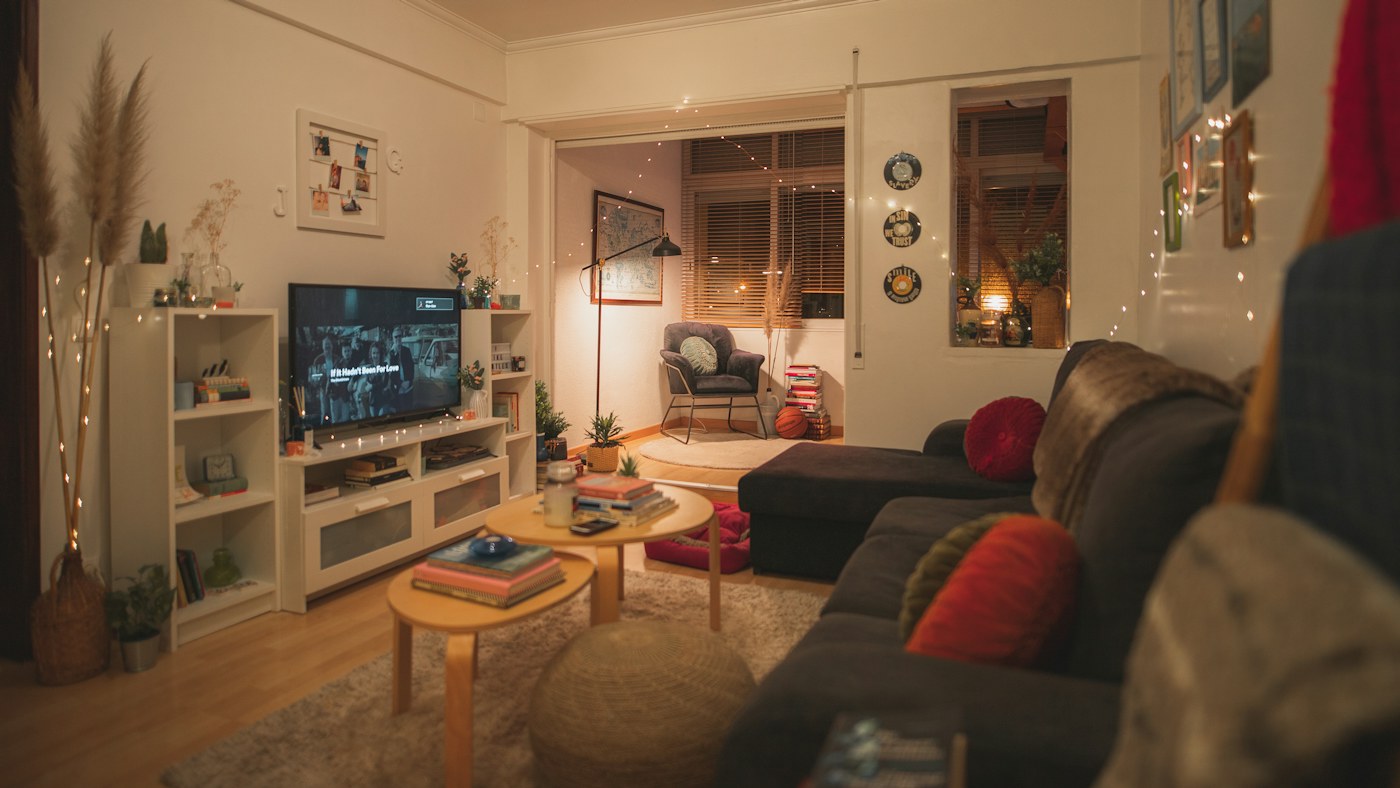
Hosting at home works when the plan respects the home’s real size. Fewer guests, one activity at a time, compact food, controlled transitions, and a quick reset will create a better experience than forcing a venue-sized party into a living room. You do not need more square footage; you need a party format that understands the square footage you have. For a related step-by-step approach, see How to Make a Small Living Room Guest-Ready Without a Guest Room.