When kids use the living room all day, the room often reaches bedtime looking like a record of every activity that happened there. You may also find The One-Basket Toy Cleanup System for a Small Living Room useful for a closely related small-home problem.
Toys spread across the floor. Cups sit on side tables. Blankets slide off the sofa. Backpacks or school papers drift in. The temptation is either to do a full cleanup or leave everything for tomorrow.
A better middle ground is a ten-minute evening close.
Minute 0–2: collect the obvious out-of-room items
Grab dishes, water bottles, clothing, school papers, and anything that clearly belongs somewhere else.
Do not put every item away perfectly yet. Move it to the correct next zone.
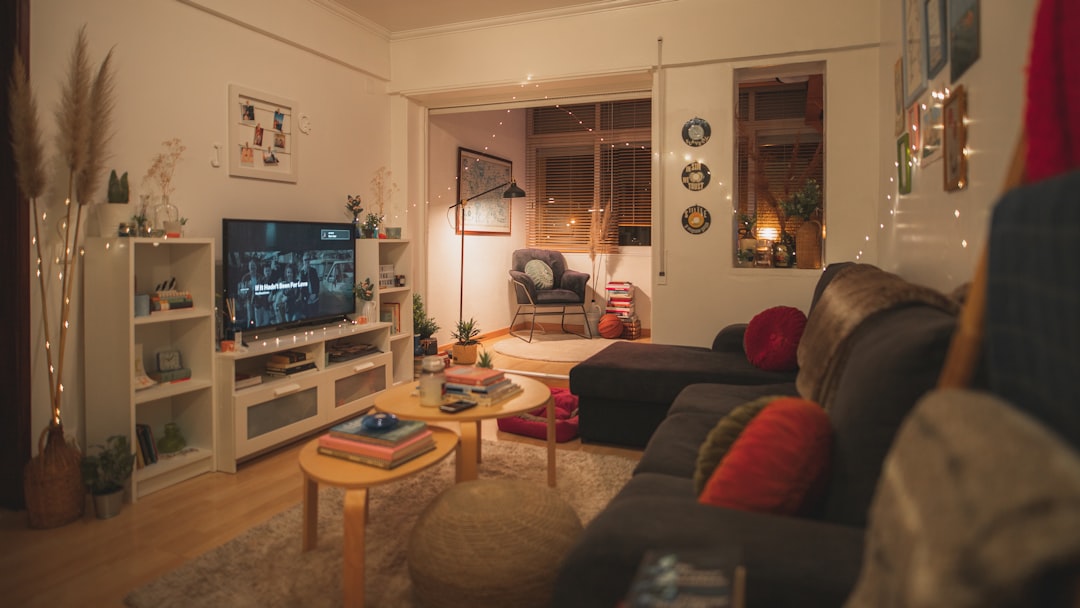
Minute 2–5: close the toy loop
Return toys to broad categories. Blocks to the block bin. Cars to one basket. Stuffed animals to their home.
Skip detailed sorting at night. The goal is to restore the floor and seating.
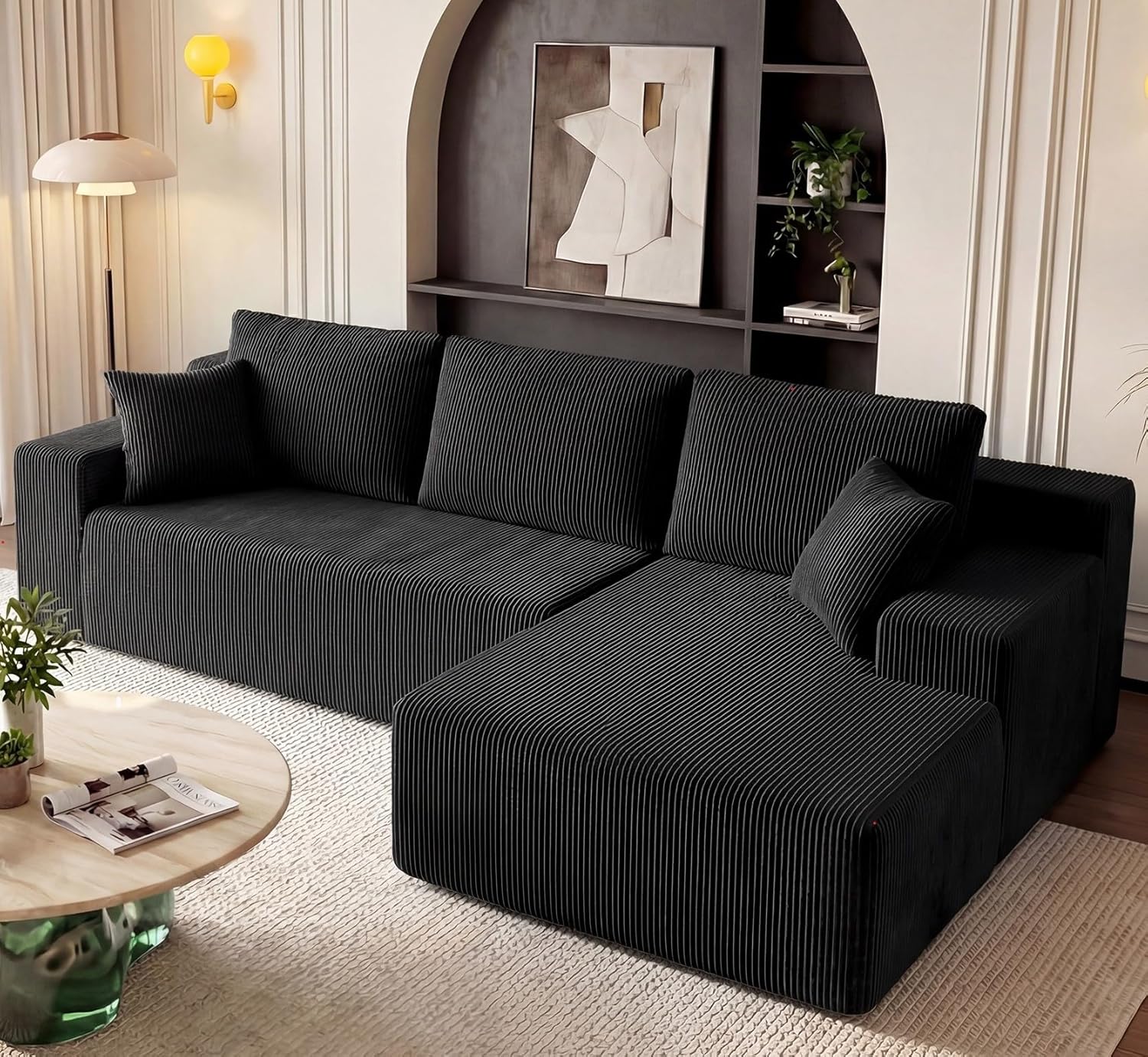
Minute 5–7: reset the sofa
Fold one or two blankets, return pillows, remove stray clothes, and make the main seating usable.
If decorative pillows constantly end up on the floor, consider keeping fewer.
Minute 7–8: clear the main surface
Choose the coffee table or side table. Remove wrappers, papers, cups, remotes, and toys. Return only the items that actually belong there.
Minute 8–9: open the floor path
Pick up anything left in the route between the sofa, kitchen, hallway, and stairs. This makes the room feel calmer immediately and reduces tomorrow-morning friction.
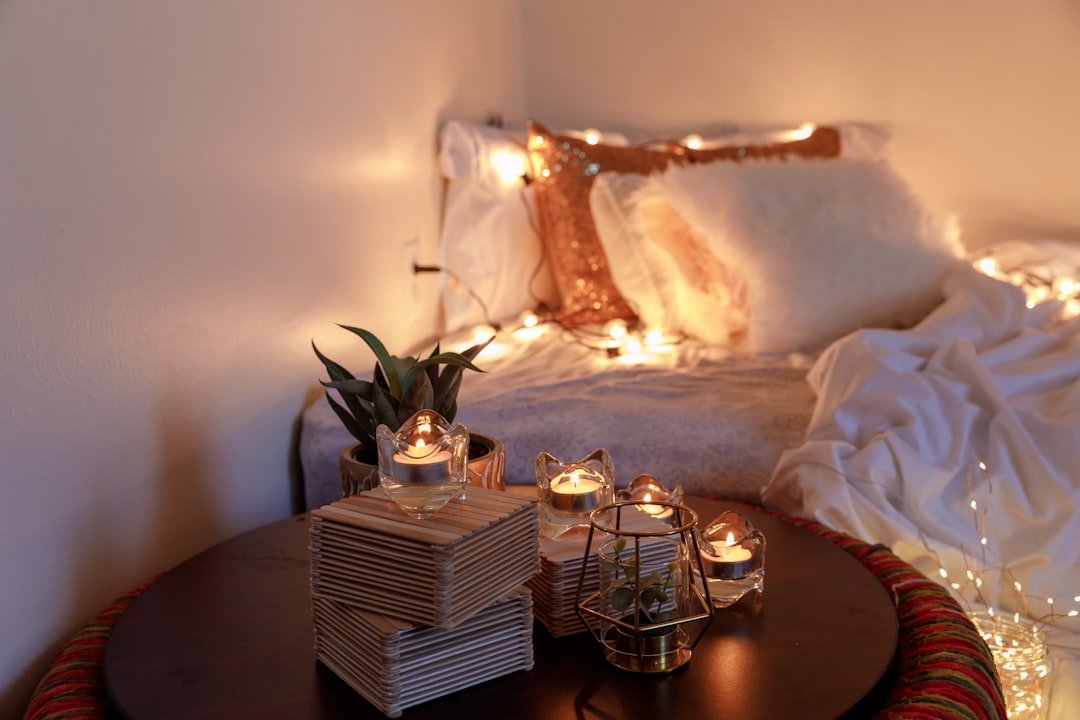
Minute 9–10: shift to adult mode
Dim or change the lighting, put one drink or book where you want it, and stop.
The point is not just to clean for tomorrow. It is to let the room change from family activity space to a calmer evening space.
Why broad toy categories matter at night
Detailed systems take too much energy when everyone is tired. If a toy-storage system requires twenty decisions, it is unlikely to survive bedtime.
Use How to Organize Toys in a Small Living Room Without Making It Look Like a Playroom for the larger setup.
What kids can do before bedtime
Even young children can help return broad categories, bring cups to the kitchen, or place blankets on the sofa. Keep the final adult reset short by asking for one simple closing task before bedtime. For the broader setup, The 20-Minute Small-Home Reset Before Guests Arrive is a useful next read.
Do not reset every room at night
Choose the living room because it is the family’s shared evening space. Bedrooms, kitchen, and laundry can have their own short closing routines. You may also find How to Make a Small Living Room Guest-Ready Without a Guest Room useful for a closely related small-home problem.
If the room still looks busy after ten minutes
There may be too many permanent items, too many visible toy categories, or too much furniture. See How to Create a Calm Living Room When Kids Use It All Day.
A three-minute version for exhausted nights
- clear dishes,
- put toys into one broad basket or bin,
- restore the sofa,
- open the walking path.
Frequently asked questions
Should kids clean the living room before bed?
Age-appropriate participation can help, but the household can decide what is realistic. One simple responsibility is often more sustainable than a long cleanup.
Do toys need to leave the living room every night?
No. They only need to return to their assigned living-room storage if the room is designed to support play.
What if the reset always takes longer than ten minutes?
That usually signals too much volume, unclear storage, or a stalled category such as laundry or paper.
End the day with a room you can actually use
The evening reset is not a performance. It is a small transition: toys close, seating returns, surfaces clear, the floor opens, and the room becomes useful for the next part of family life. For a related step-by-step approach, see A 15-Minute Weekly Paper and Bill Reset for a Small Home.
Sources
- Infomation: https://amzn.to/4rmKjUL