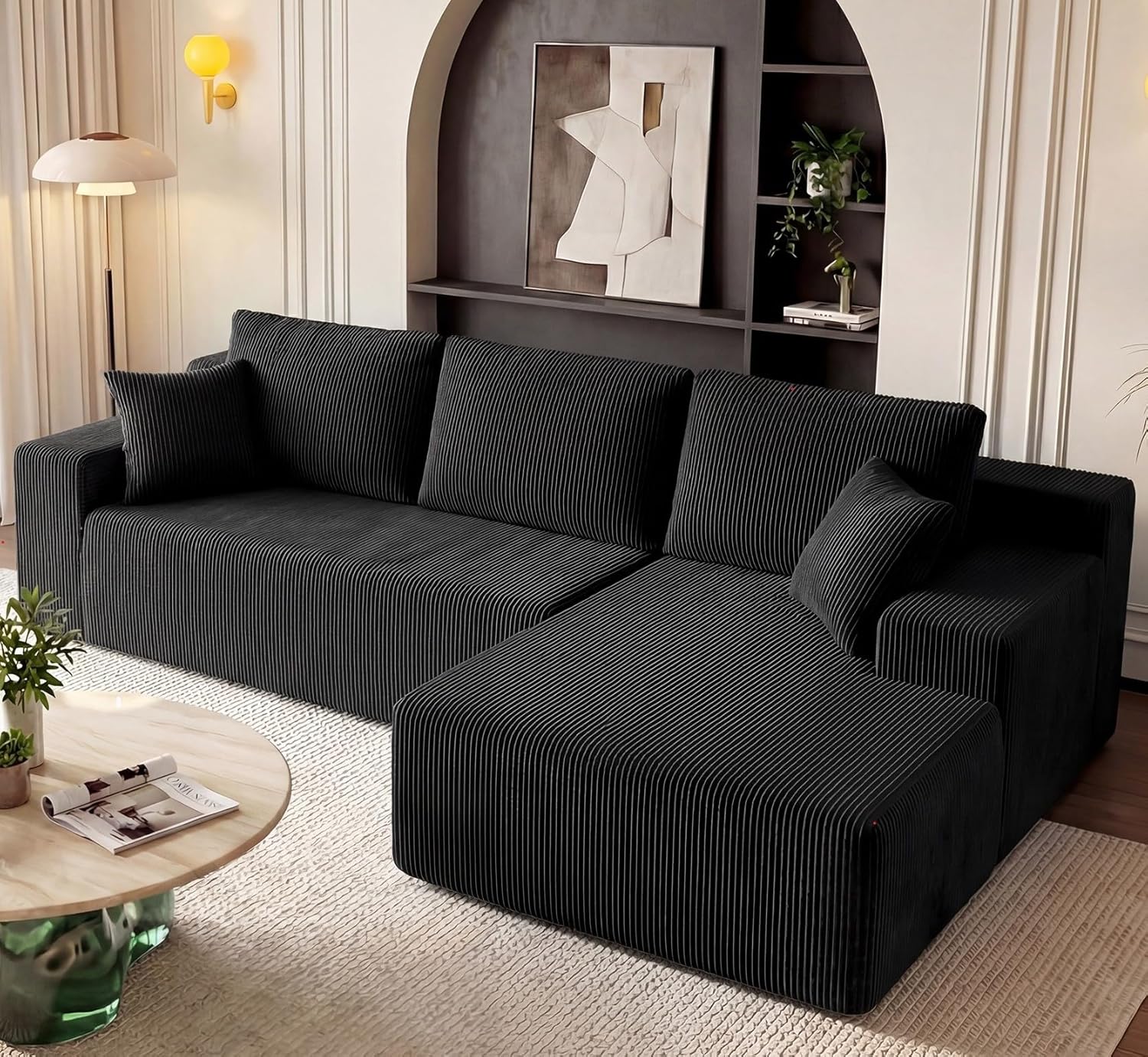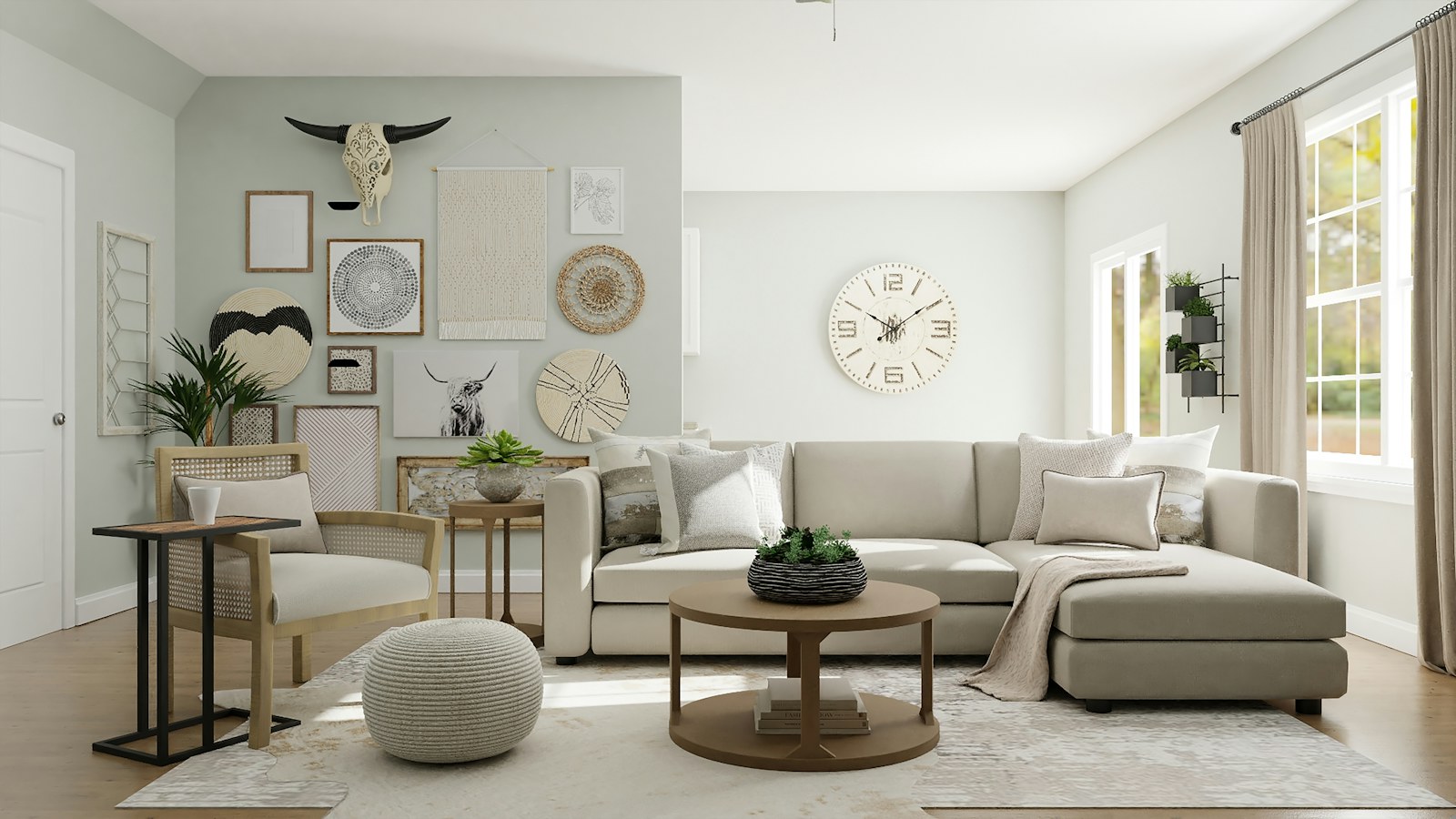
People sometimes organize small homes around hypothetical guests who visit a few nights a year. A room stays underused, a sofa is chosen mainly because it converts, or a closet remains half empty “for company.” That can be a poor trade if the household struggles for space every ordinary day. If you are working on the same space, How to Organize Board Games and Puzzles in a Small Family Home covers the next decision in more detail.
I prefer the opposite approach: optimize the home for the people who live there, then create a compact guest system that can temporarily transform the living room when needed. For a related step-by-step approach, see A Simple Weekly Toy Rotation for a Small Living Room.
Start with the sleeping surface, not decorative guest items
Before buying guest towels, baskets, or a luggage rack, decide where someone will actually sleep. Options may include a sleeper sofa, daybed, foldable mattress, air mattress, or another arrangement appropriate to the home and guest.
Test dimensions with the sleeping surface fully open. Check door swings, pathways, coffee tables, and access to the bathroom.
Do a nighttime floor-plan test
Furniture that works during the day may block circulation at night. Lay painter’s tape or place furniture temporarily to mark the full sleeping footprint.
You should still be able to reach an exit and move safely through the room. A guest bed that technically fits but blocks the entire path is not a good setup.
Create one complete guest bedding kit
Store sheets, pillowcases, blanket, and any mattress protector together. The goal is to avoid searching three closets while a tired guest waits.
A zippered bedding bag, lidded bin, or dedicated shelf can work. Label by bed size so the kit remains useful even months later.
Do not store too many guest linens
A small home rarely needs hotel-level linen inventory. One complete set plus a practical backup for the household may be enough, depending on hosting frequency.
Guest preparedness should not crowd out daily storage.

Give luggage a deliberate parking place
Suitcases are one of the biggest guest-clutter problems because they sit open in the main walkway. Decide where luggage can go: beside a console, under a table, in a cleared closet section, or on a folding rack if space allows.
If possible, ask guests to keep one main bag rather than spreading smaller bags across the room.
Create privacy with cues, not construction
A living room is not a bedroom, but small gestures can create psychological privacy: a folding screen, curtain where appropriate, consistent quiet hours, or an agreement that household members do not enter the room before a certain time. For the broader setup, How to Keep Books and Magazines From Taking Over a Small Living Room is a useful next read.
Behavioral privacy is often more important than decorative separation.
Provide one charging spot
Guests should not have to unplug lamps or crawl behind furniture. Put an accessible power strip or charging station near the sleeping area, used according to product safety guidance.
Keep cords away from the walking path created by the temporary bed.

A tiny guest surface is more useful than elaborate decor
Someone needs a place for glasses, a phone, water, or medication. A side table, stool, or cleared shelf can do the job.
If your normal coffee table must move for the bed, one small movable surface becomes especially useful.
Make the bathroom easy to decode
Guests do not need a spa basket. They need to know which towel is theirs, where toilet paper is, where used towels go, and how the shower works.
Clear function reduces awkwardness more than matching containers.
Plan for morning conversion
The living room cannot remain a bedroom indefinitely if it is the home’s main shared space. Create a reset sequence:
- fold or deflate the sleeping surface,
- put bedding into one temporary basket or designated area,
- restore coffee table/seating,
- move luggage to its parking zone,
- open curtains and restore normal circulation.
If the guest stays several days, bedding can remain bundled neatly rather than being fully laundered and re-stored each morning.
Be realistic about length of stay
A setup comfortable for one or two nights may feel difficult for a week. The longer the visit, the more storage, privacy, work schedules, and bathroom routines matter.
Small-home hospitality improves when expectations are honest.
Do not apologize for the size of the home
A clear, comfortable, thoughtful setup is hospitable even if it is compact. Guests generally benefit more from knowing where to put their belongings and how the morning works than from hearing repeated apologies about square footage.
Children change the equation
If kids use the living room early, plan their morning route before guests arrive. Move favorite toys or breakfast activities to another area temporarily, or set a clear wake-up boundary.
Hosting succeeds when both the guest and the household can function.
What to keep permanently for guests
- one appropriate bedding kit,
- one or two guest towels,
- a spare charging cable only if genuinely useful,
- a small empty drawer/shelf or luggage zone when guests arrive.
You do not need a permanent collection of decorative guest-only products.
If the overnight setup itself is the hard part, How to Turn a Small Living Room Into a Guest Sleeping Area for One Night focuses specifically on the sleep-to-morning transition.
Frequently asked questions
Is a sleeper sofa worth it in a small apartment?
It can be if you host often and the sofa is comfortable for everyday use. Do not accept a poor daily sofa solely for occasional sleeping functionality.
Where should guest bedding be stored?
Keep the complete set together in a labeled bin, bag, closet shelf, or under-bed container that is dry and easy enough to retrieve.
How can guests have privacy in a living room?
Use a screen or curtain where practical, plus clear household quiet hours and expectations about when the shared room becomes active again.
Hospitality is a system, not a spare room
A guest room is convenient, but it is not the definition of being ready for guests. In a small home, a better measure is whether you can create a safe sleeping area, provide basic privacy, handle luggage, and restore the room without chaos. If those four things work, the home can host well without dedicating valuable square footage all year. For the broader setup, How to Create a Homework Station in a Small Home Without a Dedicated Desk is a useful next read.