Not every small home has a guest room. Sometimes the living room has to become one for a night.
The challenge is not only where the guest sleeps. The room still contains family furniture, toys, media, and morning traffic. A good setup creates a temporary guest mode without requiring permanent guest furniture. You may also find How to Make a Small Guest Room Work as Storage Without Feeling Like a Storage Room useful for a closely related small-home problem.
Choose the sleep footprint first
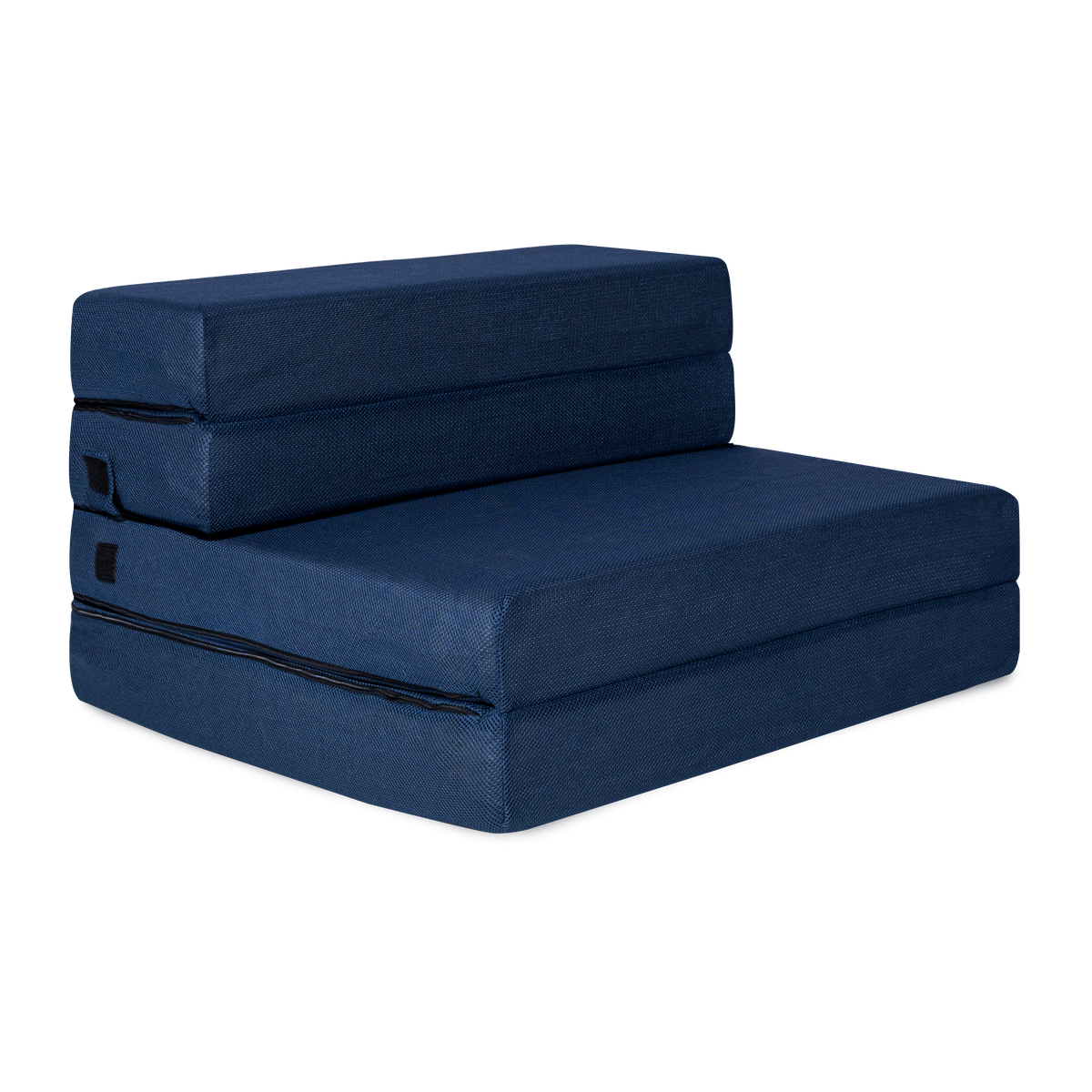
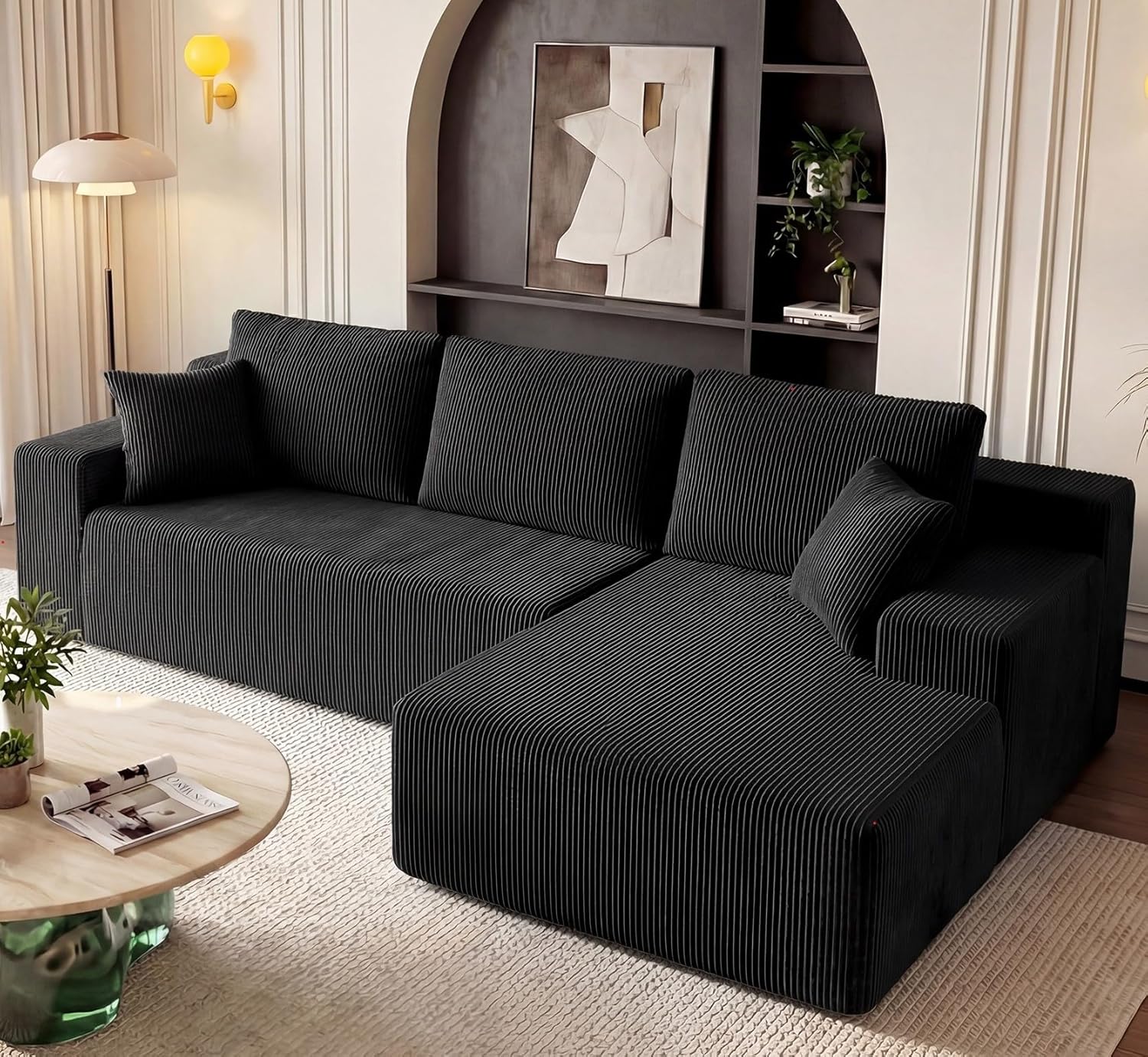
Decide whether the guest will use a sofa, sleeper sofa, air mattress, folding mattress, or another appropriate sleep setup. For the broader setup, How to Organize a Small Linen Closet So Towels and Bedding Actually Fit is a useful next read.
Protect a clear footprint plus a safe path to the bathroom and exit.
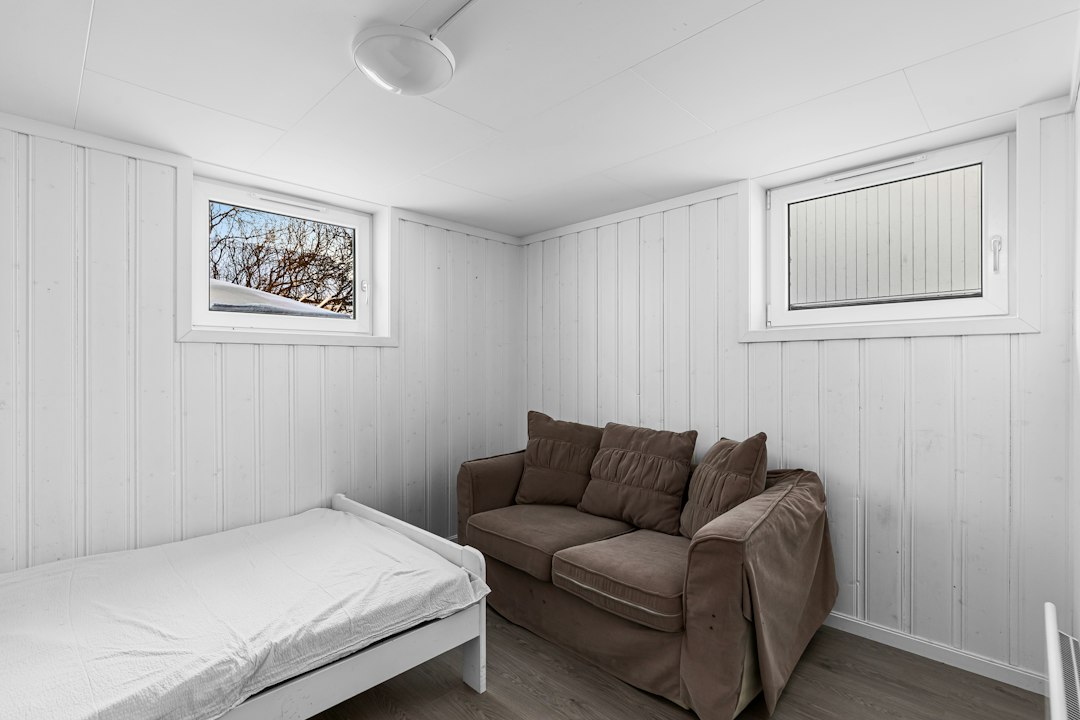
Clear the floor before setting up bedding
Move toys, baskets, coffee tables, floor lamps, and other movable objects only as much as necessary to create a stable sleeping area and circulation. You may also find How to Make a Small Dining Area Work for Meals, Homework, and Crafts useful for a closely related small-home problem.
Keep guest bedding together
Store one complete guest set—sheet, pillowcase, blanket, and towel—so the setup does not require searching several closets.
Create one luggage zone
Give the guest a chair, bench, shelf, or clear floor corner for a bag. Keep luggage out of the walking route and off the sleeping surface.
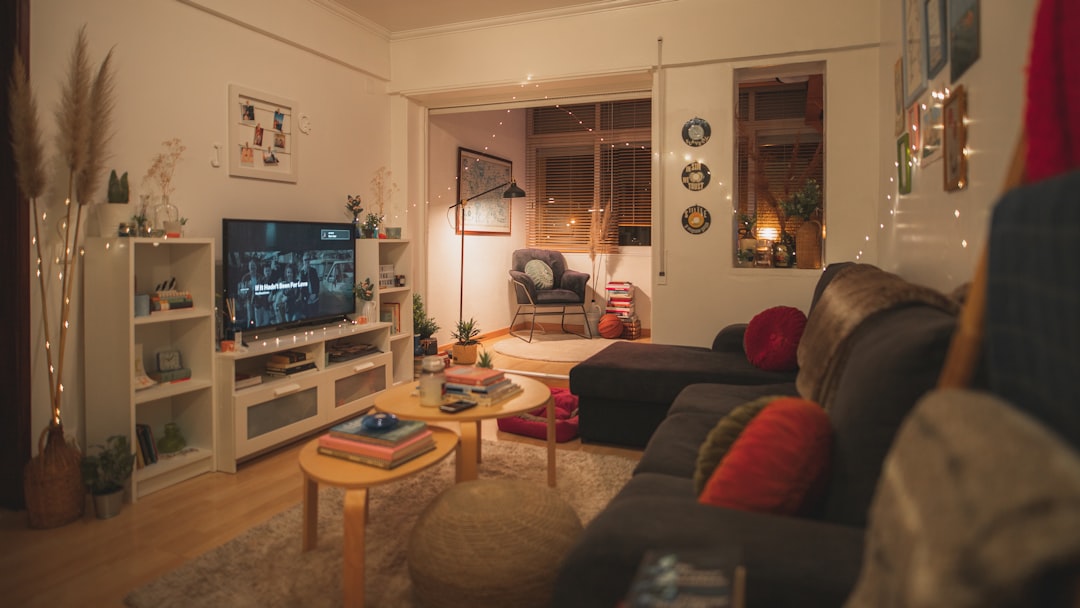
Provide a charging spot
Make one appropriate outlet or charging location available without running a cable across the main floor path.
Use light to signal guest mode
A small lamp or accessible switch is more useful than asking a guest to cross the room in darkness. Keep the nighttime path simple.
Create a little visual privacy
Close curtains or blinds as appropriate, move household items away from the immediate sleep zone, and reduce visual clutter on nearby surfaces. For the broader setup, How to Create a Small Hobby or Craft Zone That Packs Away When You’re Done is a useful next read.
You do not need to build a divider for a one-night stay unless the layout genuinely needs one.
Move morning essentials out of the guest zone
If family members normally search the living room for backpacks, shoes, remotes, or school items at 6:30 a.m., stage those items elsewhere before bedtime.
Keep the bathroom ready too
Provide a towel and enough temporary bathroom space for toiletries. The sleeping setup is only half of overnight guest comfort.
The 15-minute bedtime conversion
- clear the floor and seating zone,
- move the necessary furniture,
- set up the sleep surface,
- add bedding,
- create a bag spot,
- check charging and lighting,
- clear the bathroom path.
The 10-minute morning reset
- fold or remove bedding,
- deflate/fold temporary sleep equipment if appropriate,
- return the coffee table or chairs,
- clear the guest bag zone after departure,
- restore toy and family storage,
- reopen the normal floor path.
If guests stay more than one night
Create a slightly more stable luggage and toiletry zone so the room does not need complete conversion every morning.
If you host often
Frequent hosting may justify a sleeper sofa, folding mattress, or other dual-purpose solution—but only after measuring the everyday footprint.
For broader guest preparation
Use How to Declutter a Small Home Before Overnight Guests Arrive.
Frequently asked questions
Do I need a sleeper sofa?
No. Use the sleep setup that safely fits your room, storage, and frequency of guests.
Where should guest bedding live?
Keep one complete guest set together in low-frequency storage so setup is fast.
How do I make the living room feel private?
Reduce nearby household clutter, close window coverings, provide lighting, and keep family traffic out of the immediate sleep zone.
Guest mode can be temporary
A small living room does not need to look like a guest room all year. Protect one sleeping footprint, keep the setup portable, and build a morning reset that gives the room back to the family quickly.