One backpack is easy to ignore. Three backpacks can take over an entryway.
They come with lunchboxes, school papers, water bottles, jackets, library books, and activity gear. A small home needs a station that separates ownership from shared household flow.
Test one complete arrival before choosing the station
Use the actual bags, their ordinary contents and the people returning them. Check the available location with the door moving and someone passing. A hook’s suitable mounting and load, a cubby’s usable opening and a child’s reach are separate checks; do not choose from the bag’s empty size alone.
| Arrival item | Next home | Return step |
|---|---|---|
| Backpack | That child’s identified bag position | Return it after its contents have been processed |
| Paper needing adult action | The household’s action-paper location | Return completed material to the correct child’s bag when required |
| Lunch container or bottle | The kitchen’s appropriate care route | Repack only after the required care and preparation are complete |
| Borrowed book or activity item | Its named reading, care or outbound destination | Associate the next departure with the correct child |
Hanging a bag is the start of the handoff, not proof that it is ready for tomorrow. Keep the entry station focused on bags while paper, food containers and wet clothing move to their own routines.
Use the whole-entry transfer plan for the surrounding space. The library return system keeps borrowed copies distinct from other school materials.
Limit shoes at the station
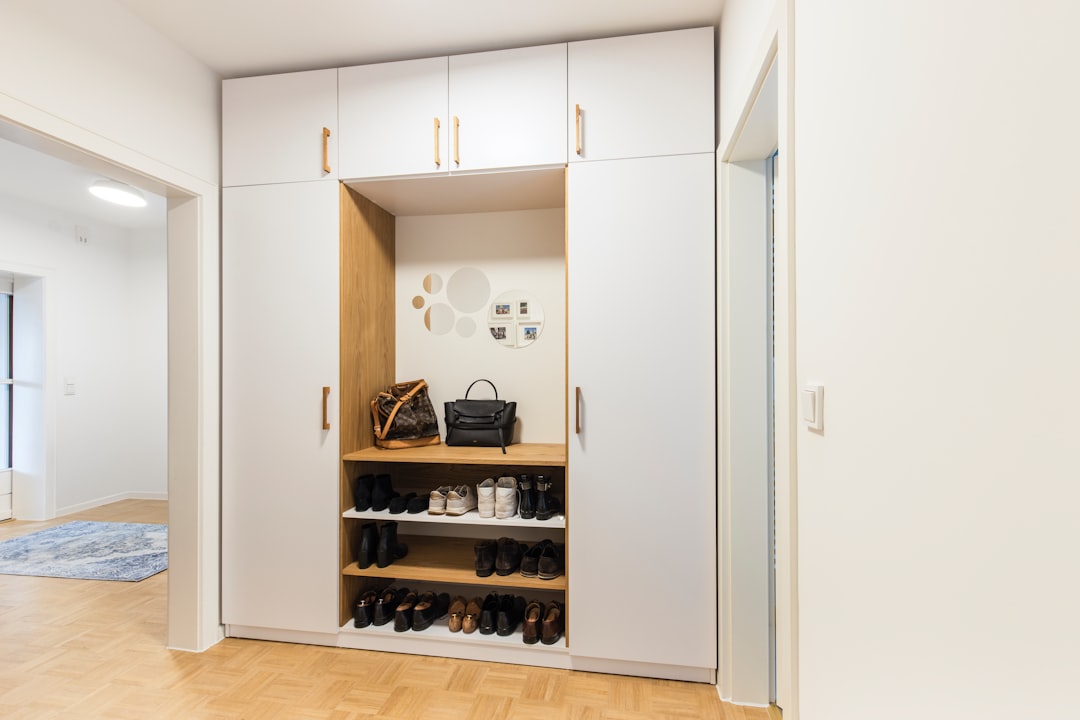
Keep only current-use pairs near the backpacks. Too many shoes make the whole station feel larger than it is.
Add one shared “out tomorrow” spot
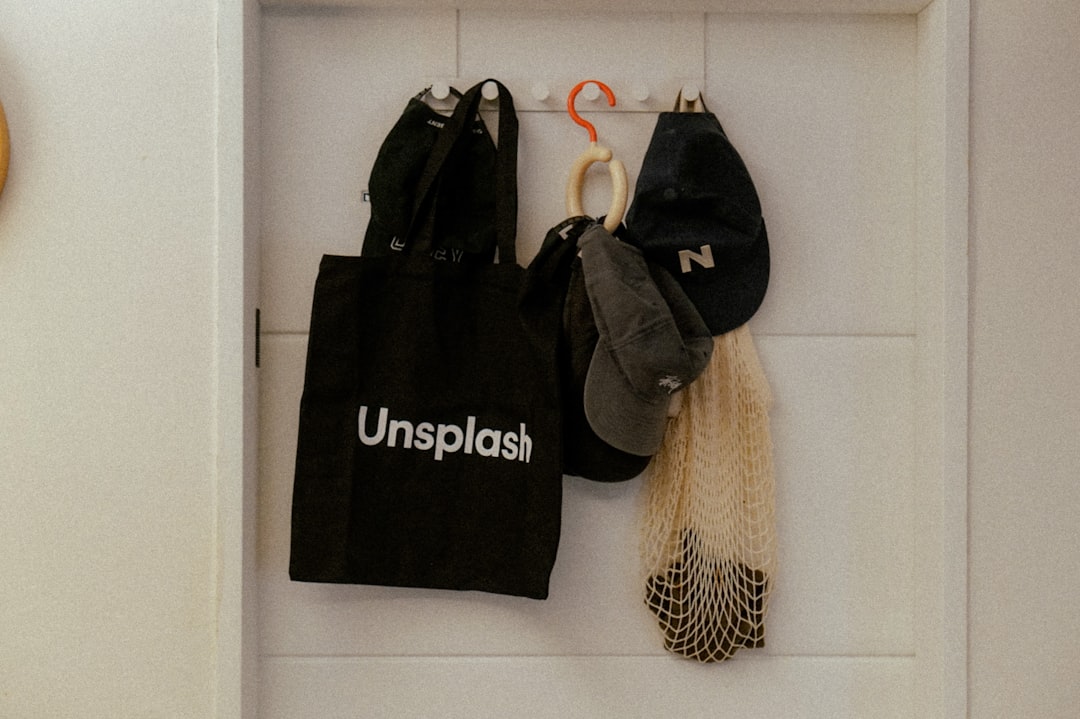
Library books, sports forms, show-and-tell items, or returns can use one outbound basket as long as each item is clearly associated with a child.
Use labels only where confusion happens
Names or colors can help on hooks and paper pockets, but avoid labeling every object in the station.
Check tomorrow’s departure after the handoffs
- Check the actual next-day plan and any school or organizer instructions.
- Confirm each bag and its required ordinary contents.
- Finish paper actions and identify anything still waiting on an adult.
- Check lunch gear and other preparations through their own appropriate routines.
- Stage ready outbound items without blocking the route.
Assign unresolved steps explicitly. A five-minute timer can prompt the check, but it cannot make unfinished laundry, food preparation or a missing form complete.
Pair it with the morning launch routine
Use A Small-Home Morning Launch Routine for Families Who Are Always Looking for Something.
Frequently asked questions
Should backpacks hang or sit in cubbies?
Either works if the child can use it independently and the bags do not block circulation.
What if there is no entryway?
Use a narrow wall, the side of a cabinet, or another defined landing zone near departure.
How do I keep siblings’ items separate?
Give each bag a clear owner while routing shared categories like papers and lunch gear to household systems.
Make the station about leaving tomorrow
A good backpack station is not a school-storage wall. It is a compact launch point that helps every child leave with the right bag and fewer last-minute searches.