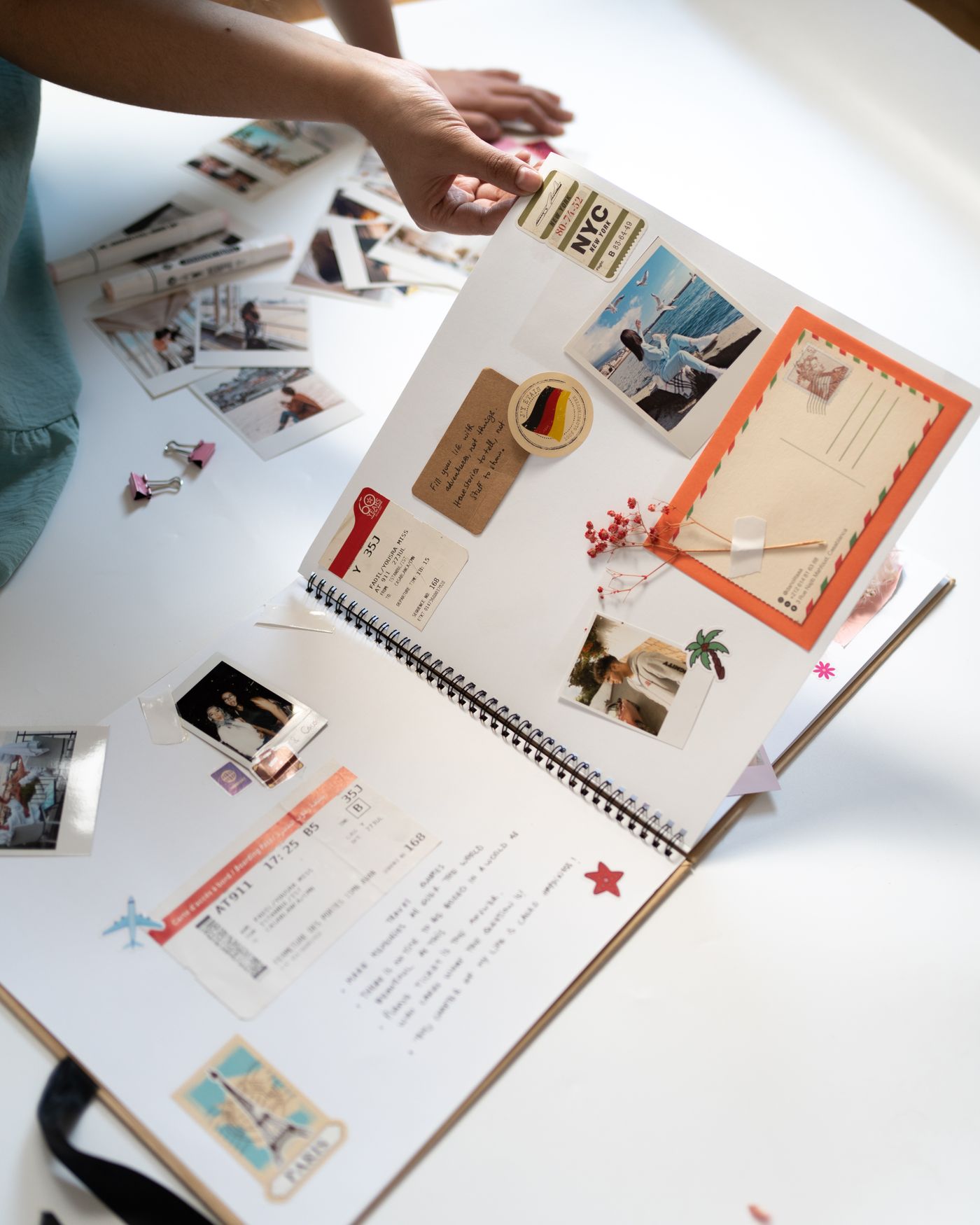
A family memory journal can be much smaller than a scrapbook station. A few dated words, an ordinary photograph, or a note about something funny can preserve a moment without requiring a box of supplies and a large table. The bedroom version works when the notebook closes easily and the room can return to rest.
Etsy’s spring and summer 2026 report includes an analog memory-keeping direction called Dear Diary. Those marketplace observations are an earlier signal, not current October search-volume data for bedroom journals. This guide turns the idea into a limited family routine with a clear difference between shared memories and private writing.
Decide what the journal is for
Choose one modest purpose: a shared account of ordinary family moments, a record of visits, or a short collection of memories from the year. Do not combine family schedules, bills, school records, private diaries, and keepsakes in the same notebook. A journal that has to perform every paper-related job becomes difficult to open casually.
Agree on who may add to it and who may read it. If the notebook is shared, keep that expectation explicit. A private diary remains private even if it sits near the family journal or uses similar supplies. No one should have to surrender personal writing in order to participate in a family memory activity.
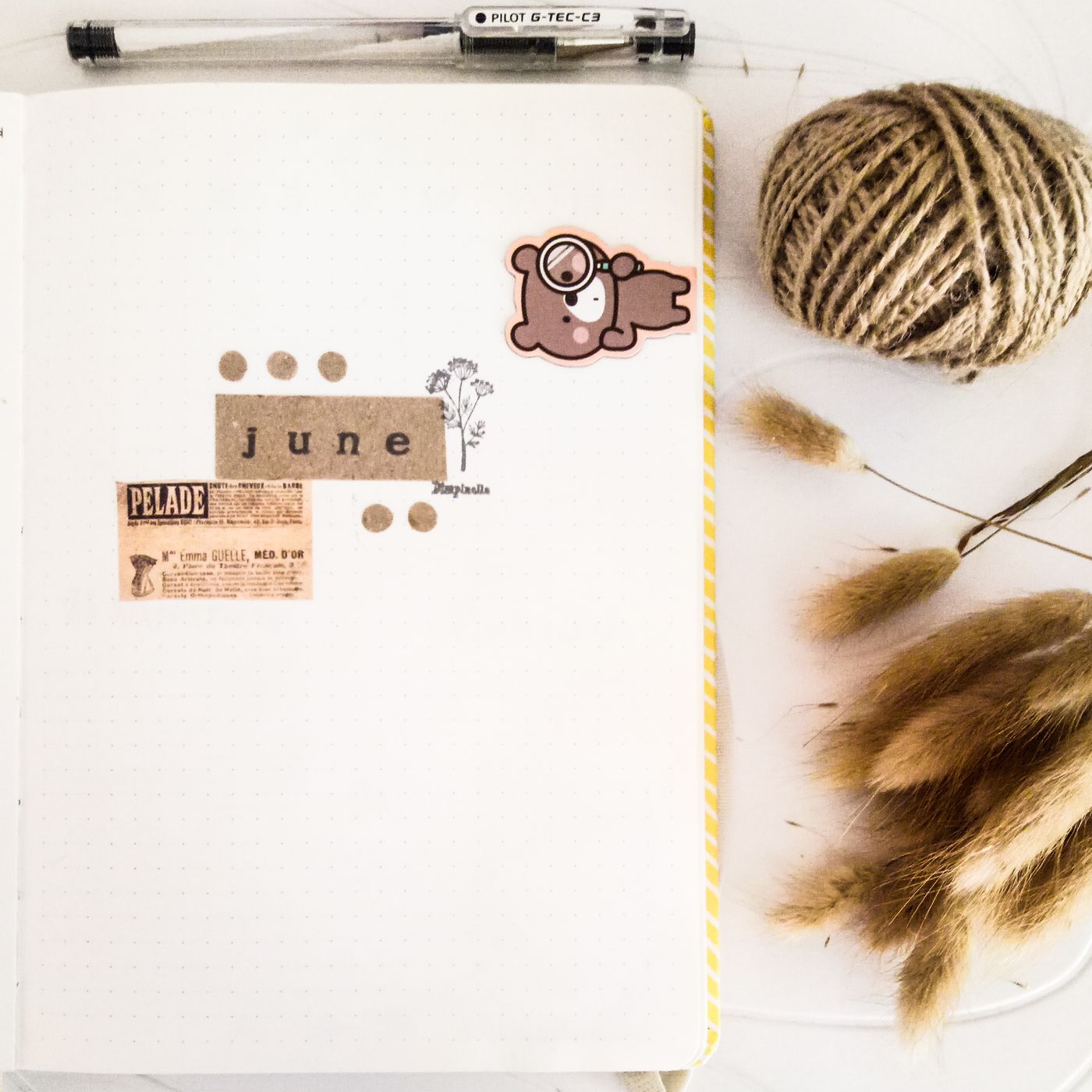
Pick a notebook already available if it suits the task. You do not need to buy a decorative cover before writing the first entry. Look for pages that accept the intended pen and enough room to open comfortably. A highly embellished notebook can be enjoyable, but the routine should work even when the cover is plain.
Choose entries small enough to finish
Use a date and one brief moment. An entry might describe a shared meal, a child’s remark they agree to include, or a detail from a visit. It does not need to summarize the whole day. A small complete entry is more useful than a beautiful page that remains unfinished because it needs several additional materials.
Let different people contribute in different ways. One person may write, another may draw, and another may dictate a line with permission. Avoid treating the journal as a test of handwriting or decorating ability. The contribution should preserve a chosen memory rather than compare the family members’ creative work.
If nobody has a moment to add, leave the notebook closed. A memory routine does not have to become a daily obligation. Choose an interval that fits the household, or simply use it after something you want to remember. The important part is completing and putting away the entry when you do use it.
Keep the bedroom kit deliberately small
Begin with the journal and one dependable pen. Add a small flat envelope only if loose items regularly need a temporary place. Avoid collecting an assortment of stamps, stickers, cutters, and decorative paper before you know that anyone wants to use them. The bedroom should not acquire the whole craft collection by default.
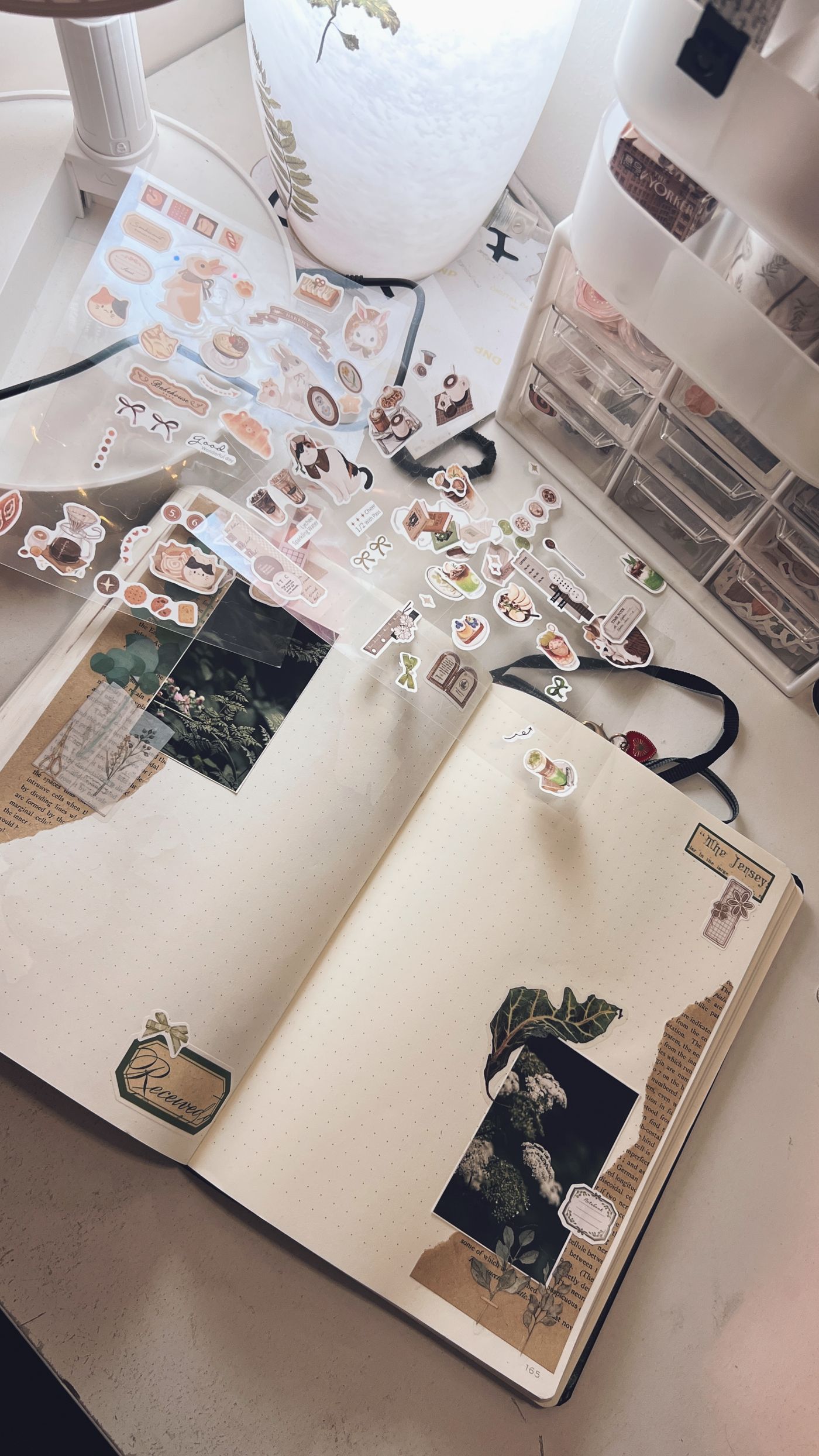
Choose an existing drawer or shelf position where the closed notebook fits. Keep it away from the daily path of water glasses, cosmetics, and other items that could spill. If it rests on a bedside surface during writing, return it afterward rather than letting each finished entry permanently claim more of that surface.
For any adhesive or photographic material, use a product suited to the intended item and follow its directions. Do not assume an ordinary glue or tape is suitable for something valuable or intended for long-term preservation. You can write a reference to a photograph stored elsewhere instead of attaching the original to the page.
Separate a memory from its physical evidence
A receipt, ticket, or leaf may prompt a useful entry without needing to remain in the journal. Write the memory and decide separately whether the object deserves storage. A notebook can become bulky very quickly if every experience contributes another physical layer between the pages.
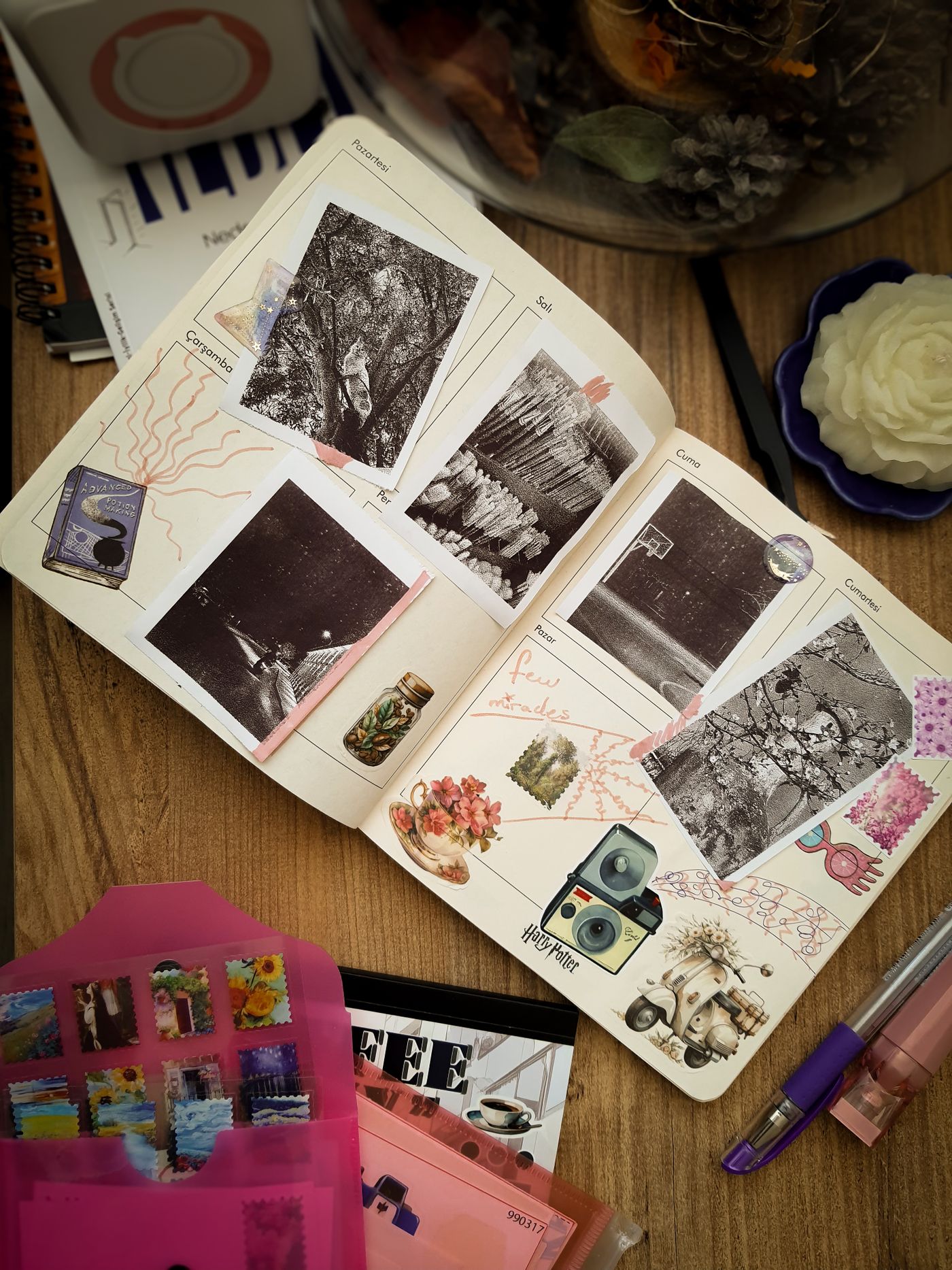
Use a photograph or brief description for bulky objects where that is sufficient for the family. If the original matters, store it in the appropriate keepsake location and add a reference. Our family photograph and keepsake guide helps give those objects their own bounded home, while the journal remains easy to close and handle.
Do not use the family journal as the only location for important records. A ticket number, financial receipt, or school document may have a practical retention purpose that belongs in another system. The entry can remember the occasion without replacing the document’s normal storage and privacy requirements.
Ask before including somebody else’s story
Check whether a family member wants a particular moment written down and shared. A remark that seems funny to one person may feel embarrassing to another. Keep sensitive health, school, relationship, or personal information out of a casual shared notebook unless everyone concerned agrees to the intended audience and purpose.
If a child contributes, explain who will be able to read the page. Do not promise privacy for an item you later intend to show visitors. You can keep a shared page, a private note, and a blank page as equally valid options. The journal should support a voluntary family activity, not create an unexpected record someone regrets.
Remember visitors and other people outside the household. A memory about a shared occasion may include them, but their contact details or private message do not need to be reproduced. Keep the account focused on the moment you are recording and avoid collecting unnecessary personal information.
Close the session in a repeatable order
Complete the brief entry, let the ink or other material reach the condition required for handling, and remove the loose supplies. Put any undecided item into the one temporary envelope if you use one. Return the notebook to its agreed place. This closing routine should be shorter than the writing session itself.
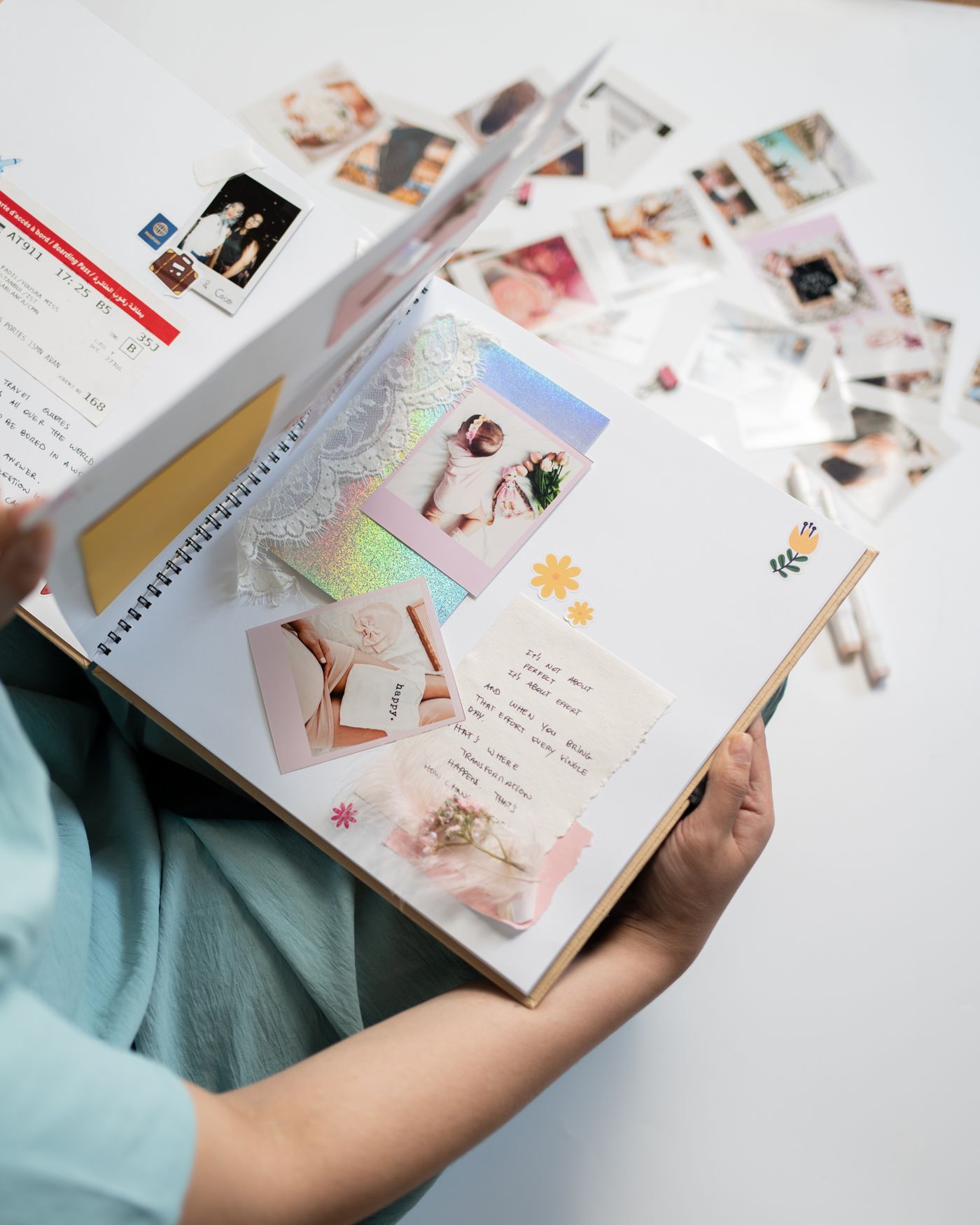
Do not leave scissors, glue, or other small tools beside the bed because another entry might happen tomorrow. Those tools belong in their suitable household storage, especially where children or pets can reach the surface. The journal can stay accessible without leaving a full activity setup open.
Our unfinished-jigsaw storage guide covers another family activity that needs a pause state. The journal’s pause is simpler: the page is complete and the notebook closes. Avoid importing a project-storage system when the activity does not need one.
Review the temporary envelope, not every old page
If you keep an envelope for undecided items, review it when it reaches a small agreed limit. Add the chosen memory, transfer a meaningful original, or release the item through the household’s ordinary process. Do not let a one-envelope pause become several unexamined bags under the bed.
Completed pages can remain as they are. You do not need to continually improve them to match new stationery or social-media examples. The appeal of the journal is that it records the people and moments from that time. Reworking everything can turn memory keeping into an endless decorating project.
When a notebook is full, date its range and choose a storage position before starting another. Make sure the earlier volume can be found without pulling apart the bedroom. Our family-paperwork guide helps keep practical records separate, so a memory shelf does not become the default destination for every document in the home.
Keep the habit if it feels useful
Try a few short sessions and ask whether anyone enjoys returning to the pages. If the answer is yes, retain the simplest version that supports that enjoyment. Add another tool only when a real repeated need appears. If the journal is not used, changing the container or buying more decoration is unlikely to create the missing interest.
A workable family memory journal preserves selected moments while respecting the room and the people in it. The kit remains small, participation stays voluntary, and private writing remains separate. The bedroom then holds a notebook you can revisit, rather than an activity station that never reaches the end of its cleanup.
Explore related household decisions in our Family Home hub.
Sources and editorial scope
Editorial research checked October 14, 2026. Trend-report dates and limitations are stated in the article; these are editorial applications of published signals, not verified October keyword rankings. Practical household guidance; illustrations do not document a tested household or authenticate a pictured material.