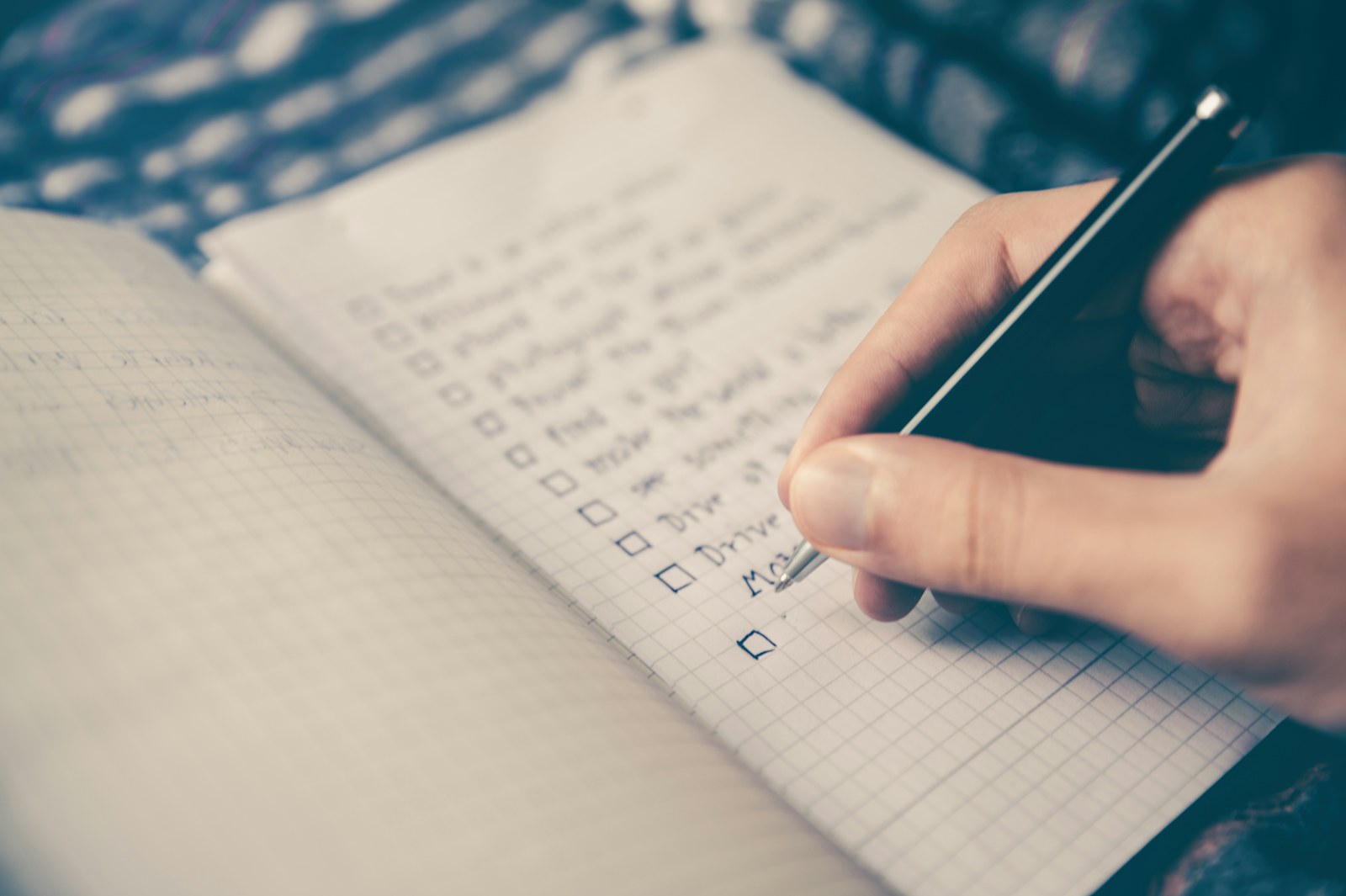
Paper clutter has a strange ability to look harmless until it is everywhere. One school form sits on the counter. A receipt waits in a bag. A bill comes in the mail. A warranty booklet stays beside the appliance. Then a week later the dining table has become a waiting room for documents. For the broader setup, How to Handle Mail, Packages, and Returns in a Small Entryway is a useful next read.
The instinct is to buy folders. But most loose paper is not yet ready to be filed. It is waiting for a decision. That is why small homes need a paper-processing system before they need a filing system.
Give incoming paper one first destination
Mail, school forms, receipts, and handouts should not land in different rooms. Create one small inbox near the household landing zone or wherever paper naturally enters. For a related step-by-step approach, see How to Create a Family Command Center in a Small Home Without Taking Over a Wall.
Keep it deliberately small. A deep basket can hide weeks of unresolved decisions. A narrow tray or wall pocket creates pressure to process before overflow.
Do the easy exits immediately
Some paper does not need to enter the system at all. Recycle obvious junk mail, outer envelopes you do not need, expired flyers, and redundant inserts as soon as they arrive.
The fastest filing method is not keeping the paper.
Use three active categories
Most current household paper can be sorted into:
- Act: sign, pay, call, return, schedule.
- Reference soon: current school calendar, event details, temporary instructions.
- File/retain: records that need longer storage.
Do not create fifteen action folders unless your household actually needs them. Broad categories are easier to maintain.

Keep action papers visible enough to create action
A perfectly hidden bill can become an overdue bill. Active papers should live in a place you review predictably, even if that means a slim file on a desk rather than a beautiful closed archive box.
The goal is not to make paperwork invisible. It is to make the next step obvious.
Attach a due date when the paper creates one
If a form must be returned Friday, put the date on the calendar or task system immediately. Then the paper can wait in the action folder without carrying the entire responsibility itself.
This separates the reminder from the physical document.
School papers need their own short loop
School paper volume can overwhelm general mail. Create a clear route: backpack → parent action → return folder or archive decision. You may also find Sunday Reset vs. Nightly Prep vs. Morning Launch: What Keeps a School Week Running? useful for a closely related small-home problem.
Current worksheets and notices should not live indefinitely in the entryway. If a paper belongs back at school, return it to the backpack as soon as the action is complete.
Do not save every worksheet as a record
Some schoolwork is meaningful; much of it is practice. Choose representative work for the child’s long-term memory box and let ordinary completed sheets leave.
This complements a bounded kids’ artwork system rather than creating a second unlimited paper archive.
Receipts need a reason to survive
Keep receipts that support returns, reimbursements, warranties, taxes, expense records, or another real purpose. Routine low-value receipts with no future role do not need a permanent file. For the broader setup, A Small-Home Morning Launch Routine for Families Who Are Always Looking for Something is a useful next read.
If the receipt is needed temporarily, attach it to the related item or place it in a short-term receipt envelope with a review date.
Long-term files should be boring and small
You do not need a giant filing cabinet just because offices use one. Keep only records your household needs to retain, using categories broad enough to navigate.
Store important records according to appropriate legal, financial, privacy, and security requirements for your situation. The organizing principle is to keep long-term archives out of prime daily space.
Digitize selectively
Scanning is useful when it improves retrieval, backup, or portability. It is not automatically useful if you scan hundreds of papers into a digital folder nobody can search.
Use clear filenames and a small folder structure. If the digital version meets your needs and you are permitted to discard the original, remove the paper rather than keeping both by default.
Do not use the refrigerator as a full paperwork system
A few current reminders can be useful on the fridge, but a wall of school forms, coupons, calendars, appointment cards, and artwork becomes visual background.
Keep only what must be visible this week and move the rest into the appropriate system.
Warranties and manuals should follow the product
Paper manuals for current appliances can live in one home-maintenance file if you actually refer to them. Many instructions are available digitally, but retain any documentation important for warranty, service, or ownership.
When the product leaves the home, review its paperwork immediately.
Create a secure discard route
Some documents contain personal or financial information and may require shredding or another secure disposal method. Keep a small secure-discard container and empty it regularly rather than letting sensitive paper pile beside the shredder.
Set one weekly paper appointment
Ten to twenty minutes is often enough:
- empty the incoming tray,
- complete fast actions,
- calendar deadlines,
- return school forms to bags,
- file true records,
- recycle or securely discard the rest.
The weekly rhythm matters more than a sophisticated filing cabinet.

Keep the filing tools where processing happens
A pen, stamps if used, envelopes, labels, and shred bag should be close to the paper station. If every action requires searching another room, the pile grows.
Use the landing zone only as intake
The entryway can collect mail for a day, but it should not become the family archive. The system in The Daily Landing Zone works because paper has a next step.
Explore this topic
Browse more practical guidance in the Home Organization hub. Room focus: Entryway.
Related published guides
- A 15-Minute Weekly Paper and Bill Reset for a Small Home
- How to Build a Home Binder System That Actually Works in a Small Space
Frequently asked questions
How much paperwork should I keep at home?
Keep documents that have a real legal, financial, administrative, sentimental, or practical purpose. Retention requirements vary, so use appropriate professional or official guidance for important records.
Should I scan all my household documents?
No. Digitize when it improves access or backup. Scanning everything without a retrieval system simply replaces physical clutter with digital clutter.
How do I stop mail from piling on the kitchen counter?
Give incoming paper one small inbox outside the prep surface and process it on a predictable weekly schedule.

Paper should move through the home, not settle into it
Most household paper is temporary. It enters, asks for a decision, and should either leave or move into a small archive. When you separate action from long-term storage, the kitchen counter stops functioning as a filing cabinet and the home no longer needs a massive paper-storage solution.
