Sports gear rarely stays in one category. Shoes land by the door. Uniforms enter the laundry. Water bottles end up in the kitchen. Balls roll under furniture. The activity bag sits wherever someone dropped it after practice.
A small home needs a sports system built around movement, not a giant equipment closet.
Start with the “after practice” sequence
Think about what happens in the first five minutes after coming home.
- What needs to dry?
- What needs laundry?
- What needs refilling?
- What stays in the bag?
- What is used again tomorrow?
Your drop zone should support those actions in order.
Give the active bag one hook or parking spot
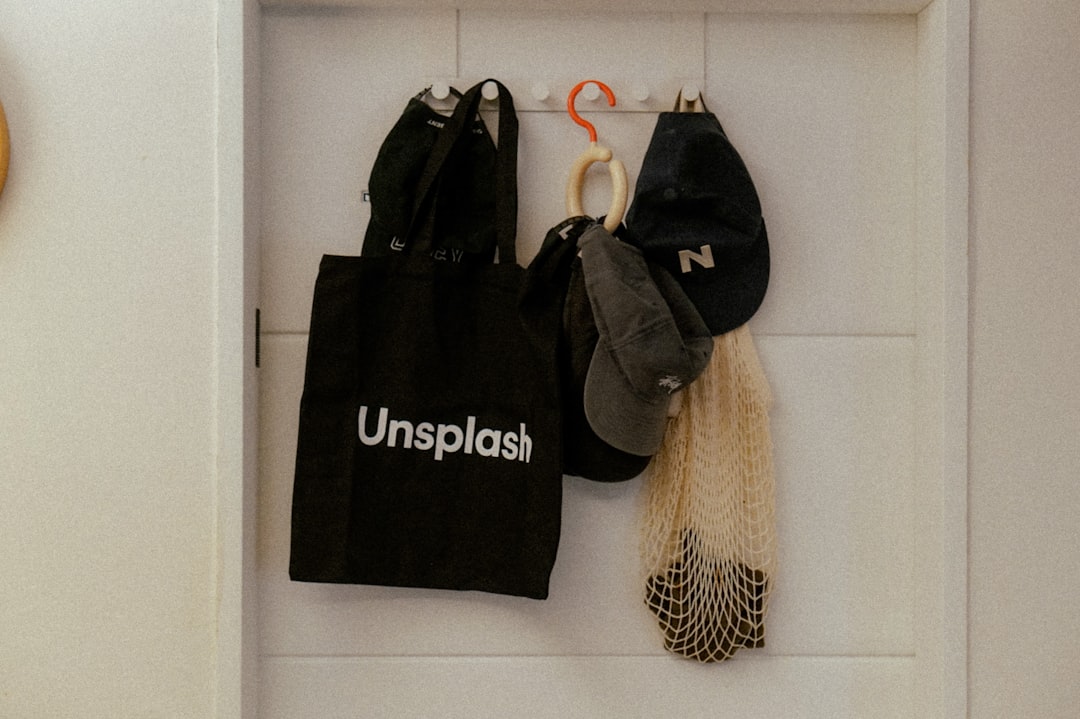
The bag itself is the center of the system. Keep it near the exit if the activity happens several times a week.
Do not empty everything into the entryway; only remove items that need a separate action.
Separate wet and dirty immediately
Sweaty uniforms, socks, and damp towels should move into the laundry route. Wet shoes or gear should dry appropriately before enclosed storage. For the broader setup, How to Move Into a Smaller Home Without Re-Creating Your Old Clutter is a useful next read.
This prevents the drop zone from becoming a sealed bag of yesterday’s practice.
Use one small shoe or cleat zone
Give activity shoes a washable tray, mat, or fixed floor footprint. Keep only current-season pairs there.
Contain balls by shape, not by perfection
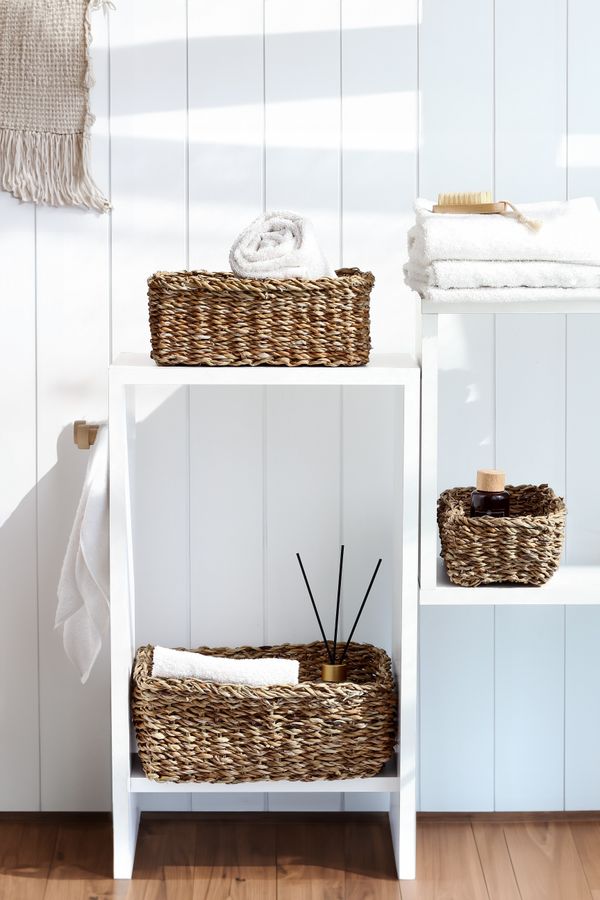
Use one open basket, vertical bin, or corner holder for balls. The container only needs to stop them rolling through the house.
Give small gear one pocket
Gloves, shin guards, goggles, wraps, or small accessories need one pouch or basket. Store them with the activity bag whenever practical so they leave the house together. For a related step-by-step approach, see What to Keep in a Small Bathroom—and What to Store Somewhere Else.
Water bottles need a kitchen loop
Do not store used bottles permanently in sports bags. Bring them to the kitchen, wash them according to their care instructions, and return them to the bag or staging area when clean. You may also find How to Organize a Home So Kids Can Put Their Own Things Away useful for a closely related small-home problem.
Create a “next practice” checkpoint
The night before, check:
- uniform clean,
- shoes dry,
- water bottle ready,
- small gear returned,
- bag packed,
- special equipment by the exit.
Keep off-season sports gear out of the drop zone
The entryway should support current activities, not every sport the family has ever tried. Move inactive gear to seasonal storage.
Use child-height storage where it helps
If children are expected to reset their gear, active hooks and bins should be accessible enough to use independently.
For the larger entryway system, see A Small Entryway System for Backpacks, Shoes, Coats, and School Papers.
The five-minute post-practice reset
- bag to hook,
- dirty clothes to laundry,
- wet items to drying zone,
- water bottle to kitchen,
- small gear back to pouch,
- shoes to tray.
Frequently asked questions
Where should sports gear go if there is no mudroom?
Use a small zone near the door or the child’s room, then route laundry, bottles, and wet items to the places where those tasks happen. For a related step-by-step approach, see How to Create a Calm Living Room When Kids Use It All Day.
How do I stop the entryway from filling with gear?
Keep only current-season equipment in the drop zone and use one footprint per bag/shoe category.
Should each child have a separate sports bin?
Separate ownership helps when activities overlap. A bag-specific hook plus one shared ball bin may be enough.
The drop zone should launch the next practice
A good sports system does more than catch gear. It gets dirty items into laundry, wet items drying, bottles washed, and the next practice bag ready to leave again.