A small bathroom can feel crowded even when every shelf is technically organized. The bigger issue is often that the room is storing too many categories simply because they are “bathroom related.” For the broader setup, How to Make a Small Rental Kitchen Work When You Can’t Add More Cabinets is a useful next read.
You do not need to keep every towel, backup bottle, medicine, beauty tool, cleaning product, and bulk purchase in the same tiny room.
A useful rule is: the bathroom should store what supports the next few days of bathroom use—not the entire household supply.
Keep: daily personal-care items
Toothbrushes, toothpaste, daily skincare, deodorant, and the grooming tools used most mornings deserve the easiest access.
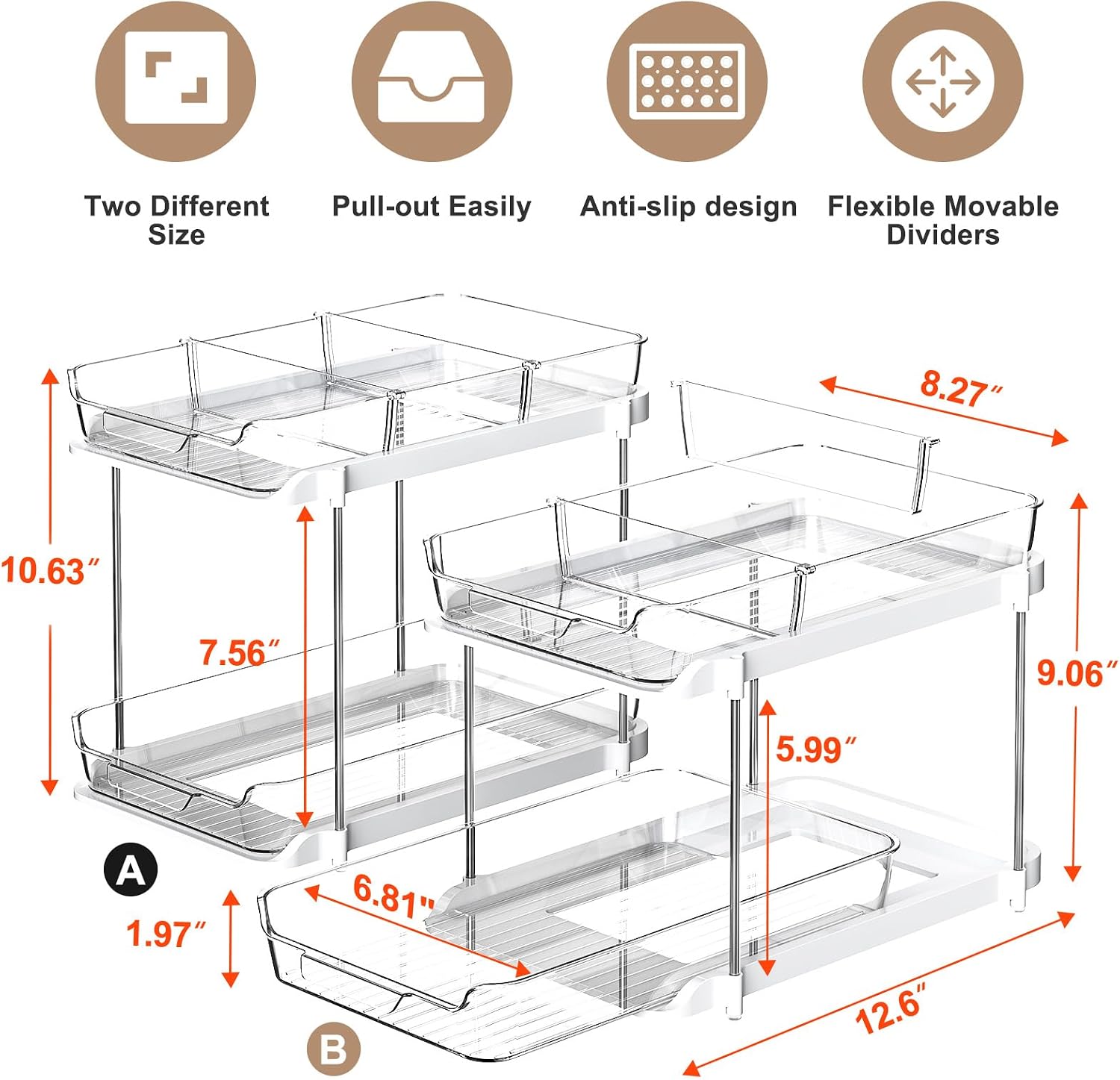
Give them one clear zone: a drawer, caddy, small shelf, or limited counter tray.
Keep: one set of shared essentials
Hand soap, toilet paper, and the shared products the household actually uses should stay nearby. Keep enough to prevent inconvenience, but avoid turning the room into a stockroom. You may also find How to Move Into a Smaller Home Without Re-Creating Your Old Clutter useful for a closely related small-home problem.
Keep selectively: cleaning supplies
A toilet brush or one bathroom-specific cleaner may make sense in the room if safely stored and used often. The full household cleaning collection usually does not.
Store products according to their labels and household safety needs.
Move elsewhere: bulk backstock
Large packs of toilet paper, multiple shampoo refills, boxes of soap, and unopened cosmetics consume prime storage before they are needed. You may also find How to Downsize Before Moving Into a Smaller Home useful for a closely related small-home problem.
Keep one backup if that helps your routine, then store the rest in a household backstock zone.
Move elsewhere: guest towels and beach towels
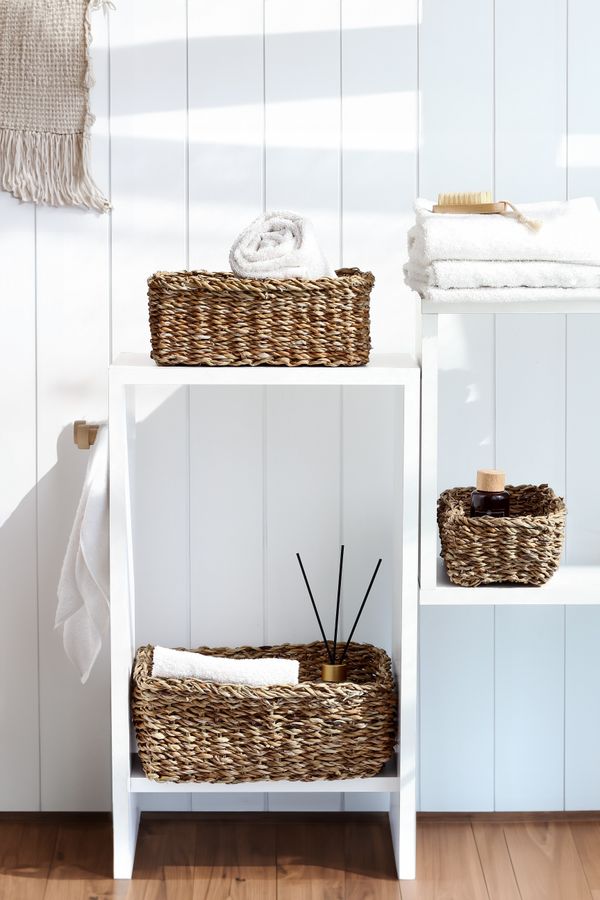
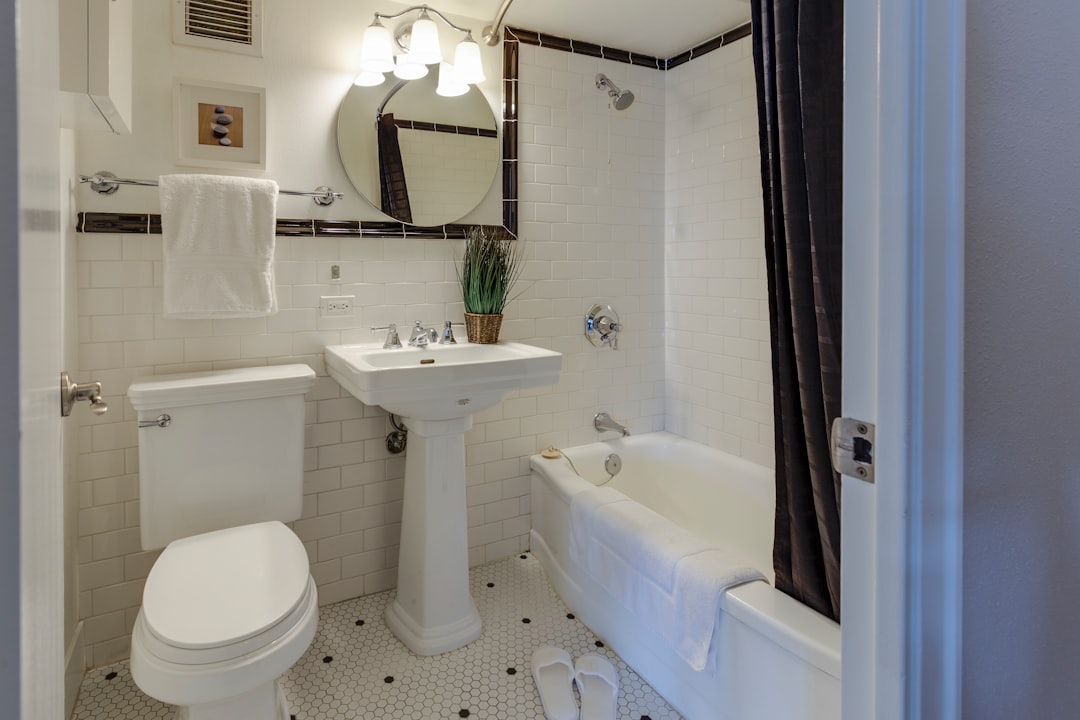
Keep active bath towels close. Store guest sets and outdoor towels in a bedroom closet, storage bench, under-bed bin, or another low-frequency textile area. If you are working on the same space, How to Store Extra Bedding in a Small Home With No Linen Closet covers the next decision in more detail.
See How to Store Towels in a Small Bathroom With No Linen Closet.
Move elsewhere: rarely used beauty tools
Curling tools, specialty styling devices, manicure kits, and travel items do not need prime sink storage if they are used only occasionally.
Keep daily tools accessible and move the rest to personal storage.
Move elsewhere: travel toiletries
Travel-size items often sit untouched for months. Keep them in one travel kit outside the daily bathroom zone.
Use judgment with medicines
Follow medication labels and pharmacist/manufacturer storage instructions. A bathroom is not automatically the right storage location for every medication because temperature and humidity can vary.
Use judgment with first-aid supplies
Keep frequently needed, appropriately stored first-aid items where the household can find them easily. The bathroom is one option, but it is not mandatory.
Keep one active product per routine when possible
Three open shampoos, four half-used moisturizers, and several duplicate grooming products make the room feel fuller than the storage itself.
Finish, discard appropriately, or relocate duplicates before adding organizers.
Use the “next seven days” test
Ask of each category: Will someone realistically use this in the next week?
If not, it may belong in secondary storage instead of the bathroom’s most accessible zone.
The ten-minute bathroom inventory reset
- clear obvious trash and empties,
- pull unopened backups together,
- separate guest/seasonal textiles,
- move rarely used tools out,
- return daily products to one clear zone,
- leave some visible space around the sink.
Pair inventory control with daily maintenance
Once the room stores less, cleaning gets easier. Use How to Keep a Small Bathroom Clean Between Deep Cleans for the maintenance loop.
Frequently asked questions
Should toilet paper be stored in the bathroom?
Keep enough nearby for normal use, but large bulk packs can live elsewhere if bathroom space is limited.
Should makeup stay in the bathroom?
That depends on the product instructions, humidity, and your routine. Daily makeup can live there if appropriate; infrequent items may fit better in personal storage.
What should be on the bathroom counter?
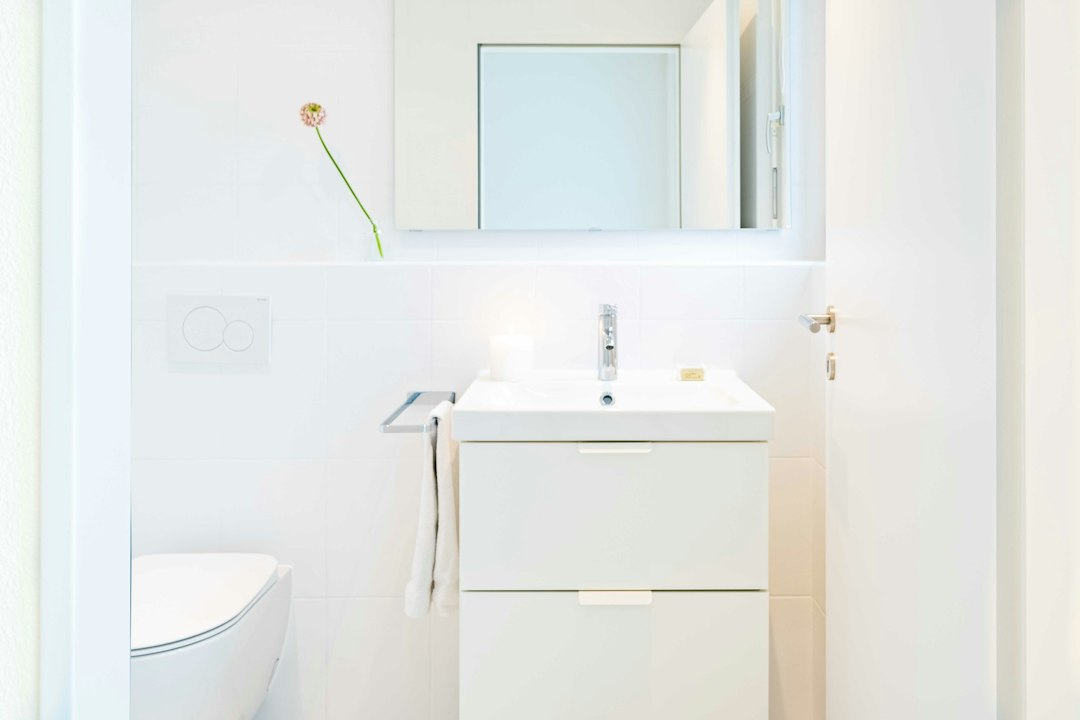
Only the few items that benefit from immediate access. Keep the rest contained so the sink remains easy to use and clean.
A bathroom works better when it stops acting like a warehouse
Keep the room focused on daily routines, shared essentials, and a small practical backup. Everything else can live somewhere that does not compete with the sink, towels, and morning traffic.
Sources
- U.S. Food and Drug Administration — Safe Use of Medicines — https://www.fda.gov/consumers/consumer-updates/where-and-how-dispose-unused-medicines