A bathroom drawer can contain plenty of hair clips and still fail to provide the one you want. A large claw clip may bury the small snap clips; styling clamps may get mixed with everyday accessories; a decorative barrette may look ready until its fastening is found bent. Color sorting alone does not address these differences.
Organize clips first by how they close, then by the size and job you actually use. Keep working, ready-to-use pieces apart from those needing attention. You can usually make this distinction within an existing drawer or shallow container, without buying a matching collection of accessories.
Start with the closure you reach for
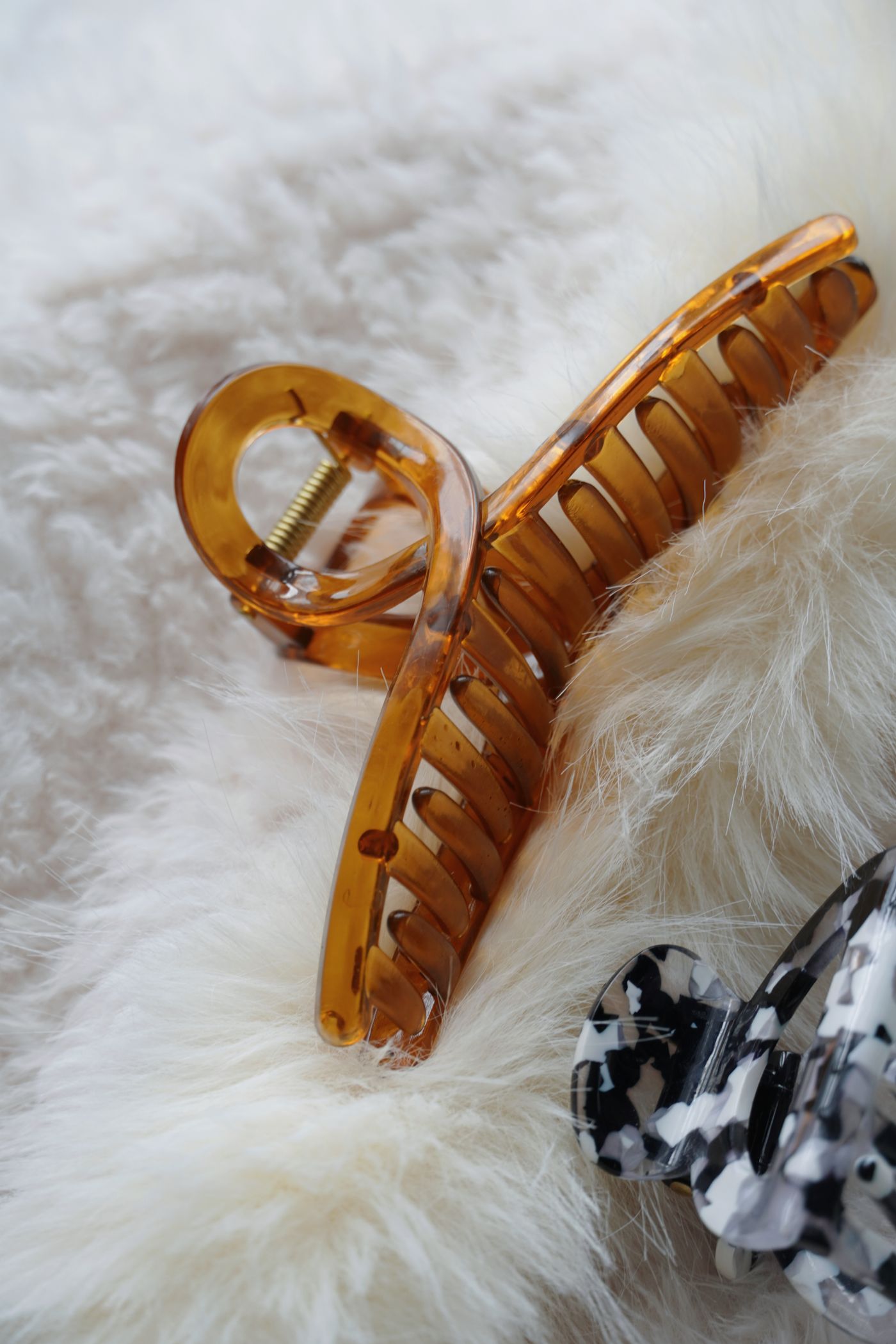
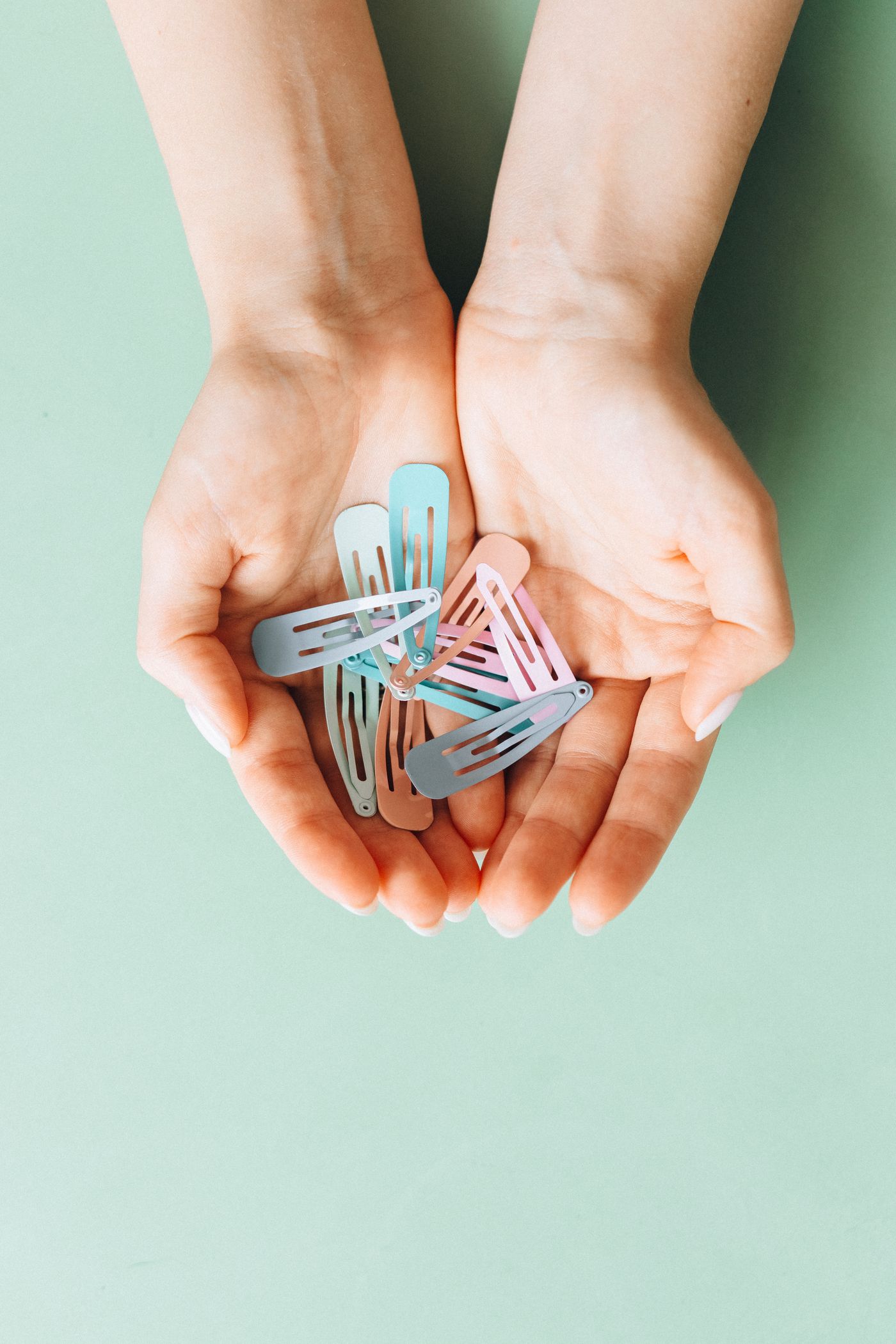
Lay out the clips already belonging to this bathroom. Separate claw clips, snap clips, barrettes, and sectioning clamps where those types are present. The labels describe common forms, but individual designs vary; use the actual fastening in your hand rather than forcing an unfamiliar accessory into a category.
This separation answers a practical morning question: do you need a clip that opens around a section of hair, a small clip that snaps closed, or a clamp intended to hold a temporary section during styling? It does not establish which product will suit every hair texture or hairstyle.
Pinterest’s current creator trend page includes expressive personal styling. The organization method here is our household application of that broader interest, not a claim that a particular clip type is a bestseller. A useful drawer should accommodate the accessories you wear rather than imitate a trend photograph.
Avoid sorting other household members’ accessories into a new shared supply without agreement. Similar-looking clips may be personal favorites, part of a pair, or used for a specific routine. Begin with ownership, then decide whether a shared section would genuinely make retrieval easier.
Check ready condition before making compartments
Pick up each clip and look at its visible condition. Is it intact? Does its usual closure operate without obvious damage? Are teeth missing, sharp edges exposed, or decorative pieces loose? This is a practical sorting check, not a mechanical stress test.
Do not repeatedly force a stiff spring or bend a fastening to prove it still works. A clip that needs repair belongs outside the ready group until you decide what to do with it. If a fault cannot be resolved appropriately, stop allowing that piece to count as an available accessory.
Keep clips needing cleaning separate as well. The right care depends on their materials, coating, glued decorations, and maker’s directions. Metal, plastic, fabric-covered, and embellished pieces should not automatically share a soak. The cleaning process is a different task from creating a usable storage arrangement.
Once a cleaned item is fully dry and ready according to its instructions, return it to its own group. Our material-based comb-care guide addresses a neighboring bathroom tool, but a comb’s cleaning method should not be borrowed for a decorated clip simply because both are used on hair.
Test closure, height and retrieval before subdividing
Separate sizes only when the distinction helps you choose the clip. A drawer does not need a cell for every color. Use the actual pieces to check shape and access before measuring an organizer.
| Clip group | Storage check | Avoid |
|---|---|---|
| Large claw clips | Resting height, teeth clearance and room to lift one | Forcing the drawer shut against the clip’s arch |
| Small snap clips | Visible selection and enough retrieval space | A deep mixed pile that hides the intended piece |
| Barrettes or paired accessories | Fastening and any decoration remain appropriately protected | Joining pieces in a way that strains them |
| Styling clamps | A distinct home connected to their actual task | Letting process tools bury the everyday accessories |
Length and width alone do not establish drawer fit. Measure usable height and the opening with the clip in its intended resting position. If the piece protrudes, choose another suitable location rather than using the drawer to compress it.
Try removing and returning one clip without disturbing the rest. If it works, further partitions may add work without improving the routine. The small-accessory storage guide uses a similar retrieval check, while keeping jewelry’s care requirements separate.
Keep pairs and occasion pieces recognizable
Some accessories are chosen together: matching small clips, a decorative pair, or a particular barrette worn with a familiar outfit. Keep those relationships visible without joining pieces in a way that strains them. Two clips can sit beside each other in the same section without being fastened together.
Occasional pieces can occupy a smaller secondary area if you still want them and can recognize them. There is no need to place a rarely worn embellished accessory in the center of a daily routine. Give the most convenient positions to the working pieces you repeatedly select.
If an accessory has specific care information, keep the reference where you can find it. For a delicate or valuable piece, suitable individual protection may matter more than matching the rest of the drawer. Do not assume a fabric pouch protects every decoration or coating.
The same restraint applies to replacement purchases. Count the ready pieces you can use before deciding the drawer is short of clips. A pile containing broken fastenings can make ownership look abundant while everyday availability remains low.
Keep styling clamps distinct from finished accessories
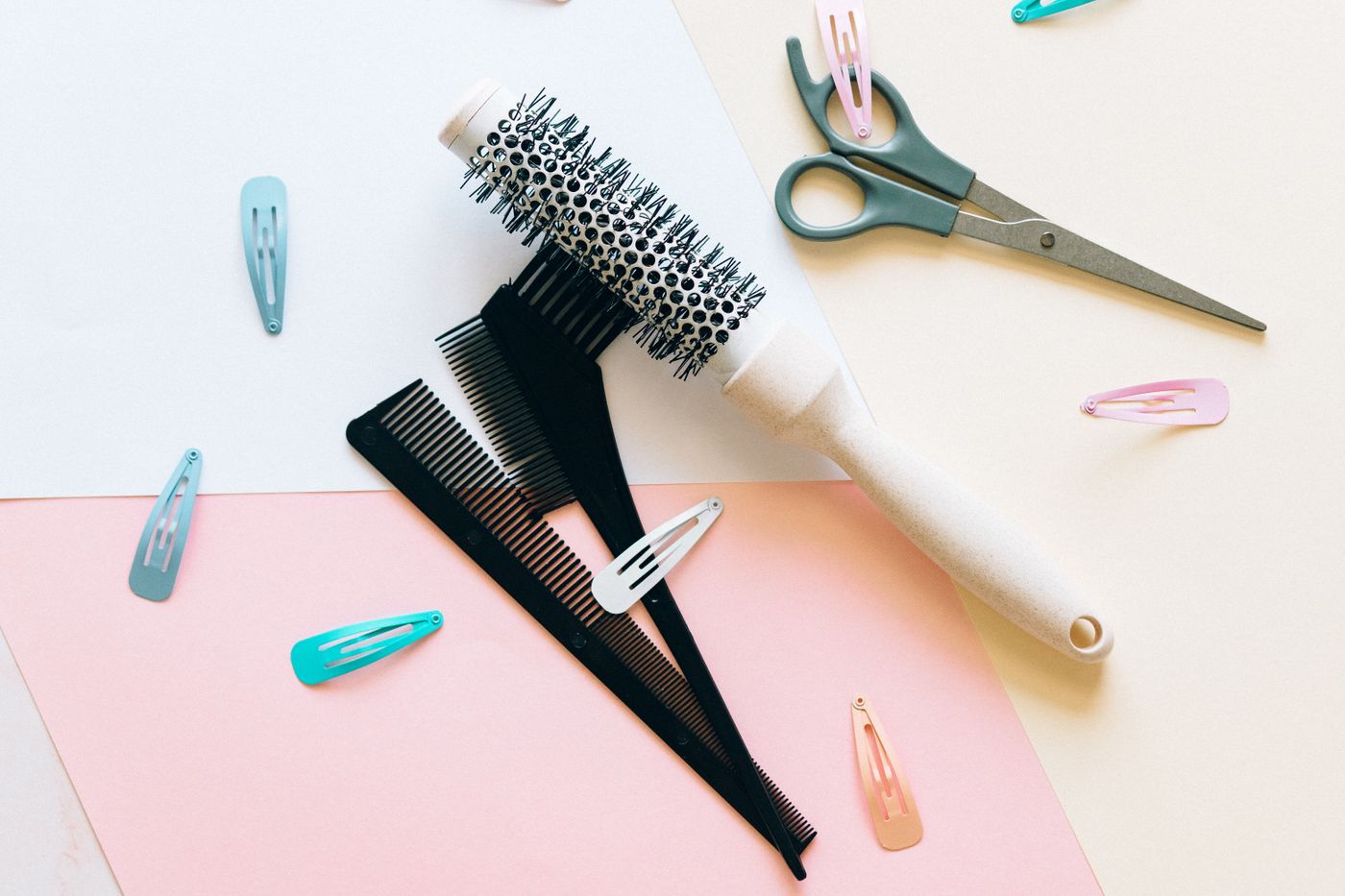
Sectioning clamps often belong to a process involving combs, brushes, and other tools. Everyday clips may be selected after that process. If you use both, storing them in adjacent but distinct groups prevents the styling supply from swallowing the accessories you leave the room wearing.
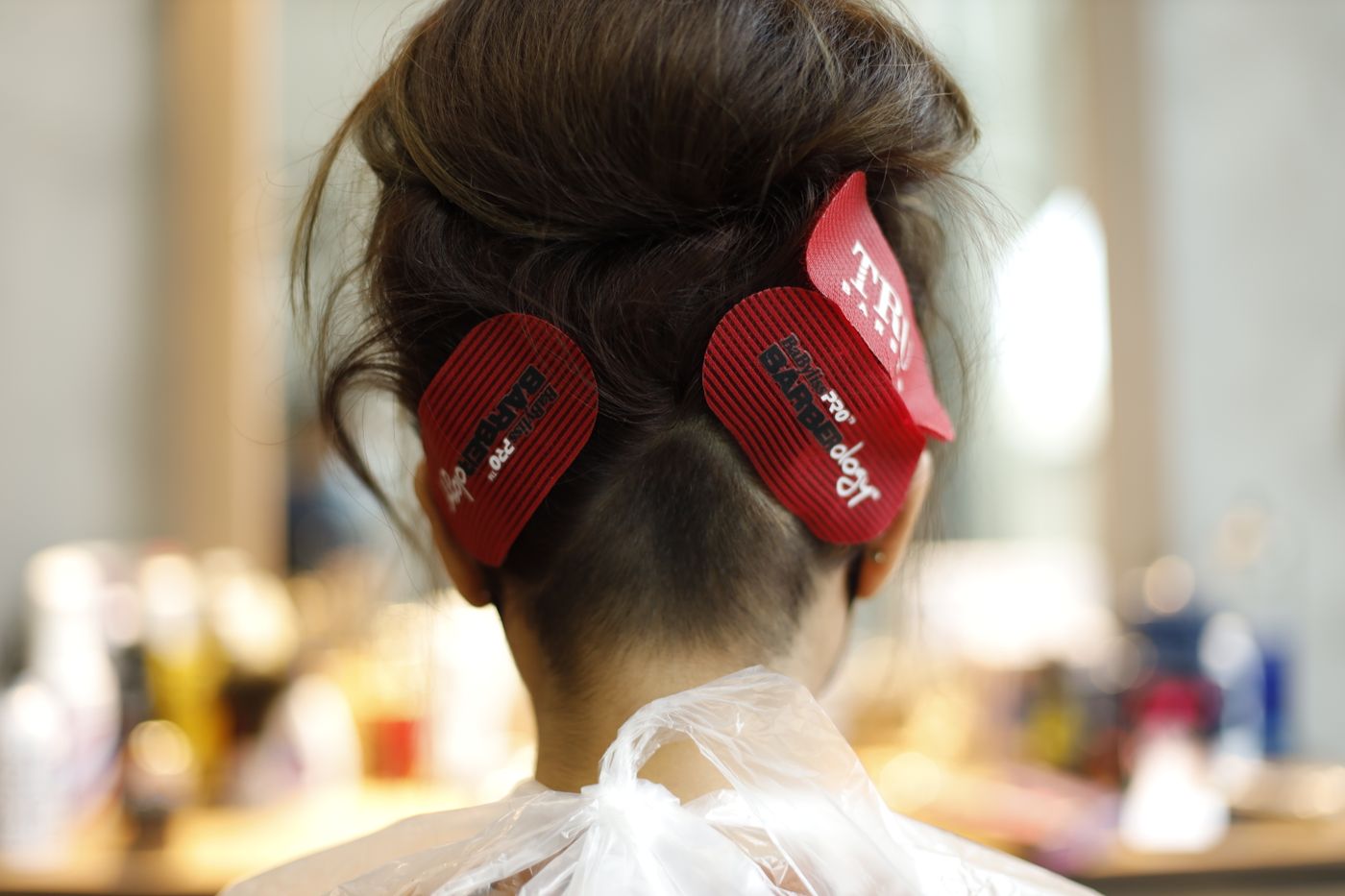
Only keep the tools relevant to your own routine in this drawer. A photograph of a professional styling station can illustrate clip forms, but it is not a list of products a household needs. In particular, scissors, heated tools, and chemical treatments do not become suitable drawer companions merely because they appear beside clips in a stock image.
Consider the movement between the drawer and mirror. A clip should be reachable without balancing a loose collection on the sink edge. Keep the chosen storage position away from regular splashes and check that opening it does not interfere with someone else using the bathroom.
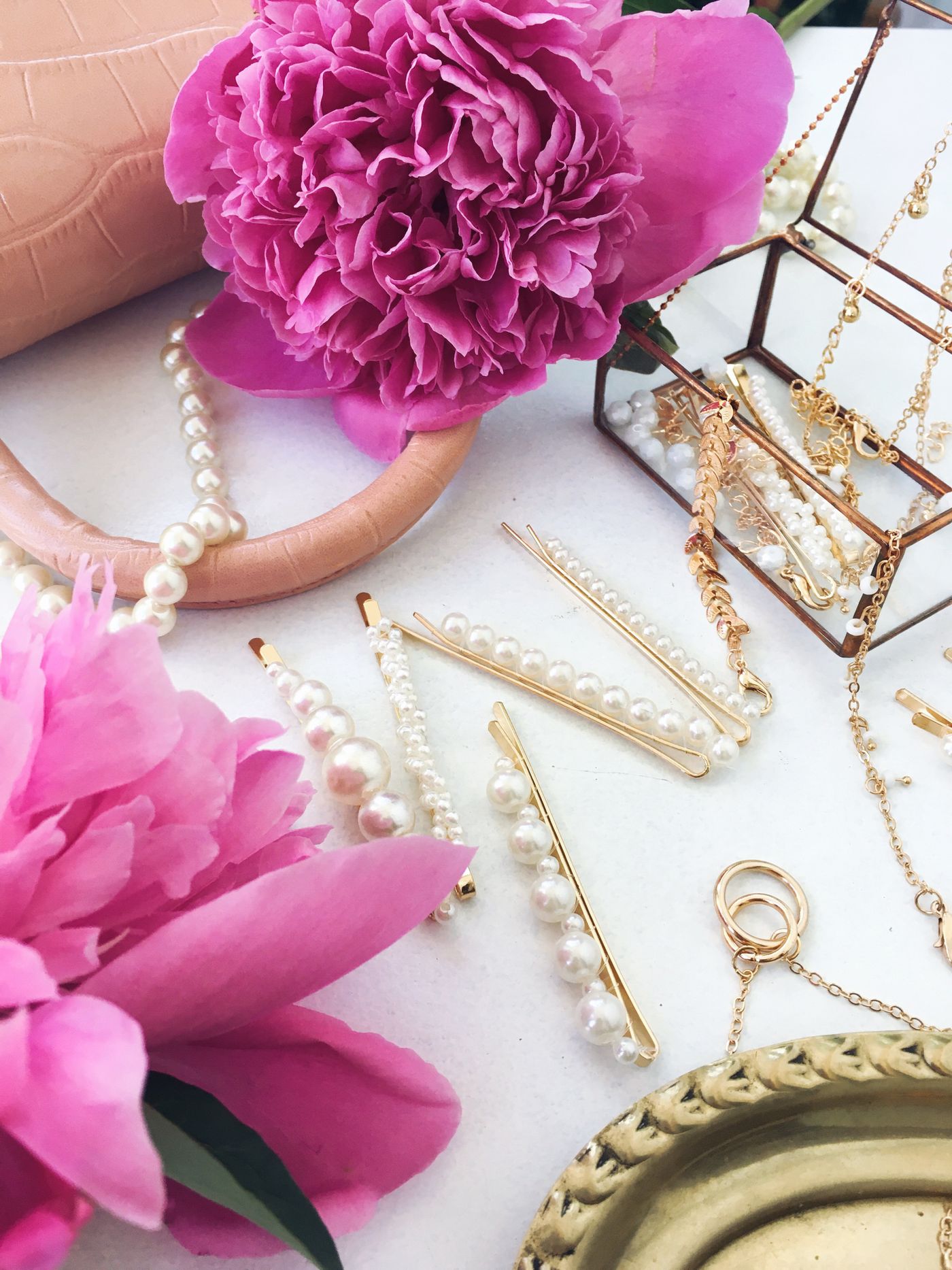
Our bathroom hair-tool guide separates using, cooling, and storing, which can help if clips share space with other grooming equipment. A bathroom-only collection can be simpler in one suitable drawer. Choose the arrangement around the location where you put clips on and take them off.
Make the return step obvious
Decide where a clip goes when removed. If it is ready to use again, return it to the appropriate group. If it needs attention, place it in the separate attention area rather than hiding it beneath clean accessories. The purpose is to preserve a useful distinction, not to create an elaborate maintenance log.
A household can agree on one easy description for each group: small snap clips, large claw clips, and styling clamps, for example. Add written labels only if they help someone identify or maintain the arrangement. See our guide to labels that solve real household confusion before subdividing an already readable drawer.
A temporary return dish may help only when someone actually empties it. If removed accessories accumulate there indefinitely, move the main storage closer to the return point or make the drawer easier to open. Another container does not fix an inconvenient return route.
Review the drawer after ordinary use
Try the arrangement during several normal grooming routines. Notice whether the clip you wanted was visible, whether the drawer closed freely, and whether the ready and attention groups stayed separate. Adjust one crowding problem rather than restarting the whole sort.
If a group repeatedly overfills, check actual use before expanding its space. The capacity ceiling approach can help establish how much this one location should hold. Pieces you do not want to wear should not dictate a larger organizer merely because they have always been in the drawer.
A successful arrangement makes the right fastening easy to recognize and the usable pieces easy to return. It can include mixed colors, different shapes, and an imperfect-looking drawer. What matters is that choosing a working clip no longer requires handling every accessory you own.
Explore related decisions in our Home Organization hub.
Sources and editorial scope
Editorial research checked October 24, 2026. Published trend reports are context for these editorial applications, not verified live keyword rankings. Practical household guidance; photographs do not document a tested household or authenticate pictured materials.