
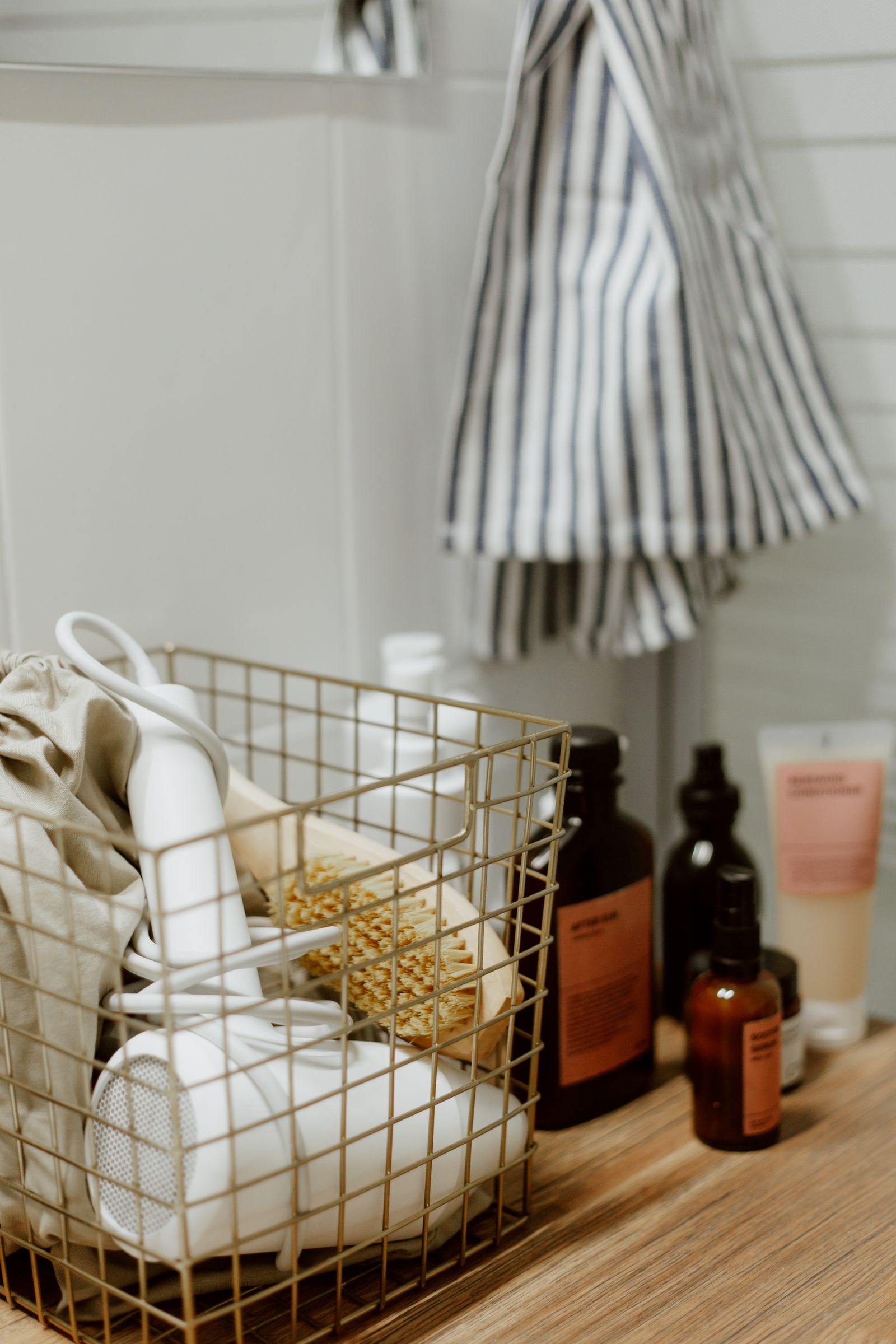
A hair dryer, straightener, brush, and several bottles can occupy a small bathroom counter before anyone else reaches the sink. Pushing everything into a drawer may clear the surface, but it ignores an important distinction: a tool in use, a tool that is cooling, and a tool ready for storage have different needs. A useful setup gives each stage a place without assuming that an organizer makes a hot electrical appliance safe.
Begin with the instructions for your exact tools and the safety requirements that apply to their use. This guide is an organizing framework, not an electrical installation guide or a certification of any holder, mat, cupboard, or outlet. Where those instructions conflict with an attractive storage idea, follow the instructions. For a related step-by-step approach, see Where to Store a Vacuum, Mop, and Cleaning Tools in a Small Apartment.
Reduce the active set before choosing a holder
Take inventory of the tools actually used in the bathroom. Separate daily equipment from an occasional tool, a duplicate, and something that no longer works correctly. Keep only the necessary active set in the space available for grooming. You do not need to display every tool to remember that you own it.
Do not donate, continue using, or repair a damaged appliance without appropriate guidance. Follow the manufacturer’s process for faults and disposal where necessary. An organizing session is a good time to notice a frayed cord or broken part, but a basket cannot solve that problem.
Keep products separate from electrical equipment when their labels or the tools’ instructions require it. Liquids, sprays, and hot surfaces have different handling needs. A shared tray may look efficient while combining items that should not be grouped during use.
Define the using stage around the actual instructions
Identify the location where each appliance may be used and rested according to its instructions. Bathroom constraints are not a reason to improvise around water, unsuitable outlets, or crowded surfaces. If the intended location cannot support appropriate use, ask the manufacturer or a qualified professional about a suitable arrangement.
For background on a common dryer safety feature, UL Solutions explains the hair dryer’s reset button. Do not treat such a feature as permission to ignore the appliance’s use instructions or the risks of water. This article does not recommend modifying a cord, plug, outlet, or protective device.
Keep the ordinary sink area usable for other household members. The routine in school mornings with one bathroom can help reduce conflicting tasks, but timing alone does not make an unsuitable electrical setup acceptable.
Give cooling its own destination
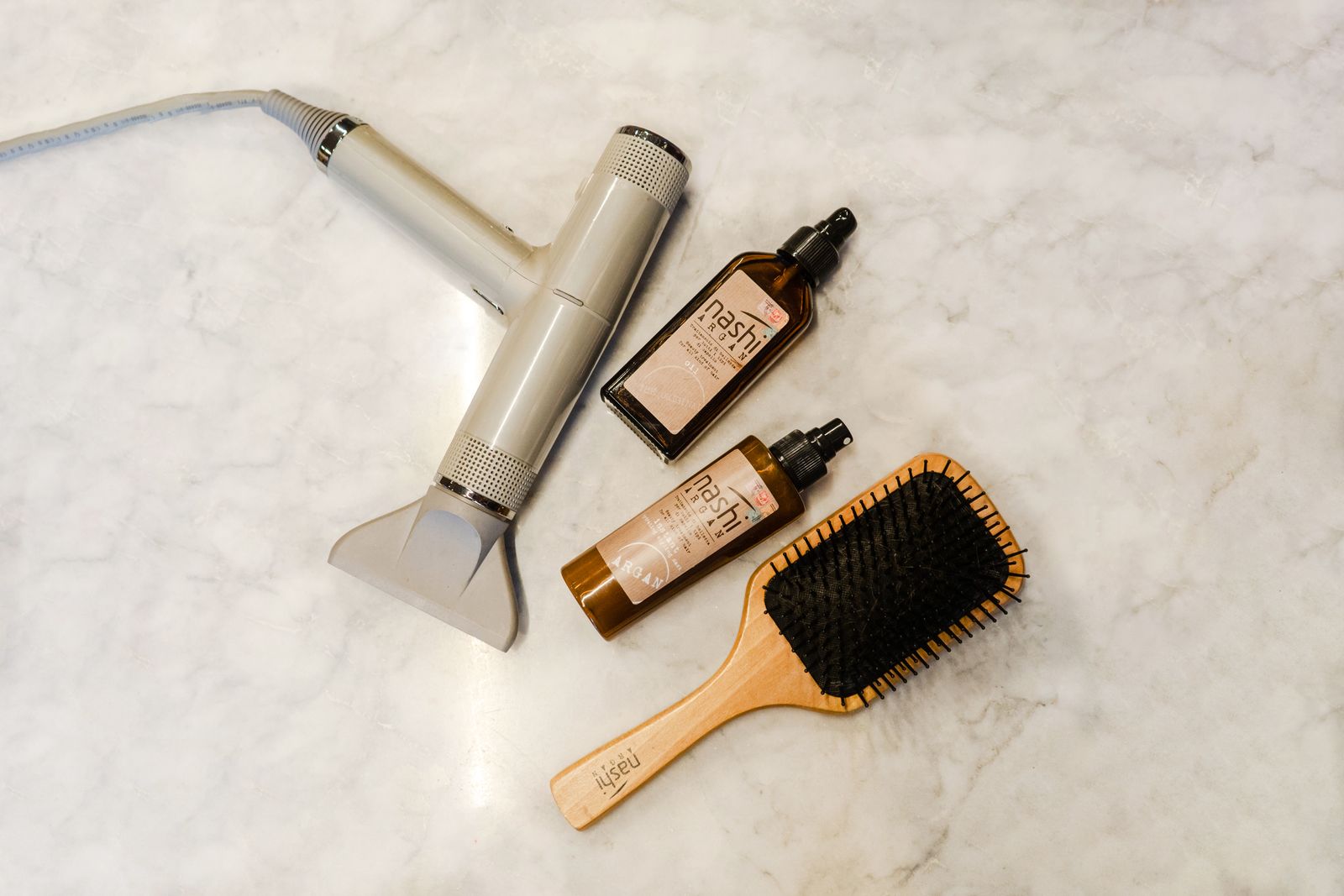
Follow the tool’s instructions for switching off, unplugging, and cooling after use. Electrical Safety First’s guidance for straighteners and tongs calls for unplugging the tool and letting it cool on a heat-resistant surface. That does not establish that every advertised mat or holder meets your tool’s requirements.
Choose an appropriate location that follows the instructions and household safety needs, including keeping children from accessing hot equipment. Do not place a hot tool in an ordinary fabric pouch, crowded drawer, or plastic bin because the container is labeled hair-tool storage. Storage capacity and suitability for heat are separate questions.
Make the cooling stage visible in your routine. A small reminder near the normal storage location can prompt the final put-away after cooling. The reminder does not replace checking the actual condition of the appliance or following its directions.
Store only when the appliance is ready
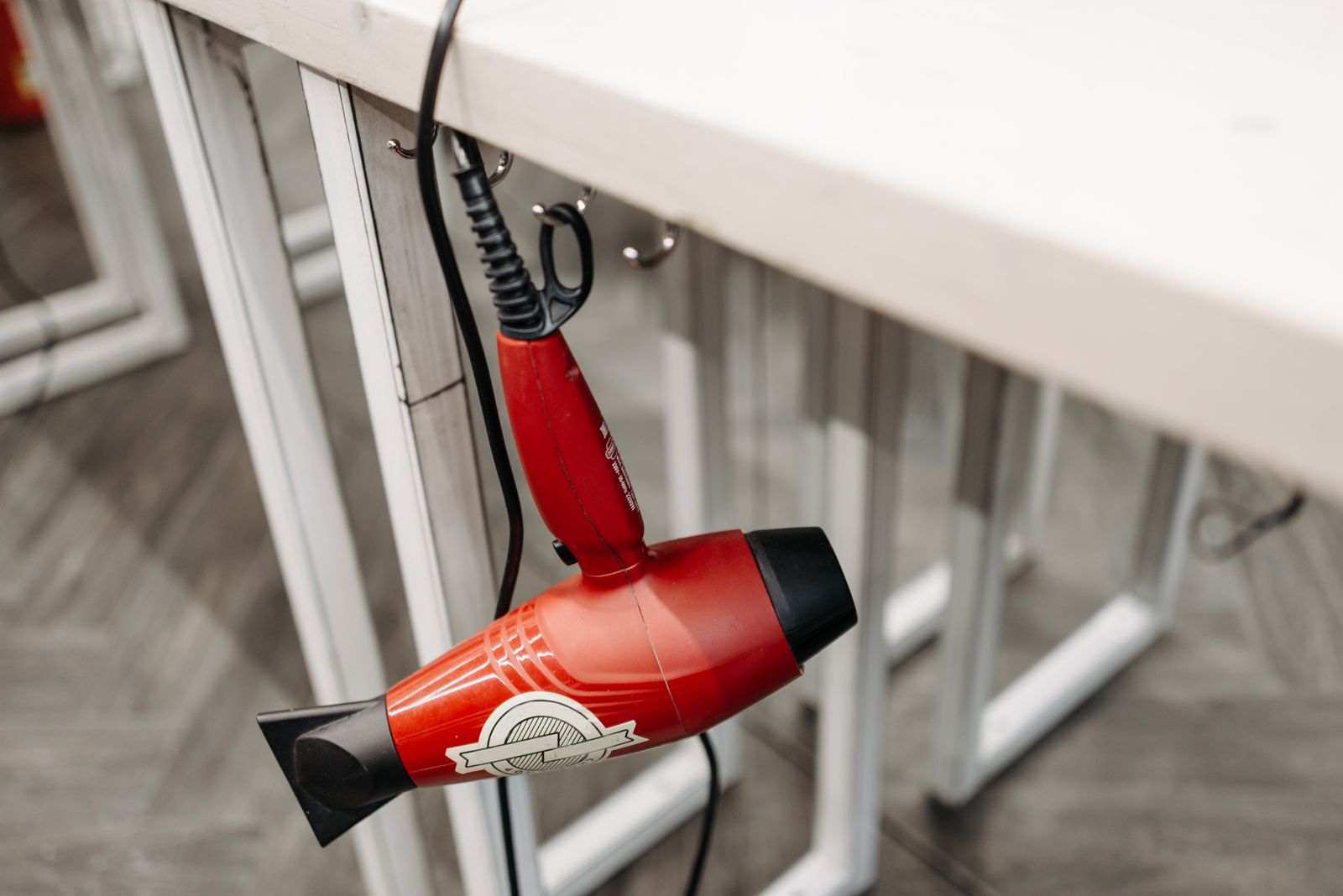
Once the tool is ready to store under its instructions, return it to a dry, appropriate location. Consider the full shape, including the handle, plug, and cord, rather than measuring only the heated section. A holder that technically accepts the barrel may bend the cord sharply or make the tool difficult to remove.
Follow the maker’s cord-storage guidance. Avoid forcing the cord into a tight space, winding it under tension, or trapping it in a closing door. If your existing drawer cannot support the required arrangement, choose another appropriate location rather than pushing harder.
Keep the daily tool easy to retrieve without lifting several bottles or other appliances. If a tool takes four steps to access, it is more likely to remain on the counter after use. Accessibility matters at the storing stage, after the use and cooling requirements have been met.
Evaluate an organizer by installation and clearance
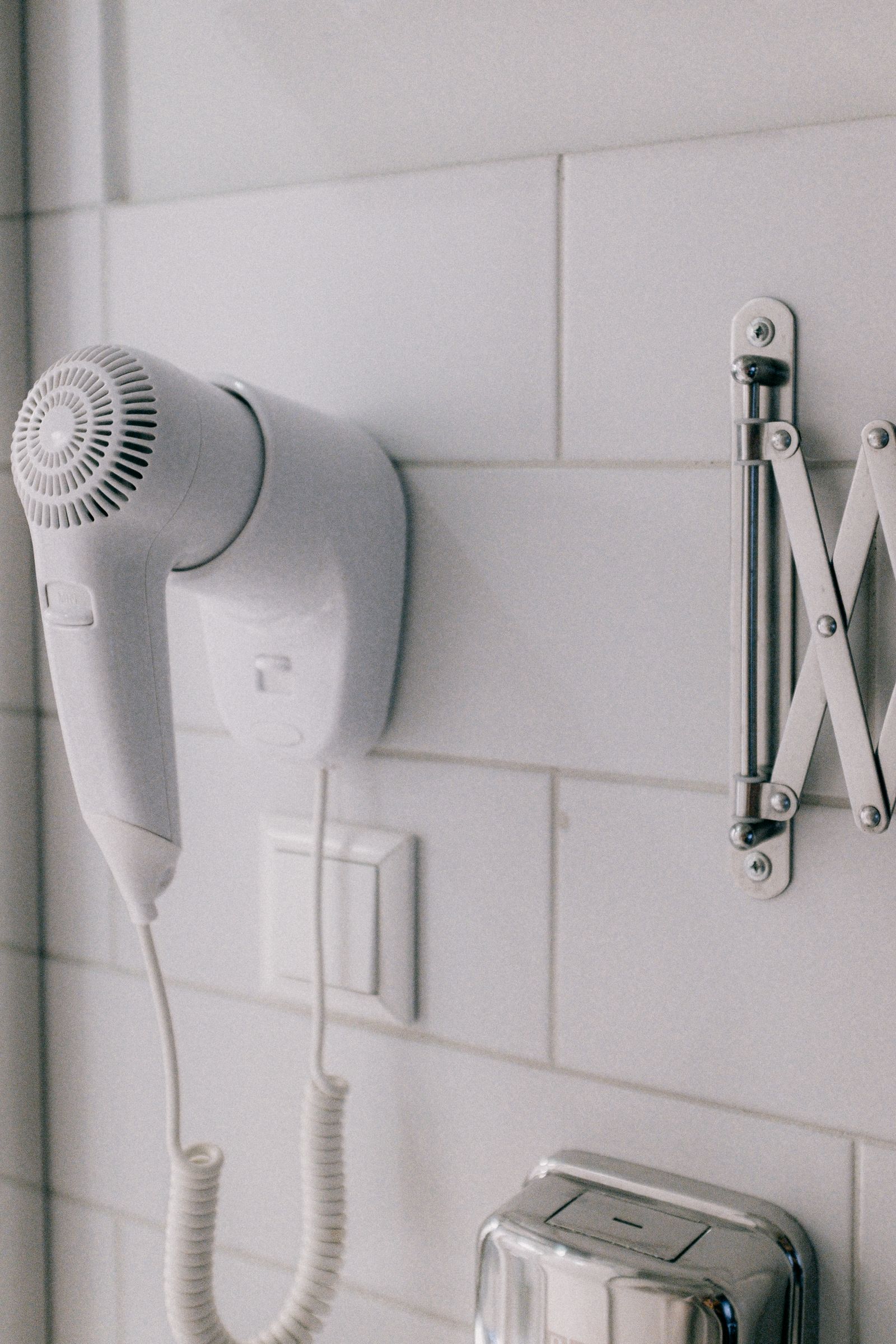
Before buying a cabinet-door rack or other holder, check the maker’s mounting instructions and your actual cabinet. Measure the interior space, door movement, and clearance around shelves, hinges, pipes, and contents. A holder occupying unused-looking space can still prevent the door from closing correctly.
In a rental, confirm what installation is allowed through the appropriate property arrangements. This guide does not determine your lease permissions. Adhesive, screws, and over-door fittings are not interchangeable methods, and their suitability depends on the surface and intended load.
Our guide to rental bathroom storage explores those physical fit questions. Judge the organizer as a storage device unless its instructions explicitly support another stage; a metal finish does not by itself prove that it can safely receive a hot appliance.
Keep the counter reset short and specific
After grooming, return brushes and permitted products to their places, handle the electrical tool according to its instructions, and clear the sink area. Do not combine those tasks into one vague command to put everything away. The cooling tool may need to stay in its appropriate location while the rest of the counter is already clear.
For a household sharing the bathroom, agree on where the cooling-stage equipment belongs so another person does not move it into an unsuitable container. Use an adult-managed arrangement appropriate for the children present. A visual marker can communicate the stage, but it is not a barrier or a safety device.
Avoid placing a cleaning task around equipment that is still in use or cooling. Follow the tool instructions before handling nearby moisture or cleaning products. A clear counter should be the result of a safe sequence, not a race to make the surface photograph-ready. If you are working on the same space, The Reset Basket Method: Smart Family Clutter Tool—or Just a Basket That Moves Mess Around? covers the next decision in more detail.
Review the setup after an ordinary week
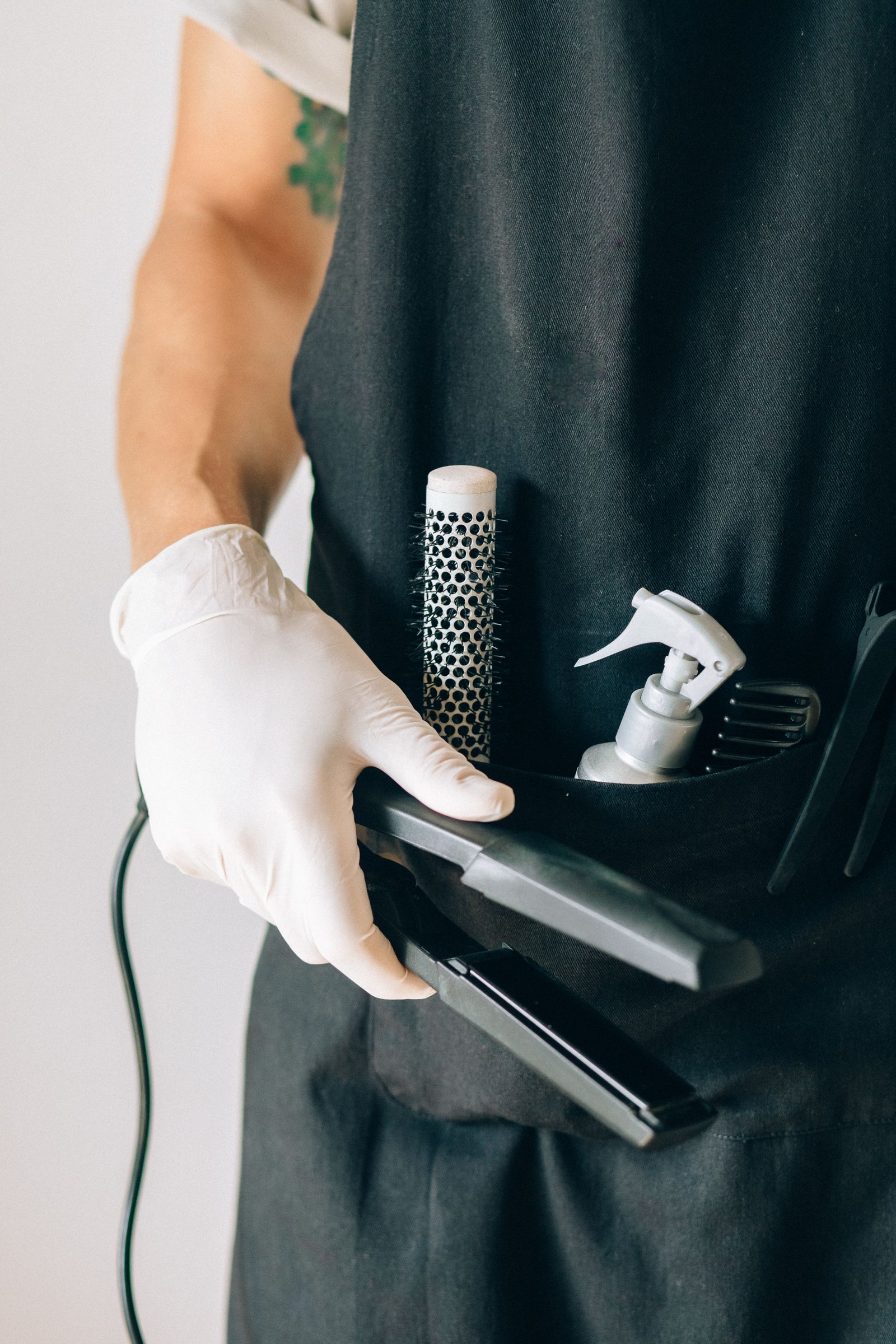
Notice where the routine breaks. If brushes remain loose, they may need a simpler destination. If cords are difficult to store correctly, the compartment may be the wrong shape. If other people keep moving the cooling tool, the household needs a clearer and appropriate handoff.
Change one problem at a time. A larger organizer may simply allow more appliances to accumulate in the same limited space. A better arrangement often reduces the active set, improves the storage location, or moves a permitted task to a more appropriate part of the home.
Share the rule with the person who cleans
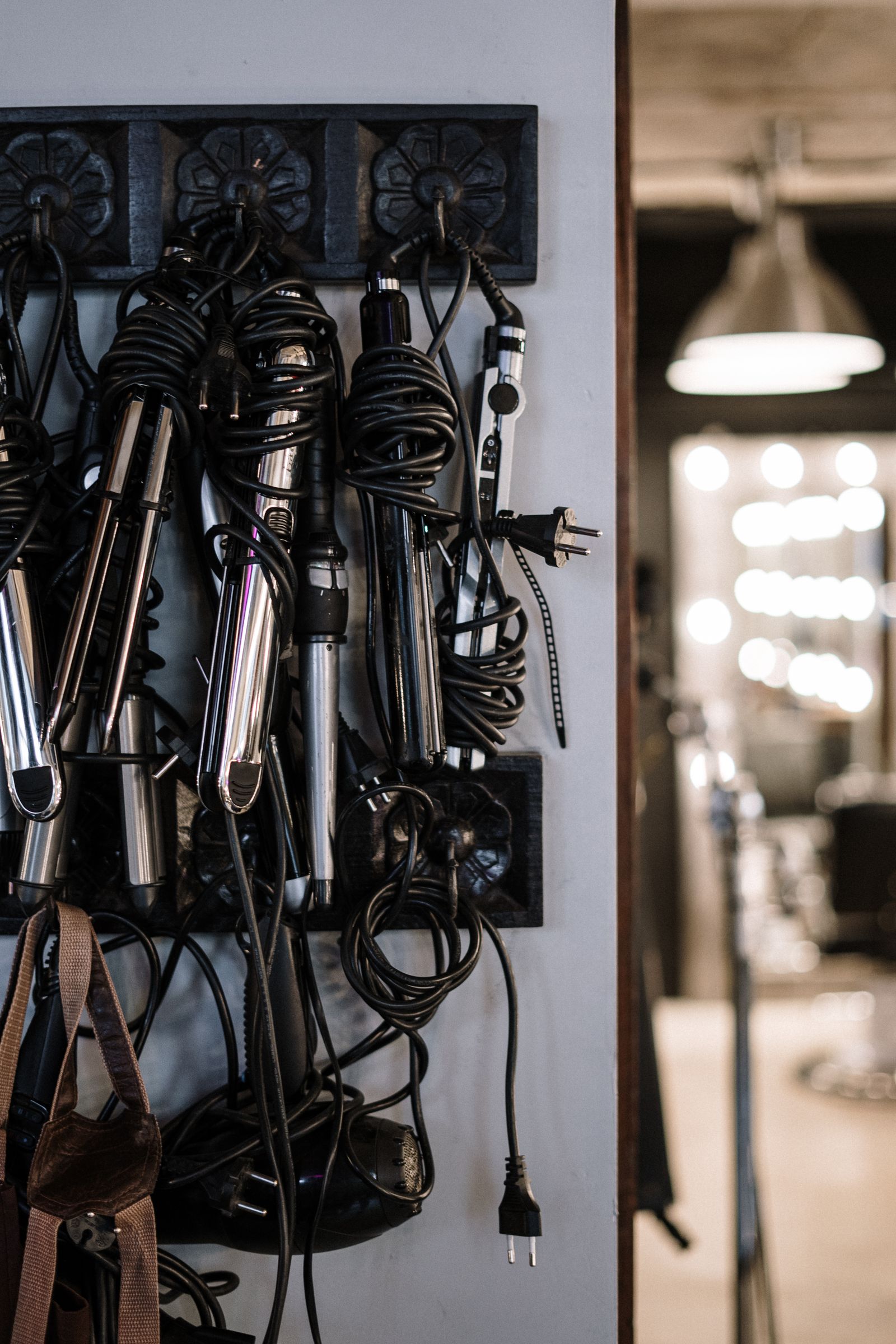
If another adult cleans the bathroom, explain which location is reserved for each stage and where the instructions are kept. They should not have to guess whether an appliance is ready to be moved. Agree on a handoff that follows the tool’s directions, and keep routine cleaning supplies separate from stored equipment. This also helps when visitors use the bathroom: the household can clear ordinary grooming items without asking a guest to handle an electrical tool. A reliable setup remains understandable when the person who normally uses it is away.
What success looks like
The daily equipment is easy to find, the sink remains usable, and everyone understands that using, cooling, and storing are distinct stages. The system follows the tools’ instructions without depending on an improvised heat claim or a cramped cord arrangement. It also gives unused equipment a separate home instead of letting it crowd the active routine.
Explore Bathroom ideas and Home Organization for the surrounding storage system. For the non-electrical items sharing the vanity, keeping a family bathroom counter clear offers the next step. The goal is a counter that works because each object has the right destination at the right stage.
