A small bathroom counter can disappear before breakfast.
One person leaves skincare beside the sink. Another puts down a toothbrush, hairbrush, deodorant, contact-lens supplies, and a charging cable. Someone else adds a towel, a makeup bag, and yesterday’s cup. None of these items is especially large, but together they turn a tiny counter into a traffic jam. For a related step-by-step approach, see How to Store Towels in a Small Bathroom With No Linen Closet.
The most useful rule is simple: the counter is a work surface, not long-term storage.
Decide what is allowed to live out
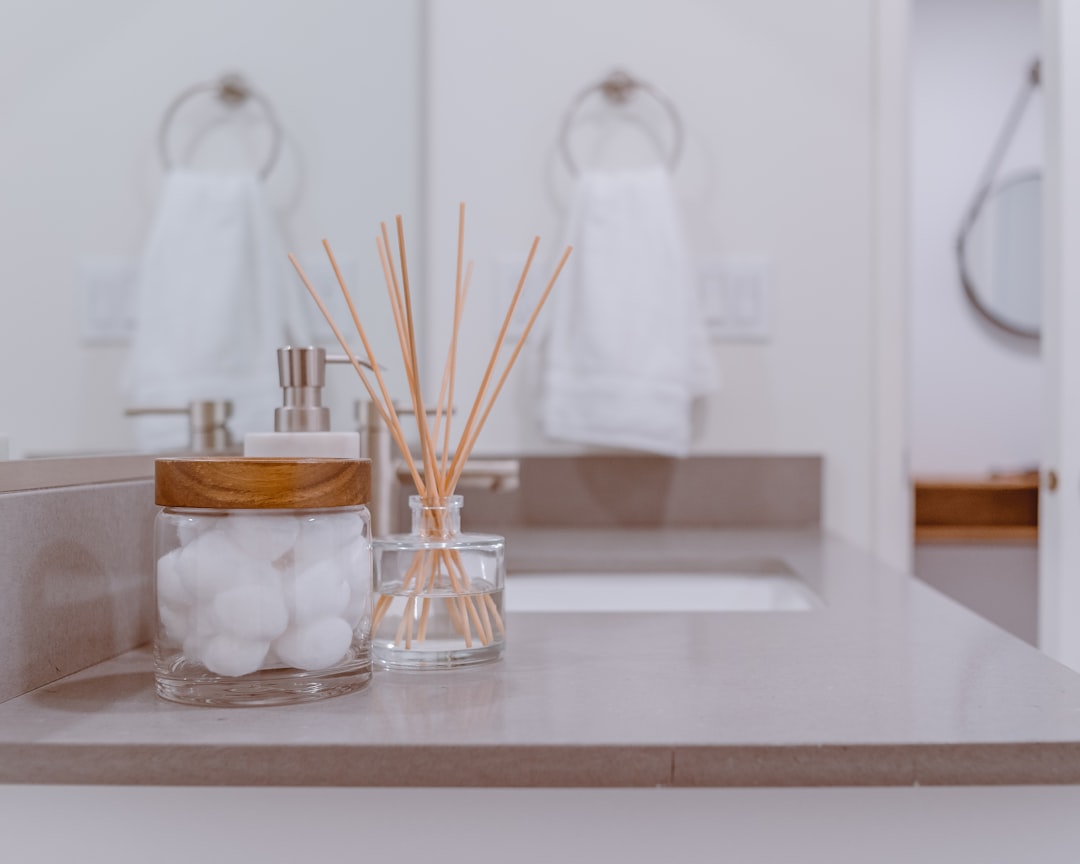
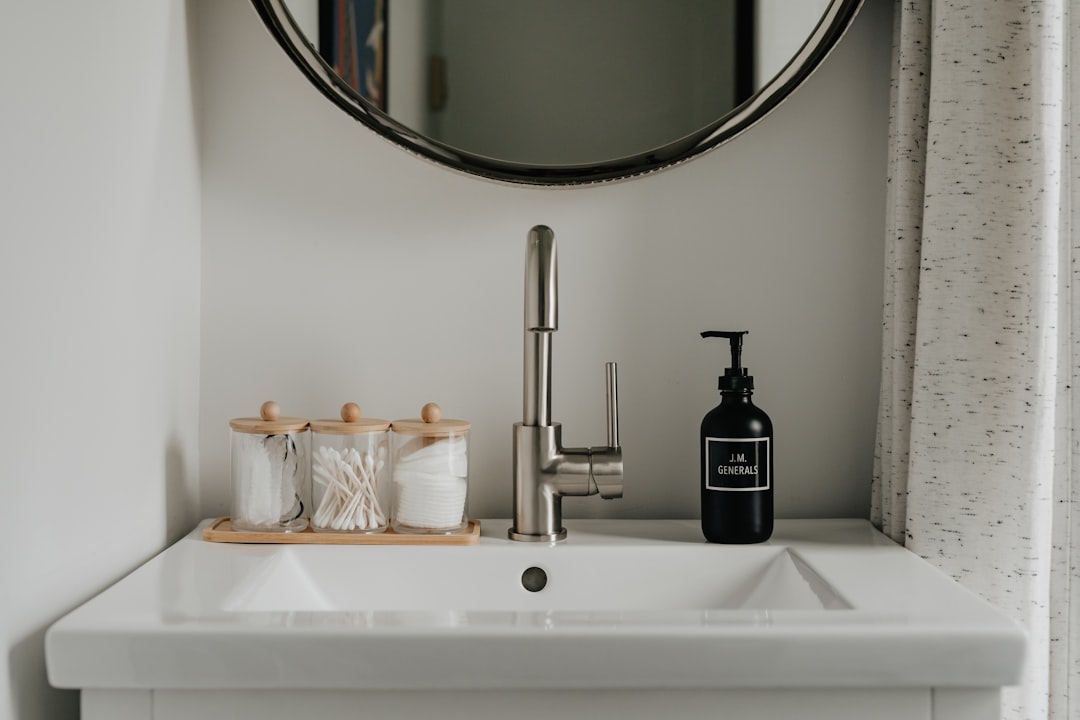
Choose a very small permanent set. For many households, that might be hand soap, one toothbrush holder, and perhaps one shared daily item.
Everything else should have a return location after use. The fewer permanent objects on the sink, the easier it is to wipe and the easier it is to notice when something has been abandoned there. You may also find How to Organize Under a Small Bathroom Sink Without Wasting Space useful for a closely related small-home problem.
Give each person a personal return zone
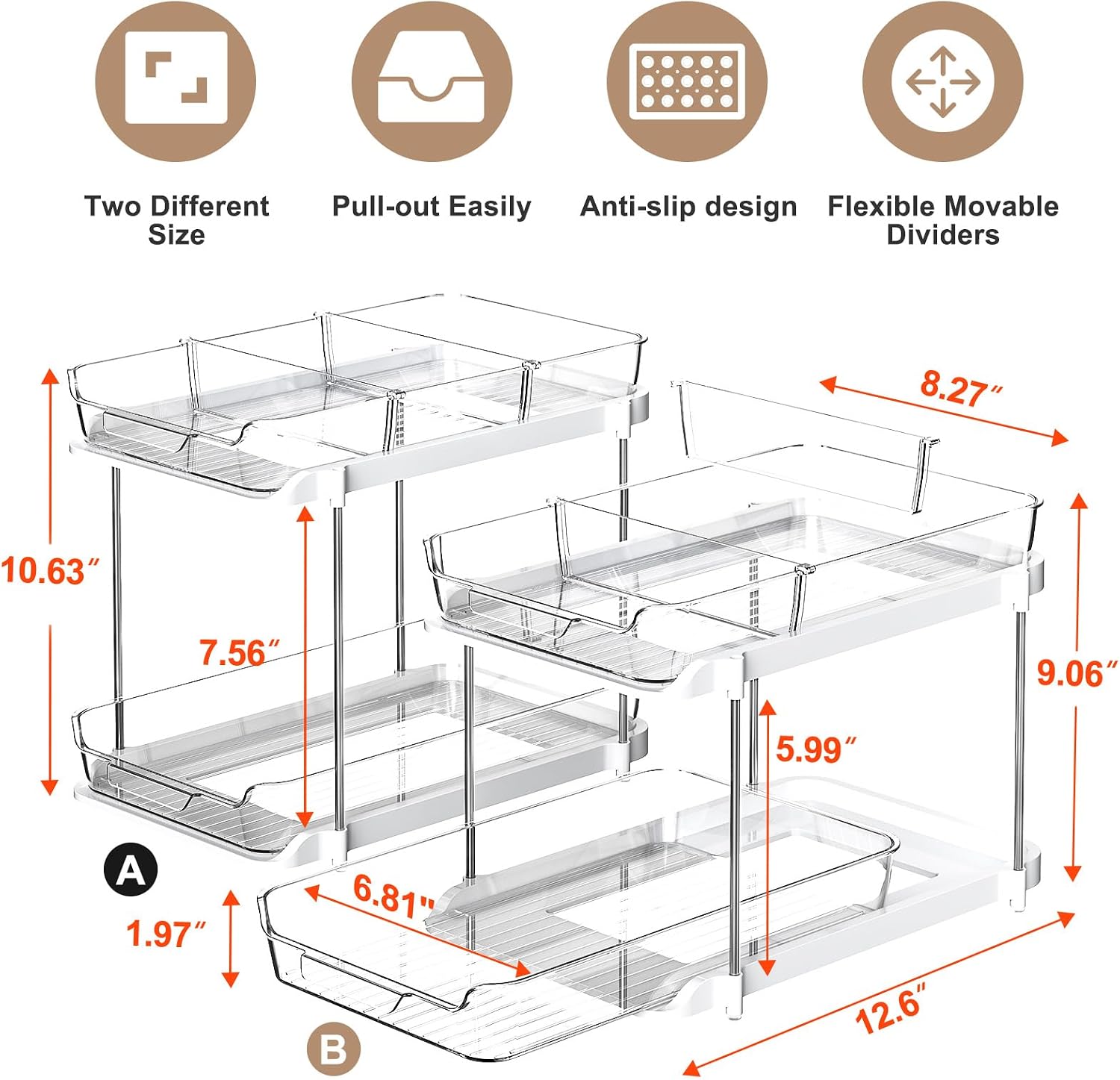
That return zone can be a drawer section, small basket, caddy, shelf, or cabinet bin. It does not have to be large. It does have to be obvious.
If several people share one drawer, use broad divisions rather than tiny compartments that require perfect placement.
Keep morning products easier to reach than occasional products
Toothpaste, deodorant, combs, and the products used every morning deserve front access. Travel toiletries, specialty treatments, spare razors, and backups can move deeper into storage.
The bathroom should support the routine that happens every day first.
Use one tray only if it creates a real boundary
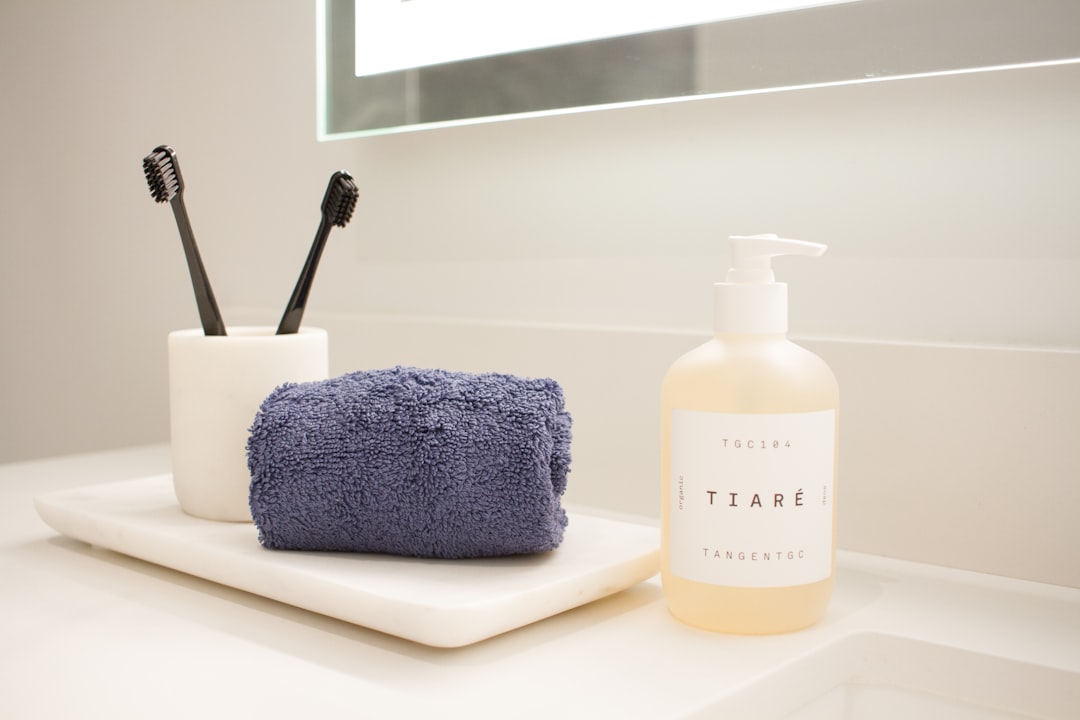
A tray can help when two or three products truly need to stay out. But a large tray can also legitimize a pile.
Use the tray as a capacity limit: when it is full, something has to return to storage.
Make hair tools a separate system
Hair dryers, straighteners, curling tools, brushes, and cords can consume an entire counter. Give them a drawer, hanging holder, caddy, or nearby storage location that works for the tool and household.
Follow manufacturer instructions for cooling and storage before putting heated tools away.
Move backups out of the bathroom if needed
Unopened toothpaste, extra shampoo, spare soap, bulk toilet paper, and refill bottles do not need prime counter-adjacent storage.
For a broader inventory strategy, see What to Keep in a Small Bathroom—and What to Store Somewhere Else.
Use portable caddies for routines that are too large
If one person has a longer skincare or grooming routine, a portable caddy can be easier than trying to fit everything into a tiny shared drawer.
The caddy must have a parking place after use. Otherwise it simply becomes a portable pile that stays on the counter.
Keep charging off the wet work surface when practical
Electric toothbrushes, shavers, or other devices may need charging. Arrange charging according to product instructions and the room’s electrical setup, and avoid turning the immediate sink area into a cord station.
The two-minute counter reset
- return personal products,
- move hair tools,
- hang towels,
- throw away empty packaging or trash,
- move cups and unrelated items out,
- wipe obvious water or residue as appropriate.
Use the evening reset to protect the morning
If everyone starts the day by clearing yesterday’s products, the system is already behind. Reset the sink after the last evening routine so the first morning user begins with an open surface. You may also find A Small-Home Morning Launch Routine for Families Who Are Always Looking for Something useful for a closely related small-home problem.
For children
Give children a small, reachable zone for the few items they are expected to manage themselves. Avoid putting the everyday system in a cabinet they cannot open or reach safely.
For couples with different routines
Do not force identical storage. One person may need a small tray; the other may prefer a drawer. The shared standard is the clear counter, not matching containers.
If the bathroom still feels crowded
The problem may be too much inventory rather than counter habits. Use A Small Bathroom Storage System for a Family Sharing One Bathroom to rebalance the whole room.
Frequently asked questions
What should stay on a small bathroom counter?
Only the items that genuinely benefit from permanent immediate access. Keep the permanent set small enough that the sink remains usable. If you are working on the same space, How to Keep a Small Bathroom Clean Between Deep Cleans covers the next decision in more detail.
Should everyone have a separate bin?
Separate ownership helps, but the container style can vary. One shared drawer with clear sections may work just as well.
Why does the counter get cluttered again so quickly?
Usually because the return location is harder to use than the counter. Make storage easier, closer, or simpler.
Clear counters are mostly about easier returns
You do not need a bigger vanity. You need fewer permanent objects, clear personal zones, and a two-minute reset that gives the sink back to the next person.