Small bathrooms rarely fail because they lack enough acrylic organizers. They fail because several people are trying to use one sink, one mirror, one towel bar, and one narrow counter at the same time.
Morning clutter is predictable: toothbrushes come out, skincare opens, hair products migrate from drawers, towels appear, a hair dryer lands beside the sink, and someone leaves a bottle out because they plan to use it again tomorrow. By the end of the rush, the bathroom looks as if every category is mid-task. If you are working on the same space, How to Help Towels Dry Faster in a Small Shared Bathroom covers the next decision in more detail.
The most effective fix is not more storage. It is a routine that tells objects when they are allowed to be out and where they go when the rush ends.
Think of the bathroom as a shared workstation
A small bathroom works better when the counter is treated like a work surface, not permanent storage. The same square foot may need to support tooth brushing, shaving, skincare, makeup, and hair styling within one hour.
That means each routine should be able to arrive, operate, and leave.
Give each person one active morning kit
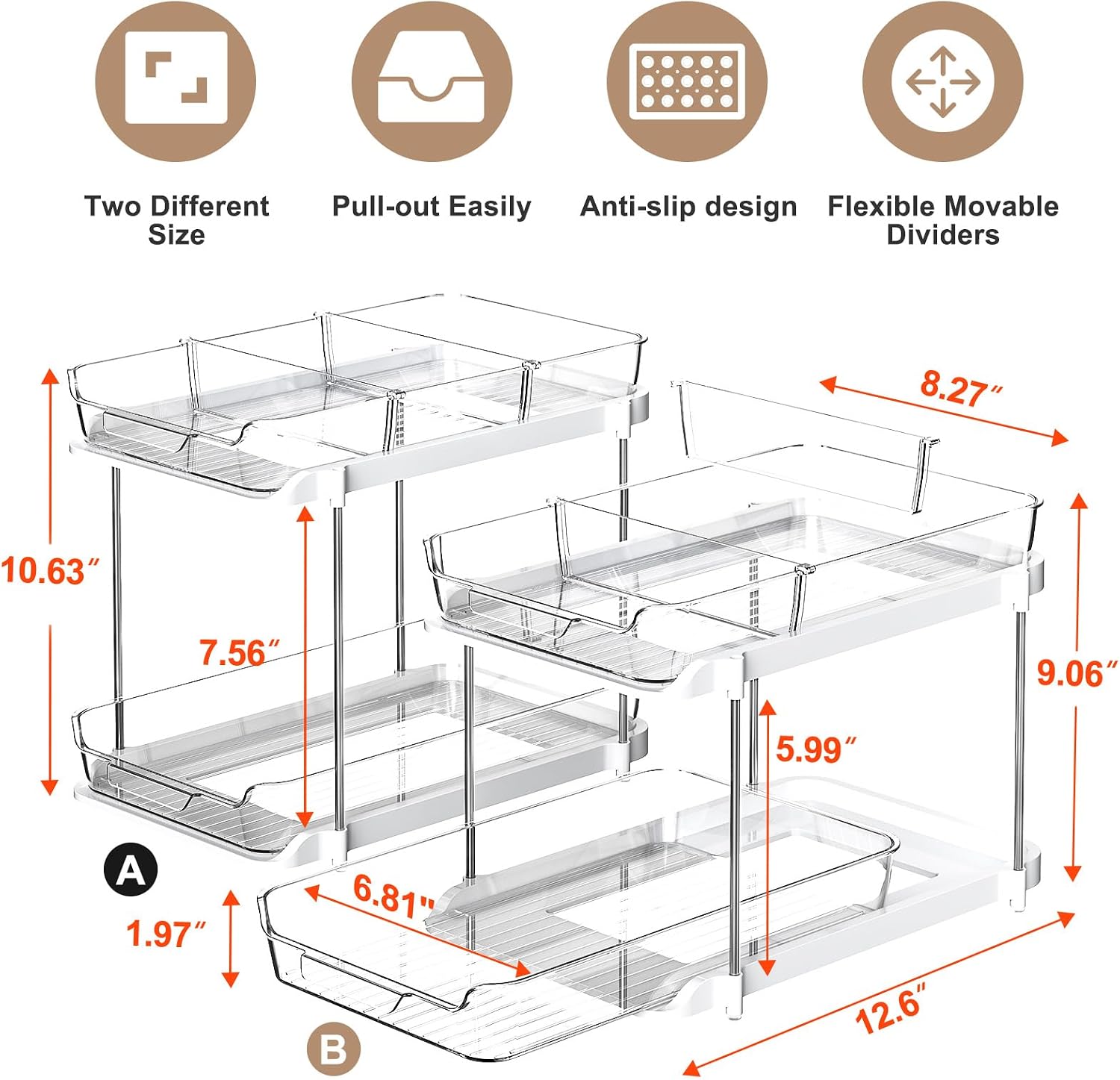
Instead of storing every product loose around the sink, give each household member or routine a small caddy, drawer section, or bin. It should contain only the products used most mornings.
This reduces searching and makes cleanup a single action: return the kit. Backups and occasional products stay elsewhere.

Separate “daily” from “bathroom inventory”
Most people do not need five shampoos, extra toothpaste, spare razors, travel minis, medicine, backup soap, and every skincare product within arm’s reach of the sink.
Keep the daily layer close. Store reserve inventory higher, deeper, or outside the bathroom if moisture and space make another location better. You may also find How to Store Towels in a Small Bathroom With No Linen Closet useful for a closely related small-home problem.
Use sequence-based storage
Traditional organizing groups like items together. That is useful, but routines can be even more powerful. If moisturizer, sunscreen, deodorant, and hair product are used in sequence every morning, storing them together may be more practical than splitting them into separate beauty categories.
The room should support behavior, not just taxonomy.
Establish a sink rule
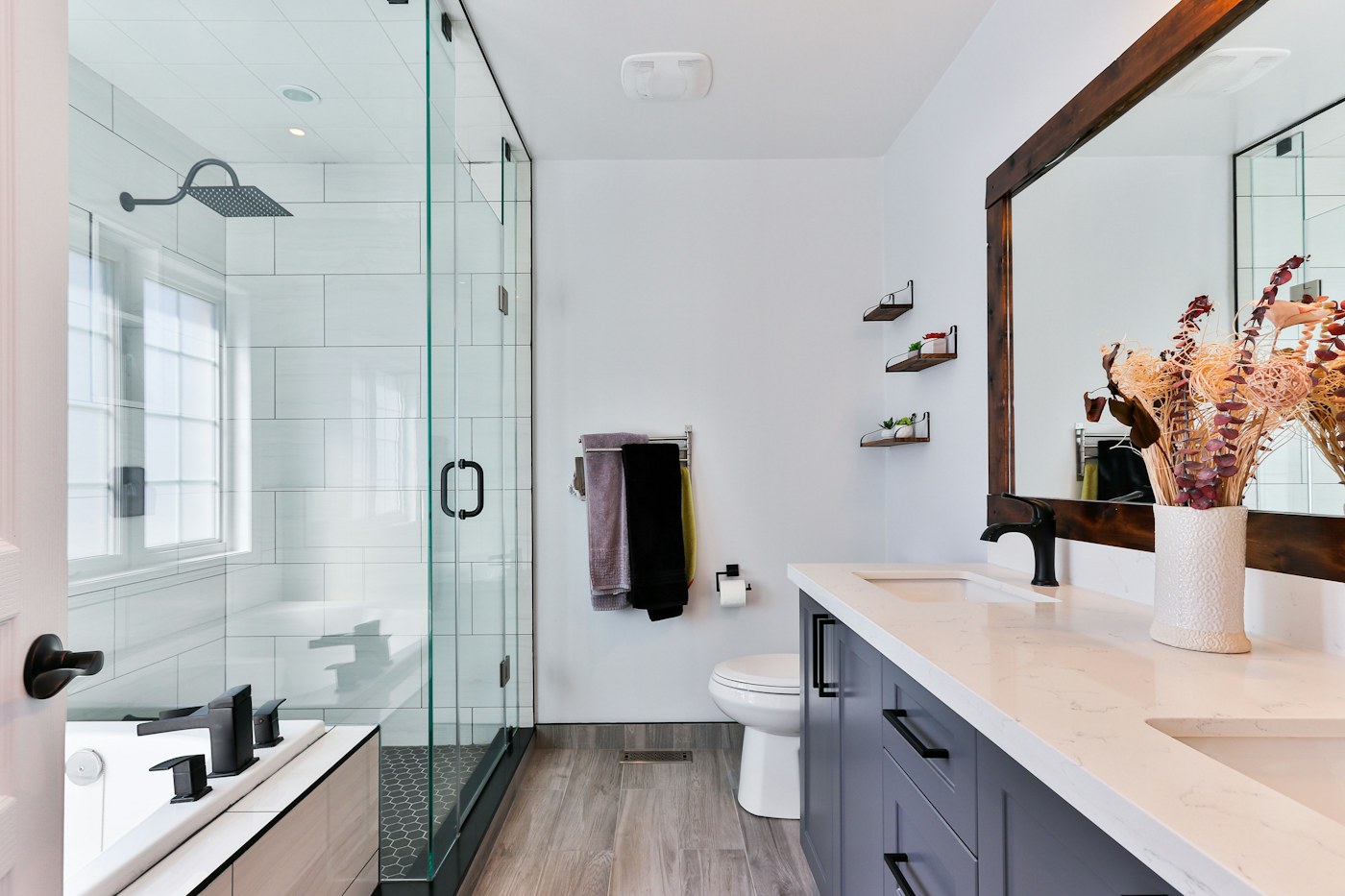
In a busy family bathroom, one rule can prevent half the mess: the sink edge is never long-term storage.
Soap can live there if needed. Everything else is either actively being used or returned to its home. This protects the basin from becoming a shelf.
Handle toothbrushes deliberately
Toothbrushes need a clean, ventilated arrangement appropriate for your household. If several brushes crowd the sink, move them to a wall-mounted holder, medicine cabinet, or designated cup that does not monopolize the working surface.
The important part is consistency. Everyone should know exactly where a toothbrush returns without asking.
Hair tools need a cooling plan
Hot straighteners and curling tools create a special problem because they cannot always be put away immediately. Provide a heat-safe mat, holder, or protected cooling area away from water and flammable materials.
Then define the second step: once cool, the tool leaves the counter. Without that step, the cooling area becomes permanent storage. You may also find How to Organize Pet Supplies in a Small Home Without Creating a Pet Closet useful for a closely related small-home problem.

Towels need assigned ownership
In small bathrooms, towels create clutter quickly because a damp towel cannot simply be folded into a drawer. Give each person a specific hook or bar location. Hooks often use less wall width than bars and make “hang it up” easier for children.
If wet towels repeatedly end up on doors or floors, the problem may be insufficient hanging capacity, not discipline.
Move makeup out if the bathroom is the wrong environment
If one person’s makeup routine occupies the only sink for twenty minutes, consider moving that routine to a bedroom mirror or small vanity. This is especially useful when the bathroom is shared and the products do not need running water.
Not every grooming routine has to happen in the bathroom just because beauty products are involved.
Create a “last person resets” rule
During the rush, asking each person to leave the bathroom perfect may create unnecessary conflict. A more realistic approach is that everyone returns their own kit, while the last person performs a 60-second room reset:
- put away remaining products,
- hang towels,
- wipe obvious water from the counter,
- return stool or step aid,
- check that the floor path is clear.
Protect one drawer from becoming miscellaneous storage
Bathroom drawers often absorb everything small: hair ties, floss, samples, bandages, batteries, nail clippers, receipts, and items that really belong elsewhere.
Reserve one drawer or bin for the morning routine and refuse to let unrelated objects enter it. The fastest morning system depends on not searching through mixed categories.
Use evening setup strategically
You do not need to lay out every product the night before. In fact, that recreates counter clutter. Prepare only time-sensitive items: a child’s bath-to-school transition, a hair accessory, prescription glasses, or something that is genuinely easy to forget.
The goal is fewer decisions, not more objects on display.
What if the bathroom has almost no drawers?
Use vertical solutions selectively: a mirrored cabinet, shallow shelf, wall caddy, over-toilet cabinet, or narrow rolling cart if the floor plan allows. Keep the most frequently used items between waist and eye level. You may also find How to Keep a Small Bathroom Floor Clean When Kids Use It Every Day useful for a closely related small-home problem.
Do not fill every wall. Visual density can make a tiny bathroom feel more chaotic even when technically organized.
A sample 10-minute family traffic pattern
- First person: shower and grooming kit, then remove kit.
- Second person: teeth and skincare, then remove kit.
- Child: stool, toothbrush, hair brush; return stool.
- Final user: finishes routine, hangs towel, performs one-minute reset.
The exact sequence matters less than reducing simultaneous sprawl.
For a deeper look at keeping the shared sink area usable after several people cycle through it, see How to Keep a Small Bathroom Counter Clear When Several People Use It.
Frequently asked questions
Should daily skincare stay on the bathroom counter?
Only if there is enough surface and the products truly need to remain visible. A shallow drawer, shelf, or portable kit usually protects more workspace.
How do I organize a bathroom shared by kids and adults?
Give each person a clear zone or routine kit, keep hazardous products secured, and create simple visible homes for towels, toothbrushes, and everyday items.
What is the fastest bathroom reset?
Return products, hang towels, clear the sink edge, wipe visible water, and remove anything that belongs in another room.
A small bathroom needs choreography more than containers
The most successful shared bathrooms are not the ones with the most organizers. They are the ones where people can move through a routine without spreading their entire inventory across the vanity. Give routines a beginning, an active zone, and an end. Once that rhythm is clear, the counter stops carrying the burden of everybody’s unfinished morning.