A draining soap tray is useful only when the water has somewhere appropriate to go. The Yamazaki silicone tray raises a bar above a sloped base, making it a promising option for a compatible sink ledge. The key buying question is the relationship between tray, soap and basin, not whether the tray looks minimal in a product photograph.
Review scope: This is a research-based assessment of the linked product, not a hands-on test. Listed specifications are distinguished from our practical buying analysis. Offers and selected variants can change.
Start by following the water
Place an imaginary tray beside your sink and trace where water would leave it. If the answer is the countertop, a drainage feature may simply move the puddle. The most useful position directs it toward the basin while keeping the tray supported and within comfortable reach.
Look at the shape of the ledge rather than measuring only its widest point. A slope, curved rim, raised seam or crowded faucet base can change how an accessory sits. A small product is not automatically a good fit for a small sink.
Before buying, use the listed footprint to mark the space temporarily with paper. Check whether the tray would interfere with turning the tap, washing hands or wiping the surrounding area.
What the Yamazaki tray actually provides
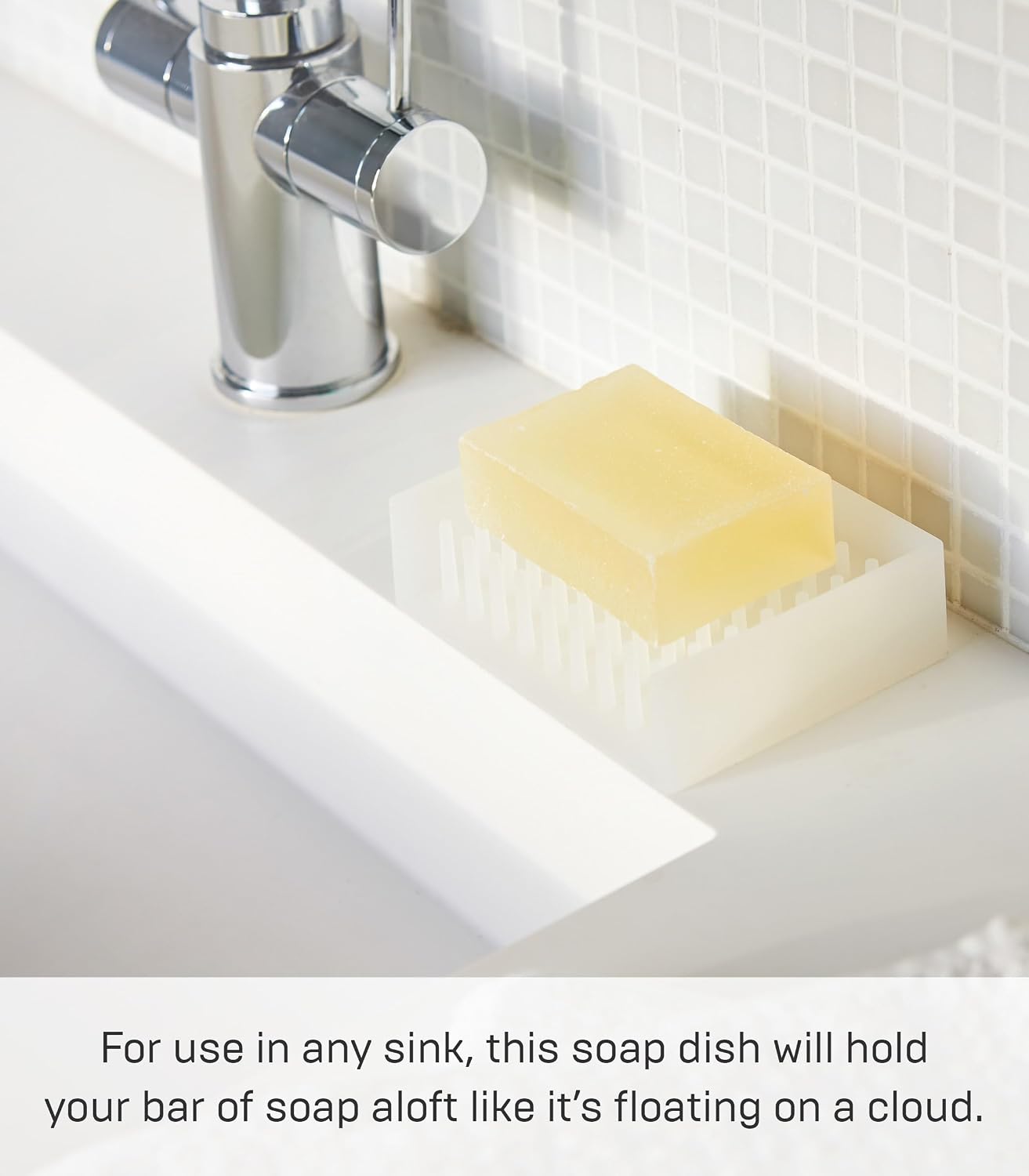
The linked listing describes a silicone tray measuring 3.35 by 4.33 by 1.18 inches, with raised supports over a slanted base. It is intended to let water drain away rather than collect directly beneath the bar. The manufacturer’s listed care method is rinsing with warm water.
That is a modest, understandable design. There is no powered drying, sealed cover or replaceable cartridge. The absence of assembly can make setup simple, provided the sink geometry works.
We have not measured drying time or compared soap consumption against other dishes. A claim that the tray will save a particular amount of soap would go beyond the available evidence. Our assessment is about drainage layout, access and maintenance.
Match the tray to the bar you use
A new rectangular bar and a small rounded remnant behave differently on the same support. Compare your ordinary soap dimensions with the usable area, not only the tray’s outer measurements. An oversized bar may overhang; a small piece may sit differently between supports.
Think about the full life of the bar. If you routinely use it down to a thin sliver, check whether you are comfortable handling that stage on this open design. Buying a tray for its first-day appearance can miss the part of ownership that lasts longer.
The soap’s own shape and formulation also affect the mess around it. This review does not establish that every shampoo bar, specialty soap or cleaning bar will behave identically. Choose the tray for the actual product you keep beside the sink.
One bar or a shared household station?
A tray sized for one bar can be a clear personal station. It becomes less straightforward when several household members want different bars, a sponge and a small brush in the same place. Loading extra objects onto the support can obstruct the intended drainage path and make retrieval awkward.
Decide whether the household needs one shared soap or separate locations. Two trays may be practical on a wide counter but excessive beside a compact basin. If the accessories crowd the faucet, simplifying the number of items may help more than changing the tray.
The product should organize a defined routine. It is not a general bathroom catchall, even if several small objects happen to fit inside its outer boundary.
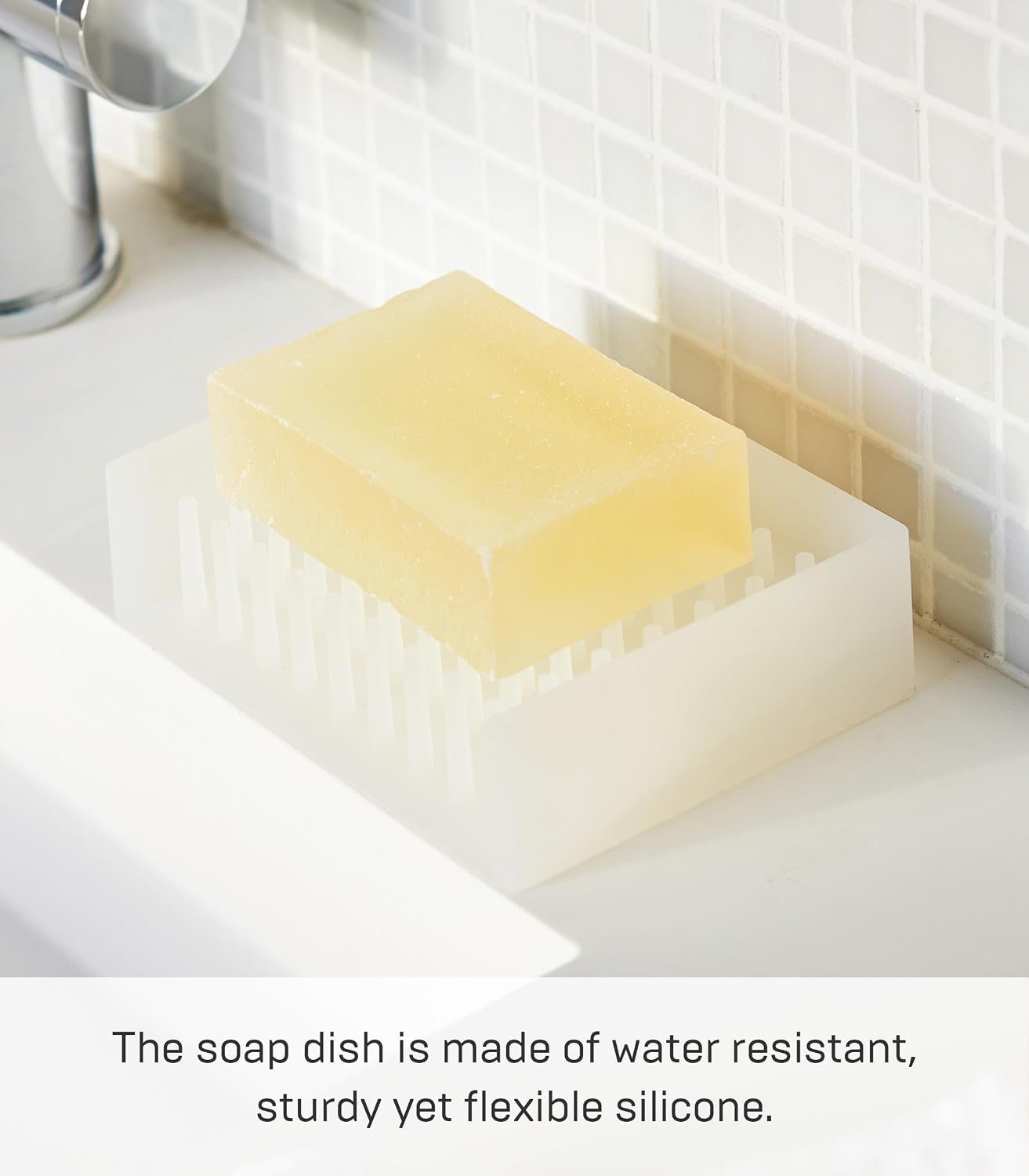
Placement during real handwashing
Check the reach from your usual standing position. The bar should be easy to pick up and return without stretching around the tap or reaching across another person’s items. A position that looks balanced on the counter may be inconvenient with wet hands.
Observe where splashes usually land. A draining base may help water leave the dish, but it cannot prevent a heavily splashed location from getting wet repeatedly. Moving the tray a short distance within a suitable drainage area may matter more than its styling.
We have not tested sliding on different countertop finishes. If stability is important, assess the actual setup during initial use instead of assuming that silicone grips every material equally. Keep the support surface clean and follow the supplied placement guidance.
Cleaning the tray and the space beneath it
Rinse the tray according to its care instructions and inspect the raised supports and outlet area. Those are the places where residue can affect the simple design’s performance. A quick rinse is useful only if the passage for water remains open.
Lift the tray periodically and clean the surface beneath it as part of the sink routine. Draining water away from the bar is not the same as keeping every contact surface dry and residue-free. The underside deserves attention even when the top looks tidy.
Avoid choosing an aggressive bathroom cleaner solely because it works on the sink. Check compatibility with the tray material and use the product’s own care guidance. We have not tested exposure to different cleaning chemicals or long-term discoloration. If you are working on the same space, Best under sink bathroom organizers small vanity covers the next decision in more detail.
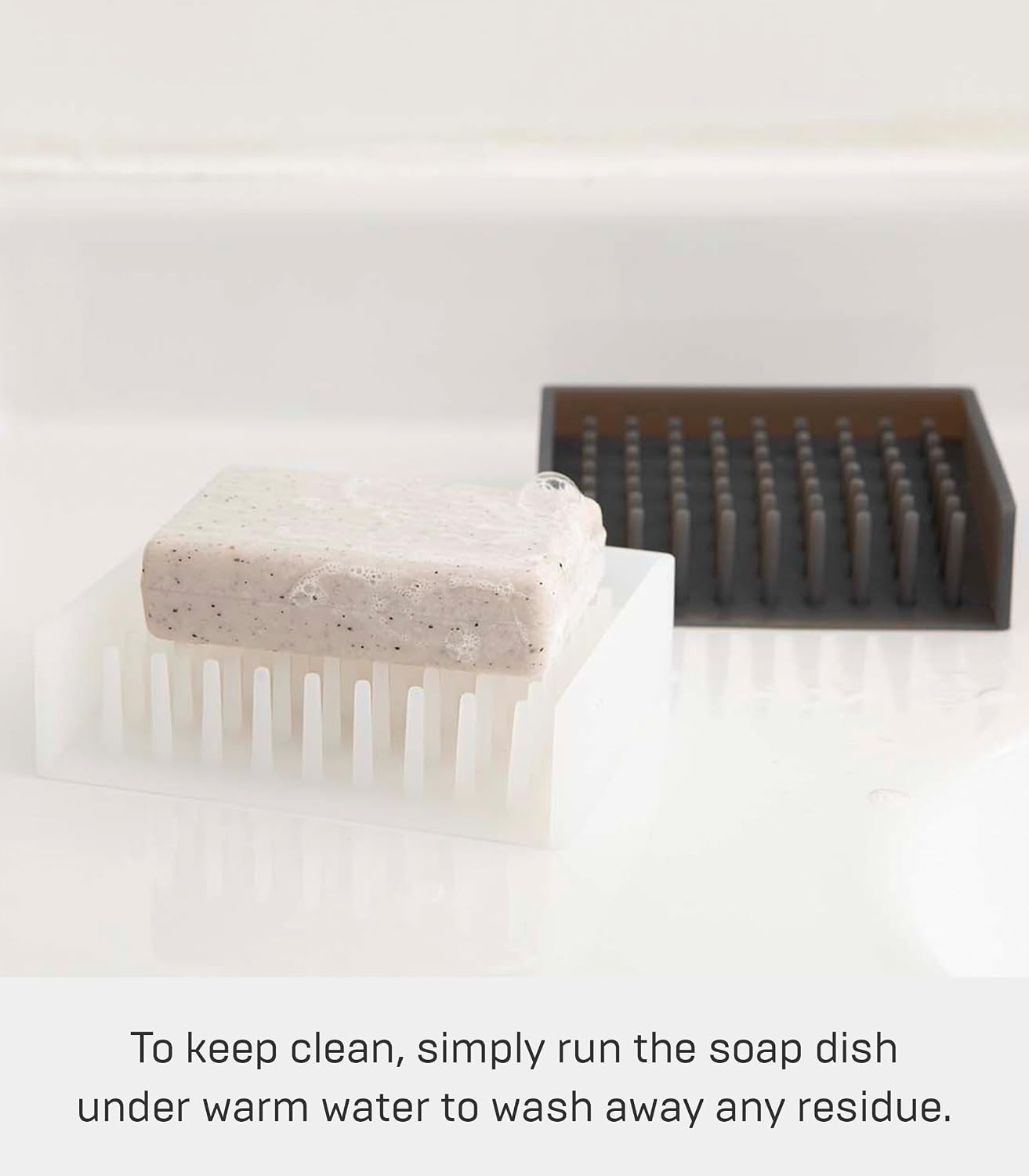
Why a catch-base dish may sometimes be better
A dish with a removable catch base can suit a location where water should not run freely toward an edge. It asks you to empty and clean the collected water, but that can be a reasonable tradeoff on an unsuitable sink ledge.
The Yamazaki takes the opposite approach: make drainage part of the placement. It is persuasive when the basin is close and the support is appropriate. If you must balance it precariously or let the outlet point across the counter, the intended advantage is lost.
Compare the two formats by the path of water and the cleanup you will actually perform. Neither the word self-draining nor a neat product image is enough to decide which arrangement is better for your bathroom.
Bar soap versus a pump dispenser
If you already prefer bar soap, this tray may improve where it rests between uses. If you use liquid soap comfortably, buying a tray creates a different routine rather than improving the existing one. There is no need to switch formats merely to justify a small organizing accessory.
A pump dispenser has its own footprint, refill and cleaning requirements. The useful comparison is the whole setup: what sits beside the tap, how people use it and what needs cleaning afterward. Avoid assuming one format is universally tidier.
For a guest bathroom used infrequently, also consider how you want supplies presented and checked between visits. The best tray is the one that fits the household’s actual use frequency, not the most elaborate version of a routine that rarely happens.
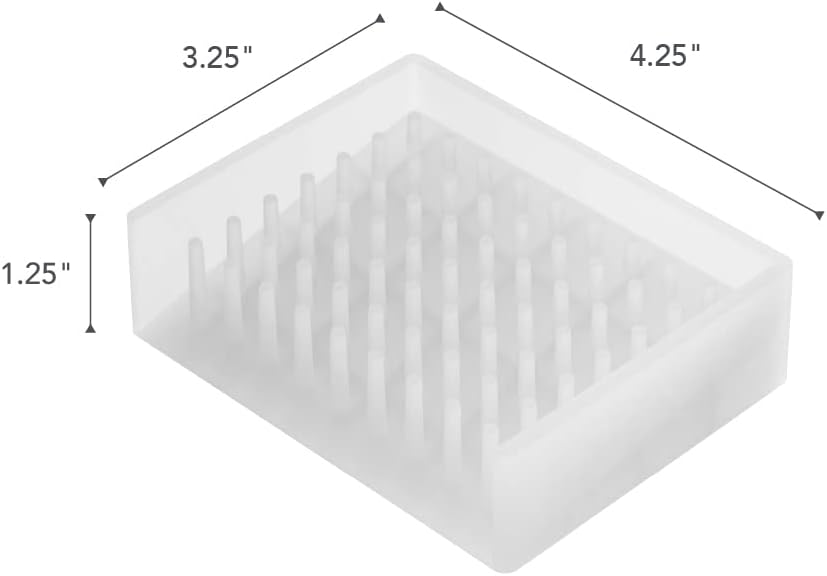
A simple first-week evaluation
Use your regular bar and leave the tray in the intended position for normal handwashing. Notice whether water reaches the basin, whether the bar is easy to retrieve and whether the surrounding surface is easier to reset. Those observations directly test the reason for buying it.
If the result is disappointing, identify the cause before adding another accessory. An unsuitable ledge, a crowded sink or an oversized bar will not necessarily be fixed by a more expensive dish with the same drainage concept.
This Yamazaki design is worth considering for its clear, limited job. It earns its place when the geometry works and cleaning stays simple. It is less useful when the purchase relies on treating self-draining as a synonym for maintenance-free. For the broader setup, Yamazaki Rin Tissue Case Review: Is a Floating Lid Worth the Refill Routine? is a useful next read.
Which option fits your routine?
| Situation | Starting point | Tradeoff |
|---|---|---|
| Suitable ledge beside the basin | Yamazaki draining tray | Water needs a clear route into the sink |
| Drainage would run across the counter | Dish with a removable catch base | Requires emptying but contains runoff |
| Liquid soap already works well | Keep the dispenser | Avoid changing a successful routine |
Amazon product and current listing
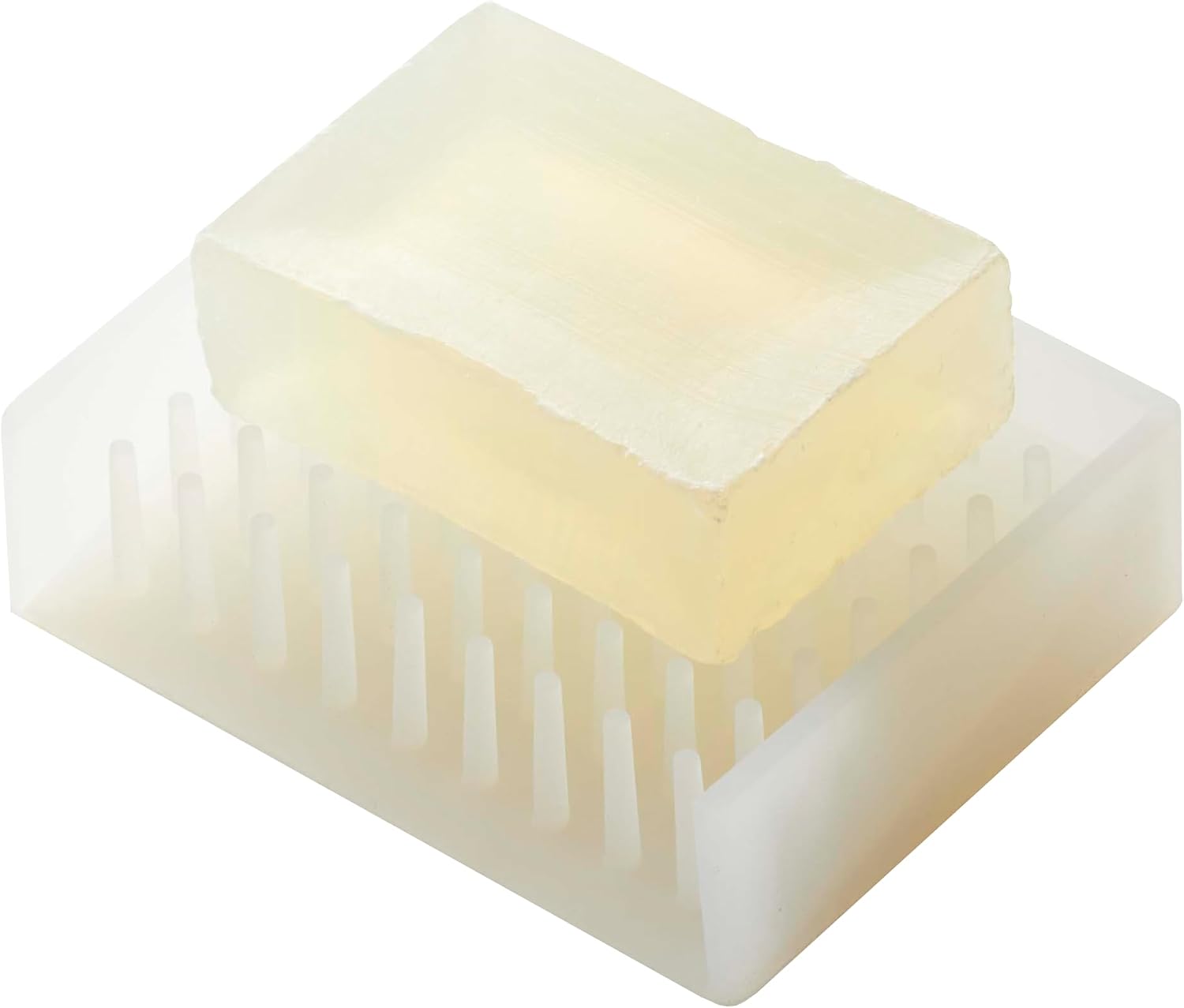
Check Yamazaki Home Self-Draining Silicone Soap Tray on Amazon. Confirm the selected model, seller, delivered price and return terms. This link identifies ASIN B01COPDU7I; it does not guarantee current stock.
Our buying decision
Choose this Yamazaki tray after checking the sink-side footprint and drainage direction. Its simple silicone form can suit a daily bar-soap routine, but it will not solve an unsuitable ledge or remove the need to clean underneath. For the broader setup, simplehuman 10L Butterfly Trash Can Review: Is the Lid Worth Its Bathroom Footprint? is a useful next read.
Explore Bathroom ideas and Buying Guides. Related reading: How to Keep a Small Bathroom Counter Clear When Several People Use It.
Sources and evidence limits
The linked Amazon listing supplies the product identity, photographs and listed features. Household scenarios and comparisons are editorial analysis. We have not measured durability, performance or user outcomes. We do not use star ratings as proof of quality.
Sources
- Amazon product listing — https://www.amazon.com/dp/B01COPDU7I